Olympic Gym Equipment: Specifications & Professional Guide

Olympic Gym Equipment - China Factory, Supplier, Manufacturer

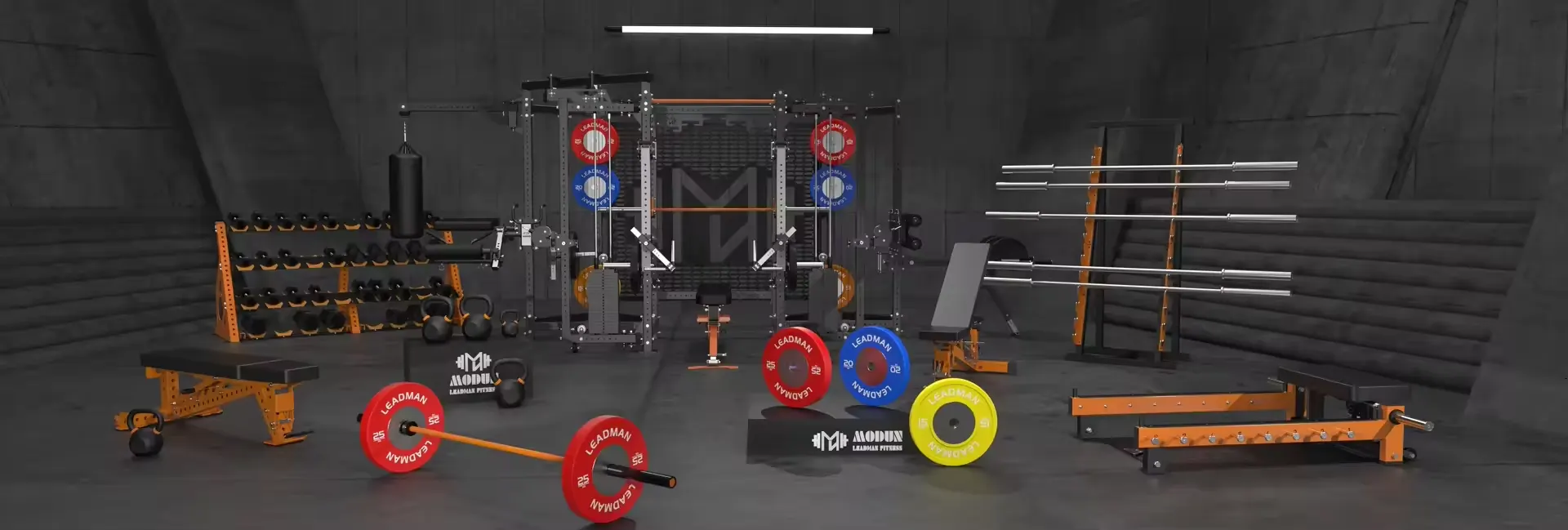
Olympic gym equipment represents the gold standard in strength training, distinguished by its adherence to the International Weightlifting Federation's (IWF) exacting specifications. From the precision-engineered rotation of a high-tensile steel barbell to the drop-tolerance of competition-grade bumper plates, this category prioritizes dynamic performance, athlete safety, and unparalleled durability for both elite competition and advanced commercial training environments.

The foundational principle behind Olympic-grade gear is its ability to withstand the repeated, high-impact demands of explosive lifts like the snatch and clean and jerk. Unlike standard fitness equipment, these implements are designed for a specific, measurable performance criterion, ensuring consistent load distribution and a lifter's confidence under extreme stress. The investment is not merely in hardware, but in a long-term performance ecosystem.

Understanding the interplay between barbell whip, sleeve rotation, and plate bounce is critical for any facility aiming to attract serious weightlifters. Olympic barbells typically feature a 28mm diameter shaft for men and 25mm for women, combined with aggressive knurling and needle bearings for a secure, fluid lift. Bumper plates, with their dense rubber composition, provide a controlled, energy-absorbing deceleration that protects both the athlete and the platform. The precision engineering ensures that a 20kg plate is exactly 20kg, regardless of the manufacturer's design aesthetic.

Selecting the right combination extends beyond brand preference to a science of training outcomes. The sleeve rotation system is a critical variable, with high-end models utilizing eight or more needle bearings to reduce friction and minimize wrist strain during dynamic movements. For platforms, the synergy between a weightlifting platform's impact-absorbing tiles and the sturdy base layer is essential for preserving subfloor integrity. In professional settings, the integration of these components into a cohesive training station is a mark of a serious, high-performance facility.
Frequently Asked Questions

Olympic barbells are engineered to IWF specifications, featuring a 28mm (men's) or 25mm (women's) shaft, aggressive knurling, and a 50mm sleeve diameter. They are designed for dynamic lifts and heavy load tolerance, unlike standard bars which may have thicker shafts and less precise weight tolerances.
While most bumper plates feature a standard 50mm insert to fit Olympic barbell sleeves, compatibility depends on the plate's diameter and the bar's sleeve length. For optimal safety and performance, ensure plates are the same diameter for consistent bounce and use collars designed for the specific sleeve spin.
Whip refers to the amount of flex or oscillation a barbell exhibits under heavy load. A controlled whip is desirable for dynamic lifts like the clean and jerk, as it allows the lifter to generate momentum and optimize the mechanics of the pull. The steel's tensile strength influences this characteristic.
Inspect plates for cracks or separation in the rubber casing after heavy drops. Regular cleaning to remove chalk and moisture is recommended. Store plates vertically on storage racks to prevent warping or deforming the rubber density.
The rotating sleeve design, utilizing needle bearings or bushings, allows the barbell to spin freely. This reduces the torsional force on the lifter's wrists and elbows during the catch and recovery phases of a lift, preventing injury and allowing a smoother, more fluid movement.
For demanding professional use, barbells featuring 8 to 10 needle bearings per sleeve are considered top-tier, offering the most seamless rotation and reduced friction. This allows the bar to spin freely even under substantial loads, meeting the demands of competitive athletes.
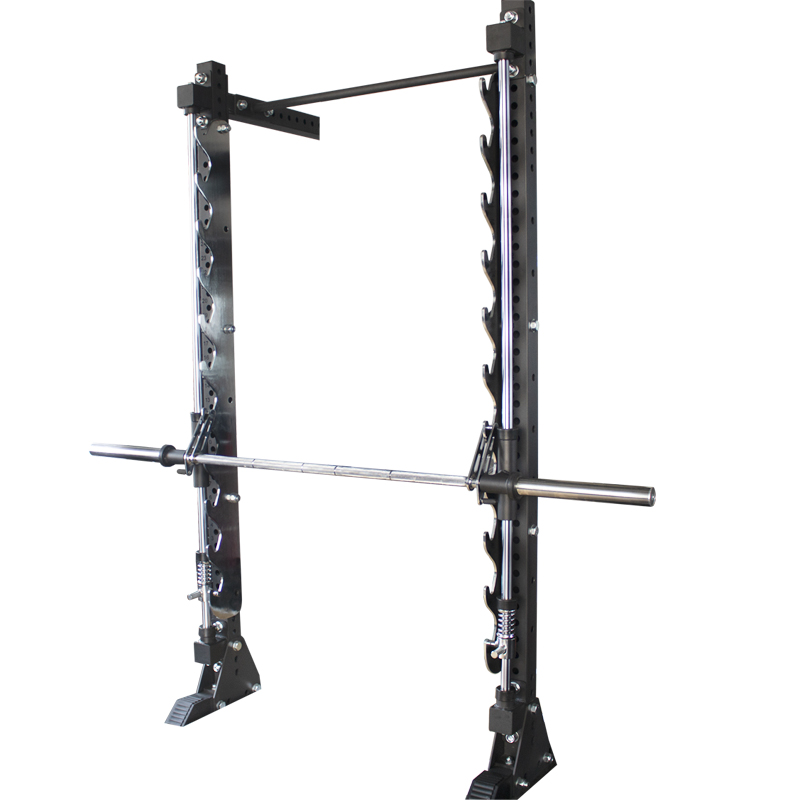
Standard racks typically lack the wide footprint and adjustable safety catches necessary for effective and safe Olympic lifting. Specialized squat stands or half-racks with a wide base are preferred to allow for the dynamic footwork and bar path characteristic of these lifts.
A standard platform comprises a robust plywood base layer for structural integrity, with high-density rubber tiles on the sides to dampen noise and vibration. The central impact area often features a hardwood or specialized surface to provide a solid, non-slip stance for the lifter.

Related Products

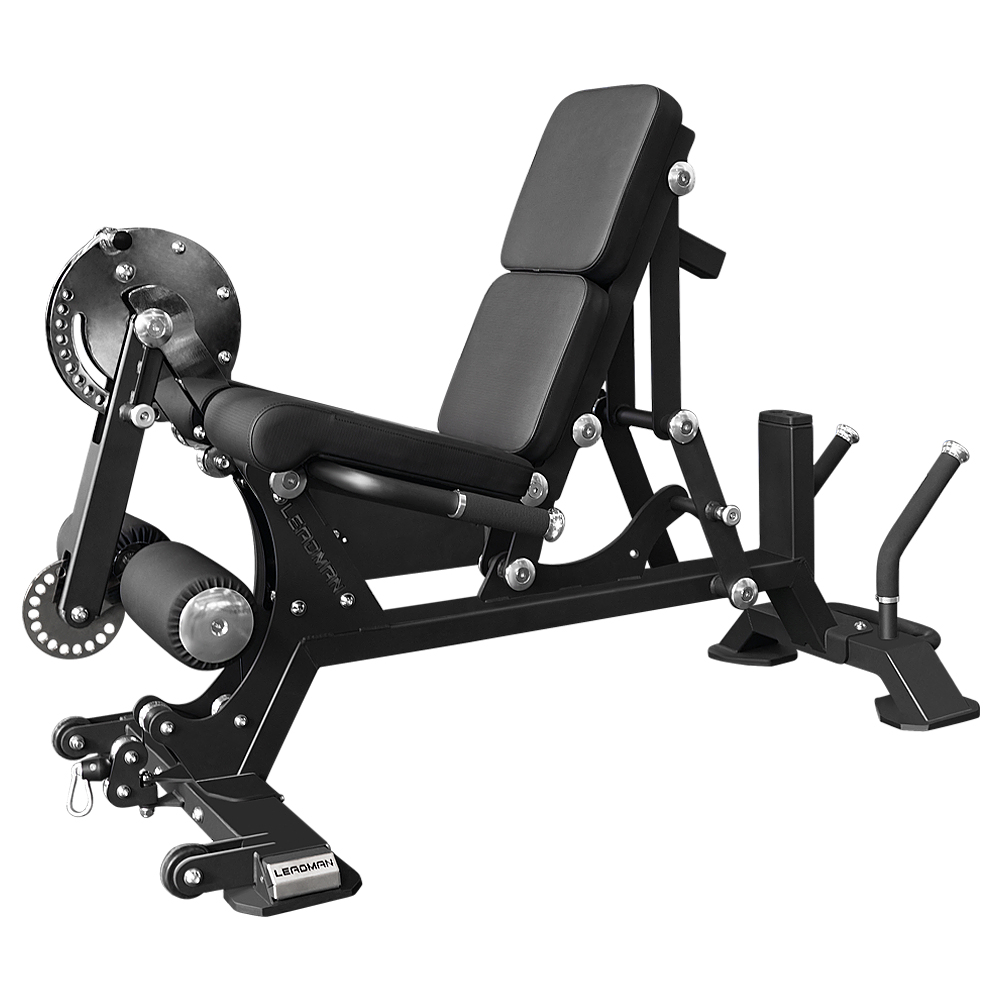
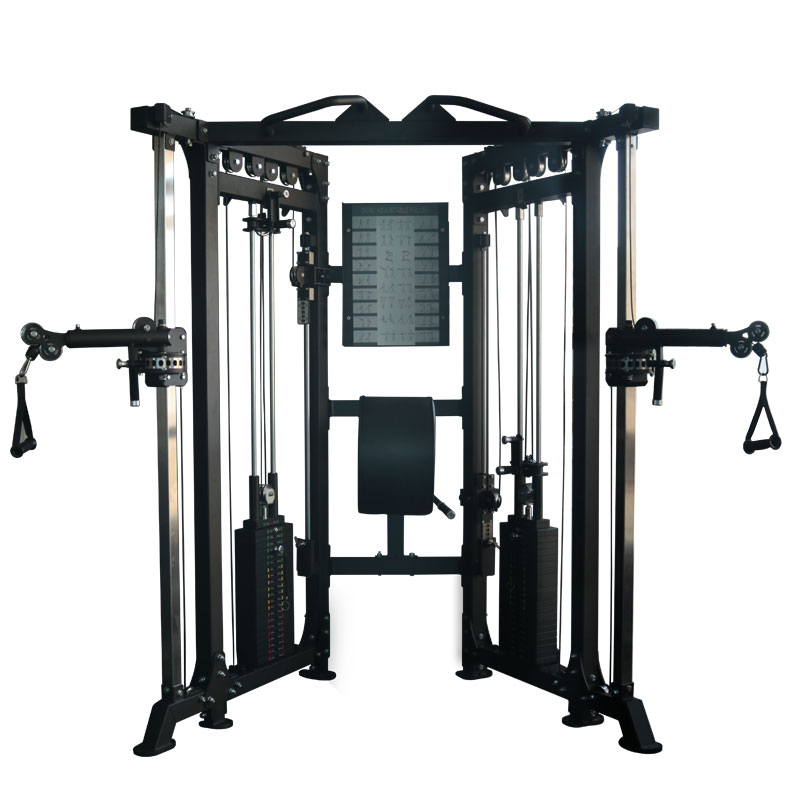
Olympic Gym Equipment

Top Selling Products

Contact Form Modal

Ready to Transform Your Fitness Space?

Let our experts design the perfect gym solution for your business. Get a free consultation and quote today.
Free Consultation
Custom Design
Global Delivery
Professional Installation
WhatsApp