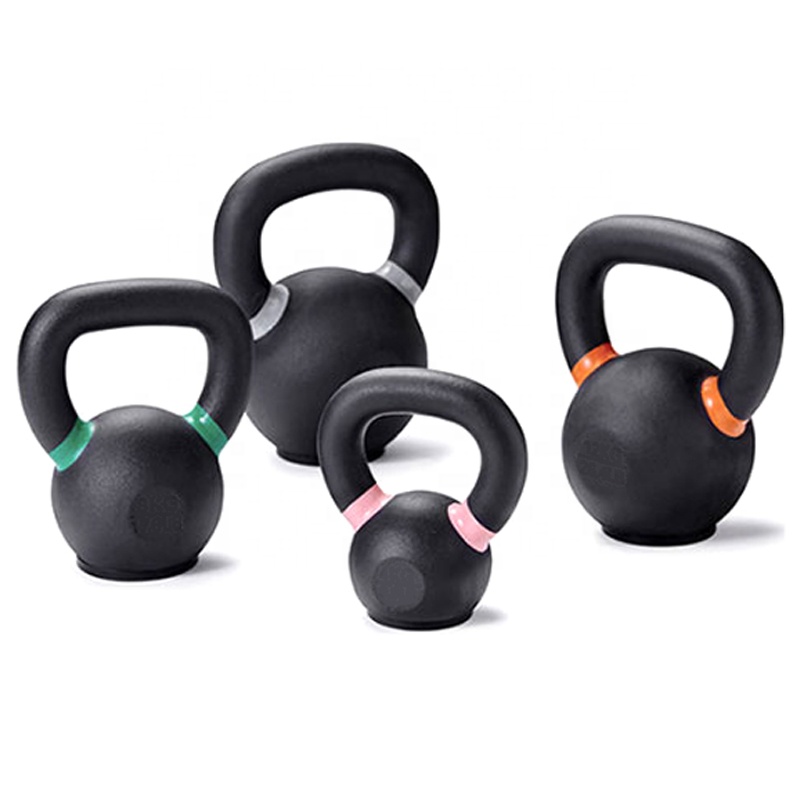
Kettlebell muscle building represents a paradigm shift from conventional isolation training toward functional, compound movement patterns that simultaneously engage multiple muscle groups while developing explosive power and metabolic conditioning. Unlike dumbbells and barbells that restrict movement to fixed planes, the kettlebell workout leverages the implement's offset center of mass to create unique loading patterns that challenge stabilizer muscles throughout the entire kinetic chain. This dynamic resistance profile makes kettlebell training exceptionally effective for building lean muscle mass while improving cardiovascular endurance—a dual benefit that appeals to commercial facilities seeking to deliver time-efficient workouts without compromising results. The kettlebell muscle building methodology fundamentally restructures traditional hypertrophy programming through ballistic movements and high-density interval protocols that maximize muscle fiber recruitment in significantly less training time.
The biomechanical foundation of kettlebell muscle building rests on the distinctive loading characteristics of the implement, where the weight's center of gravity extends beyond the handle, creating rotational forces that require coordinated engagement of core stabilizers and hip extensors throughout each repetition. This loading pattern generates superior neuromuscular adaptation compared to traditional implements, as the exerciser must maintain lumbo-pelvic stability while dynamically driving the weight through space. For commercial facilities, programming kettlebell workouts for mass demands careful progression planning—starting with bilateral movements like goblet squats and deadlifts before advancing to unilateral exercises and complex sequences that challenge coordination and balance. The integration of ballistic exercises such as swings, cleans, and snatches elevates heart rate significantly while generating hormonal responses conducive to muscle hypertrophy, notably increased testosterone and growth hormone production in response to high-intensity, compound movement patterns.
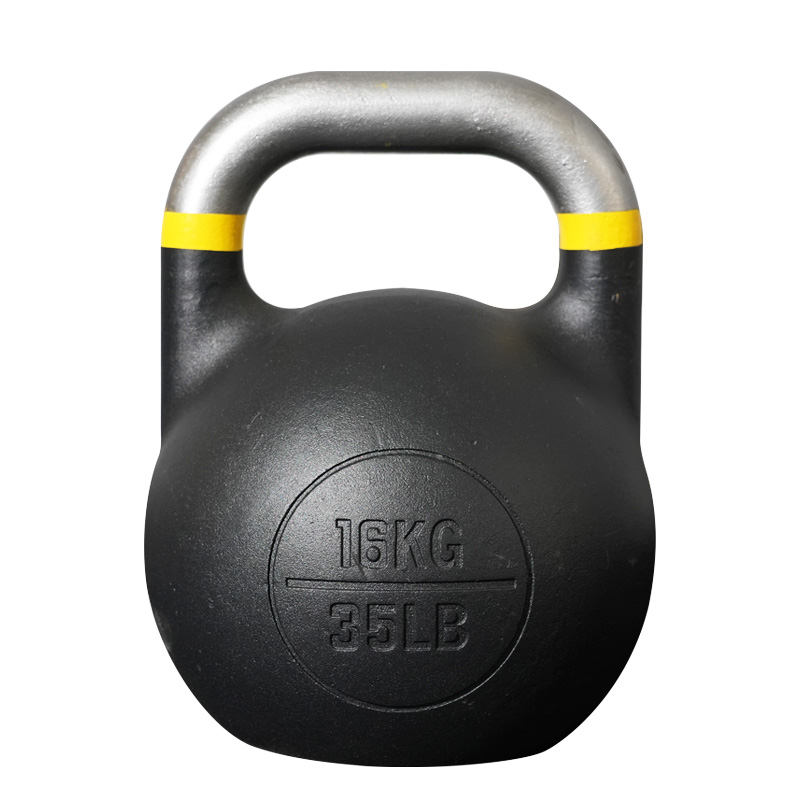
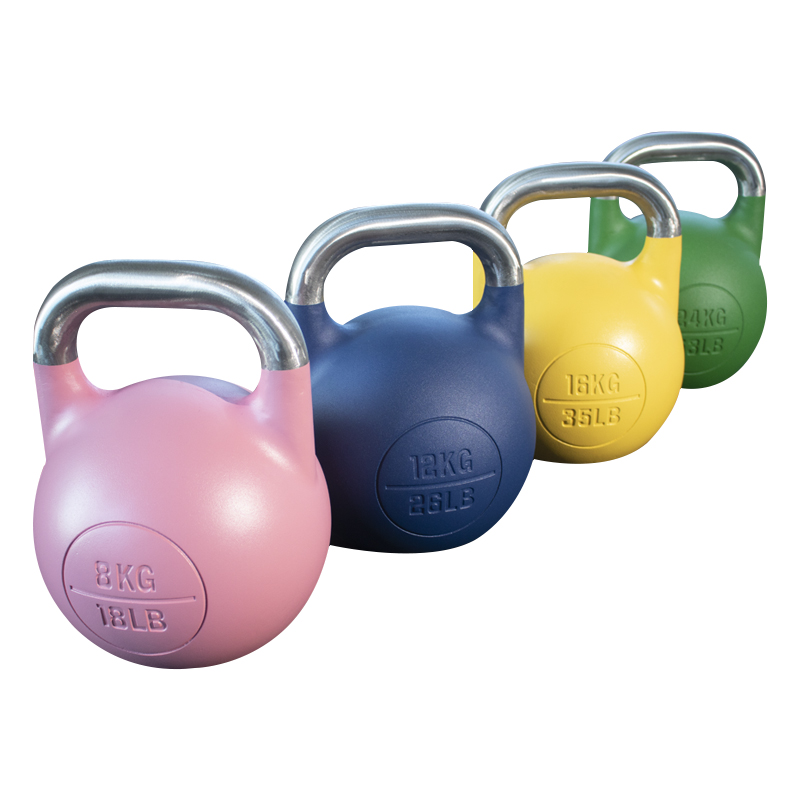
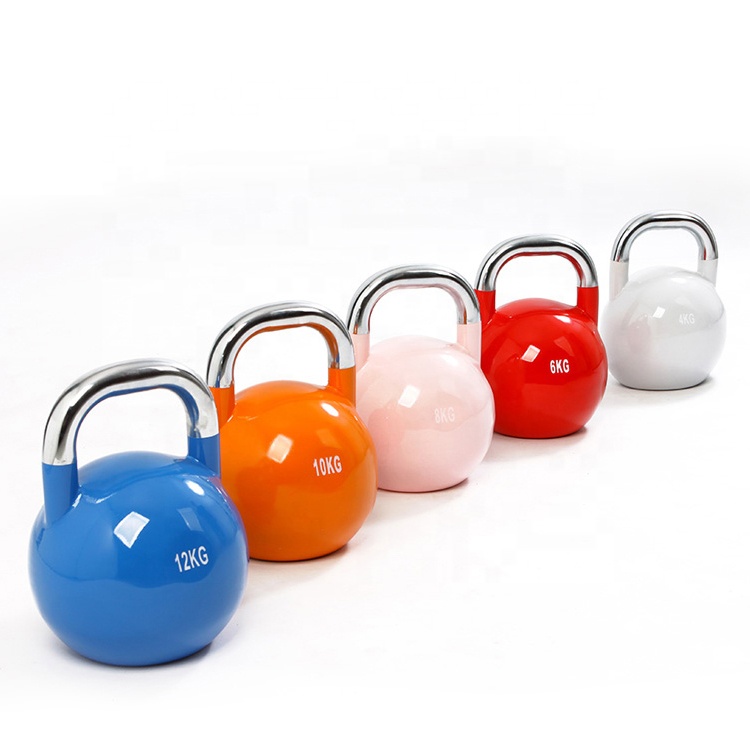
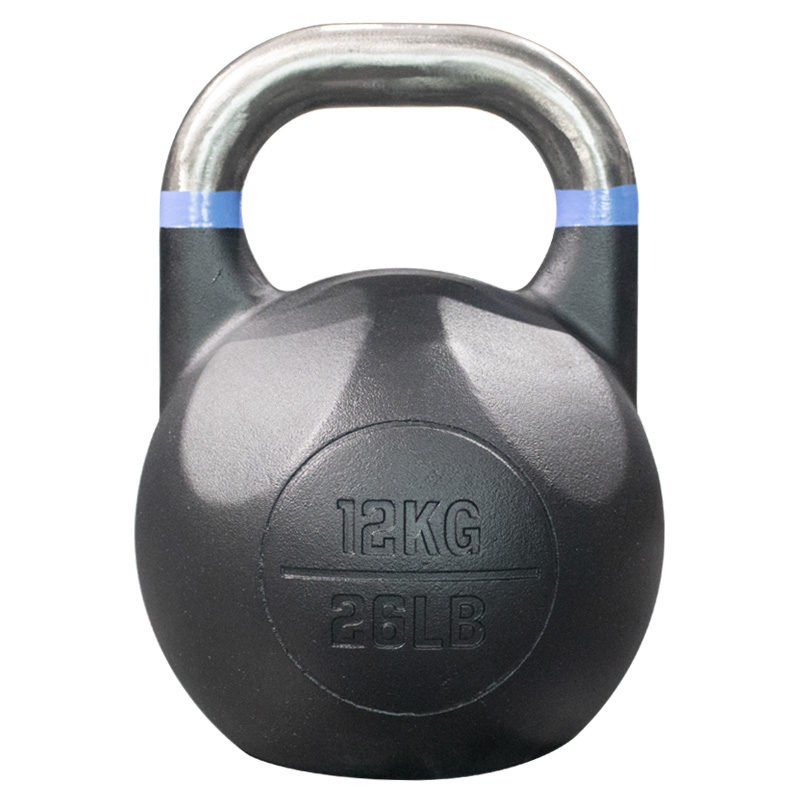
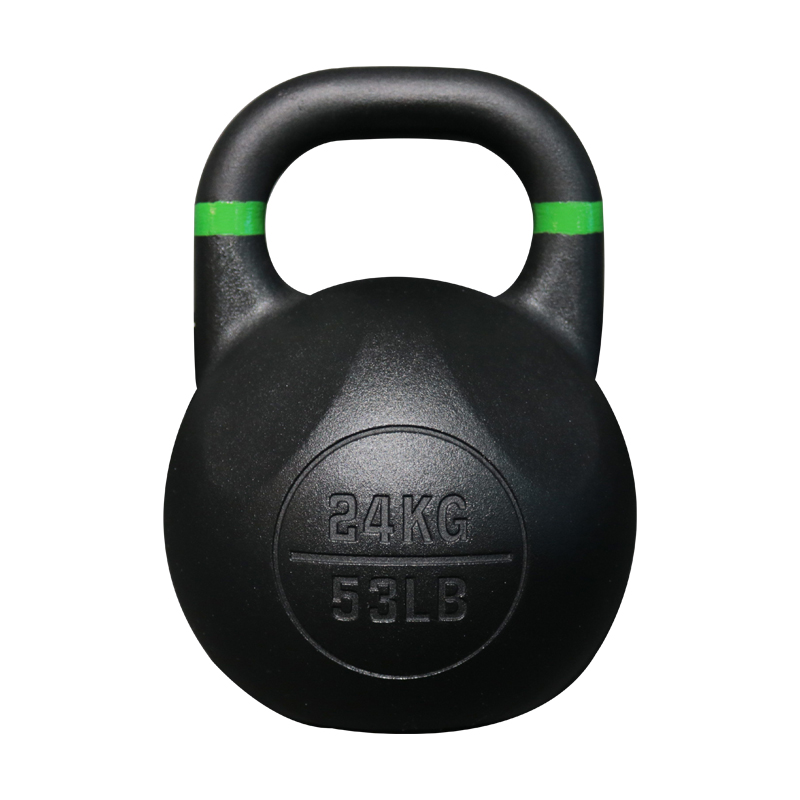
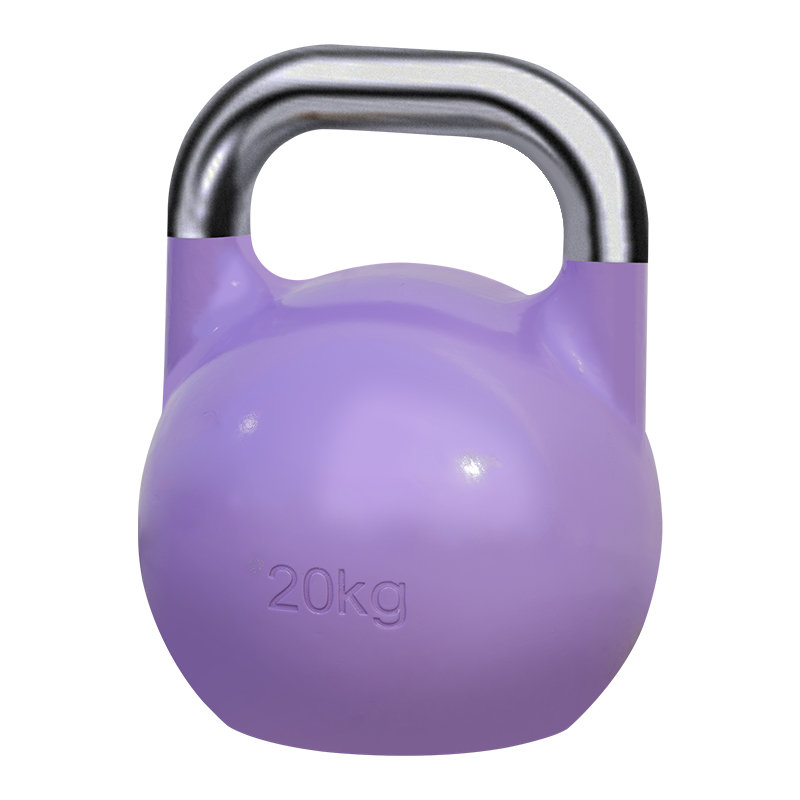
Implementing kettlebell muscle building within commercial fitness programming requires facility operators to make informed decisions regarding kettlebell inventory selection, programming diversity, and coach qualification standards. The most versatile inventory comprises cast iron competition-grade kettlebells, available in 2-kilogram increments from 4 to 48 kilograms, offering consistent handle dimensions and weight distribution across all sizes—essential for developing muscle memory and standardized movement mechanics. For facilities integrating kettlebell exercises for muscle growth into group programming, instructor certification with recognized authorities ensures safe technique instruction and appropriate load progression for participants with varying strength levels and injury histories. The financial case for kettlebell investment strengthens when considering their minimal storage requirements, equipment durability, and the broad demographic appeal spanning from rehabilitation clients to elite CrossFit athletes.

Let our experts design the perfect gym solution for your business. Get a free consultation and quote today.