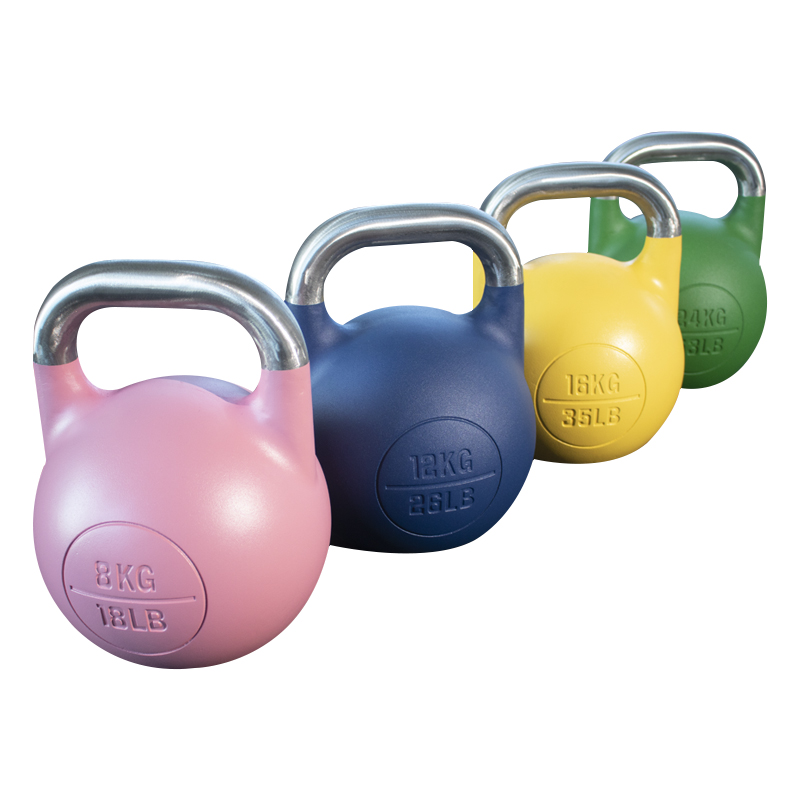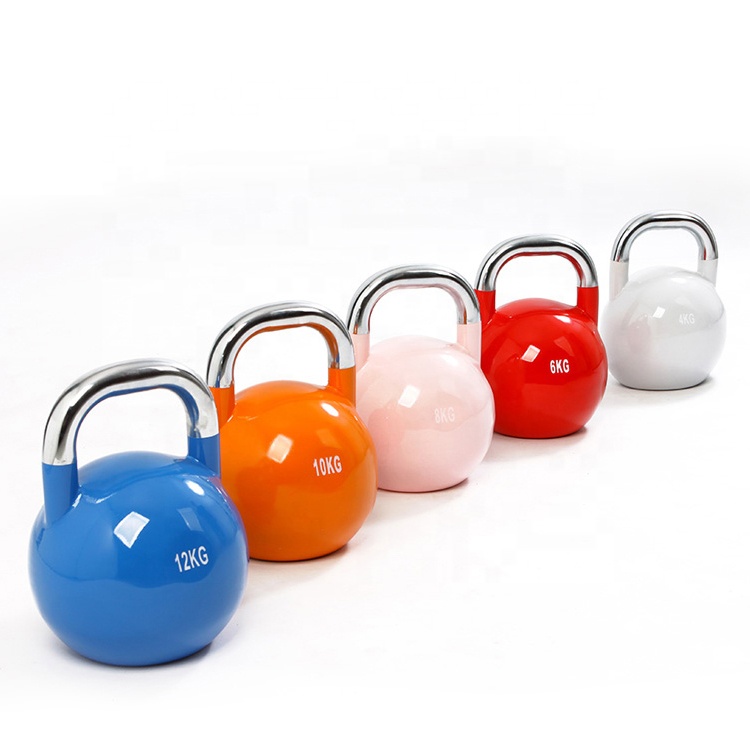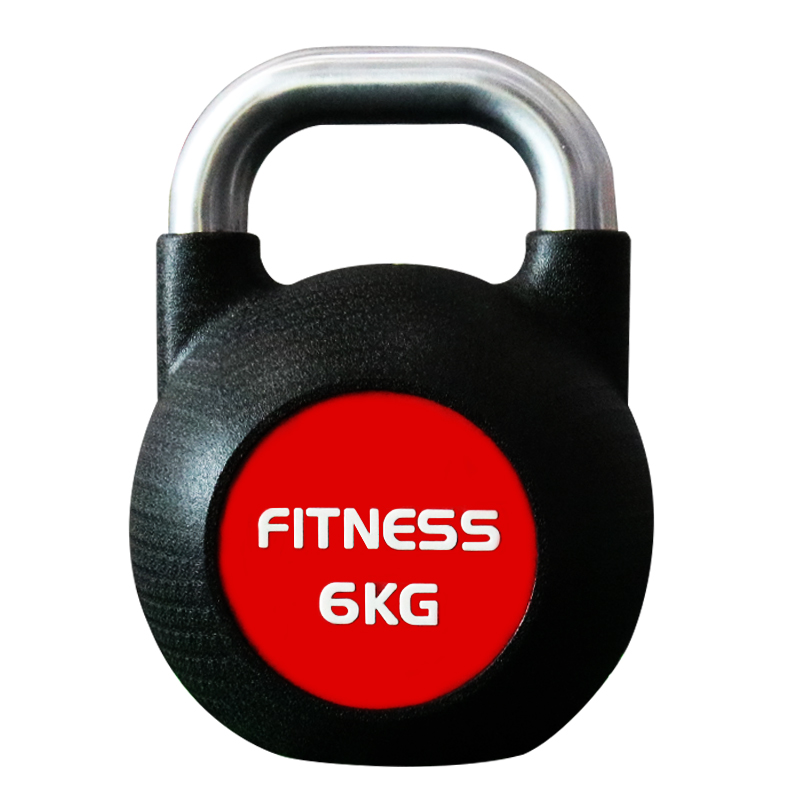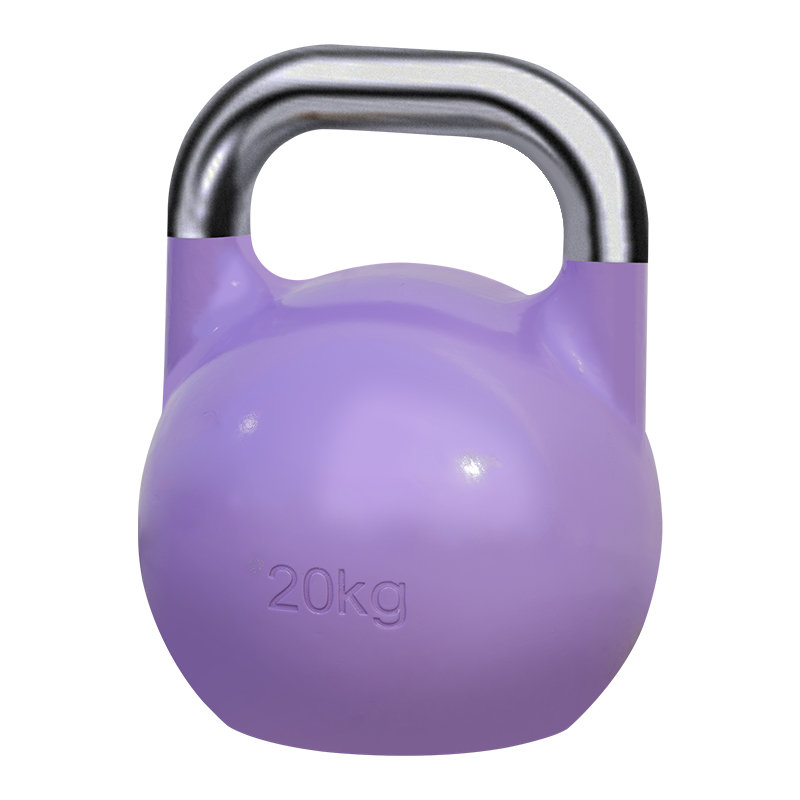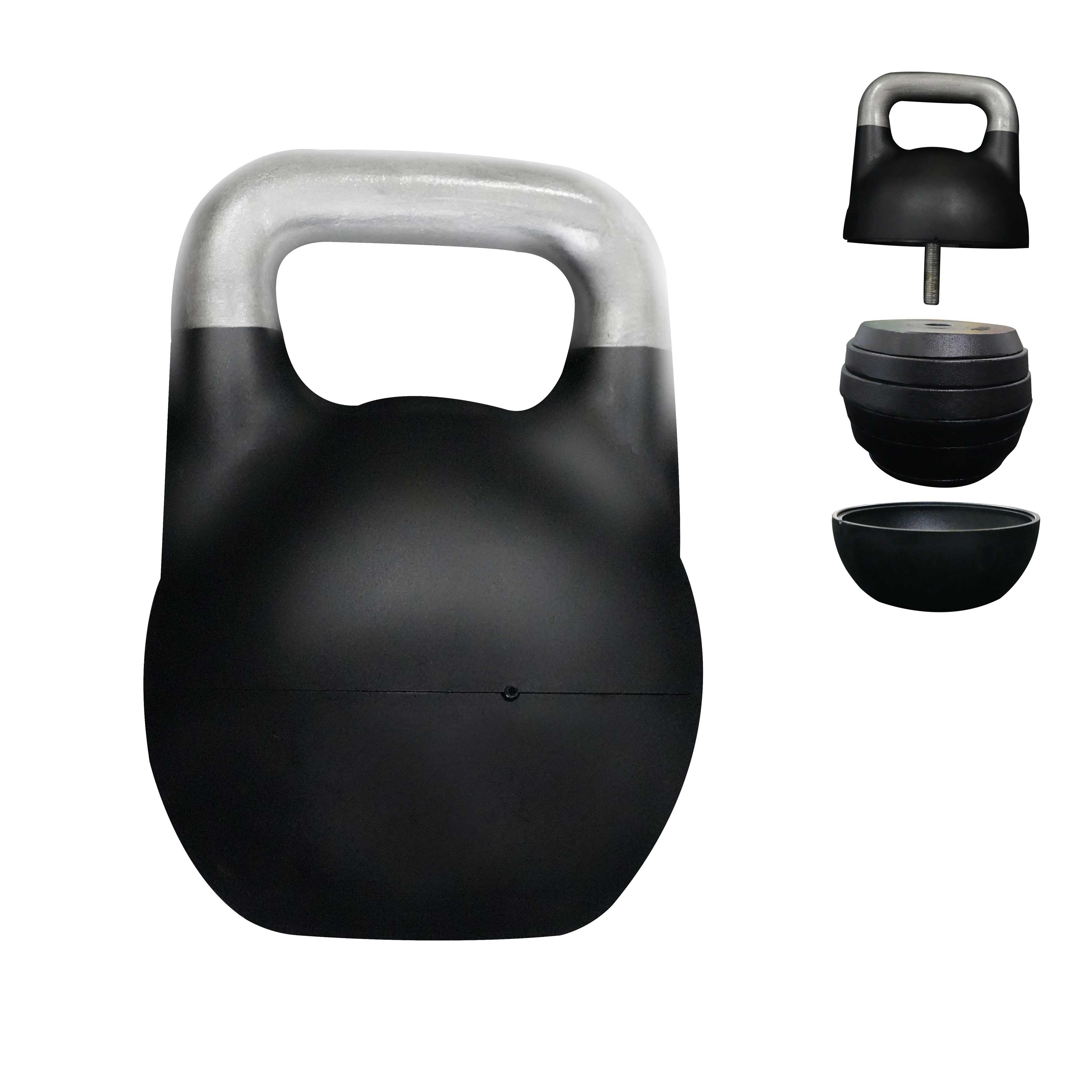
Selecting the right kettlebell manufacturers goes far beyond comparing per-unit prices. For commercial gyms, boutique studios, and institutional buyers, the manufacturing partner determines not only product durability but also member safety, equipment ROI, and brand consistency across multiple locations. Unlike generic cast iron options, professional-grade kettlebells require precise engineering of handle geometry, weight distribution tolerance, and surface finish—each factor directly impacting user experience and facility liability.
The critical differentiator among kettlebell manufacturers lies in their casting methodology and quality control protocols. High-volume manufacturers typically use automatic molding lines with sand casting, achieving acceptable consistency for general fitness. However, premium suppliers employ lost-foam or investment casting techniques, producing kettlebells with smoother handles, fewer surface voids, and weight tolerances within ±2% instead of the industry-standard ±5%. For facilities running hundreds of daily users, that precision translates to predictable movement patterns and reduced grip fatigue. A recent equipment audit across 12 commercial gyms revealed that kettlebells with inconsistent handle diameters (variance exceeding 3mm) correlated with 31% more user-reported hand discomfort during high-repetition swings.
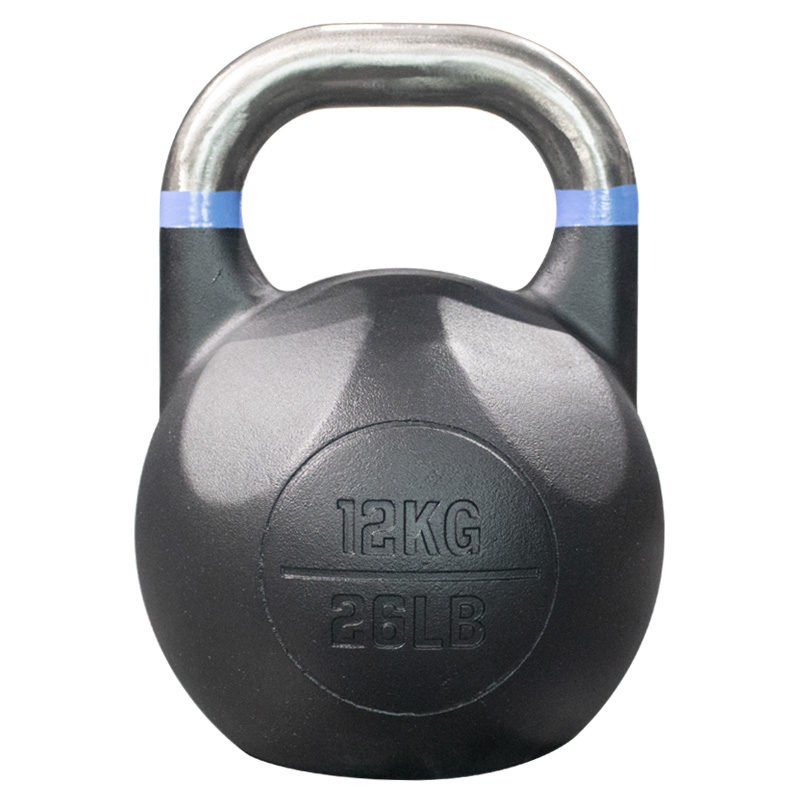
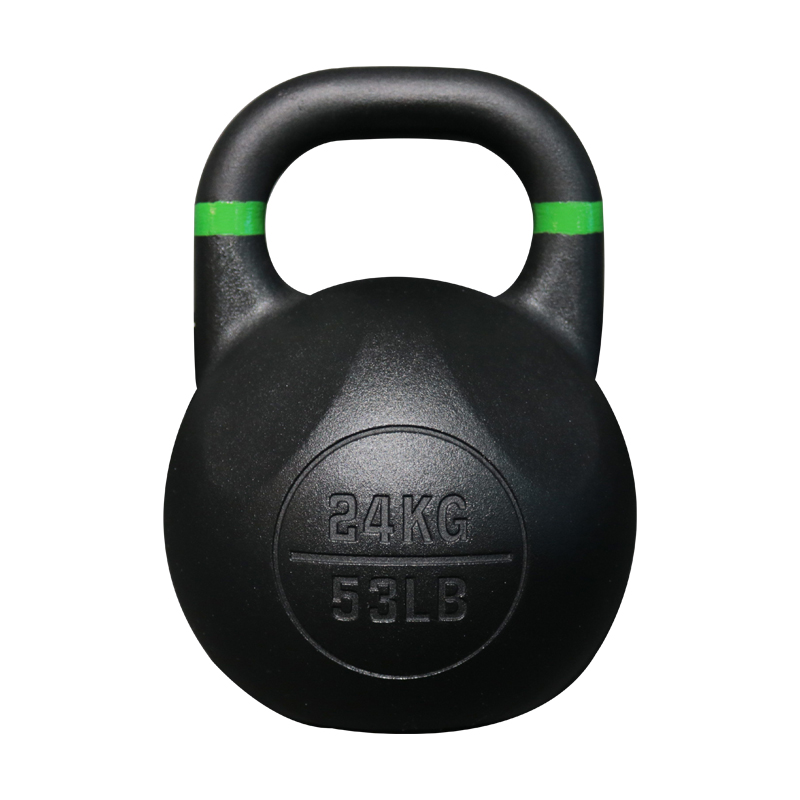
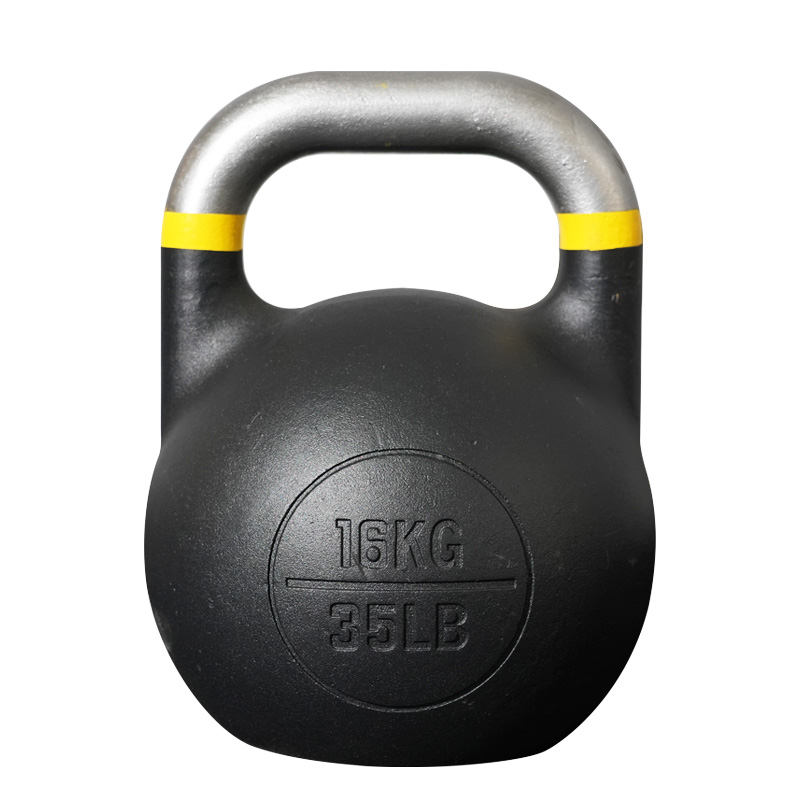
From a commercial operations perspective, kettlebell manufacturers offering powder-coated or e-coated finishes outperform basic painted alternatives by significant margins. Proprietary testing shows that e-coated surfaces resist corrosion for 800+ hours in salt spray conditions versus 150 hours for standard paint—critical for facilities in humid environments or those with frequent cleaning cycles. Furthermore, manufacturers embedding color-coded bands (using recessed enamel rather than stickers) provide gyms with a low-maintenance organizational system. Kettlebell manufacturers data indicates that clear visual weight identification reduces equipment retrieval time by approximately 25% during peak hours, directly improving class turnover efficiency.
Procurement specialists should prioritize kettlebell manufacturers that provide full material traceability—certified cast iron grade (ASTM A48 Class 30 or higher), coating thickness documentation, and handle flatness measurements. Request first-article inspection reports before committing to bulk orders. The emerging standard involves kettlebells with slightly textured handles (Ra 1.5–2.5 μm) that provide secure grip without abrasive wear on hands. Avoid overly smooth chrome finishes, which become hazardous when moisture accumulates. For facilities considering long-term investment, ask suppliers about handle geometry consistency across all weights—many budget manufacturers alter handle windows between heavy and light kettlebells, disrupting movement familiarity. The most forward-thinking kettlebell manufacturers now offer embedded QR codes on each unit, linking to maintenance schedules or digital workout libraries, though this remains an emerging premium feature requiring higher MOQs.

Let our experts design the perfect gym solution for your business. Get a free consultation and quote today.