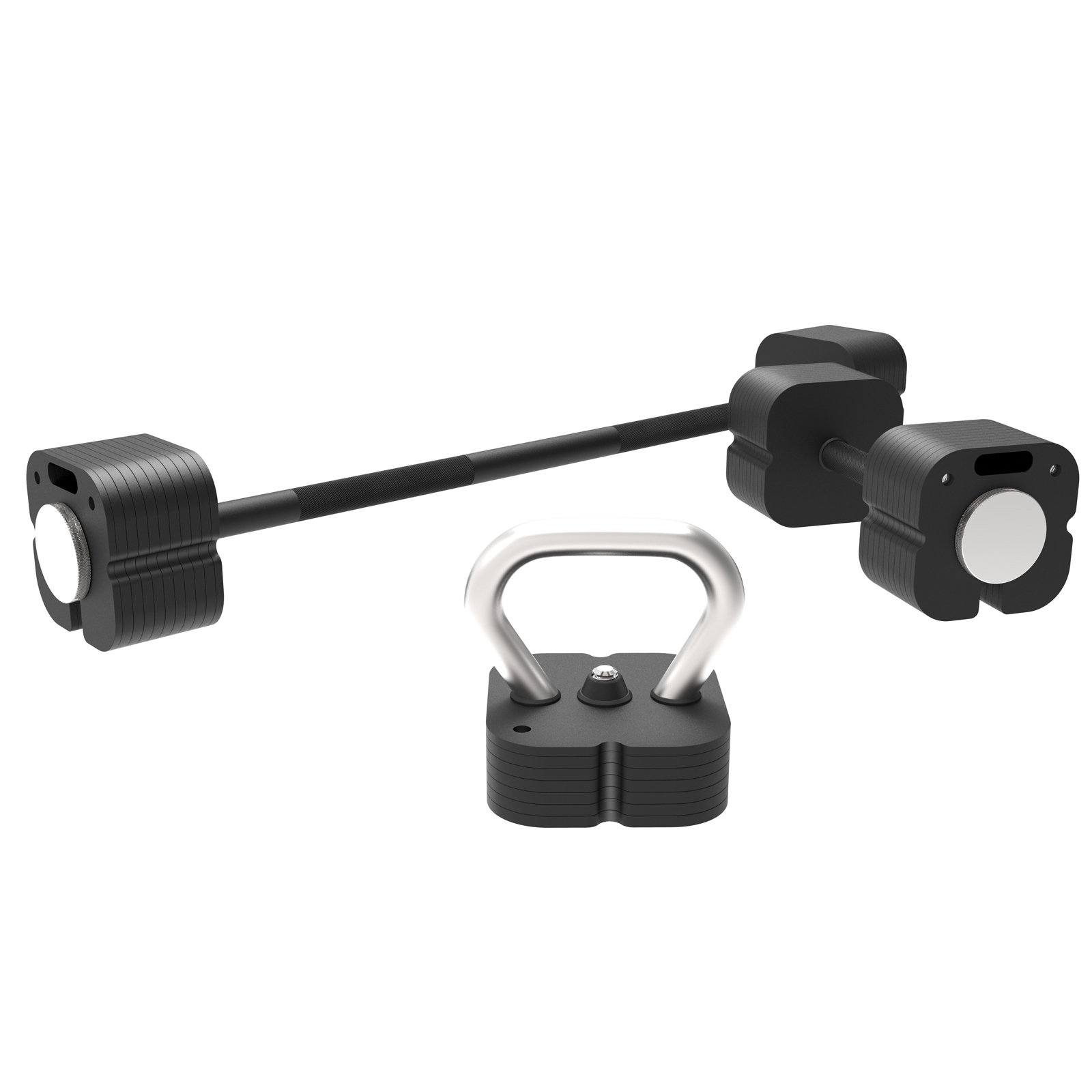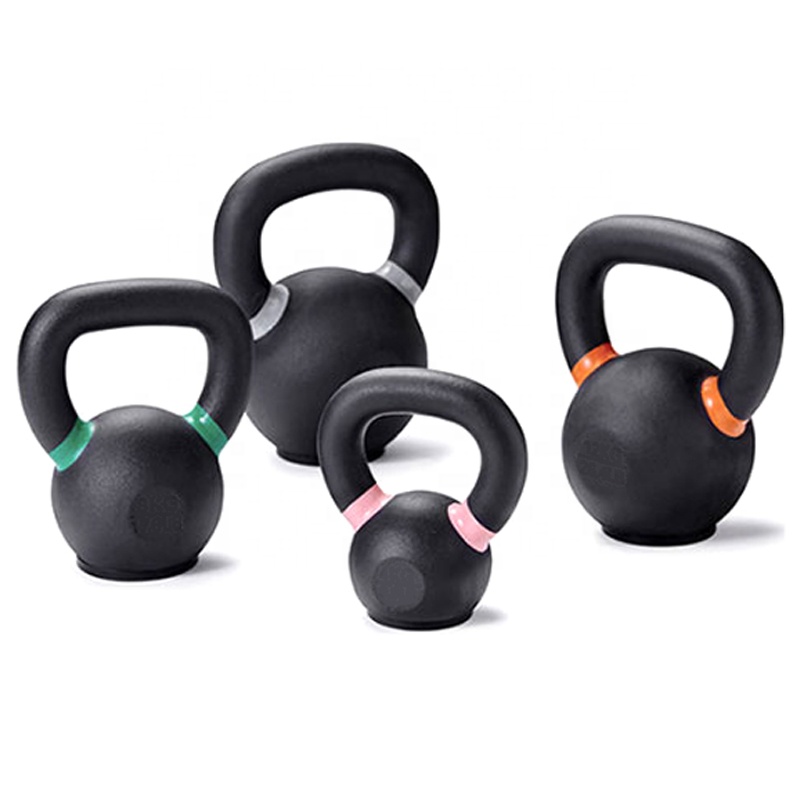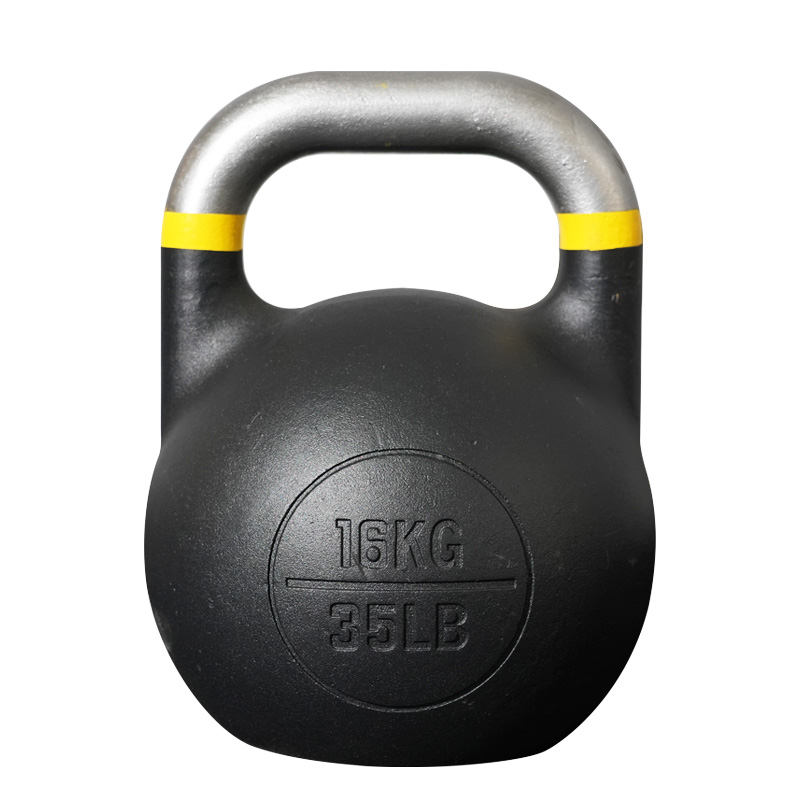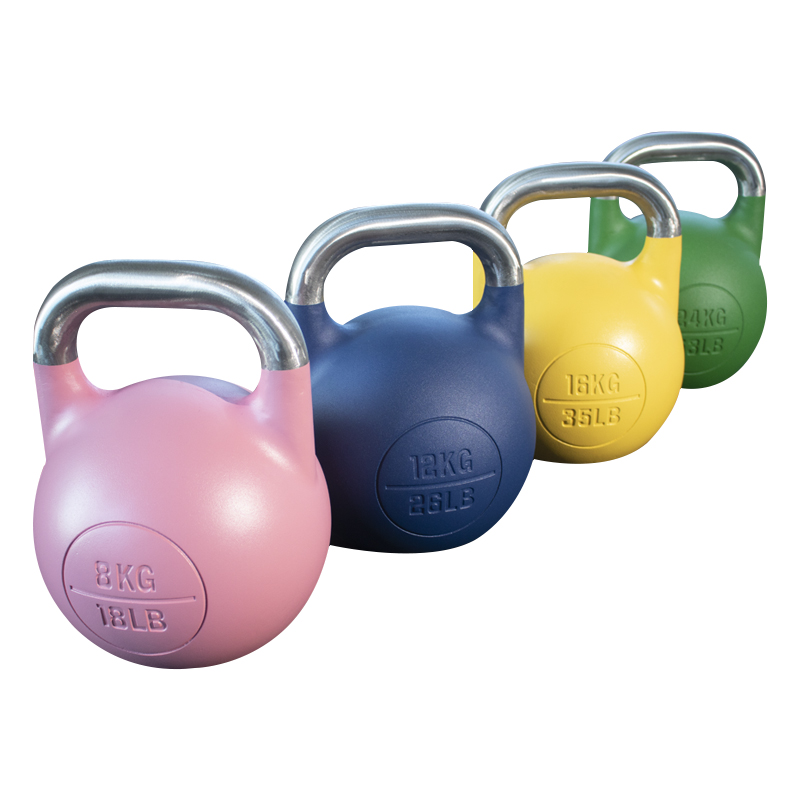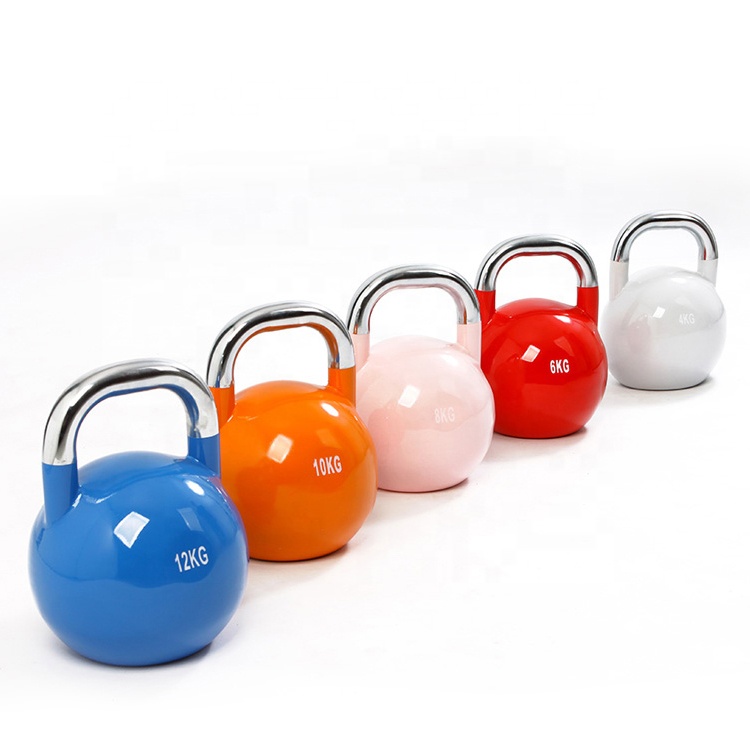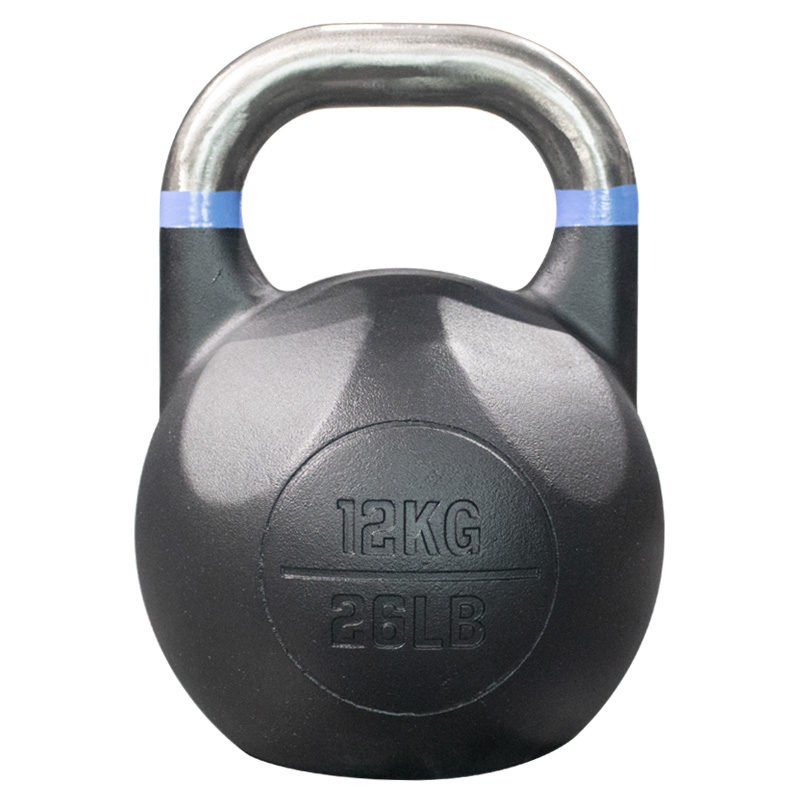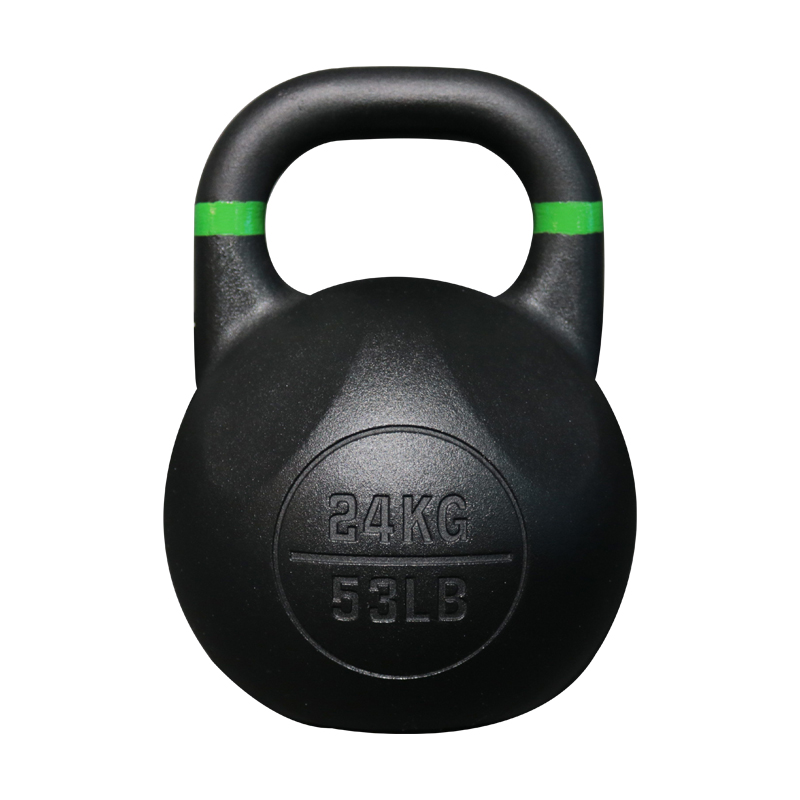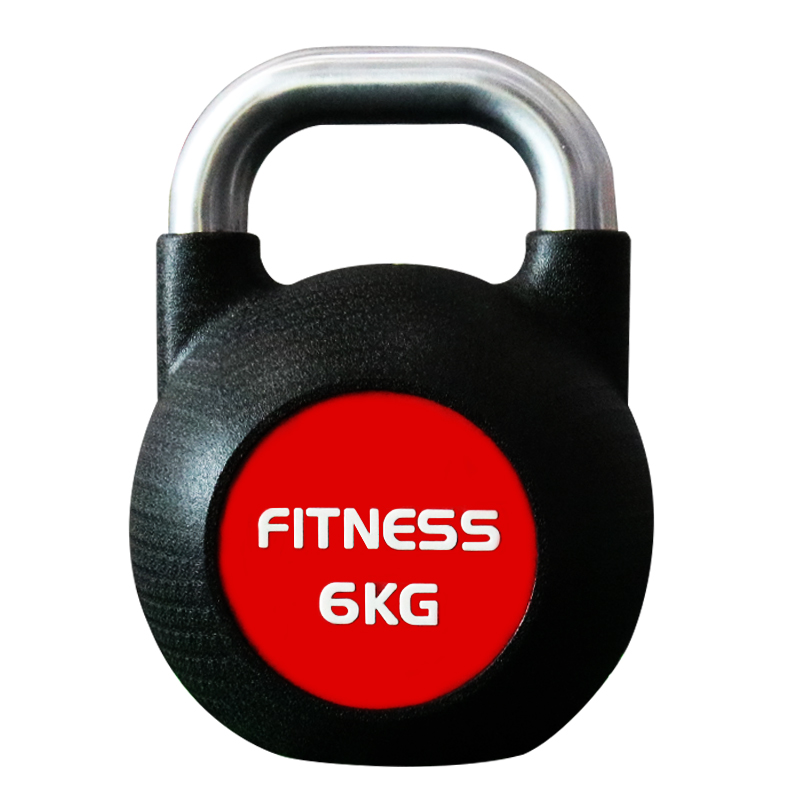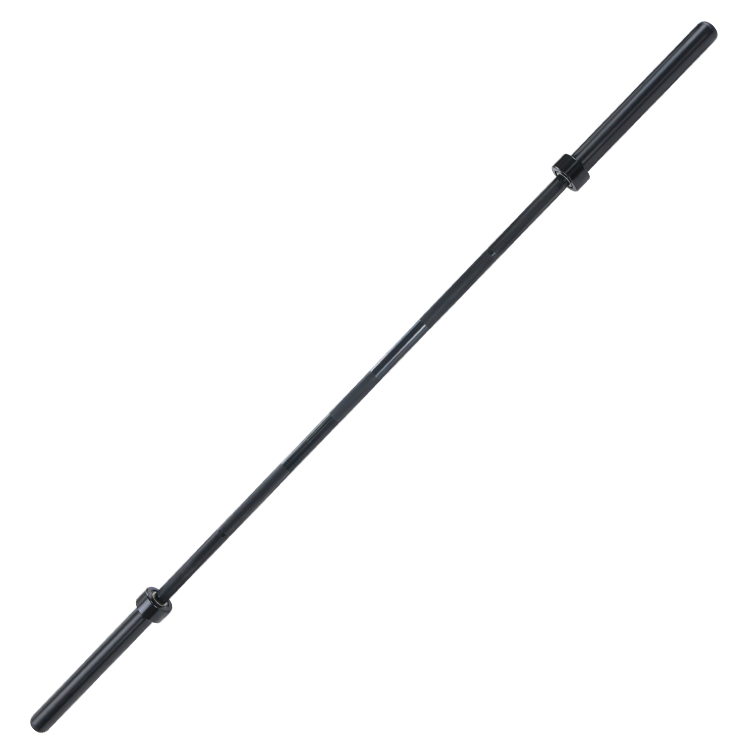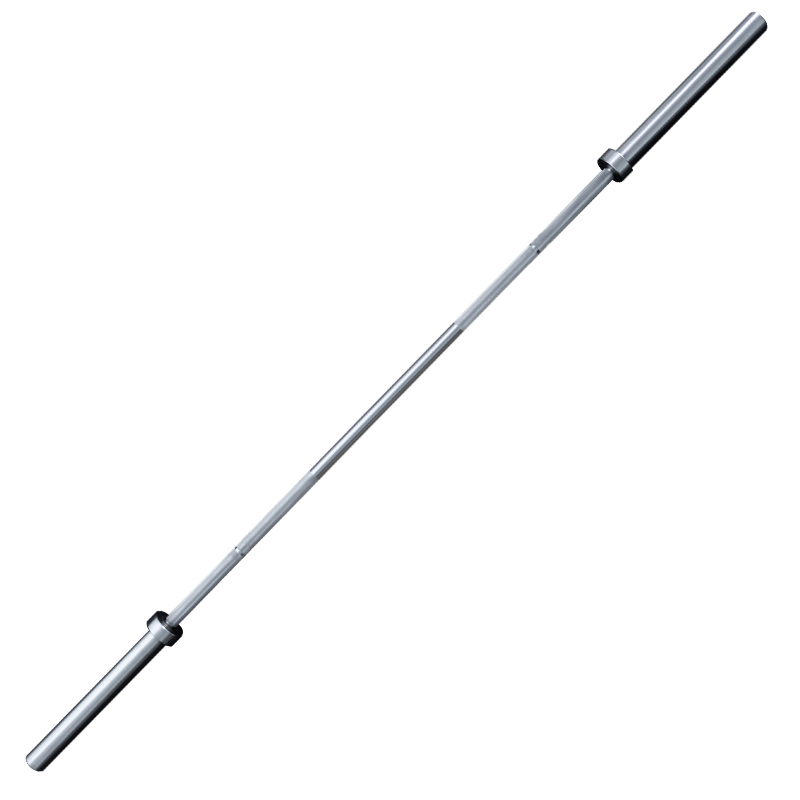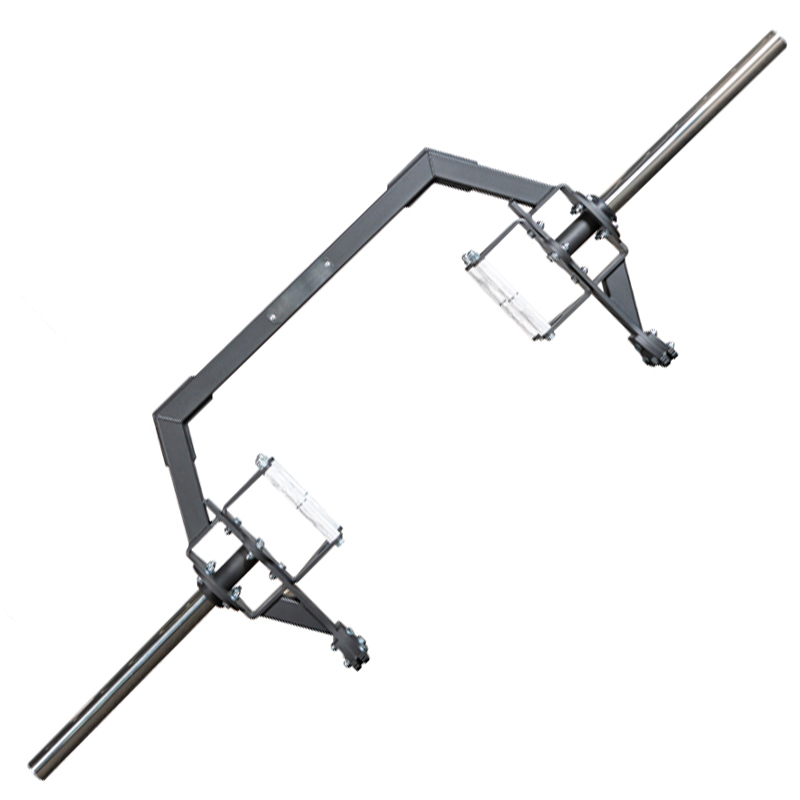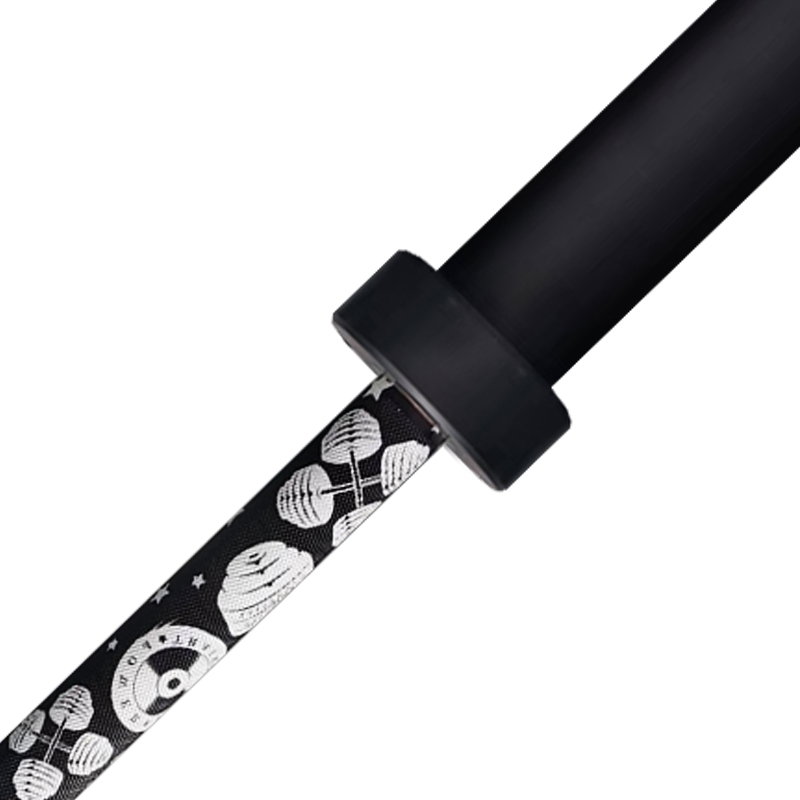
The term kettlebell barbell does not refer to a single product but rather a training methodology combining kettlebell dynamics with barbell loading. Some specialty bars, such as the kettlebell-style barbell or offset loading bar, feature an asymmetrical or pronounced offset sleeve design to mimic the unstable, off-center load of a kettlebell while allowing bilateral gripping.
The mechanism behind kettlebell-inspired barbells involves center of mass displacement. Unlike a standard barbell where the load is evenly distributed relative to the grip, these bars position the weight plates eccentrically—often with sleeve extensions that angle outward or downward. This creates a rotational torque at the hands, engaging stabilizer muscles in the wrists, shoulders, and core throughout each rep. The effect simulates kettlebell work but with the bilateral loading capacity of a barbell.
User reports from specialty equipment forums indicate that kettlebell-style barbells are most beneficial for sports training and rehabilitation settings. Athletes who incorporated offset barbell pressing into their programs reported improved shoulder stability and reduced wrist strain compared to standard dumbbell work. However, a cautionary note emerged: novices unfamiliar with eccentric loading required a 30-40% reduction in working weight to avoid technique breakdown or joint discomfort.
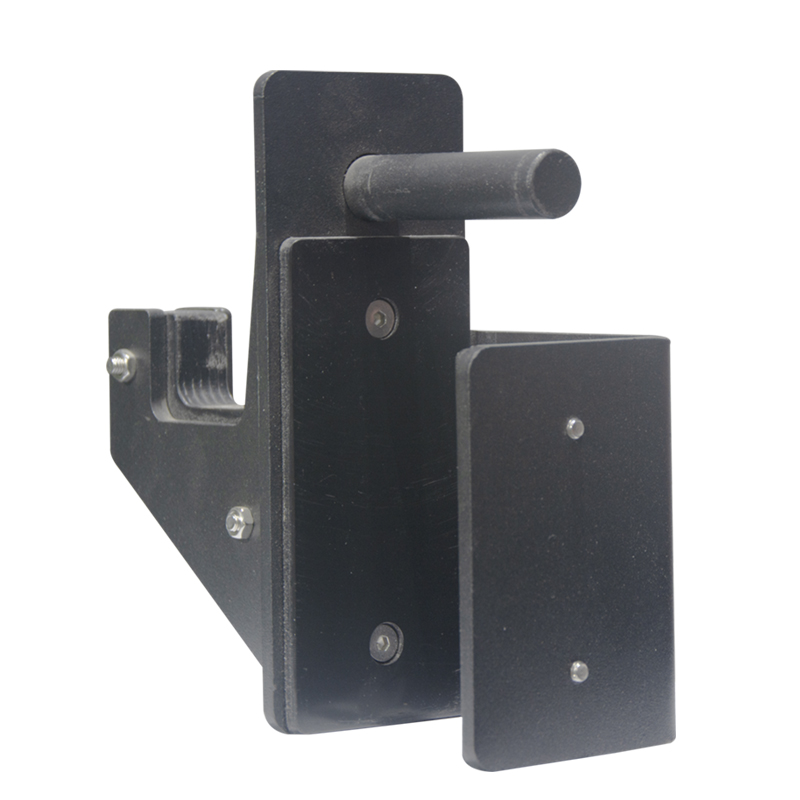
For buyers considering a kettlebell-inspired barbell, evaluate the sleeve offset angle and length. A 5-10 degree offset offers noticeable instability without being unmanageable. Longer offset sleeves allow more plate loading but increase leverage torque. Additionally, ensure the bar fits standard rack j-hooks—some designs require wider hooks or a dedicated storage solution due to the protruding offset section. Always start with light weights to assess stability demands before progressing to heavier loads.

Let our experts design the perfect gym solution for your business. Get a free consultation and quote today.