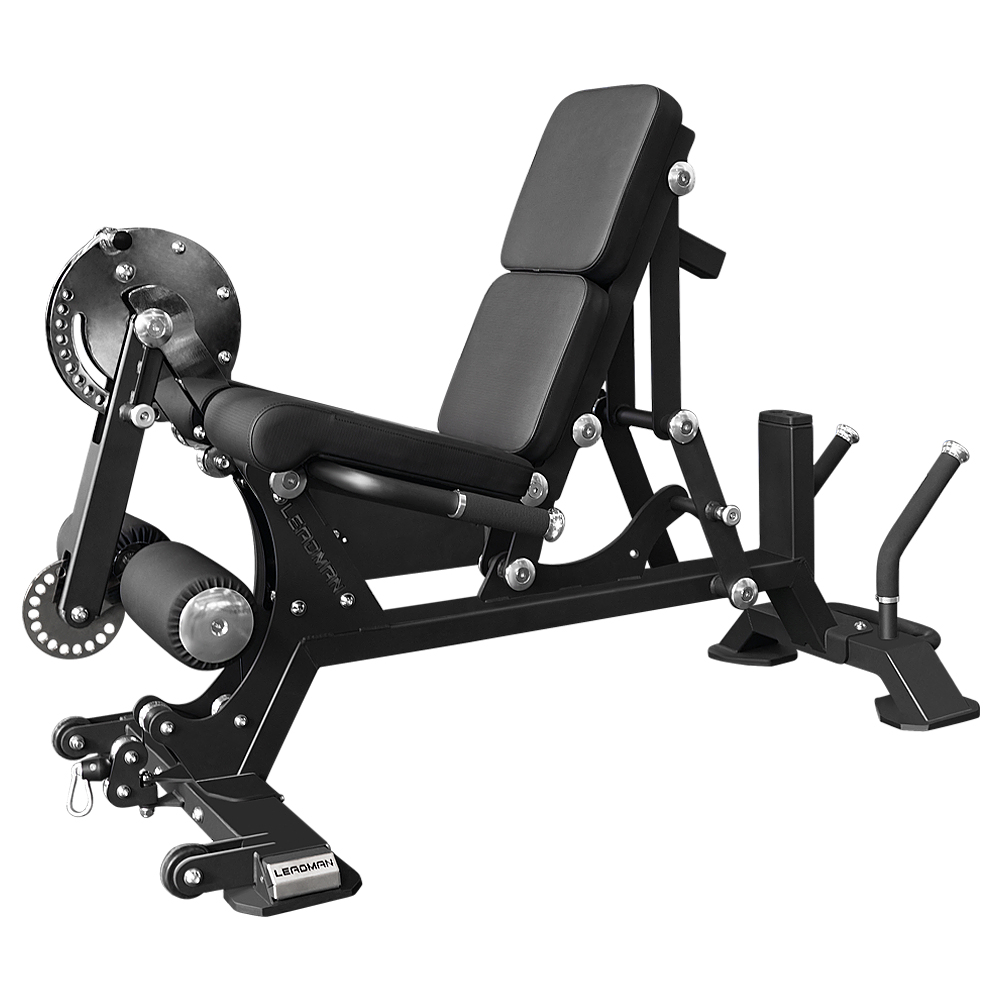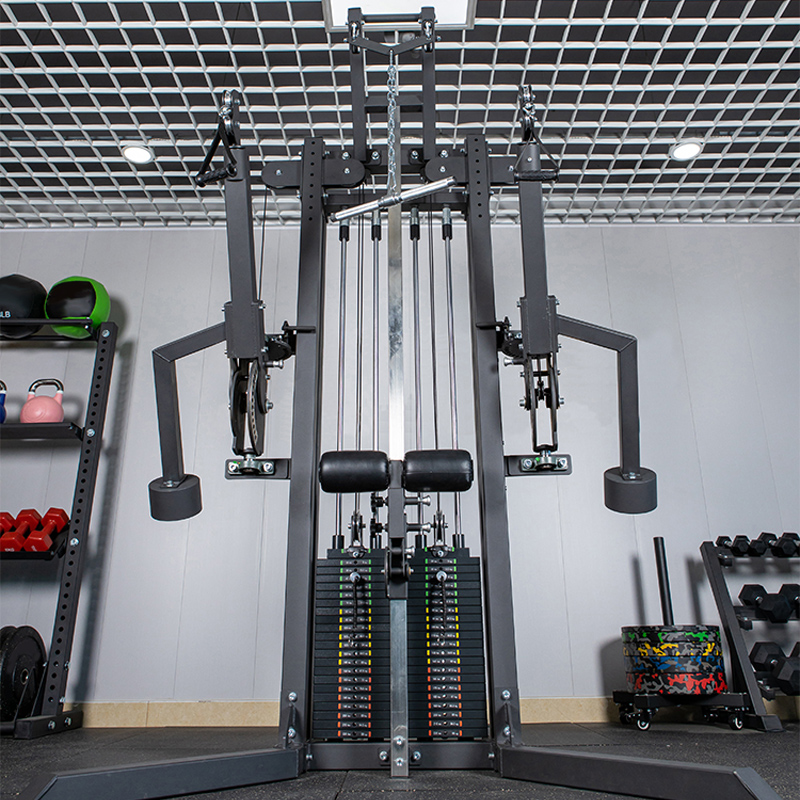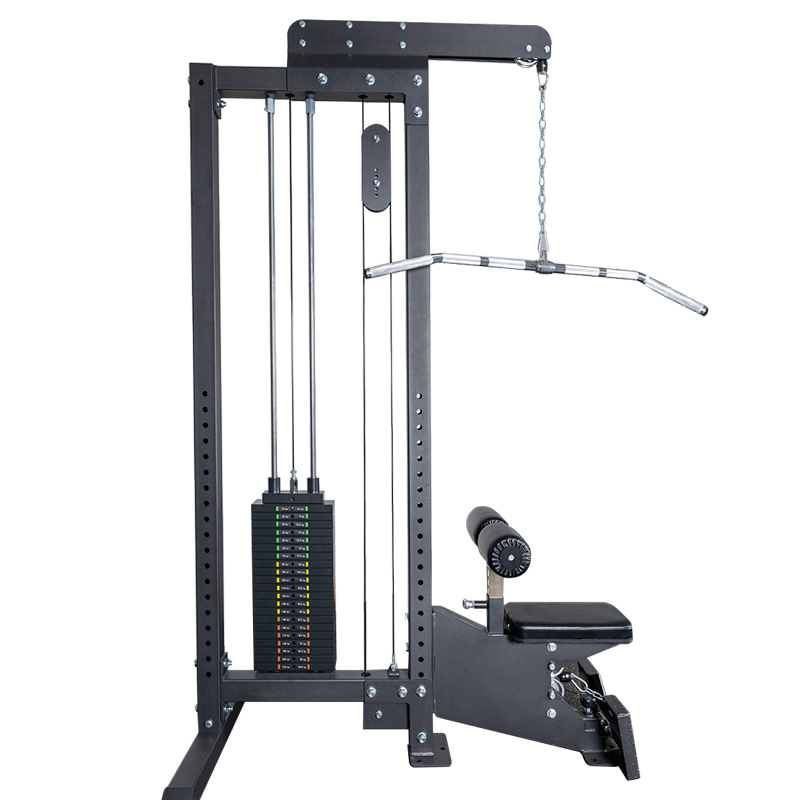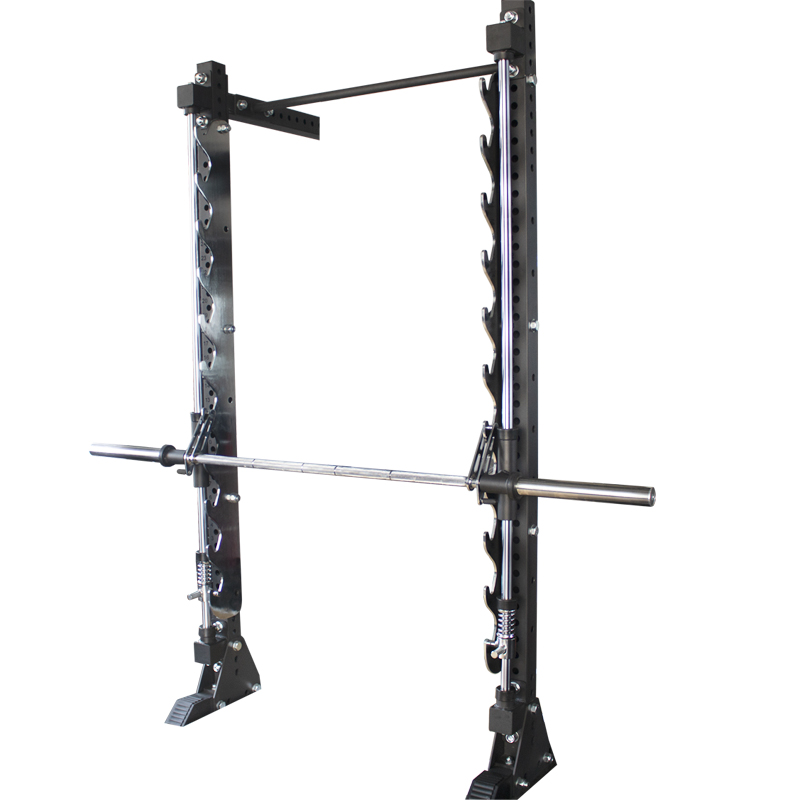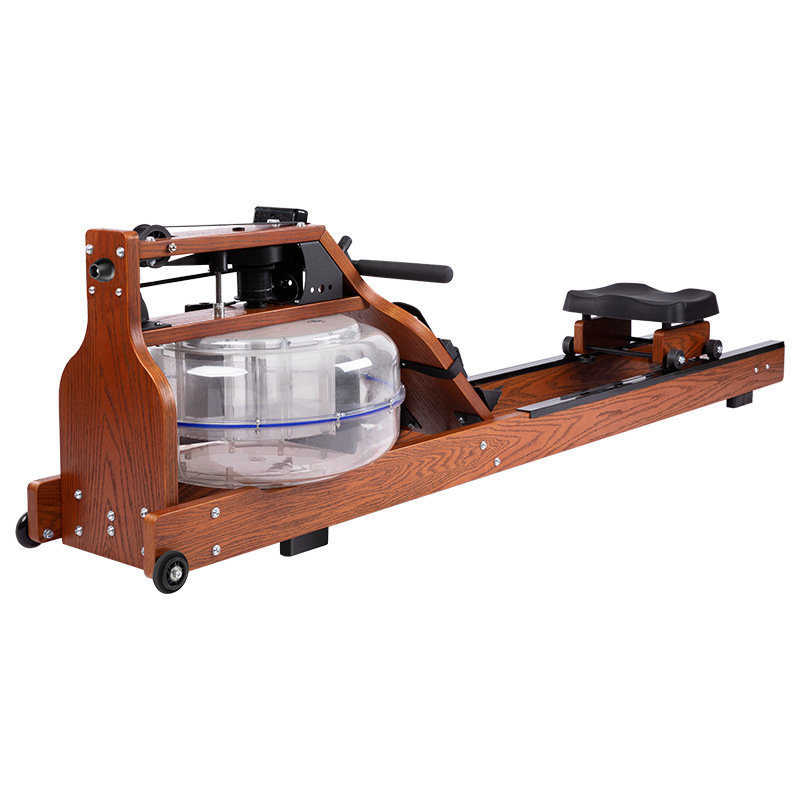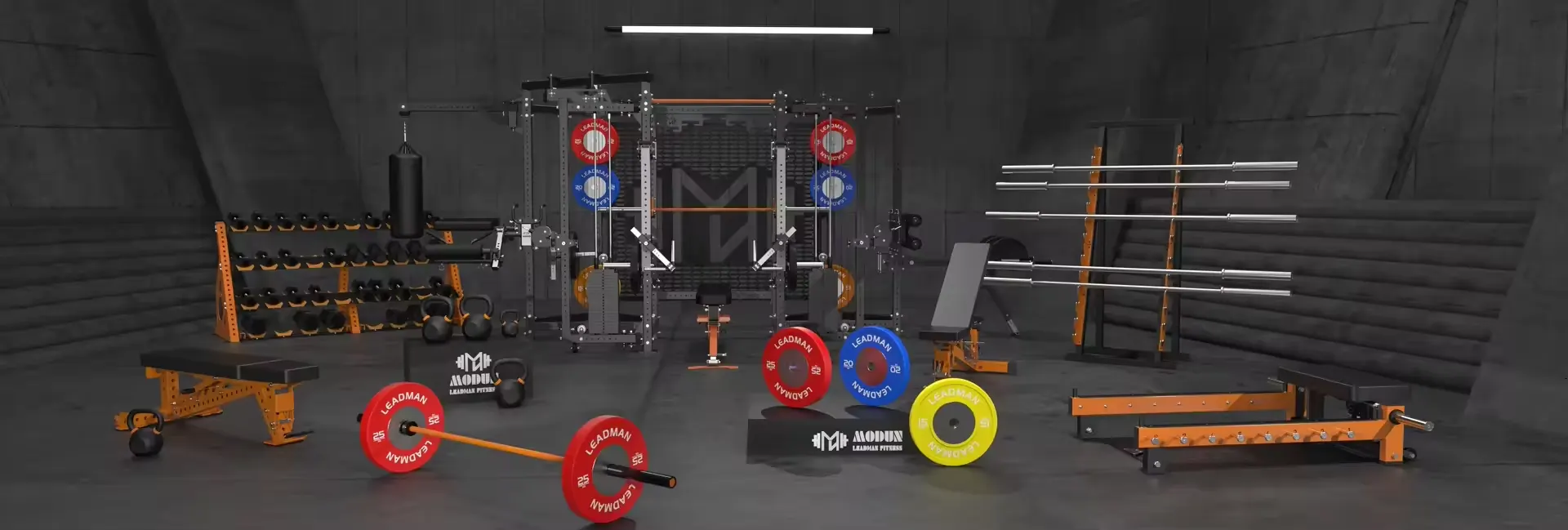
The modern fitness industry has evolved far beyond the era of standalone benches and barbells, embracing a sophisticated ecosystem of integrated gym workout machines designed to deliver precise, targeted resistance across the full spectrum of human movement. These advanced systems represent the intersection of biomechanics, material science, and digital technology, offering users the ability to train with greater safety, efficiency, and measurable progress than ever before. The proliferation of cable-based systems, plate-loaded selectorized machines, and functional trainers has fundamentally reshaped how commercial facilities approach strength and conditioning programming. Facility operators recognize that a well-curated selection of commercial exercise machines serves not only as the primary attraction for members but also as a critical differentiator in an increasingly competitive market landscape.
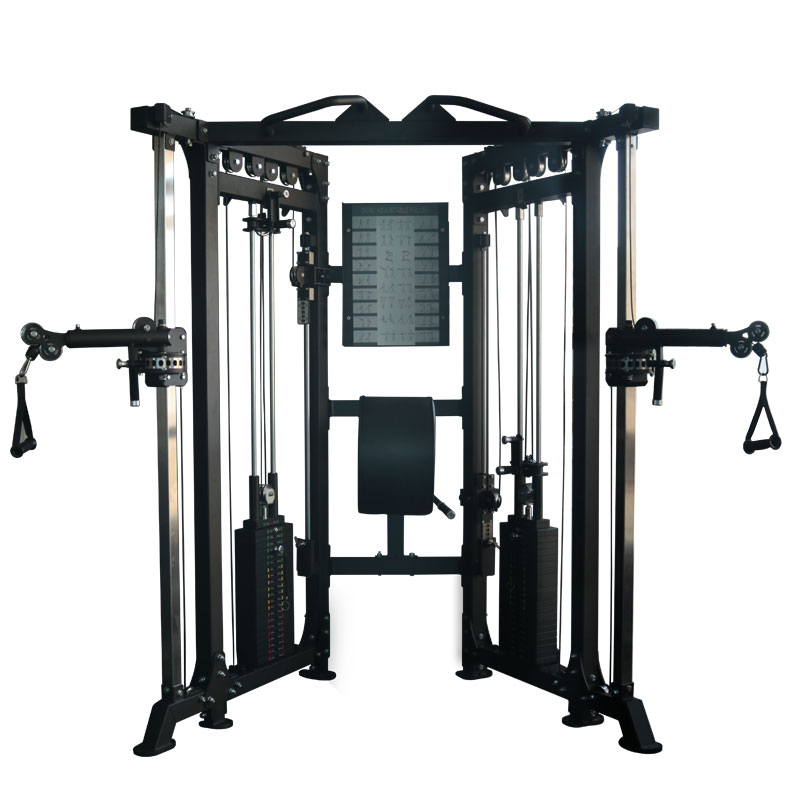
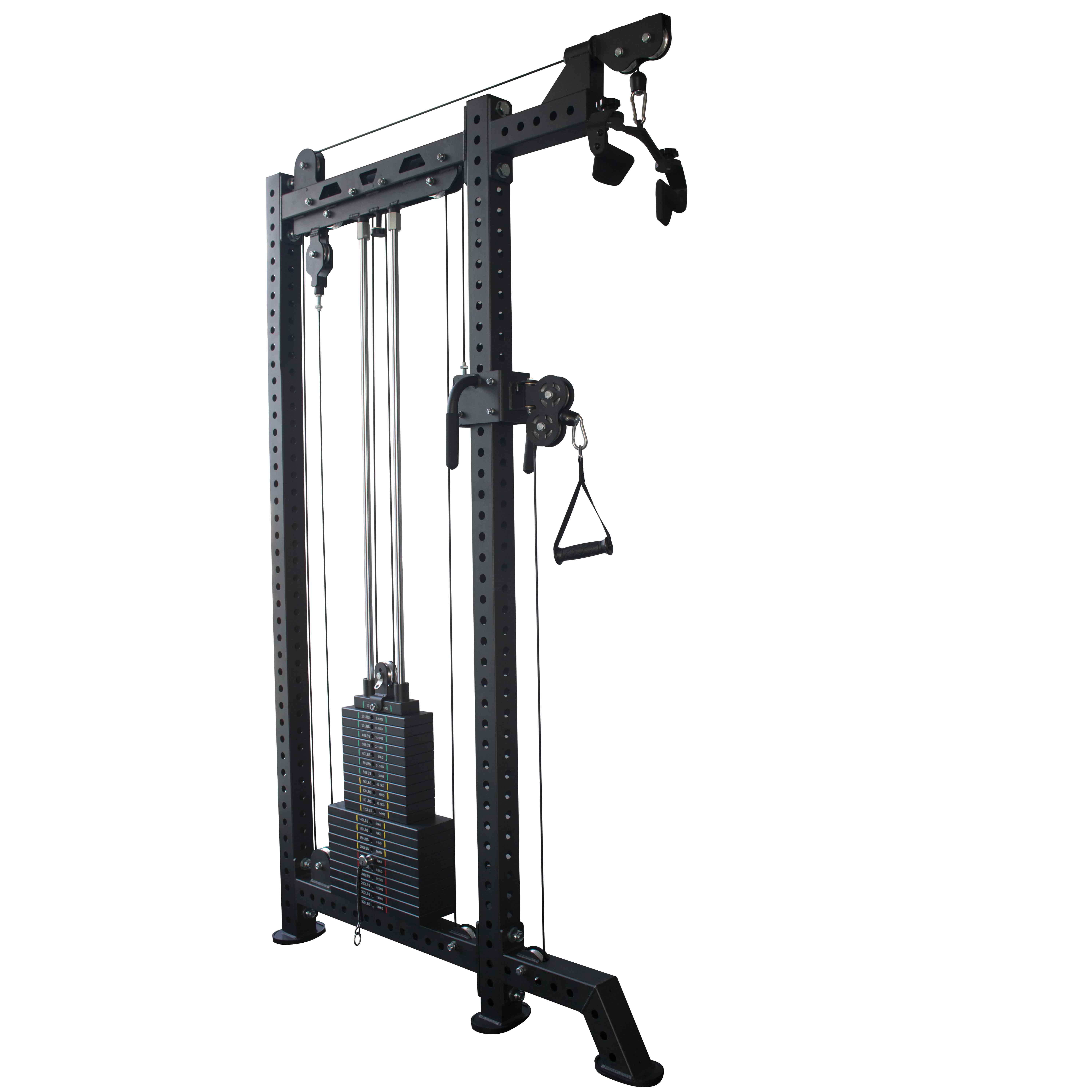
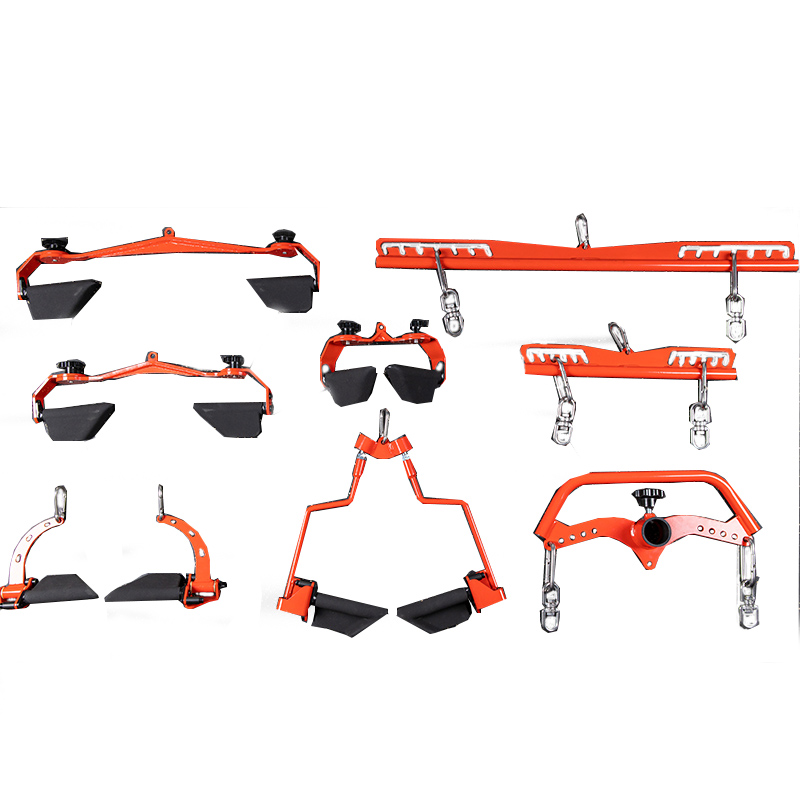
The technological sophistication behind strength training machines has advanced dramatically, with manufacturers employing precise cam designs and motion arcs that replicate natural joint movement patterns while maintaining consistent resistance throughout the range of motion. This biomechanical fidelity reduces stress on connective tissues and joints, allowing users to train with greater intensity and frequency than free-weight alternatives might permit. The integration of variable resistance profiles, such as eccentric overload and accommodating resistance, enables users to overcome sticking points and achieve more complete muscle fiber recruitment. Modern cable machines feature dual-adjustable pulleys that facilitate over 80 distinct exercise variations from a single station, dramatically improving space efficiency while offering unprecedented training versatility. These engineering breakthroughs ensure that the commercial gym equipment delivers both safety and results across diverse user populations.
Digital integration has emerged as the defining feature of next-generation fitness machine technology, transforming passive resistance equipment into interactive training platforms that capture, analyze, and display real-time performance metrics. Commercial-grade machines now incorporate sophisticated load sensors, motion tracking, and interactive displays that provide users with immediate feedback on power output, movement velocity, and muscle engagement. This data-rich environment enhances both motivation and training precision, enabling users to track progress objectively and adjust programming based on concrete metrics rather than subjective perception. For facility operators, this connectivity enables unprecedented equipment usage analytics, allowing for data-driven decisions on equipment acquisition, floor layout optimization, and staffing requirements. The gym machines of today thus serve dual functions: delivering effective workouts while generating actionable business intelligence.
The material engineering that defines commercial fitness equipment must withstand the relentless demands of high-traffic environments where equipment uptime directly correlates with member satisfaction and revenue. Leading manufacturers employ structural steel with precise gauge specifications, high-durability powder coatings, and industrial-grade moving components with sealed bearings and corrosion-resistant hardware. Upholstery systems utilize high-density foam cores encapsulated in antimicrobial, tear-resistant vinyl that resists cracking and fading despite repeated exposure to perspiration and cleaning agents. The pulley systems integrated into cable machines incorporate precision-engineered wheels and bearings that maintain smooth, quiet operation through millions of cycles. This commitment to material excellence ensures that gym workout equipment maintains its performance integrity and professional appearance over extended service life.
From a facility operations perspective, the strategic acquisition of commercial workout machines must account for footprint efficiency, user accessibility, and maintenance requirements to maximize return on investment. Modular cable systems that support multiple simultaneous users through independent weight stacks can reduce equipment density requirements by up to 40% compared to single-function stations. Plate-loaded and selectorized machines with intuitive adjustment mechanisms reduce the need for staff intervention, enabling users to self-serve and optimize their training sessions efficiently. Industry experts recommend investing in equipment from manufacturers with proven reliability, established service networks, and comprehensive warranty coverage to ensure that the equipment investment continues to deliver value over its lifecycle. A carefully considered equipment portfolio will serve as the operational foundation upon which a successful commercial fitness facility is built.
Let our experts design the perfect gym solution for your business. Get a free consultation and quote today.