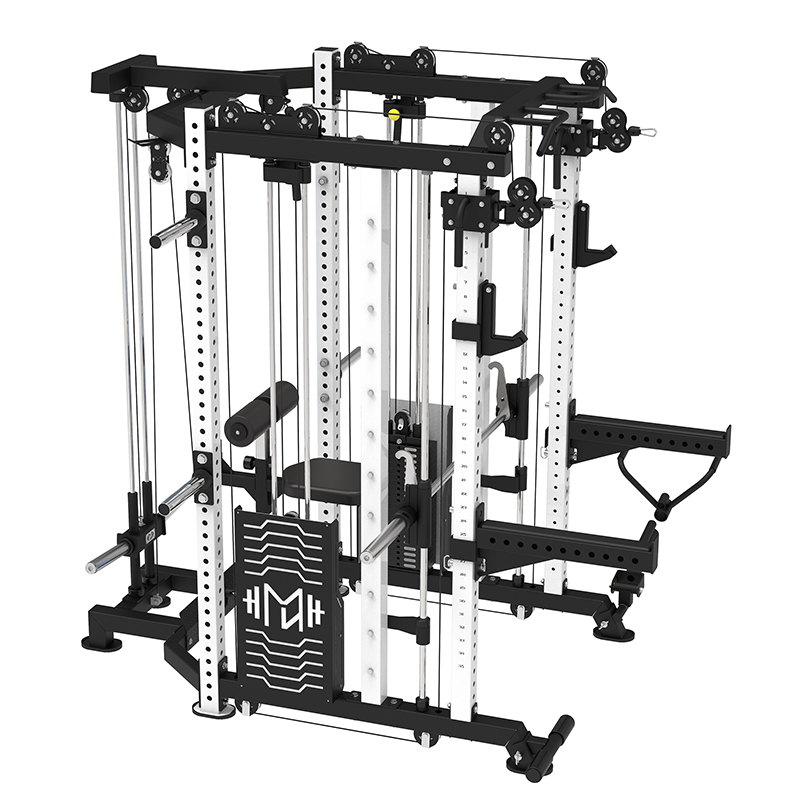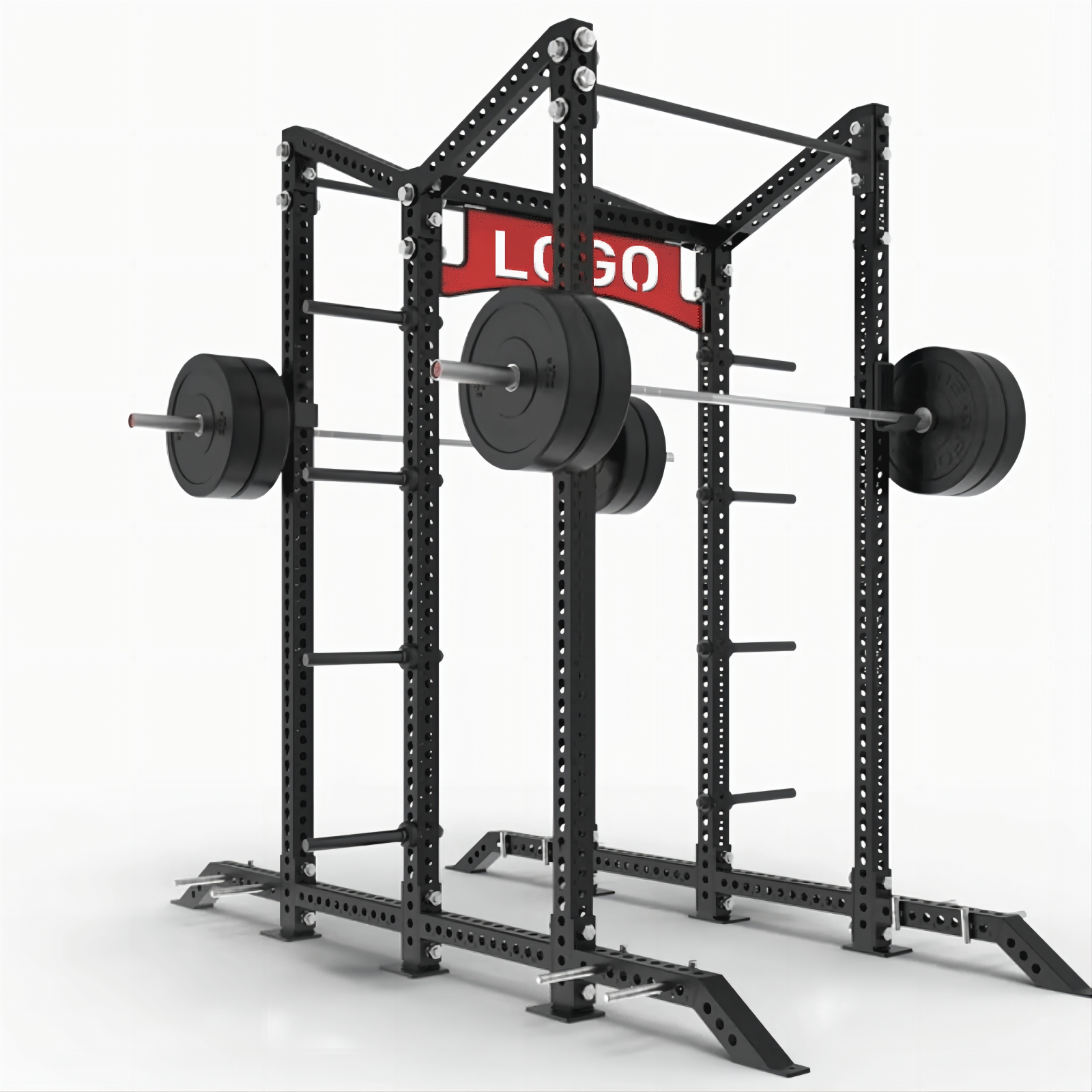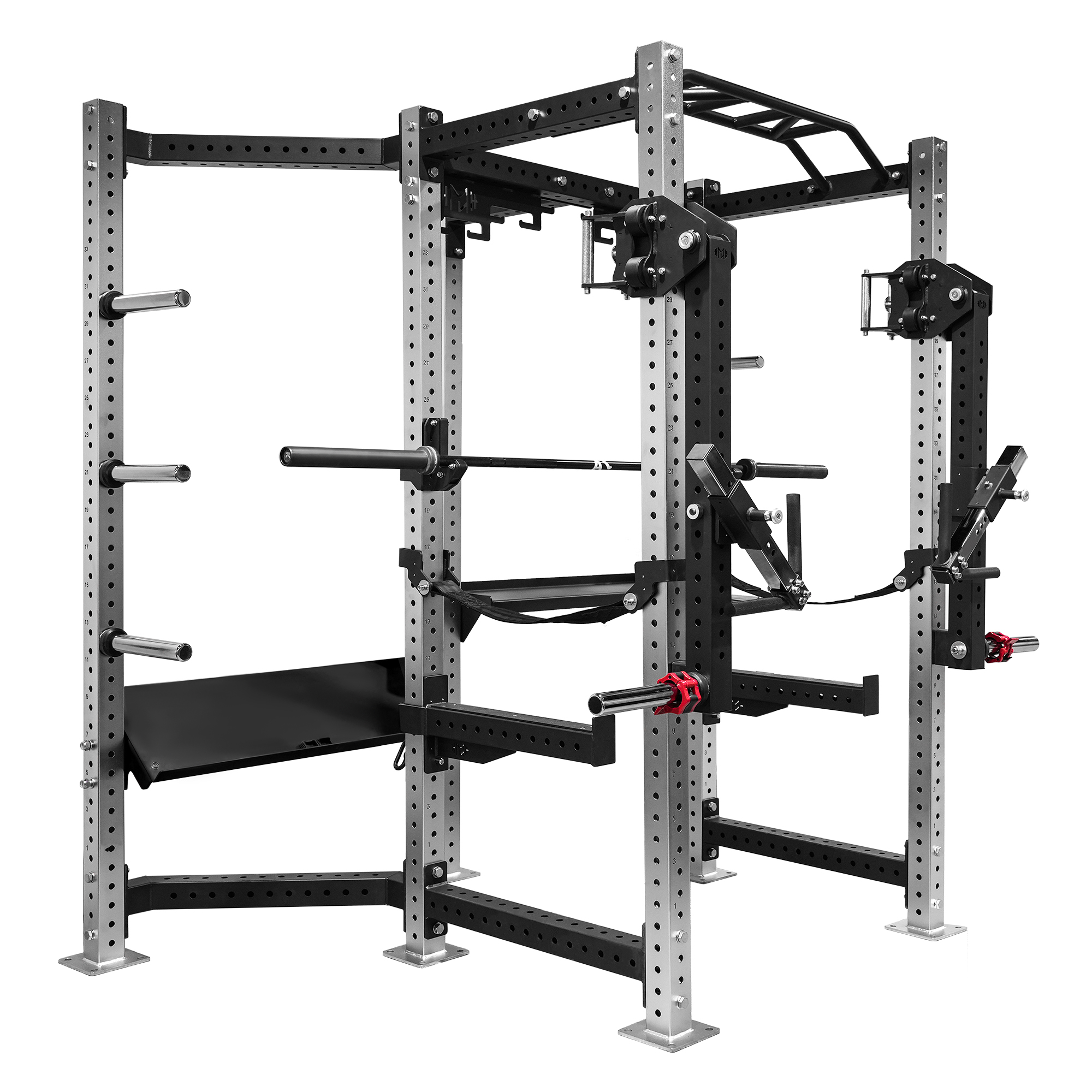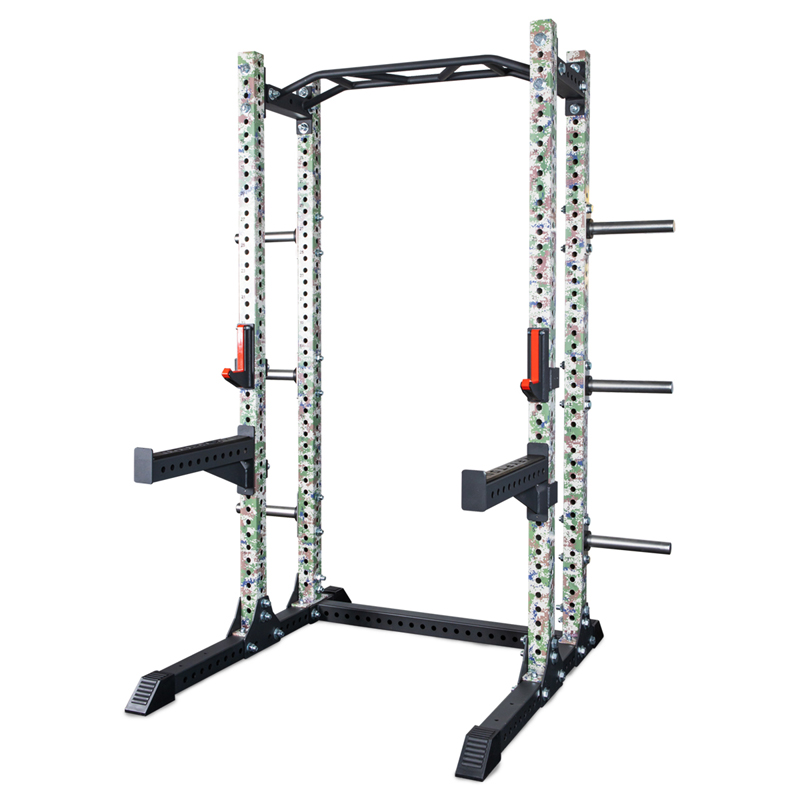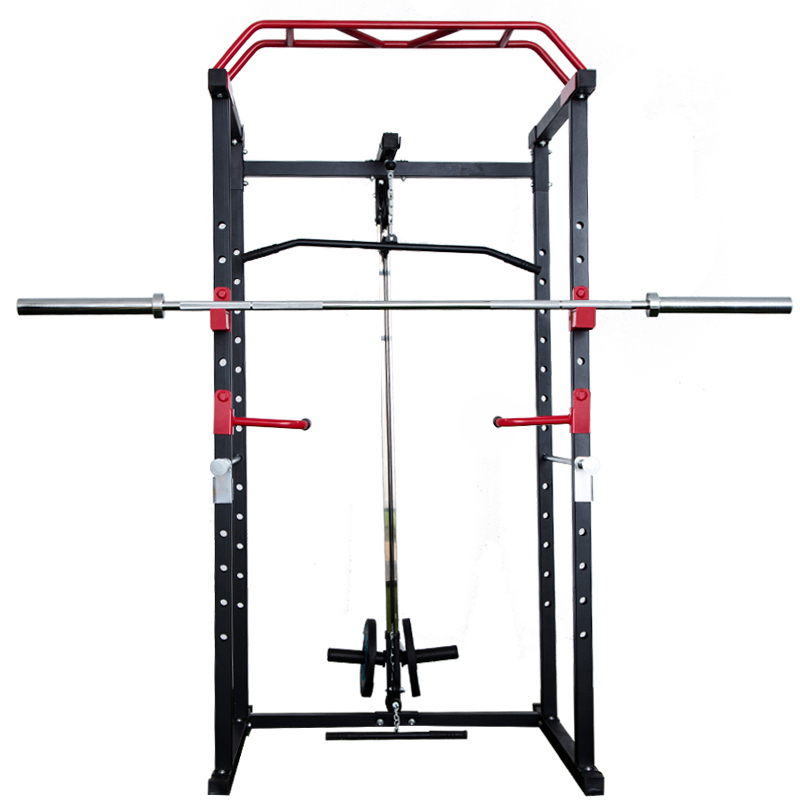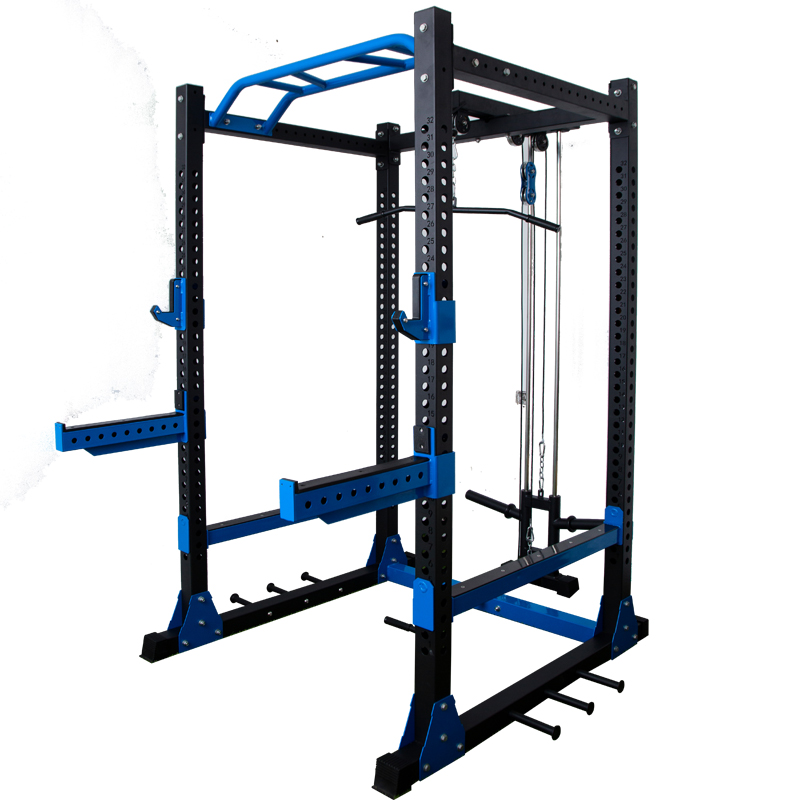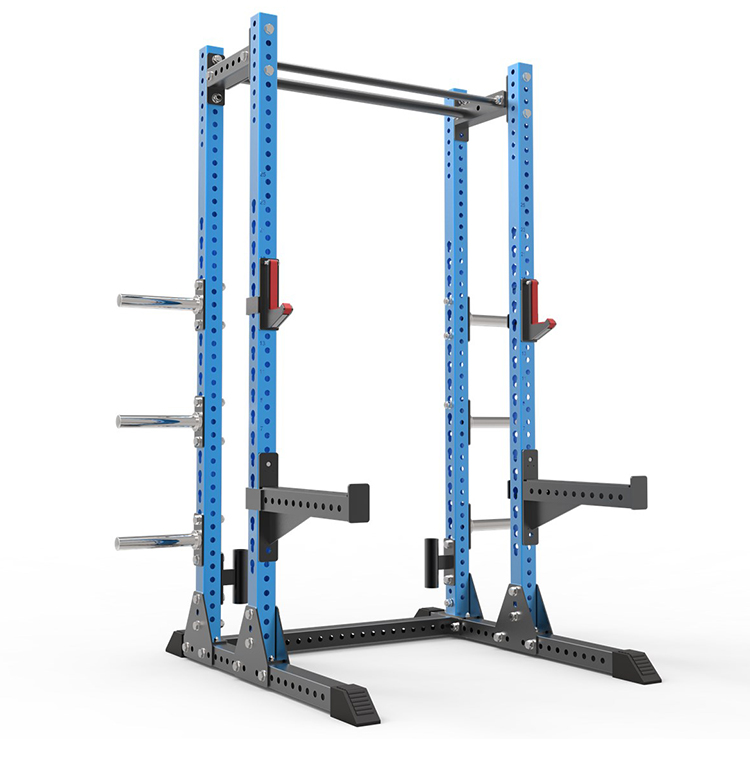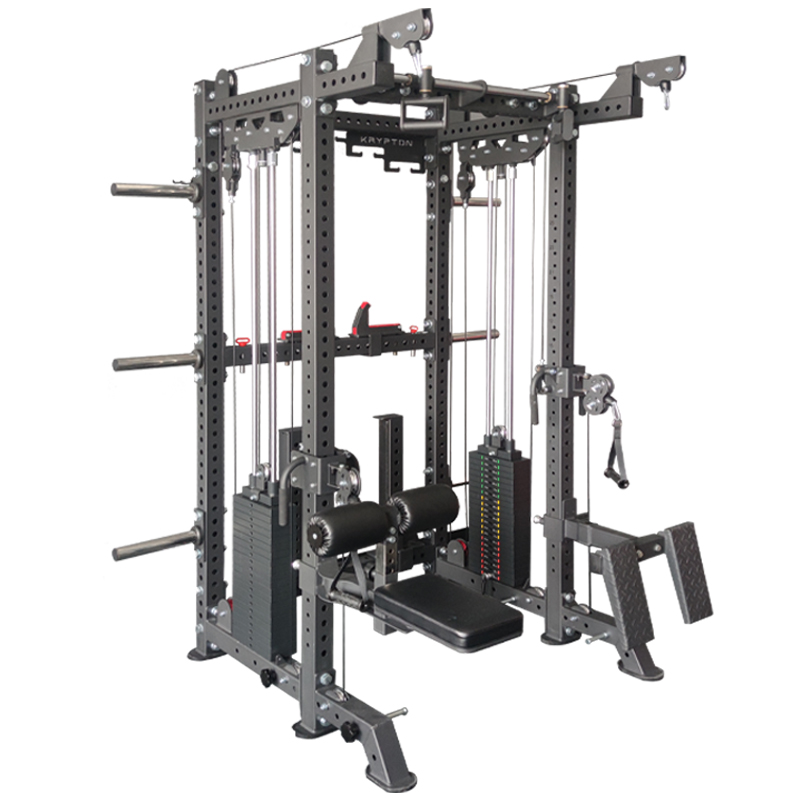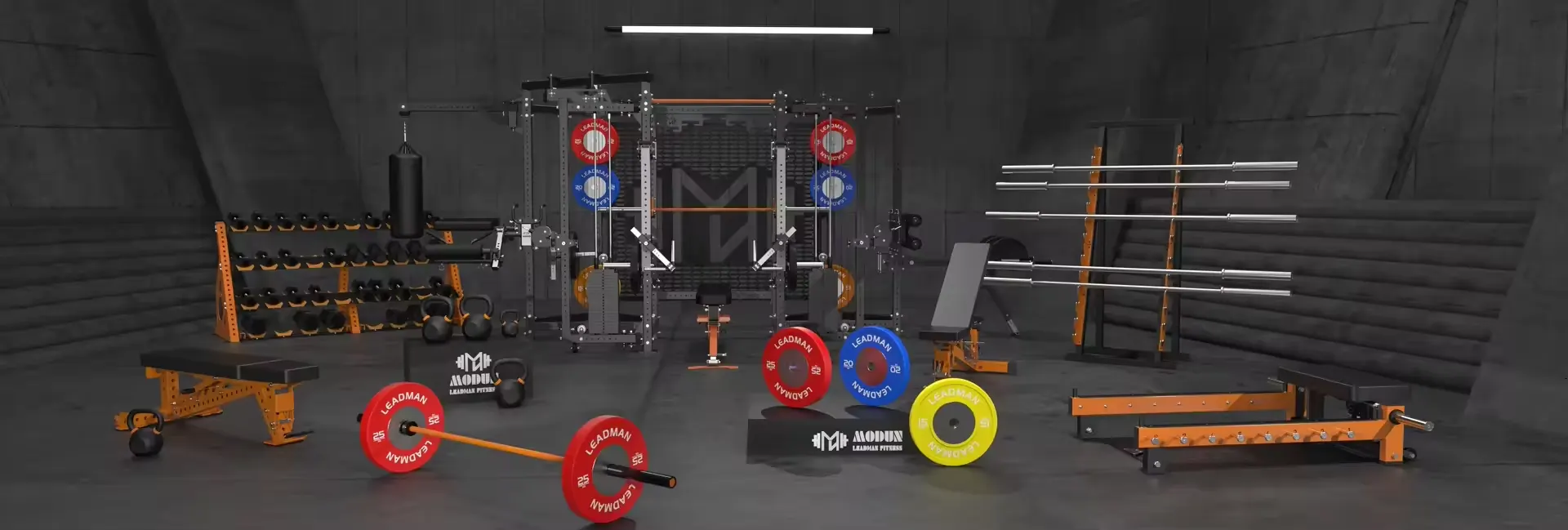
The gym Smith machine has become a staple in commercial fitness facilities, offering a guided barbell training experience that combines the functional benefits of free weight lifting with enhanced safety and accessibility. Unlike a standard barbell station, the Smith machine constrains the bar to vertical movement along fixed guide rods, enabling users to perform squats, bench presses, overhead presses, and rows without the stabilization demands inherent in free weight exercises. This design appeals to a broad spectrum of gym members, from beginners developing foundational strength to experienced lifters seeking supplemental training volume without the joint stress associated with heavy free weight work.
From an engineering standpoint, the performance of a gym Smith machine depends on the quality of its guidance system and the mechanical integrity of its frame. Premium commercial Smith machines utilize linear bearings that travel on hardened steel guide rods, delivering smooth, friction-minimized motion that maintains the bar's vertical alignment throughout the exercise range. Bushing-based systems, commonly found in lower-cost units, tend to develop uneven wear patterns over time, compromising both smoothness and bar stability. The counterbalance mechanism—typically a pulley-and-weight arrangement that reduces the bar's apparent weight to approximately 15-20 pounds—is a defining feature of commercial-grade Smith machines, enabling users to start exercises without wrestling against the full bar weight. Additionally, the machine's safety stops, which lock into place at user-specified heights, provide reliable protection against failed lifts, making the Smith machine an attractive alternative to squat racks for members training without spotters.
For facility operators, the gym Smith machine offers measurable operational advantages beyond its functional training capabilities. Unlike barbell stations that require significant floor space for loading and spotting, Smith machines have a compact footprint that maximizes equipment density in strength zones. The guided vertical plane reduces the risk of the bar drifting forward or backward, which in turn reduces the likelihood of plate collisions with adjacent equipment. Maintenance considerations include periodic inspection of guide rods for wear, cable tension adjustments, and lubrication of the bearing carriage; these routine procedures are typically less demanding than the ongoing maintenance required for free weight stations. With commercial usage patterns, the Smith machine consistently ranks among the highest-utilized pieces of strength equipment, justifying its inclusion in most facility equipment matrices.
Let our experts design the perfect gym solution for your business. Get a free consultation and quote today.