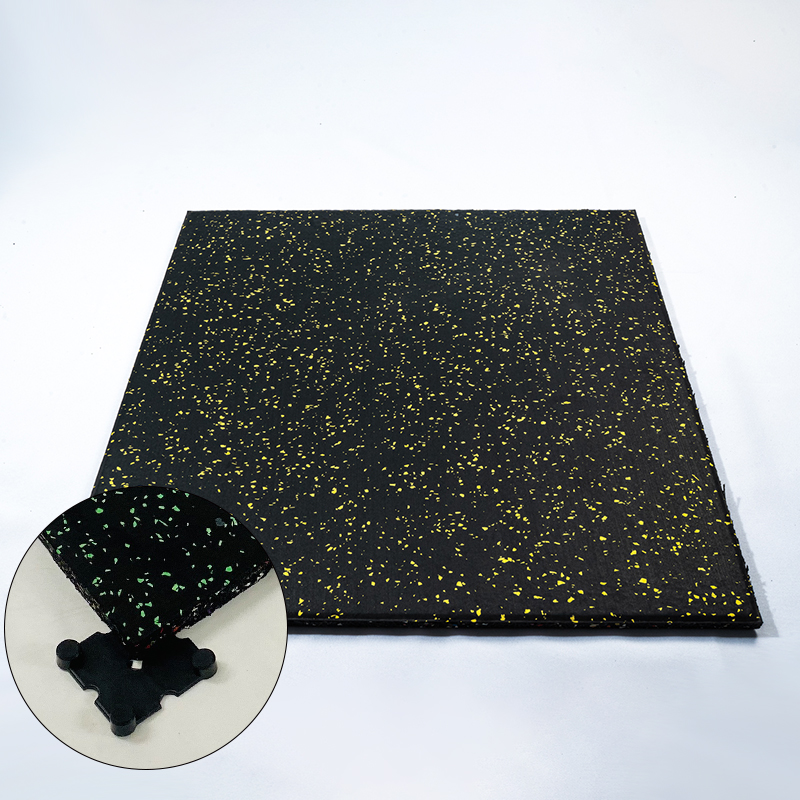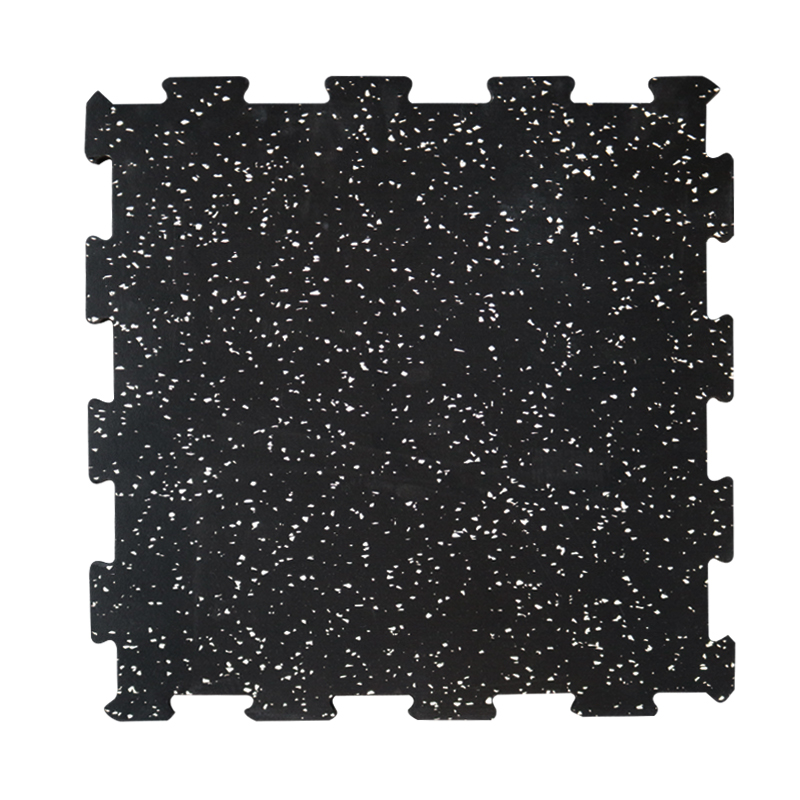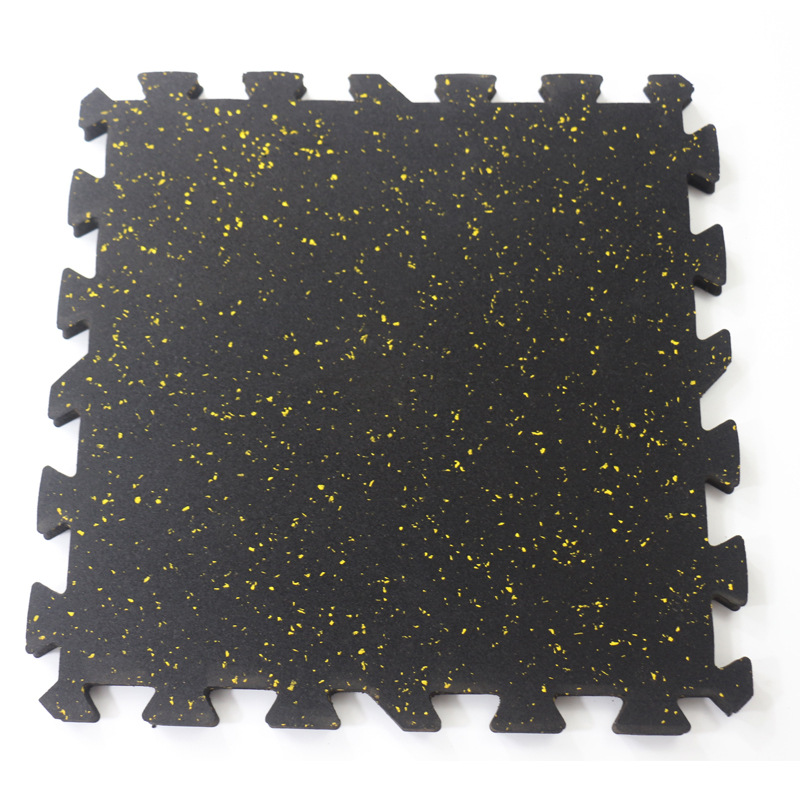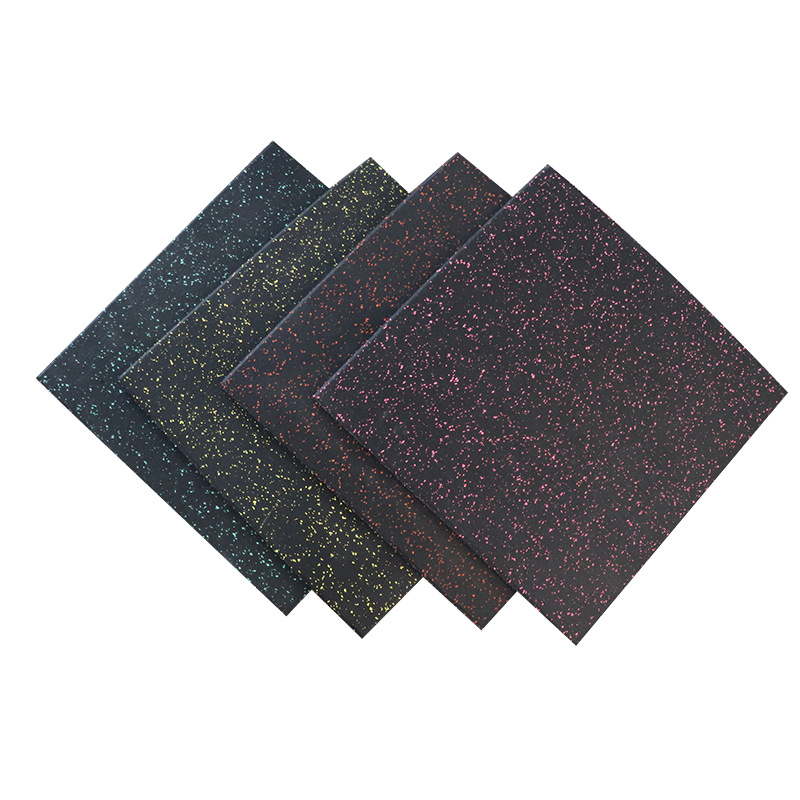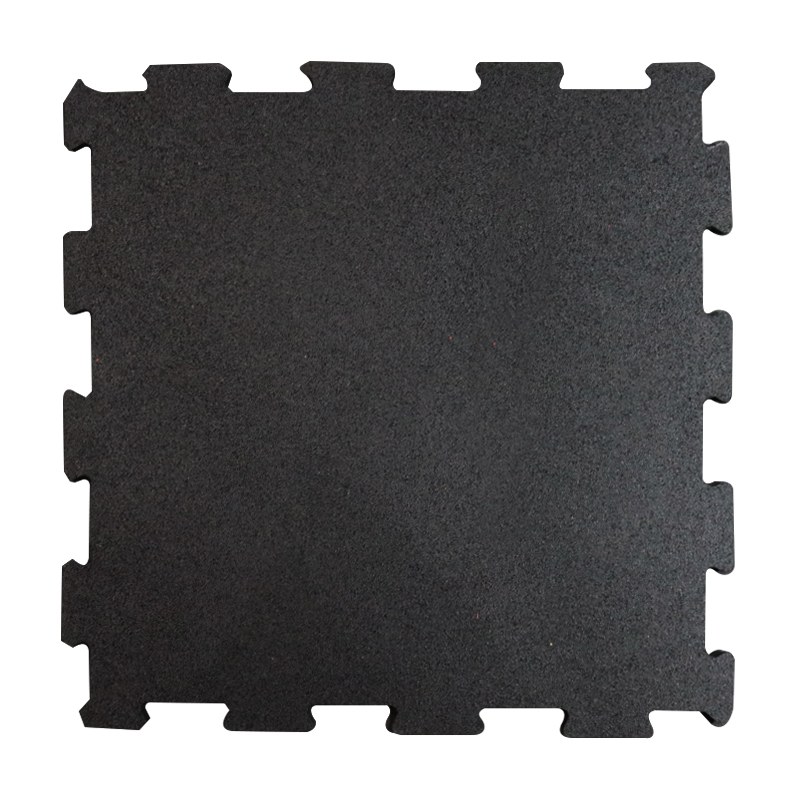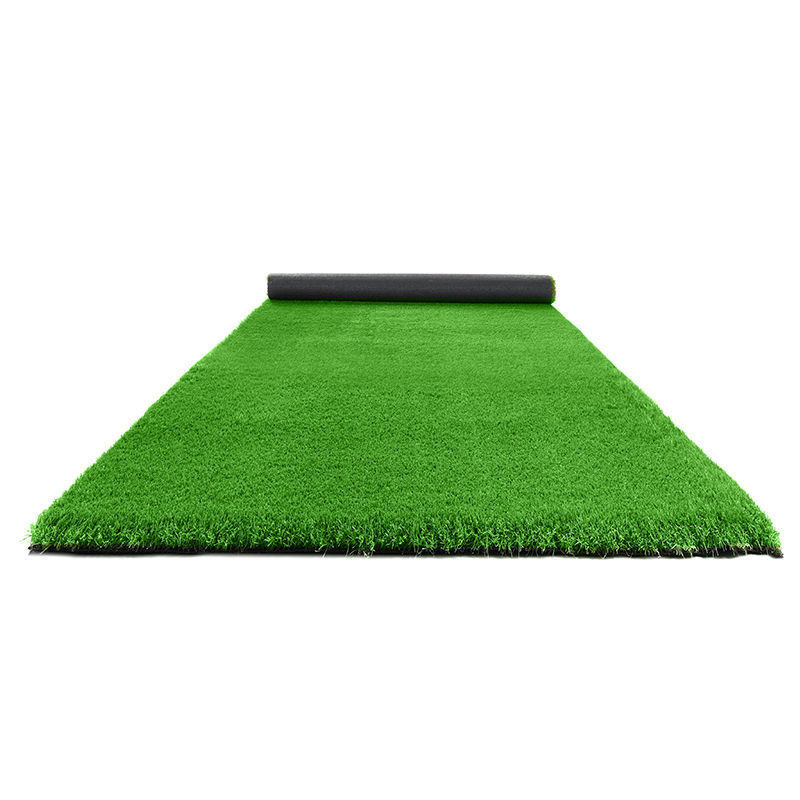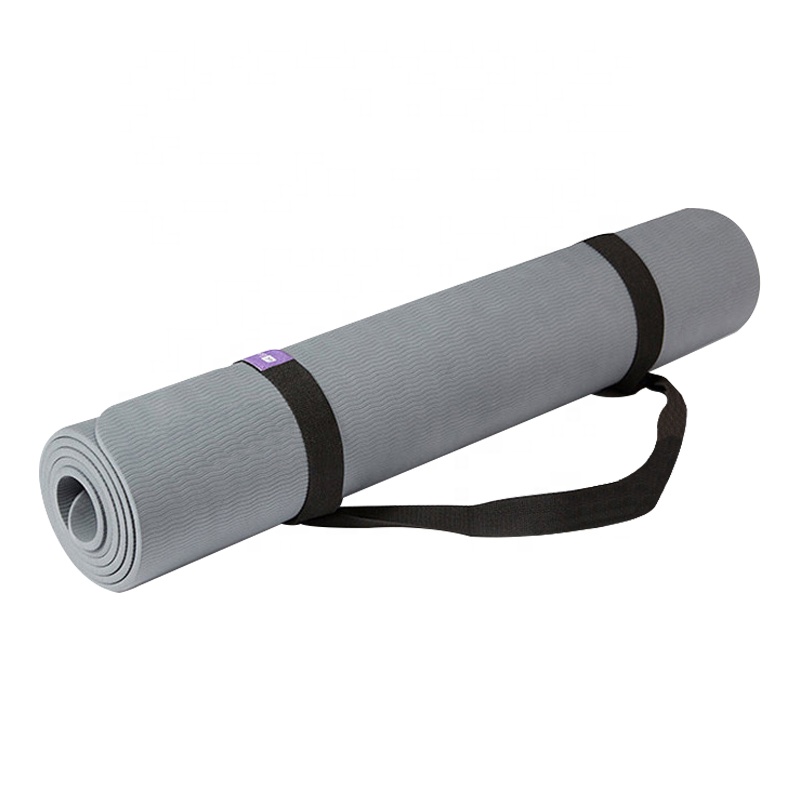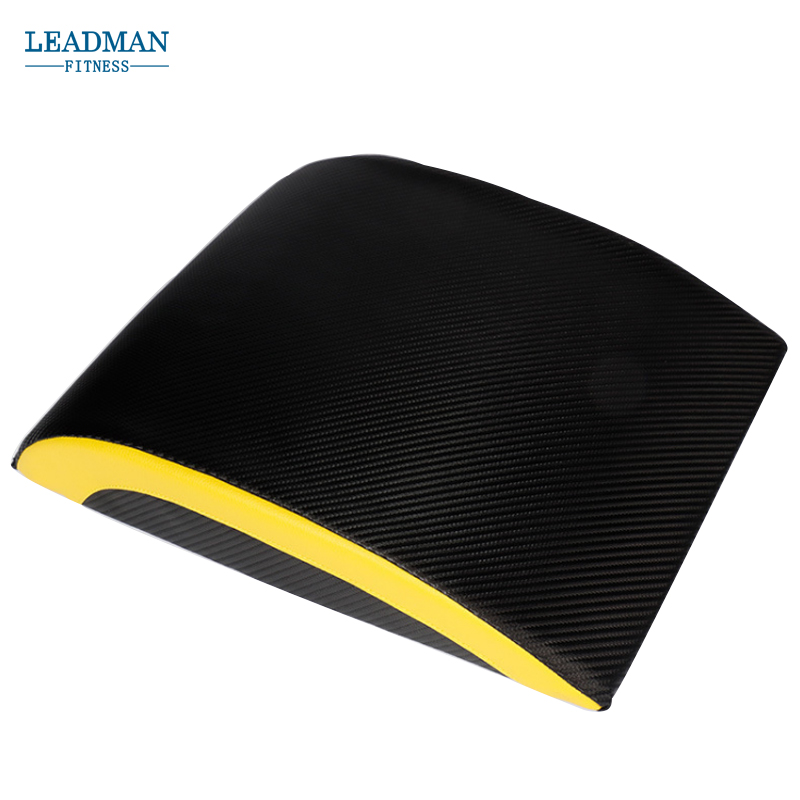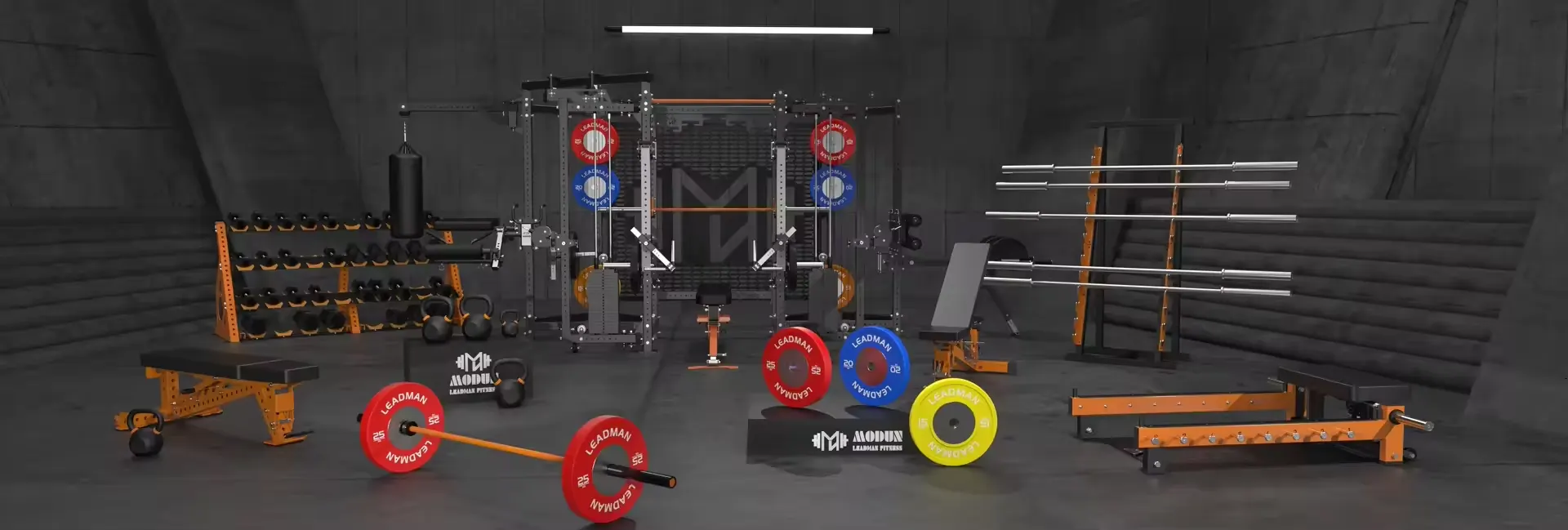
In the architecture of a professional fitness facility, the flooring often serves as the unsung foundation of safety, performance, and longevity. Gym mats are far more than a simple surface to stand on; they represent a critical investment in athlete protection, equipment preservation, and acoustic management. From the heavy rubber tiles that absorb the shock of dropped barbells in the weightlifting area to the interlocking foam tiles that cushion joints during yoga and bodyweight exercises, the right matting solution is essential to creating a functional, durable, and user-friendly environment that supports diverse training modalities.
The engineering behind high-performance gym mats is defined by the material composition and density, which determine their shock-absorbing properties and resilience. Premium mats are typically manufactured from virgin rubber or high-density EVA foam, each offering distinct advantages. Rubber mats excel in high-impact zones due to their exceptional durability and ability to withstand repeated drops of heavy weights, protecting the subfloor from damage. Conversely, EVA foam provides superior comfort and insulation from cold floors, making it ideal for stretching, pilates, and martial arts areas. The selection of an appropriate mat type must align with the specific activities and intensity levels planned for each zone within the facility.
One of the primary functional benefits of commercial-grade gym mats is their role in injury prevention. By providing a non-slip, stable surface, mats reduce the risk of slips and falls, which are common causes of gym-related injuries. Additionally, the cushioned surface mitigates the impact on joints during high-impact activities such as plyometrics or running, allowing athletes to train more frequently and with less discomfort. This is particularly valuable in facilities that cater to a wide demographic, including older adults or those in rehabilitation, as it enables a safer and more comfortable exercise experience for all users.
Acoustic management is another critical function often overlooked. In a busy commercial gym, the noise generated by dropping weights, treadmills, and group classes can create an unpleasant and disruptive environment. High-density rubber mats are effective sound barriers, absorbing impact noise and reducing sound transmission to adjacent areas. This acoustic dampening is especially important in multi-story buildings or facilities located in mixed-use areas, where noise complaints can be a significant concern for gym operators.
The aesthetic dimension of gym mats also contributes to the overall branding and atmosphere of a fitness facility. Available in a wide range of colors, textures, and finishes, mats can complement the gym's interior design, creating a cohesive and professional look. For instance, a sleek black rubber floor conveys a sense of industrial toughness and durability, while a vibrant, color-coded interlocking tile system can delineate different training zones, enhancing both the visual appeal and the functional organization of the space.
The maintenance of gym mats is straightforward, yet essential for hygiene and longevity. Regular sweeping and damp mopping with a mild disinfectant solution helps prevent the buildup of bacteria and odors. For rubber mats, using a rubber-safe cleaner will preserve the surface integrity and prevent drying or cracking. By adhering to a consistent maintenance schedule, facility managers can ensure that their investment remains attractive and functional for many years, providing a clean and safe environment for their clients.
Ultimately, investing in high-quality gym mats is a strategic decision that enhances the operational excellence of a fitness facility. By prioritizing safety, comfort, acoustics, and aesthetics, gym operators can differentiate their facility, attract a broader clientele, and cultivate a reputation for quality and professionalism that drives long-term success.

Let our experts design the perfect gym solution for your business. Get a free consultation and quote today.