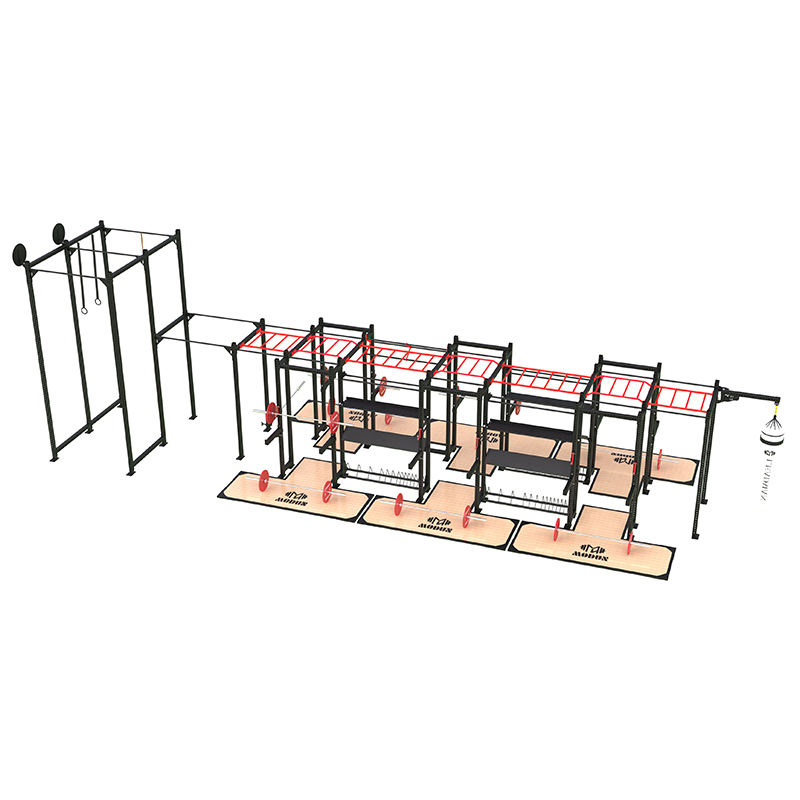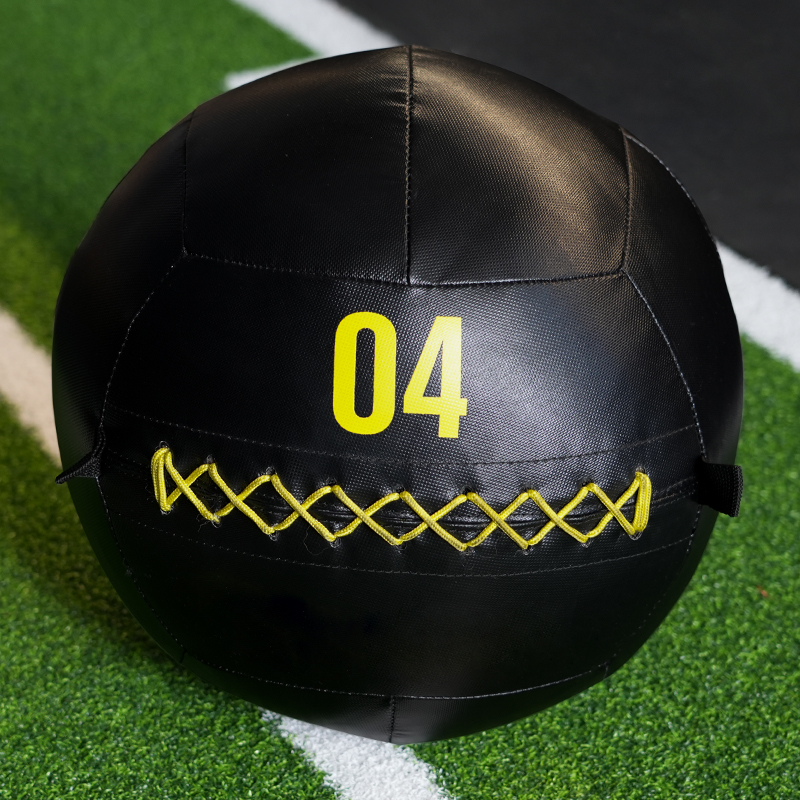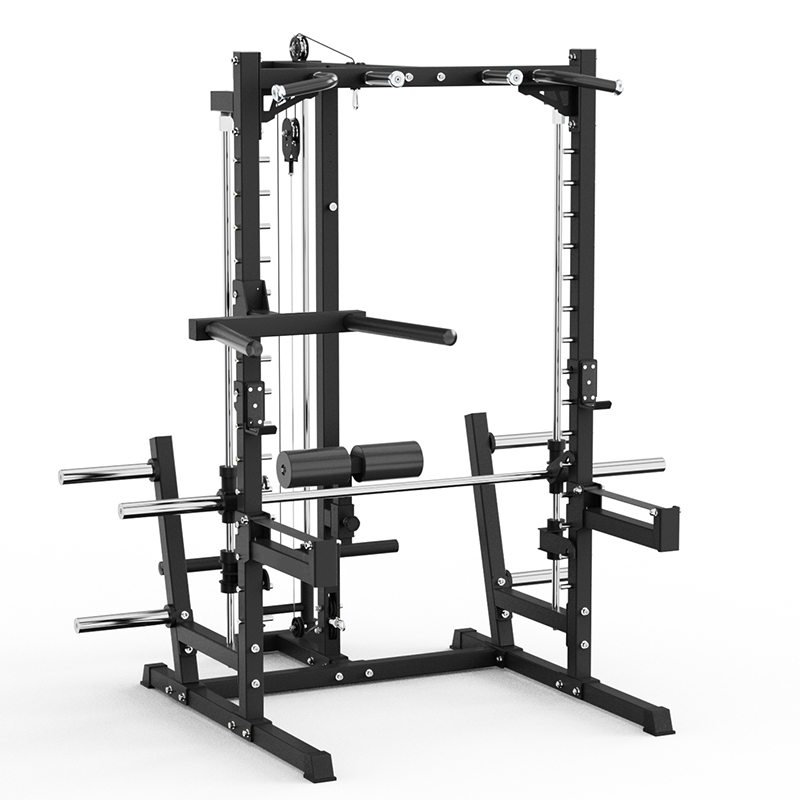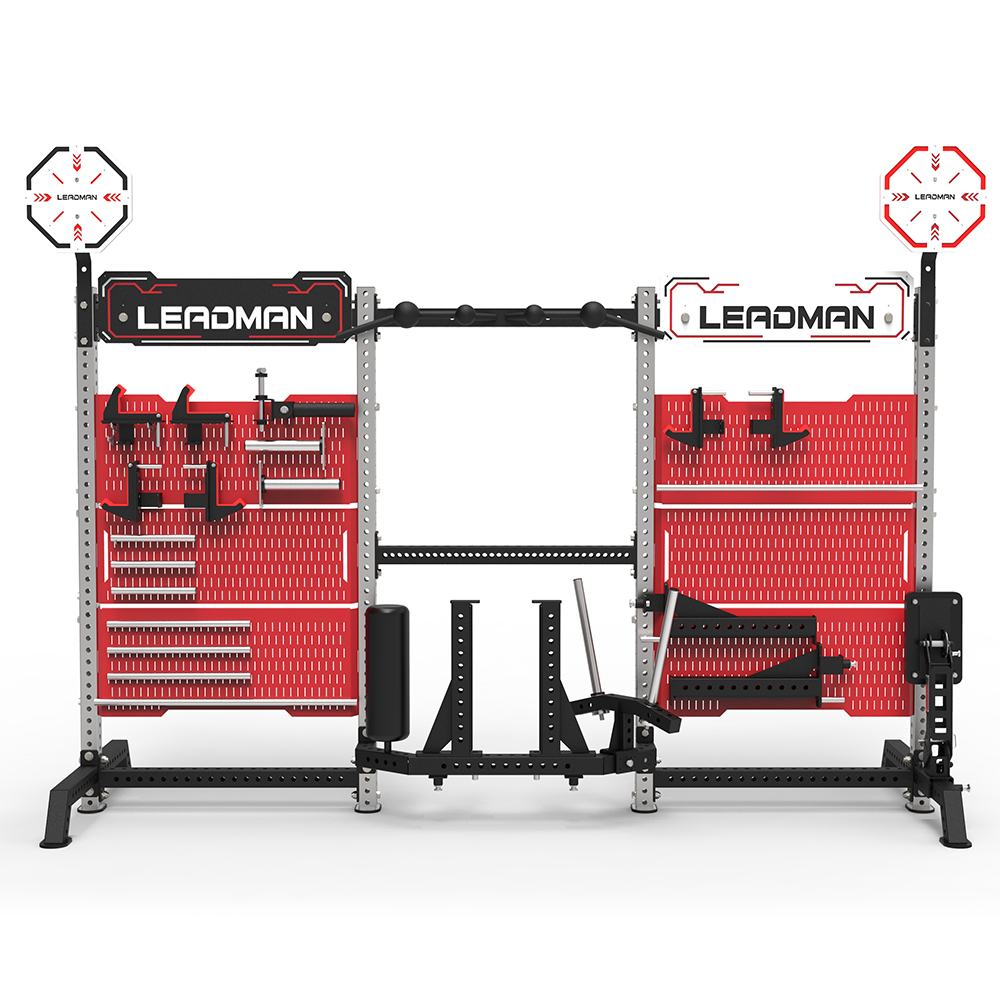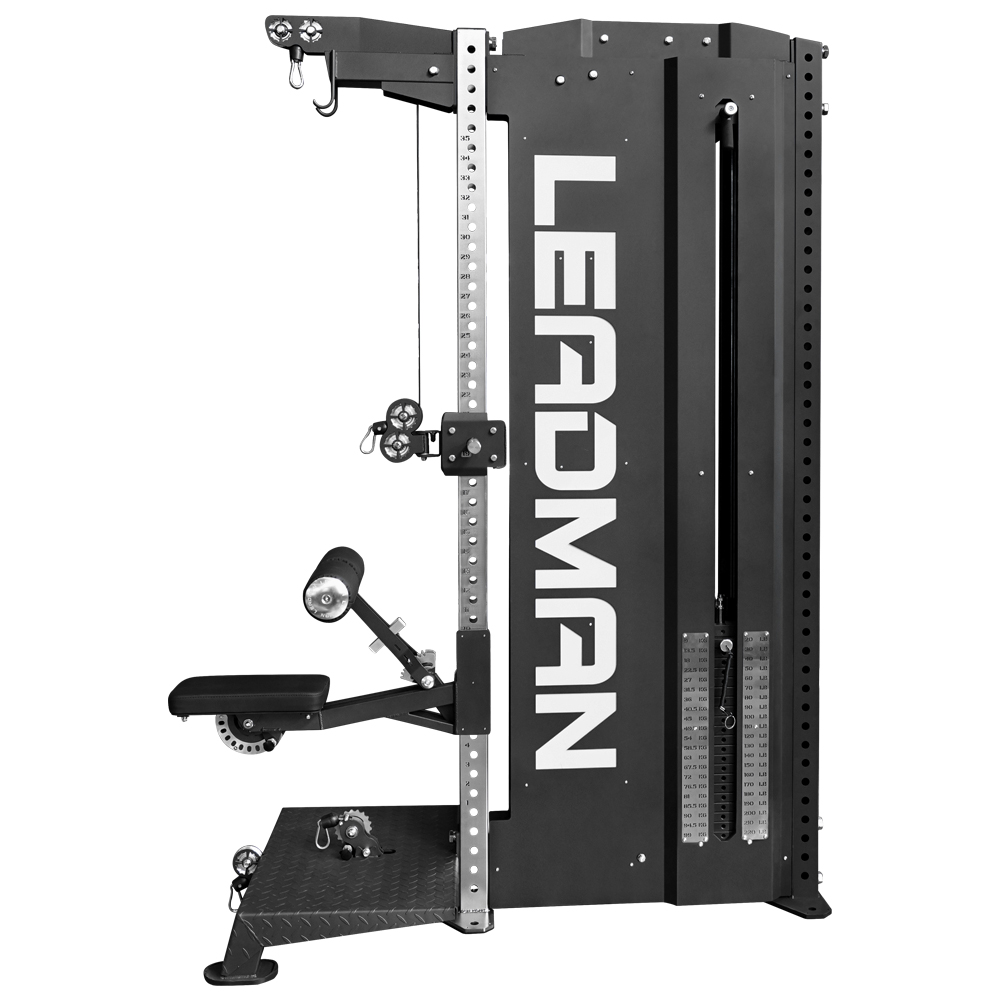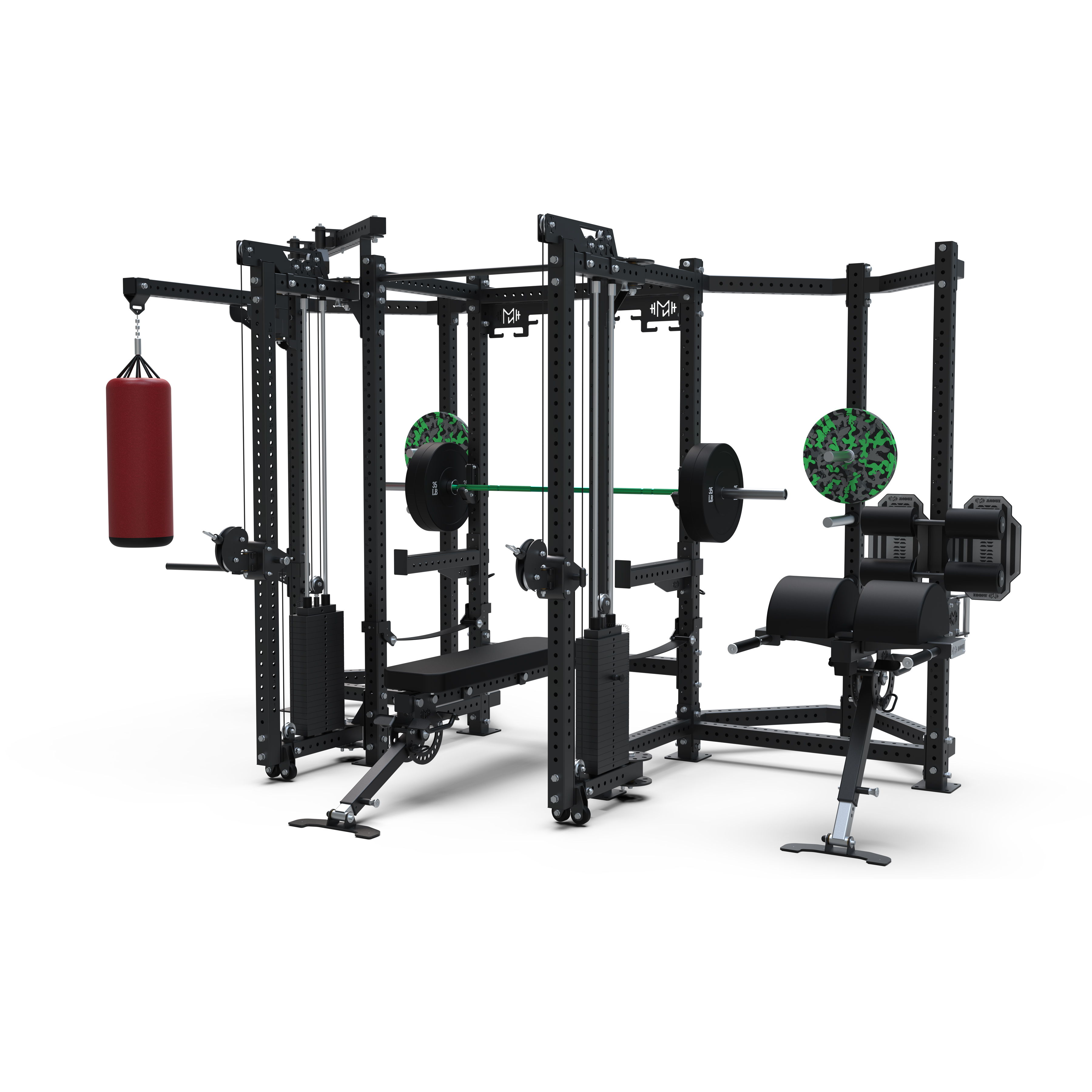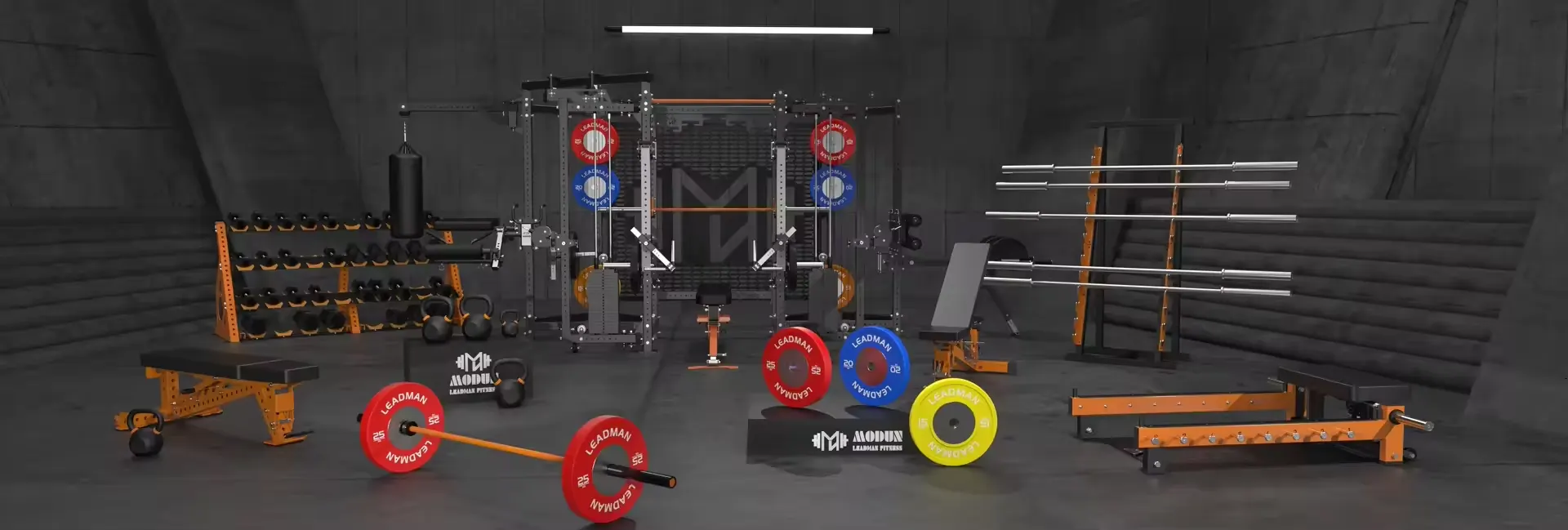
Functional training prioritizes movement patterns over isolated muscle groups, using multi-planar, multi-joint exercises to improve real-world performance. Unlike bodybuilding split routines, functional training integrates stability, mobility, and coordination into resistance work. Equipment includes cable columns, suspension trainers (TRX), kettlebells, medicine balls, and balance tools. The biomechanical basis is proprioceptive enrichment—challenging the nervous system to stabilize joints under unpredictable loads. Commercial facilities now dedicate zones to functional training with turf flooring, rigs, and open space. For athletes, functional training reduces injury rates by strengthening deceleration and rotational control. For general populations, it improves activities of daily living (ADLs) like carrying groceries or climbing stairs. Programming emphasizes compound movements: chops, lifts, carries, presses, and rotations. Unlike selectorized machines with fixed paths, functional training requires the user to control resistance through free motion, increasing core activation by 30-50% compared to seated machine work. Facility owners should allocate 20-30% of floor space to functional zones, using 3/4″ rubber tile or turf over shock-absorbing underlayment. Key metrics for success include exercise variety (200+ possible movements per cable column) and member retention (functional training areas show 25% lower churn in demographic studies).
Let our experts design the perfect gym solution for your business. Get a free consultation and quote today.