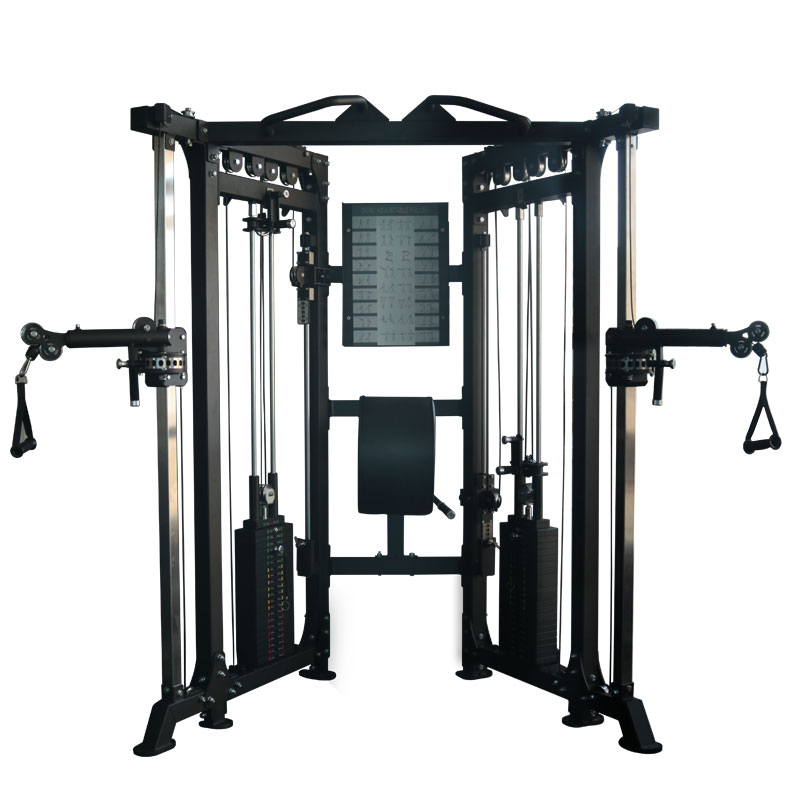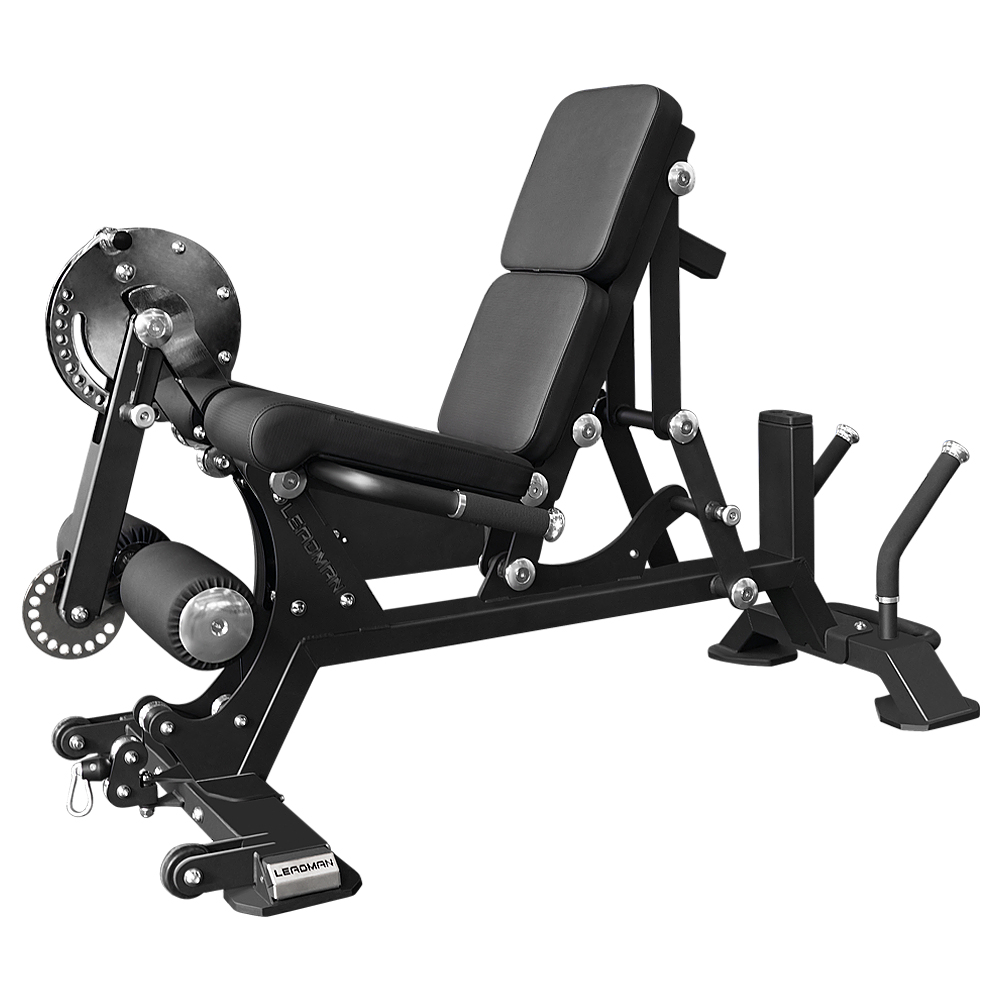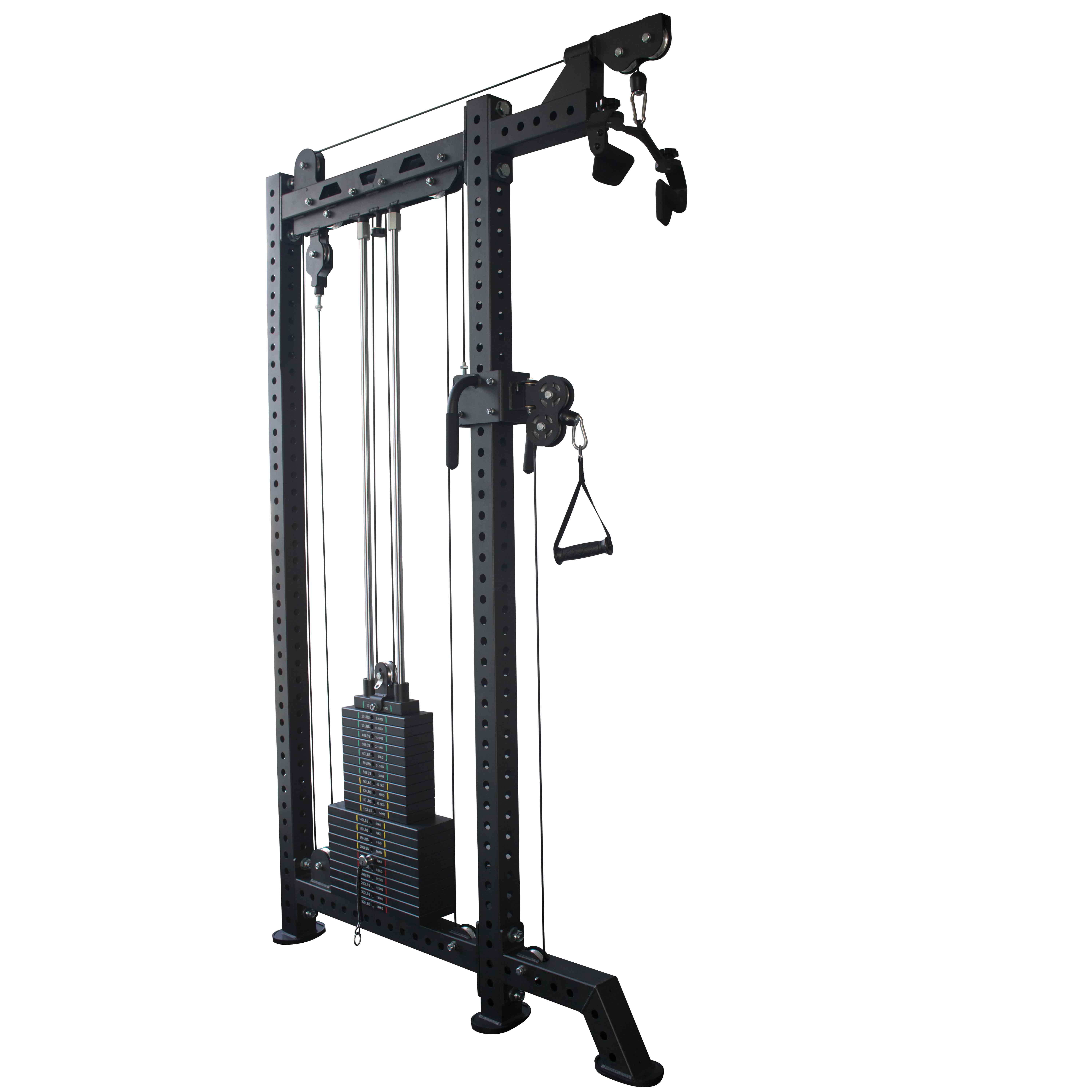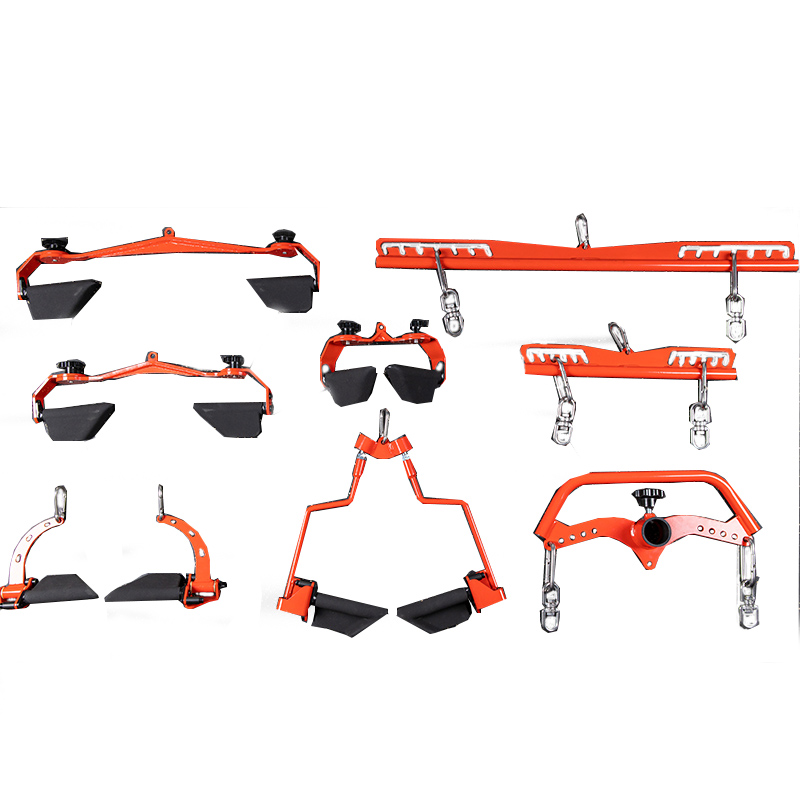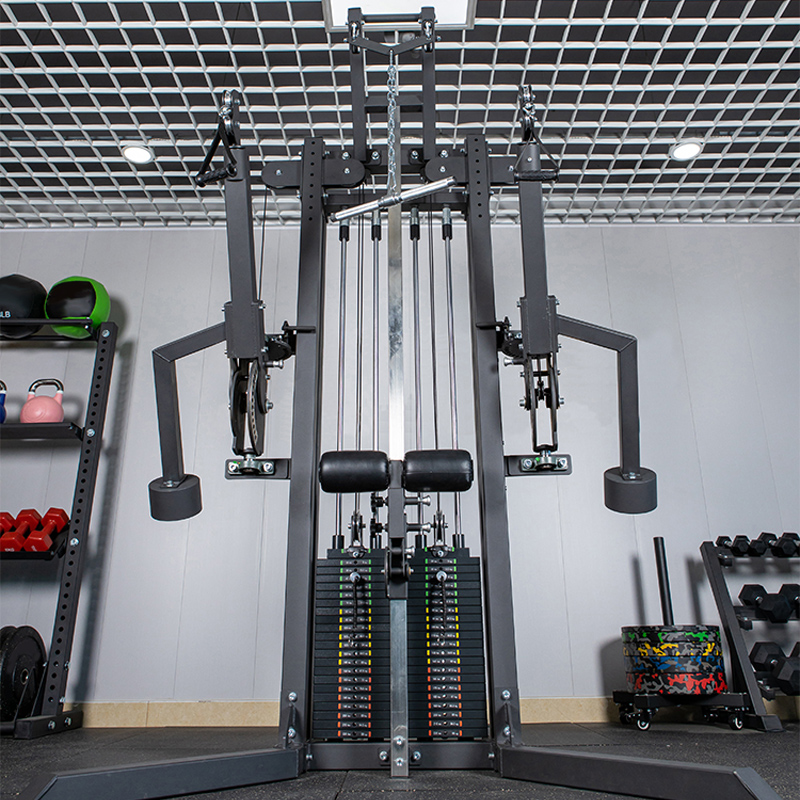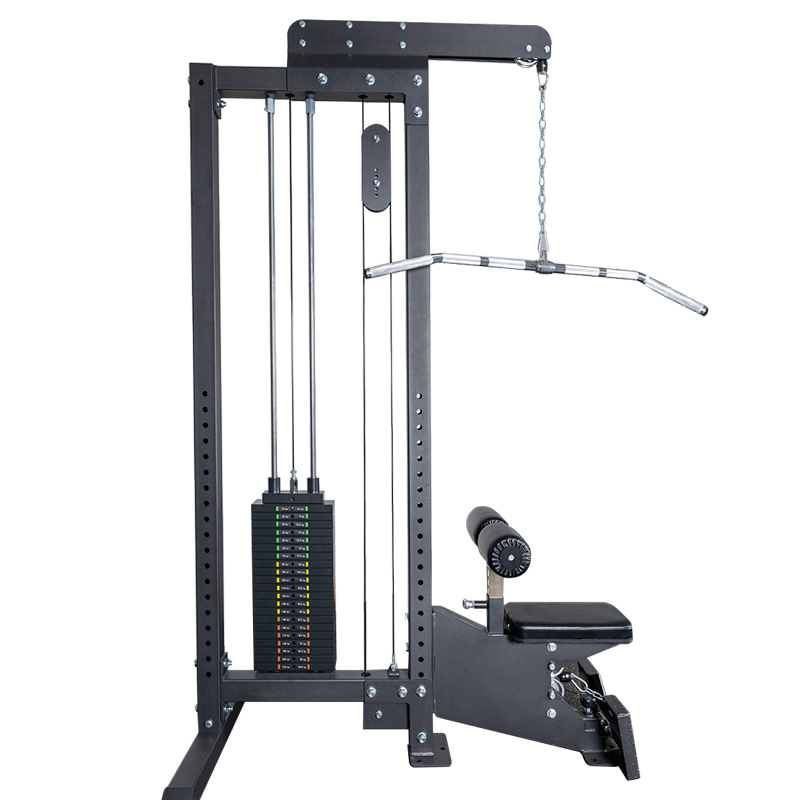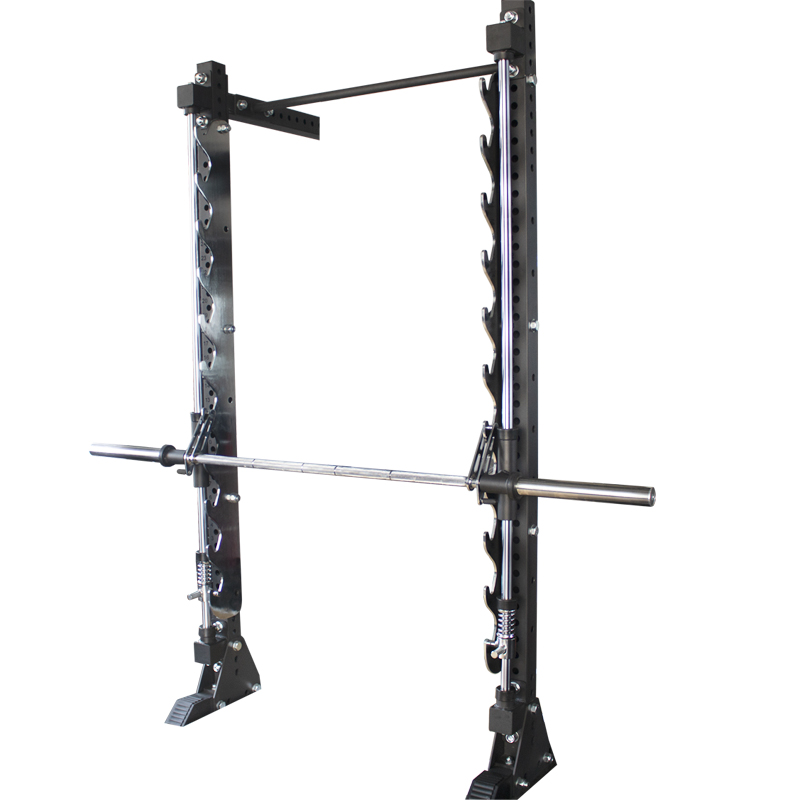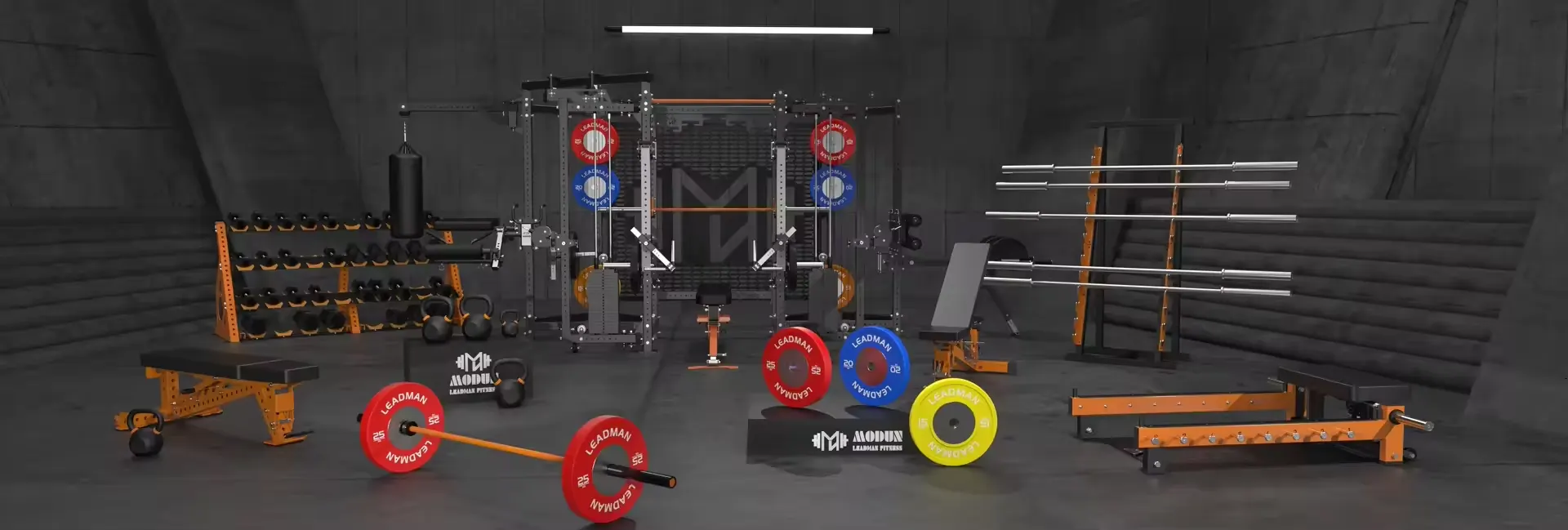
Functional exercise equipment has redefined the landscape of modern fitness, shifting the focus from isolated muscle training to integrated, movement-based conditioning. This category of equipment is designed to train the body for the demands of daily life and athletic performance, emphasizing multi-planar movements, core stability, and neuromuscular coordination. By simulating real-world activities, functional tools prepare the body to handle a variety of physical challenges, from lifting objects to improving balance and agility, offering a holistic and practical approach to fitness.
The versatility of functional equipment is its most compelling feature, enabling a virtually limitless range of exercises. Key tools such as kettlebells, medicine balls, and battle ropes facilitate dynamic, explosive movements that enhance power and cardiovascular conditioning. Suspension trainers, like the TRX, leverage body weight and instability to build strength, flexibility, and balance in a portable and scalable format. These tools encourage the body to work as a cohesive unit, engaging multiple muscle groups simultaneously and promoting a more efficient and resilient physique.
At the core of functional training is the concept of "core" engagement, and many pieces of equipment are specifically engineered to target this critical area. Tools such as slam balls and stability balls challenge the core to stabilize the spine during dynamic movements, improving posture and reducing the risk of back pain. The design of these implements often allows for a full range of motion, encouraging the body to move naturally in all three planes of motion, which is often neglected in traditional gym setups.
The integration of functional exercise equipment into a commercial gym is a strategic move that enhances the facility's appeal and supports a broad spectrum of training goals. It creates a versatile training zone that can be adapted for group classes, small group training, or individual use. The visual appeal of functional training areas, with their dynamic and varied tools, often conveys a sense of energy and modernity, attracting a diverse and health-conscious clientele.
For the discerning buyer, selecting high-quality functional equipment is essential for ensuring safety and performance. Look for equipment constructed from durable materials, such as solid rubber or heavy-gauge steel, which can withstand the rigors of repeated use. Investing in well-designed functional tools not only supports training safety and efficacy but also underscores a facility's commitment to providing a premium and comprehensive fitness experience.