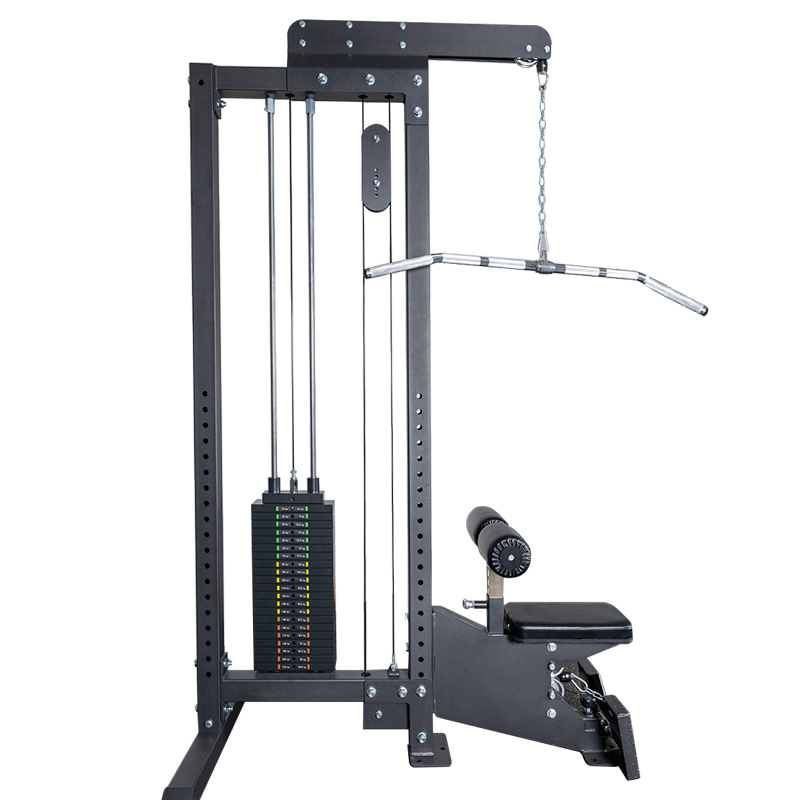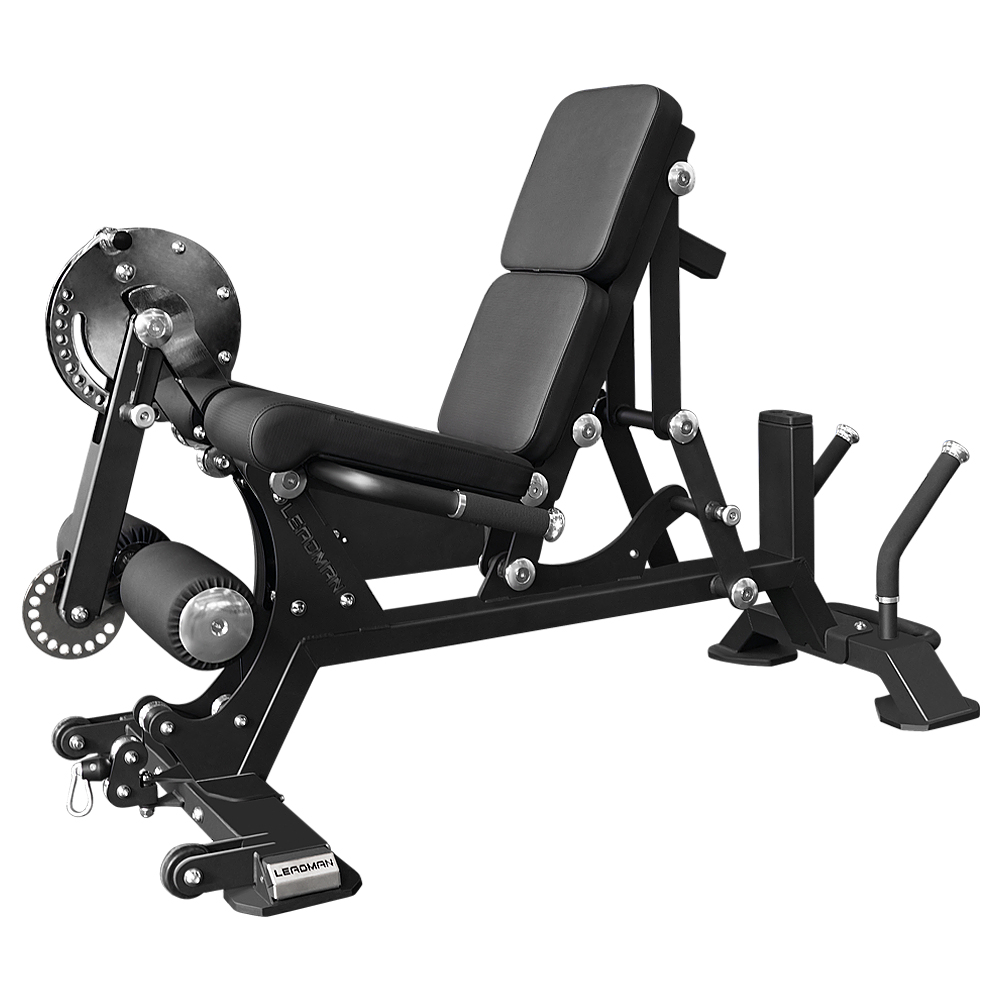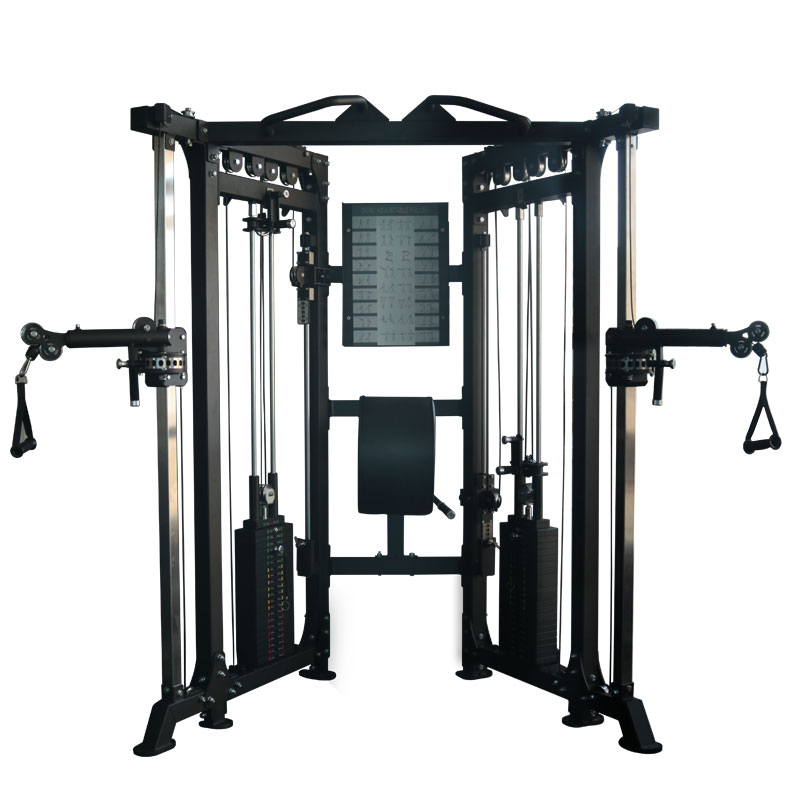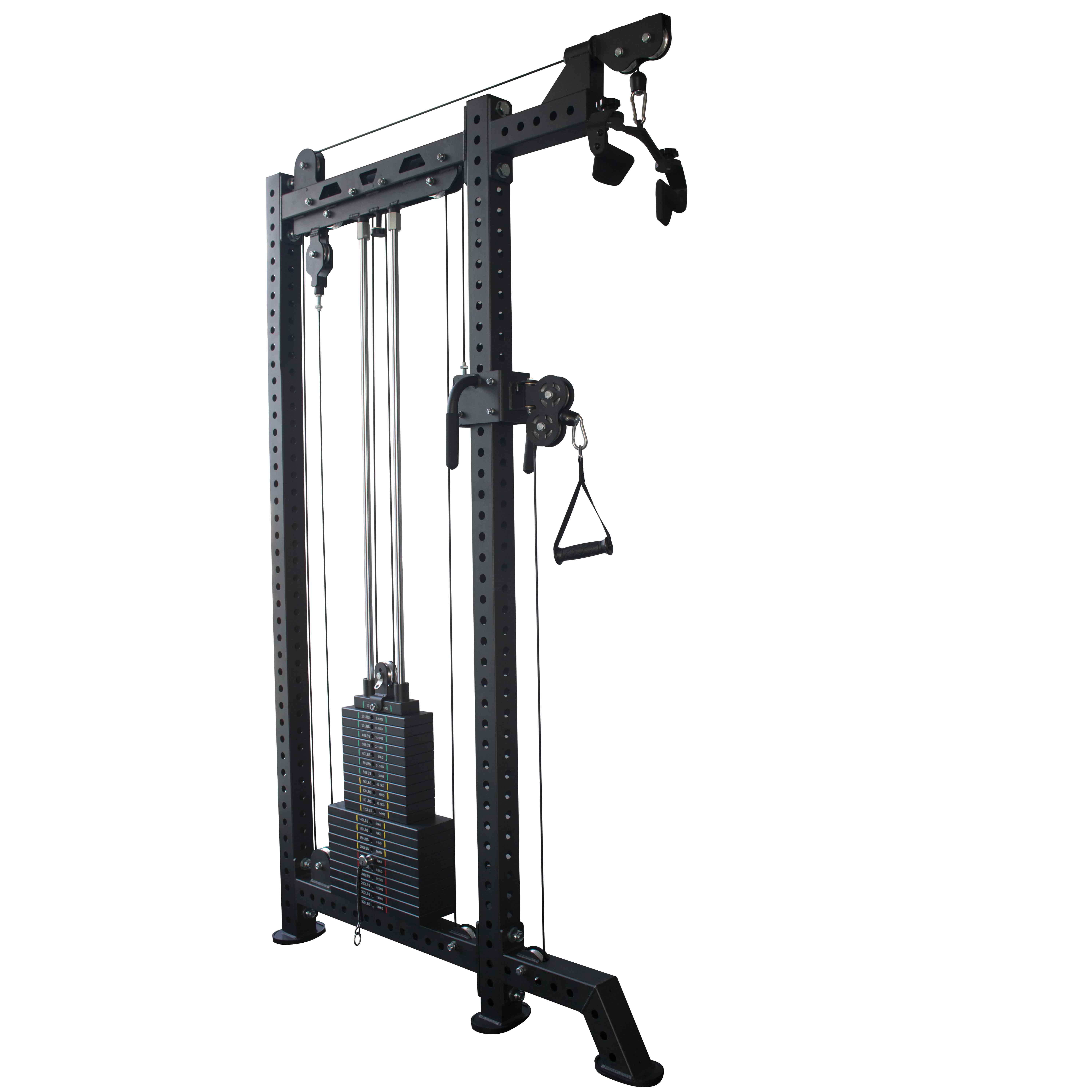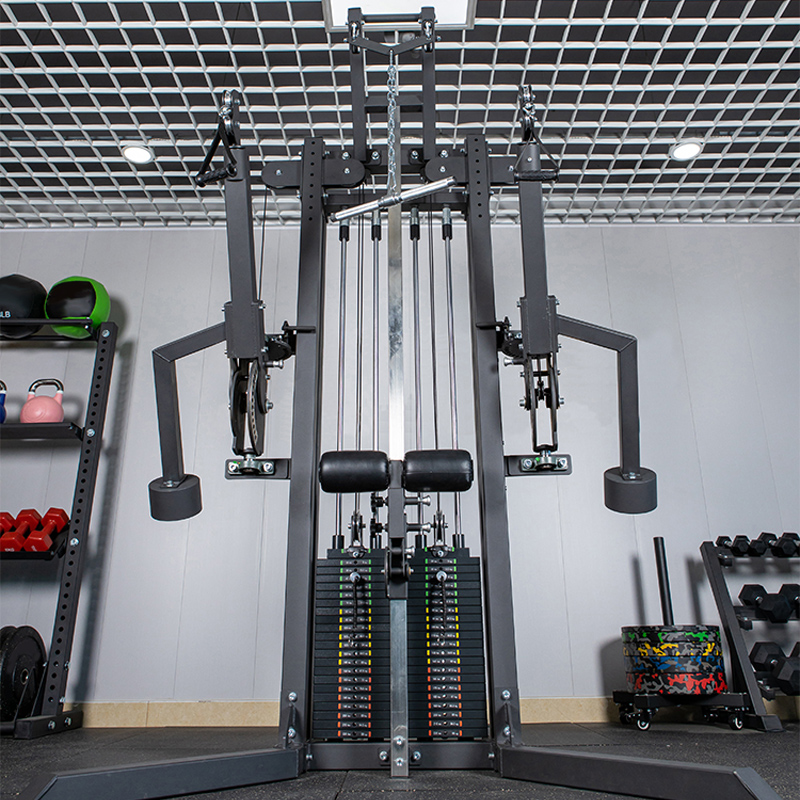
The Freemotion Cable Machine distinguishes itself through dual-axis, independent movement arms that use a four-bar linkage and overhead pivot system, enabling each arm to move through 210-270 degrees of rotation. Unlike traditional functional trainers that restrict cables to a single shared weight stack or fixed path, this design mimics natural human biomechanics, allowing rotational, diagonal, and unilateral exercises impossible on standard dual-cable columns. The four-bar linkage maintains the cable's exit point parallel to the user's pulling direction throughout the arm's rotational range, keeping the angle deviation under 5-8 degrees compared to 25-35 degrees on single-pivot designs. This reduces parasitic friction and ensures consistent resistance regardless of movement plane.
Most Freemotion-style machines use a 2:1 mechanical advantage ratio—pulling the cable 2 feet moves the weight stack 1 foot, halving felt resistance but doubling cable speed and travel distance. A 100lb stack feels like 50lbs at the handle. Dual independent weight stacks (typically 70-150lbs each) allow asymmetric loading for unilateral training. The machine requires more maintenance than standard functional trainers: linkage bearings need lubrication every 12-18 months, and cables require replacement every 18-24 months under heavy use (versus 36-48 months for standard units). Premium machines use spring-loaded selector pins, sealed ball bearings (8-12 per arm), and self-lubricating UHMW cable guide ramps.
The Freemotion machine excels in physical therapy and sports performance settings. For post-rotator cuff repair, it performs external rotation without impingement risk. For ACL reconstruction, standing terminal knee extensions provide isolated quadriceps loading without tibial shear. However, the machine requires substantial space—a 12-15 foot operational clearance in front and 96-inch ceiling height minimum. Cost ranges $5,000-$9,000 new (versus $3,500-$6,500 for standard functional trainers). Smart versions with electromagnetic resistance are emerging, enabling variable resistance profiles through the range of motion, though current models lack sufficient resistance for advanced athletic training.
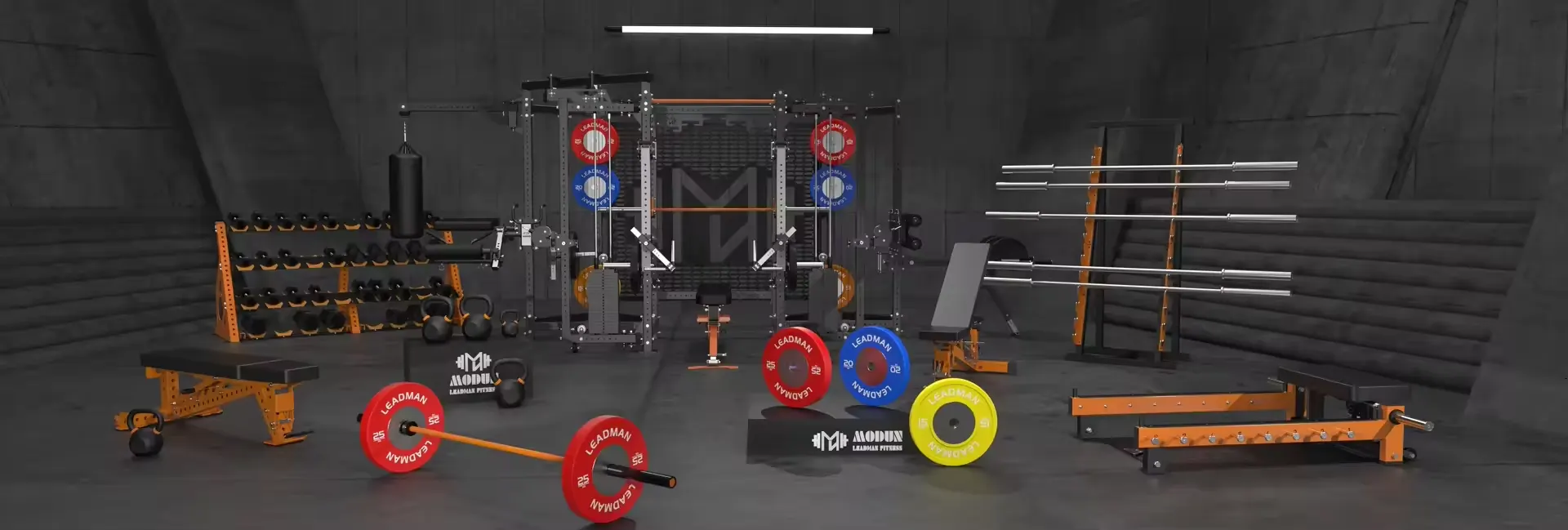
Let our experts design the perfect gym solution for your business. Get a free consultation and quote today.