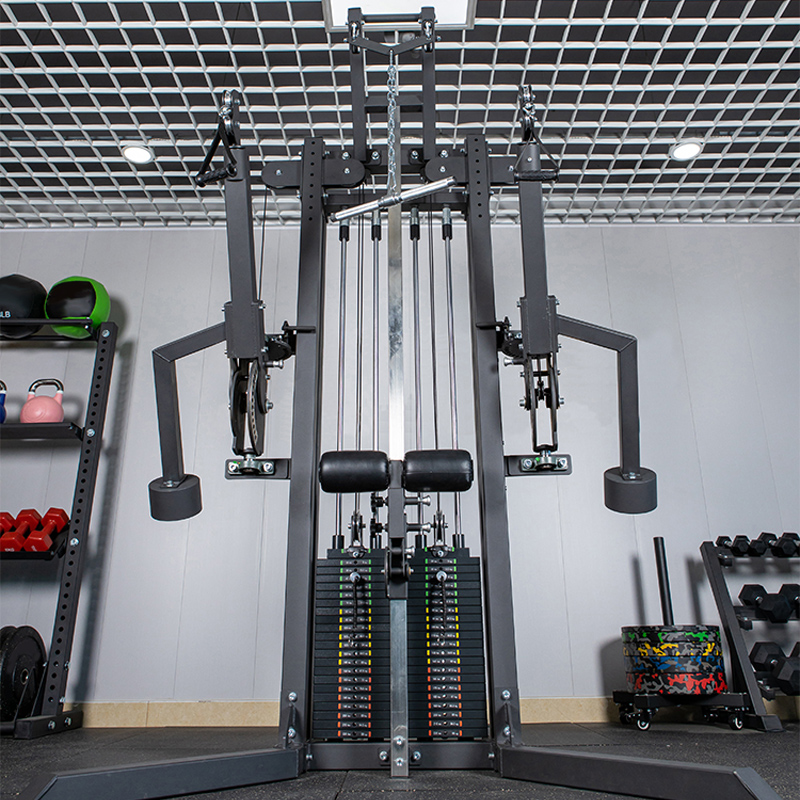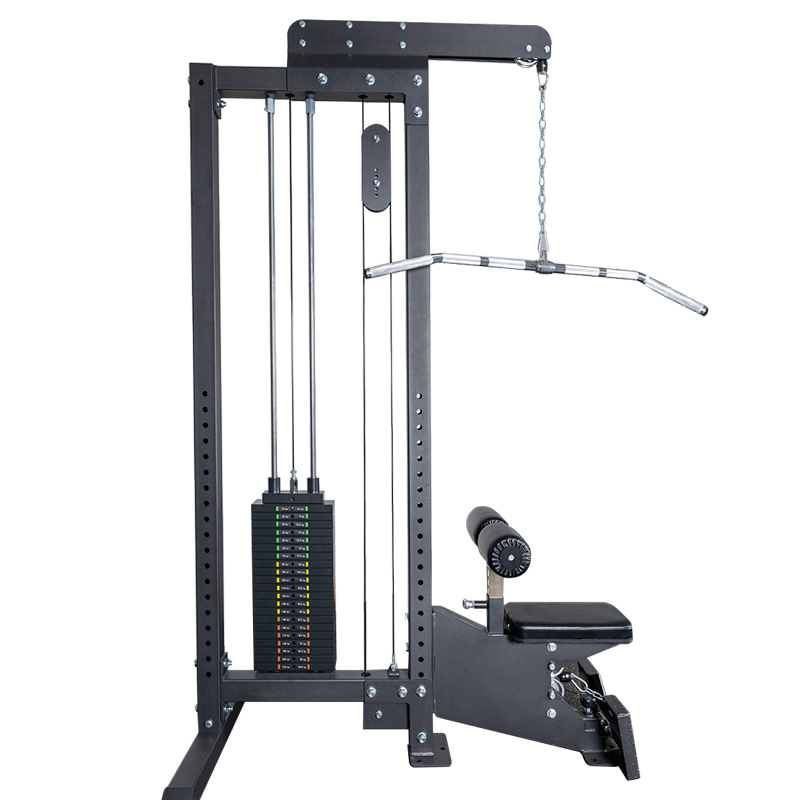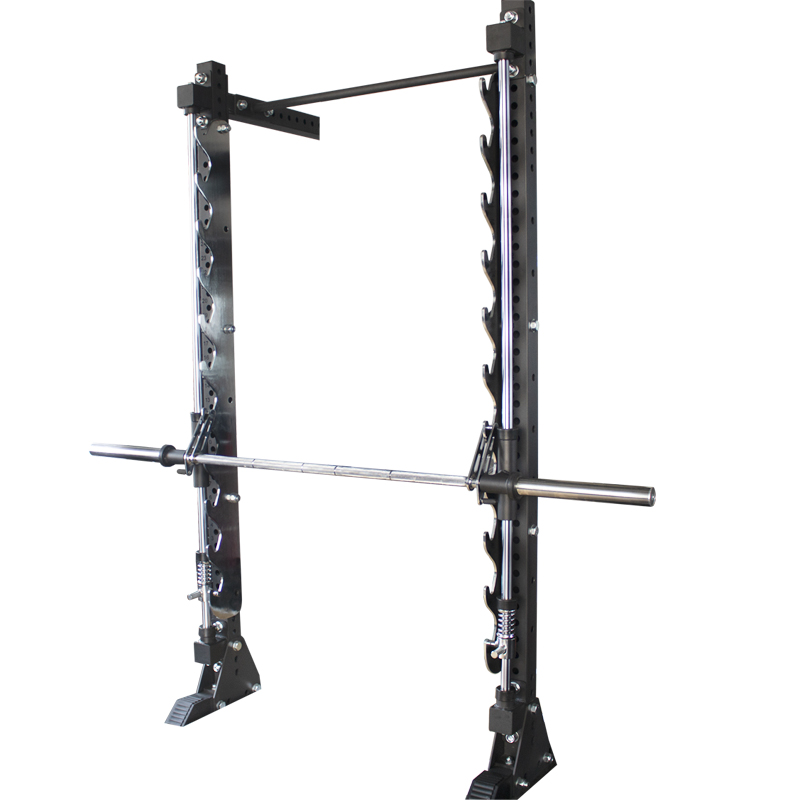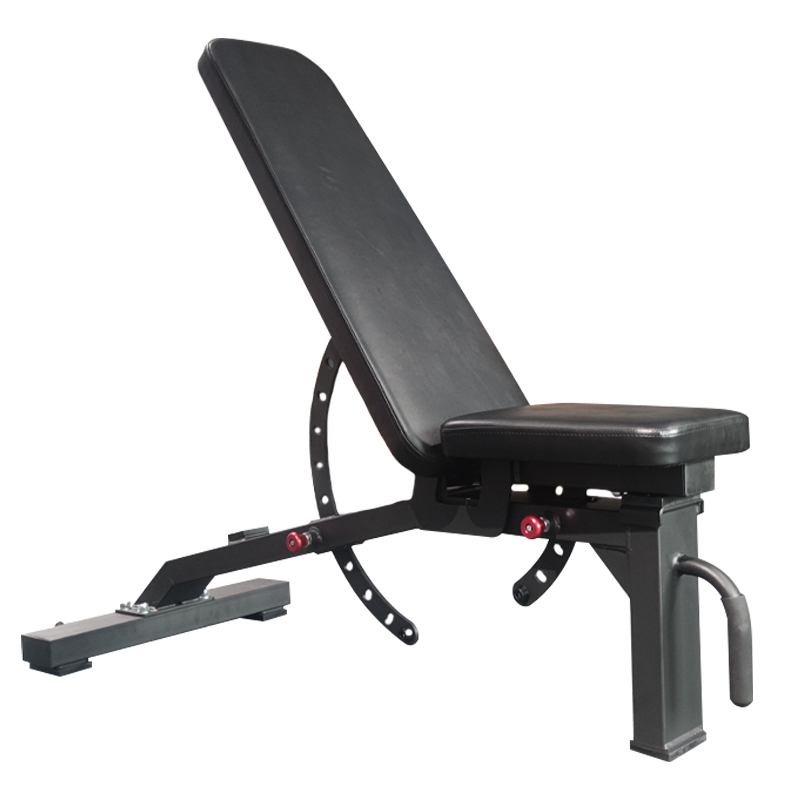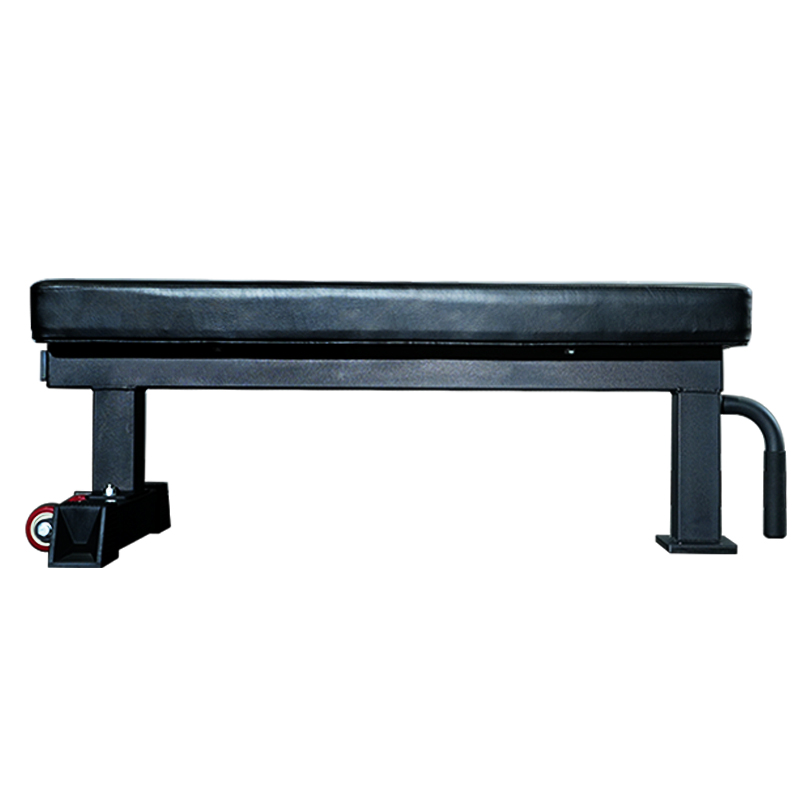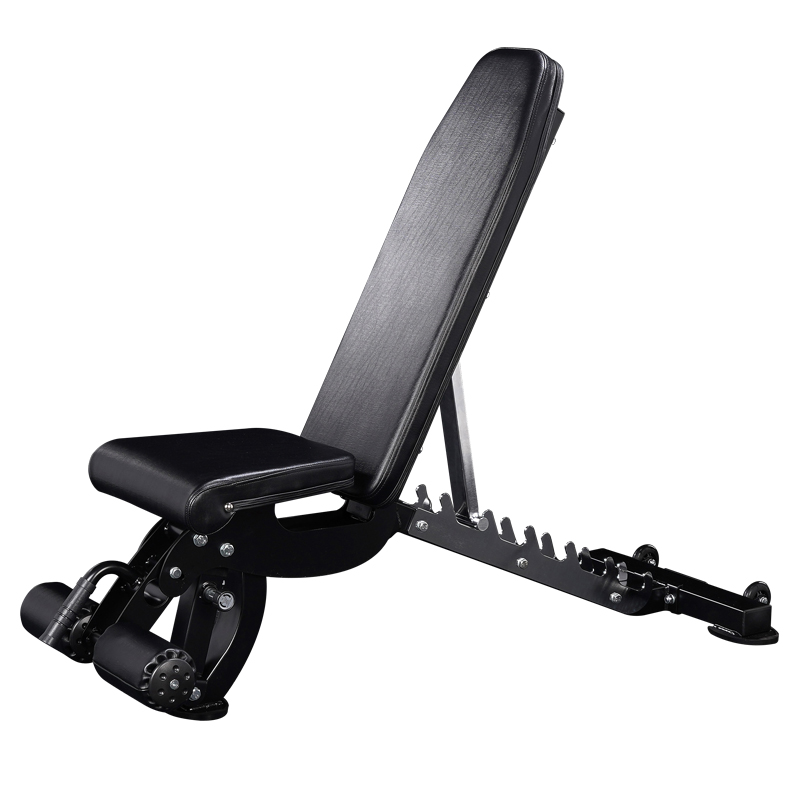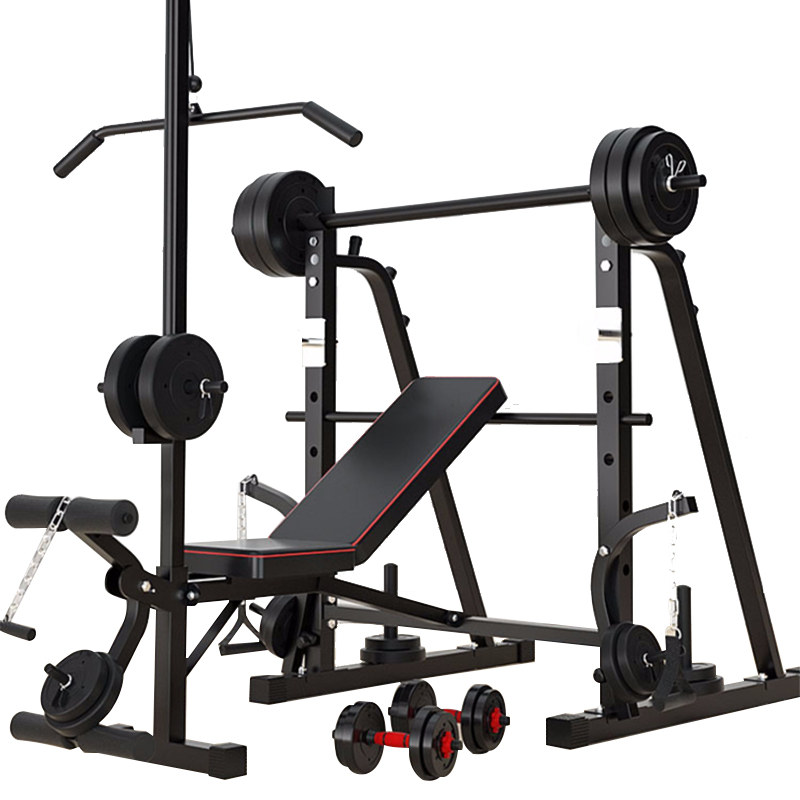
The flat chest press machine holds a foundational position in commercial fitness facilities, providing a guided compound pressing motion that effectively develops the pectoralis major while minimizing the technical complexity and stabilization demands associated with barbell or dumbbell pressing. For facility operators, this machine offers distinct advantages: it enables members to train chest pressing movements with greater safety, accommodates users with varying experience levels and mobility restrictions, and reduces the risk of failed lifts that can occur with free weight alternatives. The flat chest press machine serves as an indispensable component of any well-rounded strength training floor, often ranking among the most utilized equipment pieces during peak gym hours.
From a mechanical engineering perspective, the flat chest press machine operates through a cam-and-pulley or lever-arm system that converts a resistance input—typically a weight stack or plate-loaded mechanism—into a chest pressing motion. Commercial-grade machines employ biomechanically optimized cam profiles that vary the resistance throughout the range of motion, providing overload at the strongest portion of the press while reducing resistance in weaker positions. This eccentric loading pattern, often described as accommodating resistance, enables more efficient strength development compared to constant resistance methods. The seat and handle positions on premium models are adjustable, accommodating users across the anthropometric spectrum, while the back pad provides firm support for stable scapular retraction during the pressing movement. Weight stacks in selectorized machines typically range from 100-150kg, with 2.5kg or 5kg incremental adjustments enabling precise progressive loading for a broad spectrum of members.
Operational considerations for the flat chest press machine extend beyond the unit itself to include maintenance requirements, member safety, and overall equipment sustainability. Routine maintenance involves inspecting cables and pulleys for signs of wear, lubricating guide rods, and verifying that the weight stack selector pin engages securely at each increment. In facilities with high utilization rates, cable replacement may become necessary after 3-5 years of continuous use, significantly less demanding than the maintenance burden associated with free weight equipment. Strategic placement of the flat chest press machine within the strength floor should consider traffic flow, member sightlines, and neighboring equipment configurations. Pairing the machine with adjustable dumbbell stations provides members with the flexibility to complement machine pressing with free weight variations such as dumbbell flyes, supporting comprehensive chest development within a compact footprint.
Let our experts design the perfect gym solution for your business. Get a free consultation and quote today.