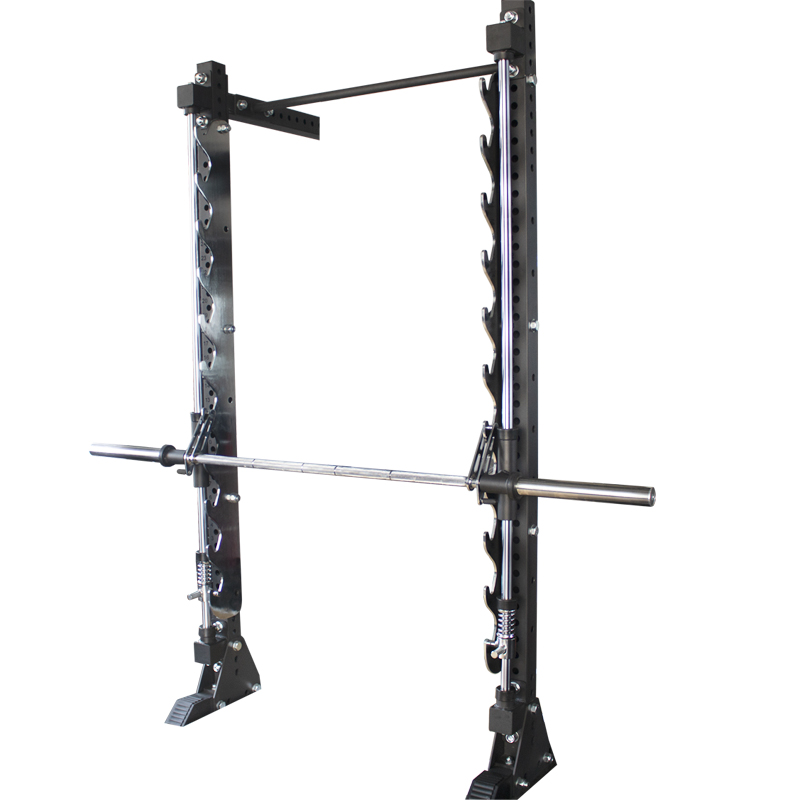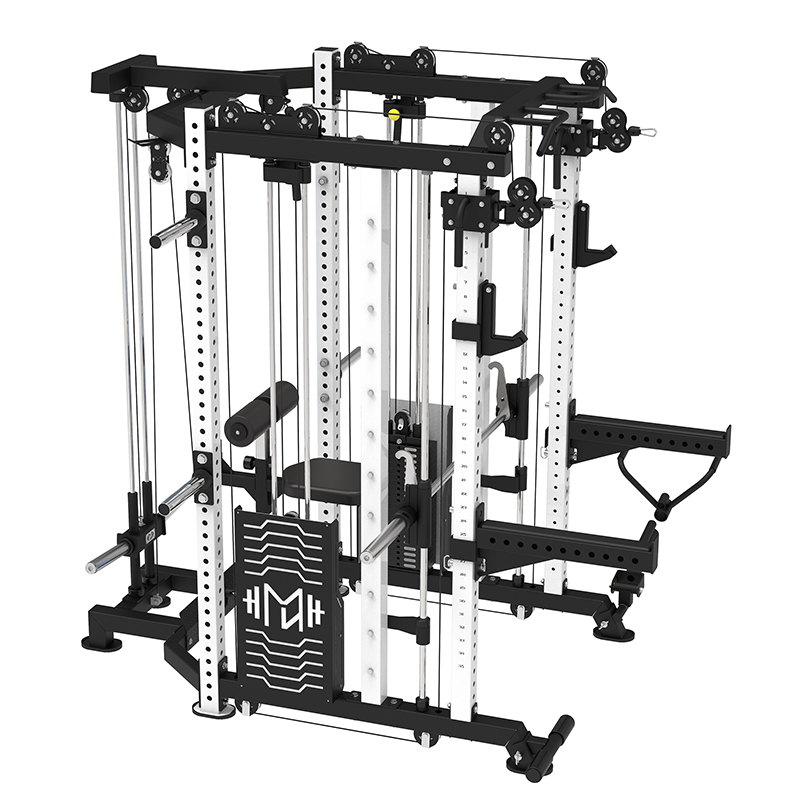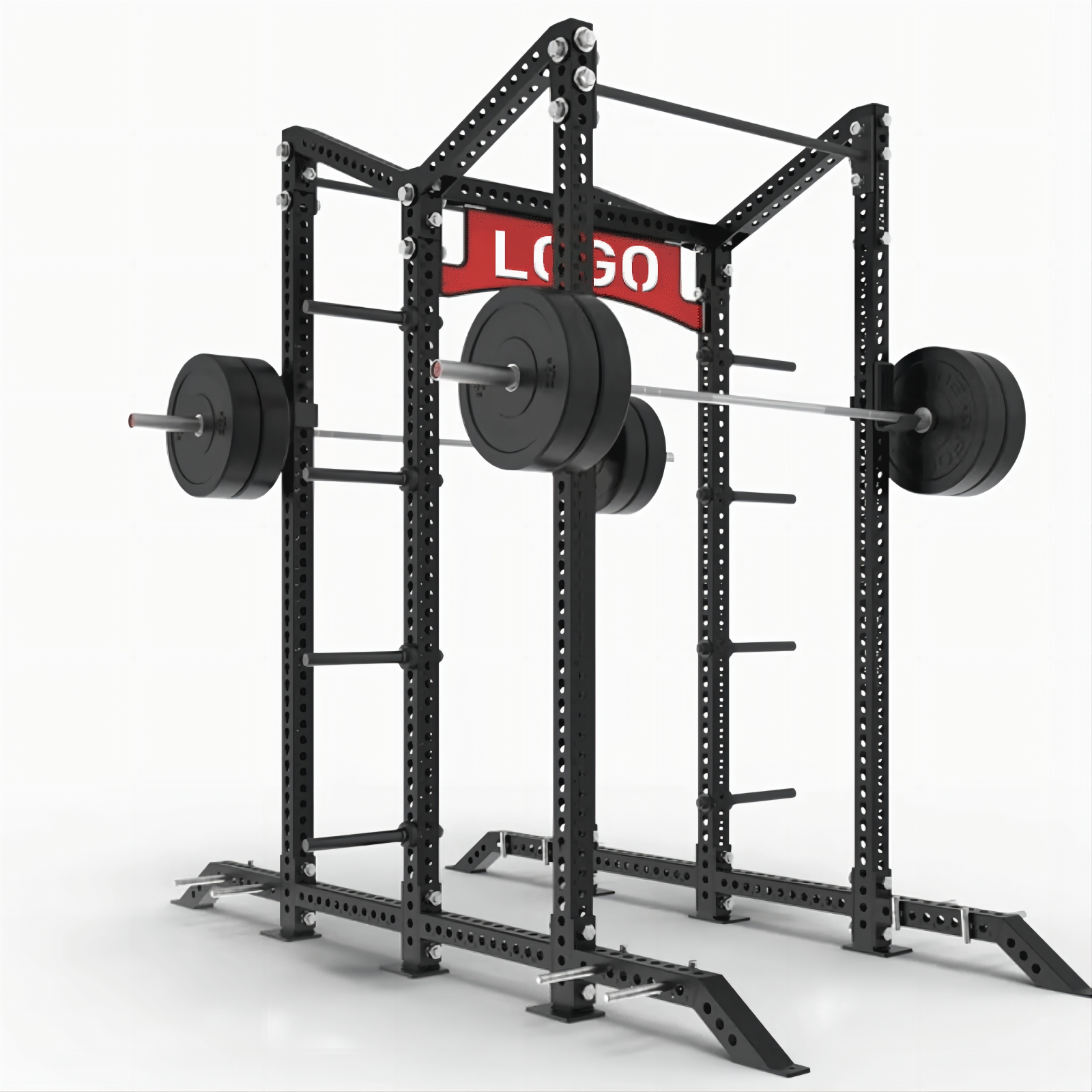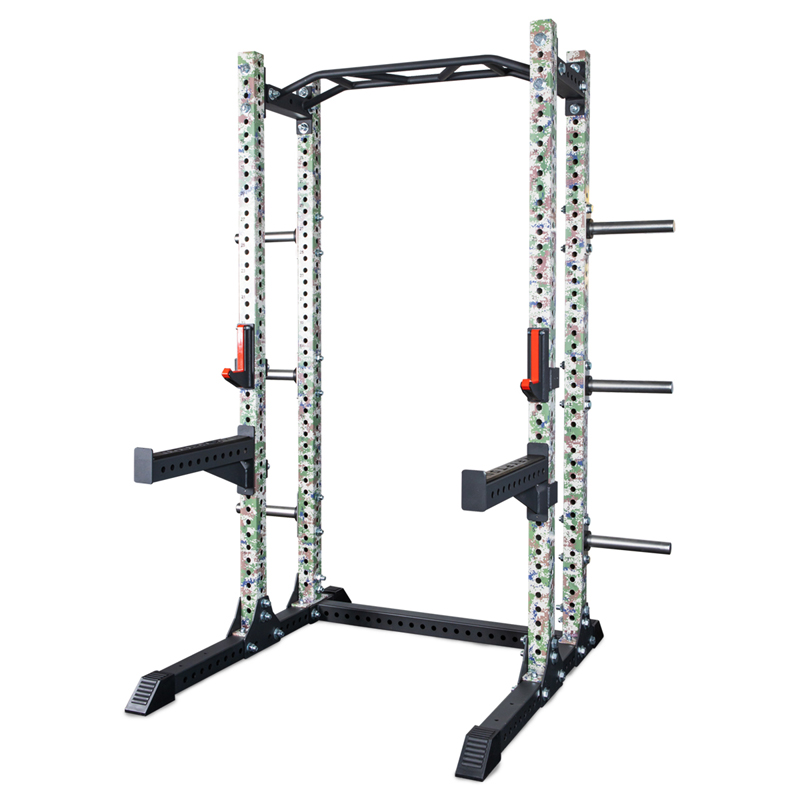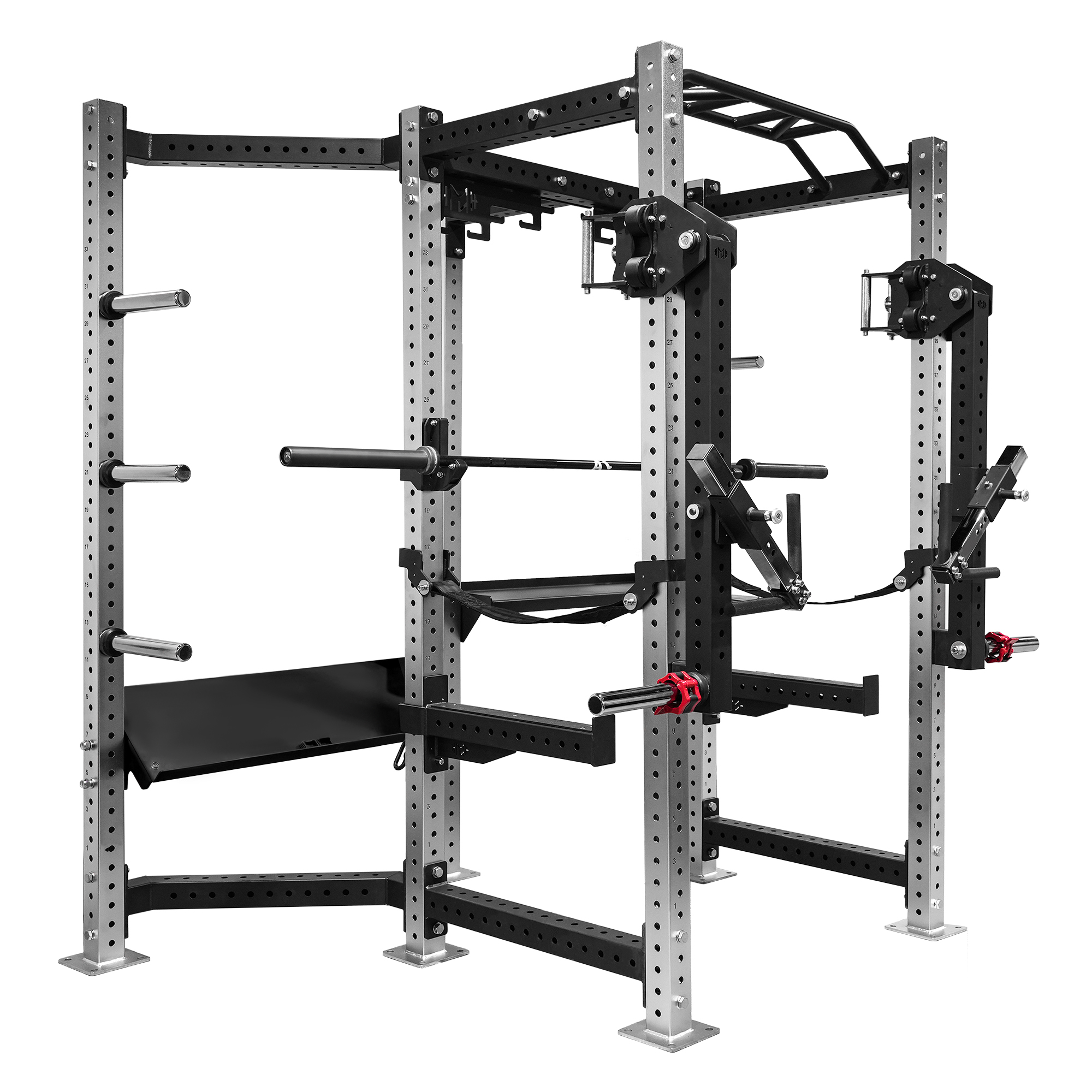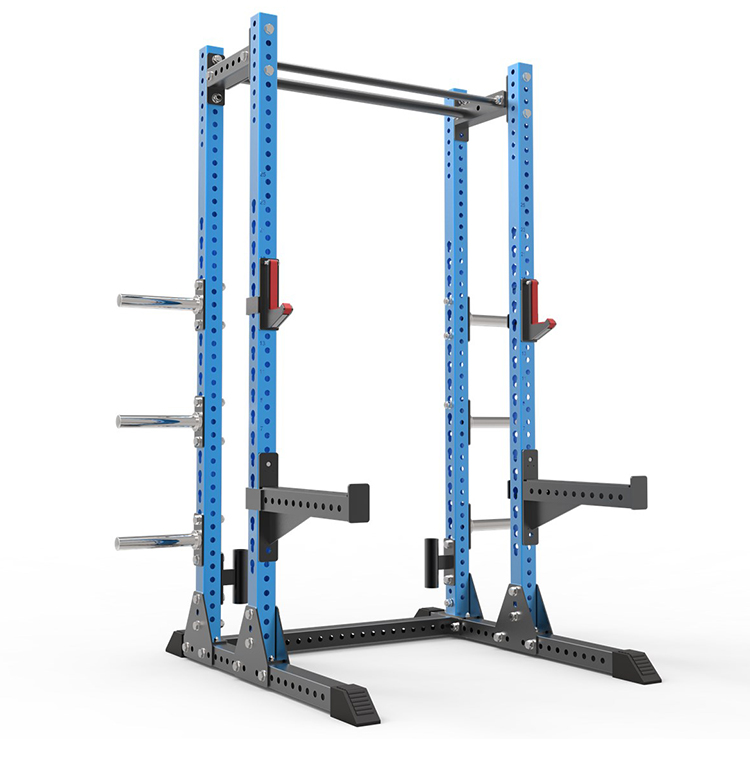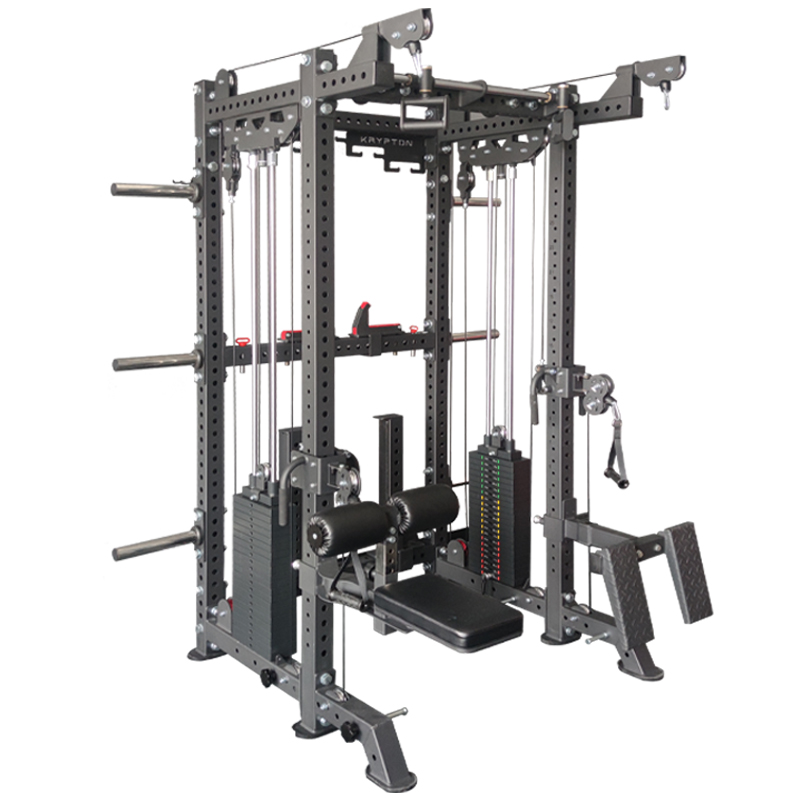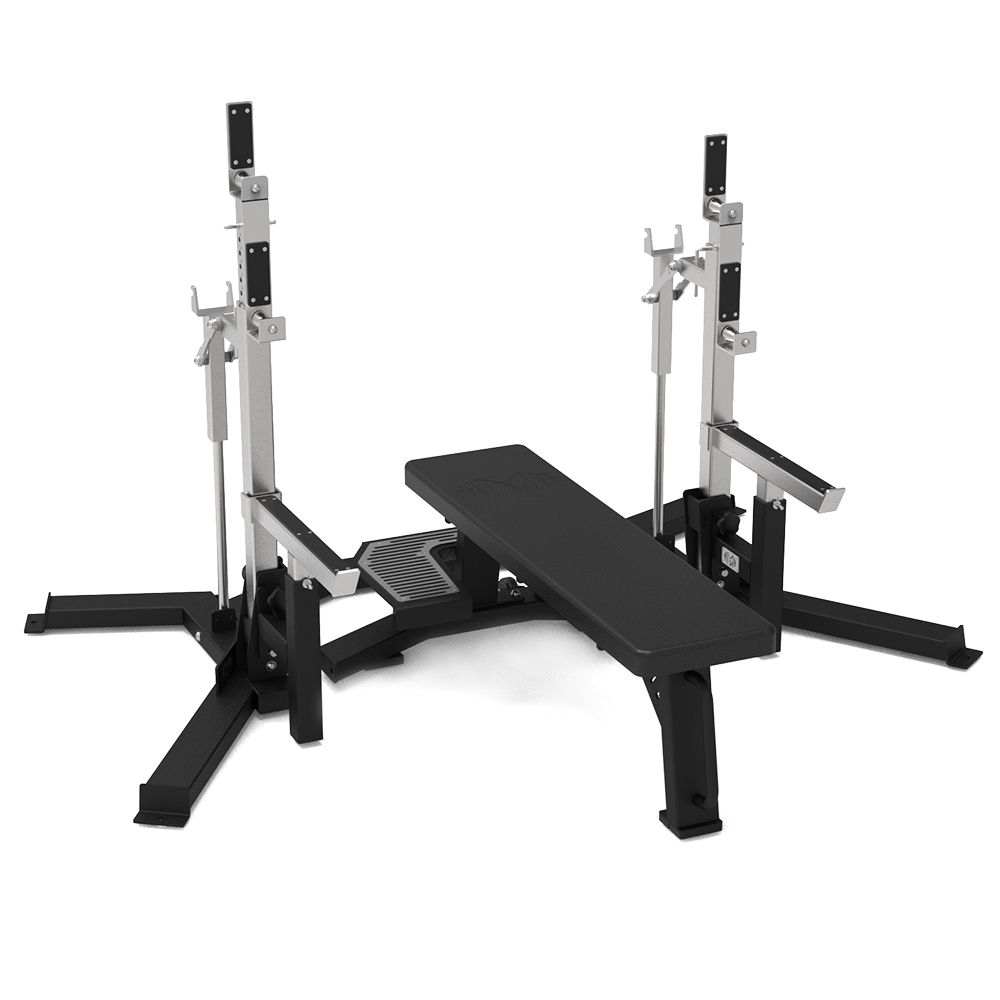
A fitness Smith machine combines a barbell fixed within vertical steel rails with counterbalancing or linear bearing systems, allowing lifters to perform squat, bench press, shoulder press, and row variations without a spotter. Unlike free-weight barbells, the Smith machine restricts horizontal and vertical drift, offering guided movement patterns valued by beginners and rehabilitation settings.
The engineering core of a Smith machine is its linear guidance and counterbalance mechanism. Premium machines use sealed linear bearings or nylon bushings running along 11-gauge or thicker steel guide rods. The barbell typically travels through 15-20 degrees of vertical axis (slight backward or forward angle) to mimic natural bar paths. Counterbalance systems range from simple spring assistance to weighted pulley systems that offset 5-15 kg of the bar's weight, making empty-bar work accessible for novice lifters.
Commercial facility data indicates that Smith machines with counterbalance elimination features better serve advanced lifters. Models allowing users to disengage the counterbalance or select from 2-3 weight resistance settings accommodate both rehabilitation patients (requiring lighter resistance) and strength athletes (wanting full bar weight). A 2022 equipment survey of 400 gyms found that Smith machines with 7 or more locking positions (hooks at varied heights) saw 40% higher usage than models with 3-4 positions.
For buyers evaluating a fitness Smith machine, prioritize safety stop design and bar oscillation. Twist-lock safety catches that engage automatically when the bar stops moving prevent accidents if the lifter fails a rep. Test bar oscillation at the top and bottom of each rail—excessive side-to-side play indicates worn bushings or misaligned guide rods. Additionally, verify attachment compatibility: many Smith machines accept standard 50mm Olympic plates but require proprietary barbell collars due to fixed sleeve design. Finally, measure the exercise footprint with the bar at extreme positions; some Smith machines require significant clearance for seated shoulder press or split squats.

Let our experts design the perfect gym solution for your business. Get a free consultation and quote today.