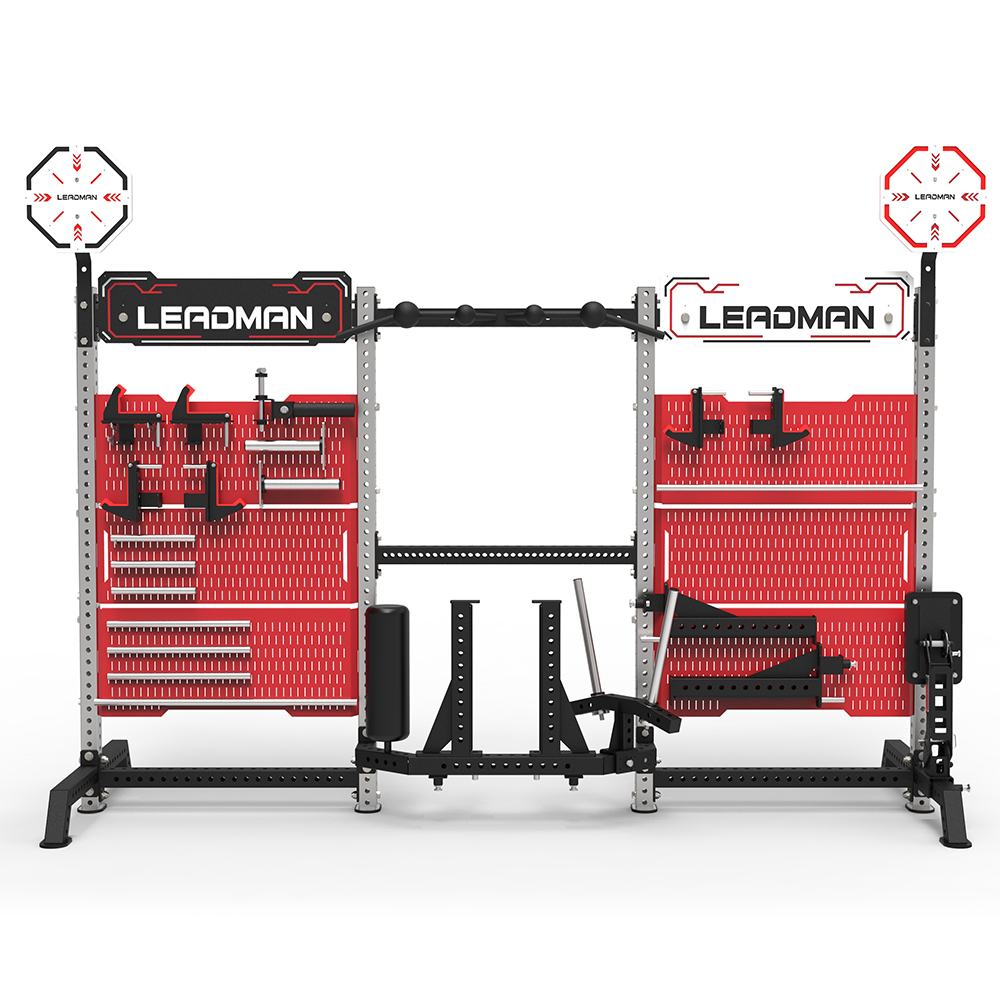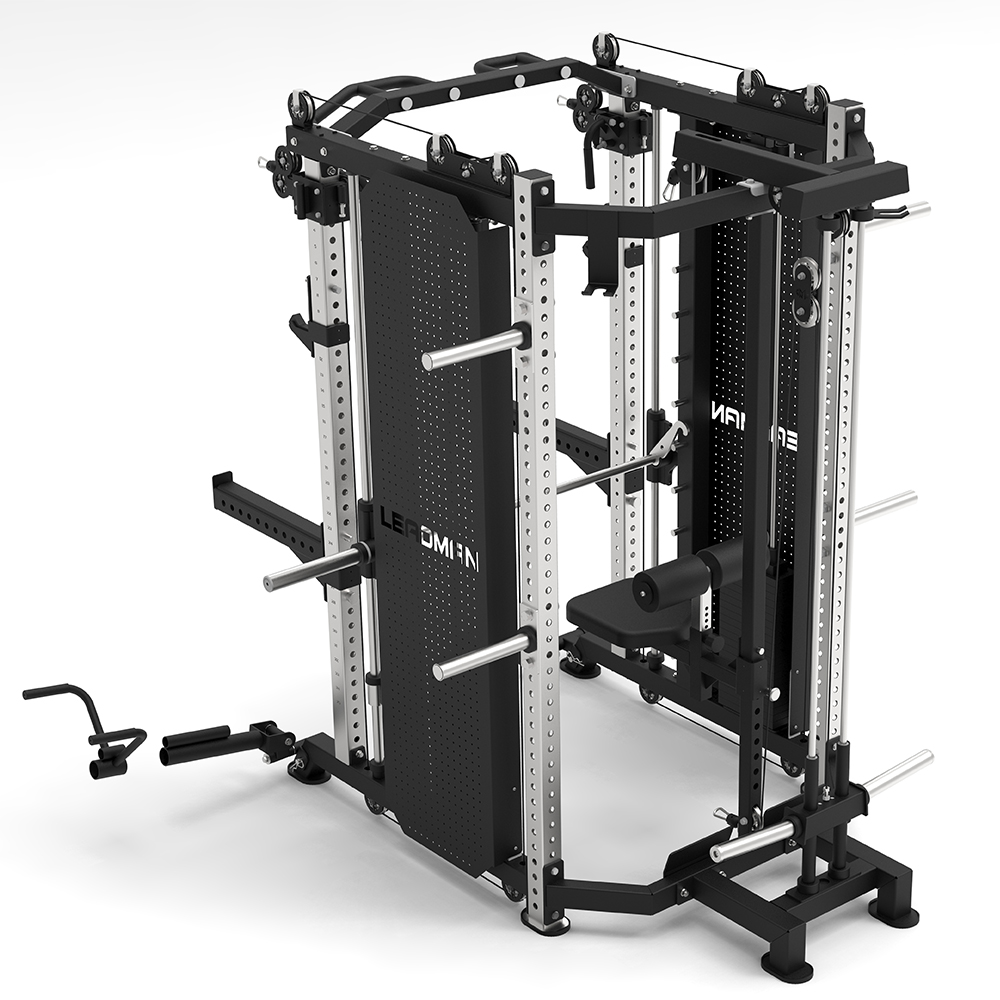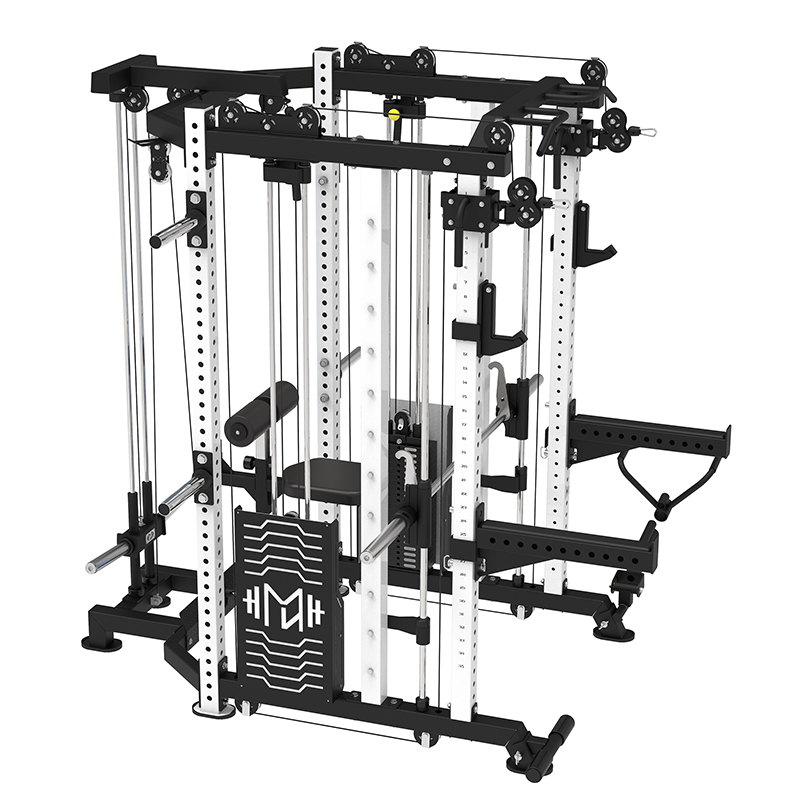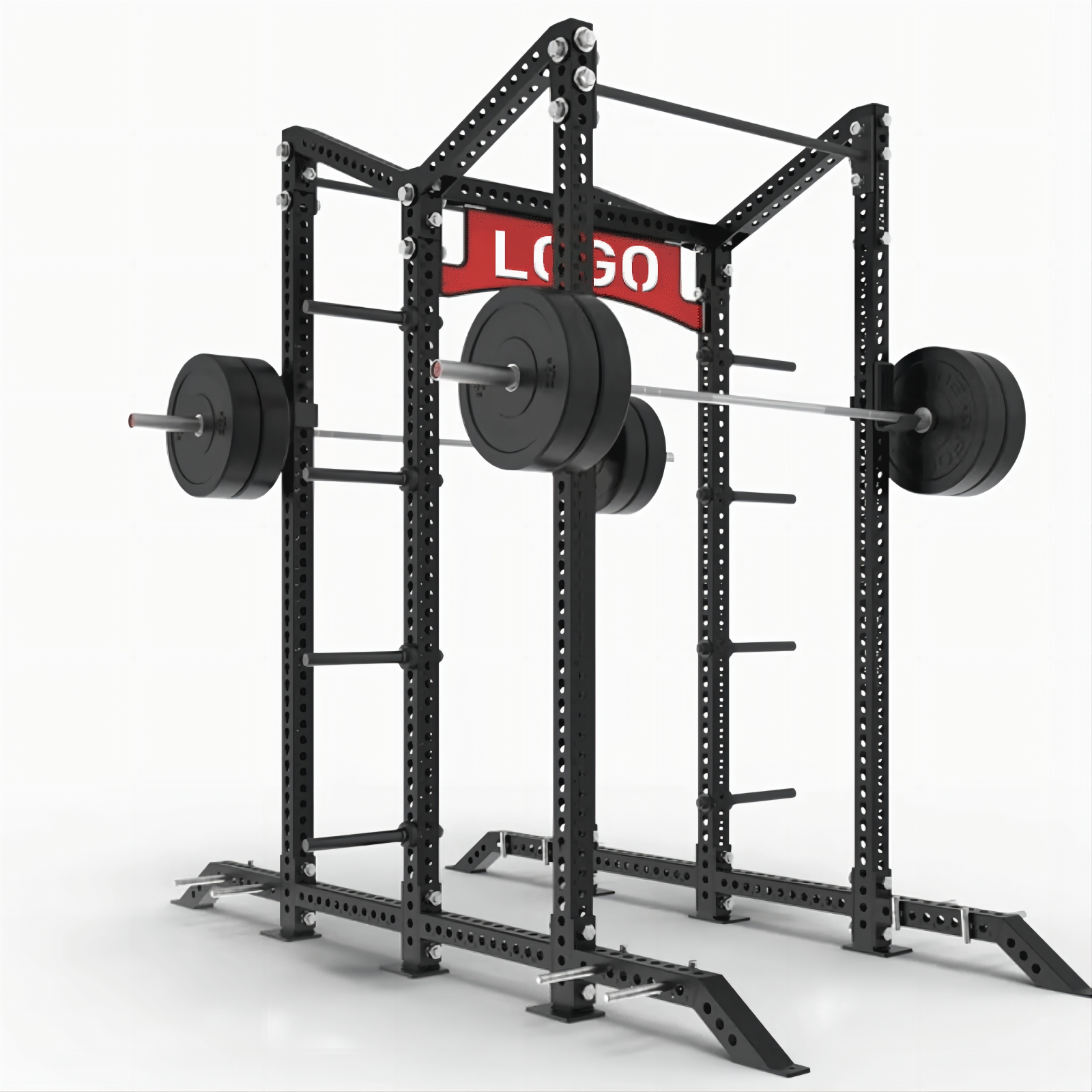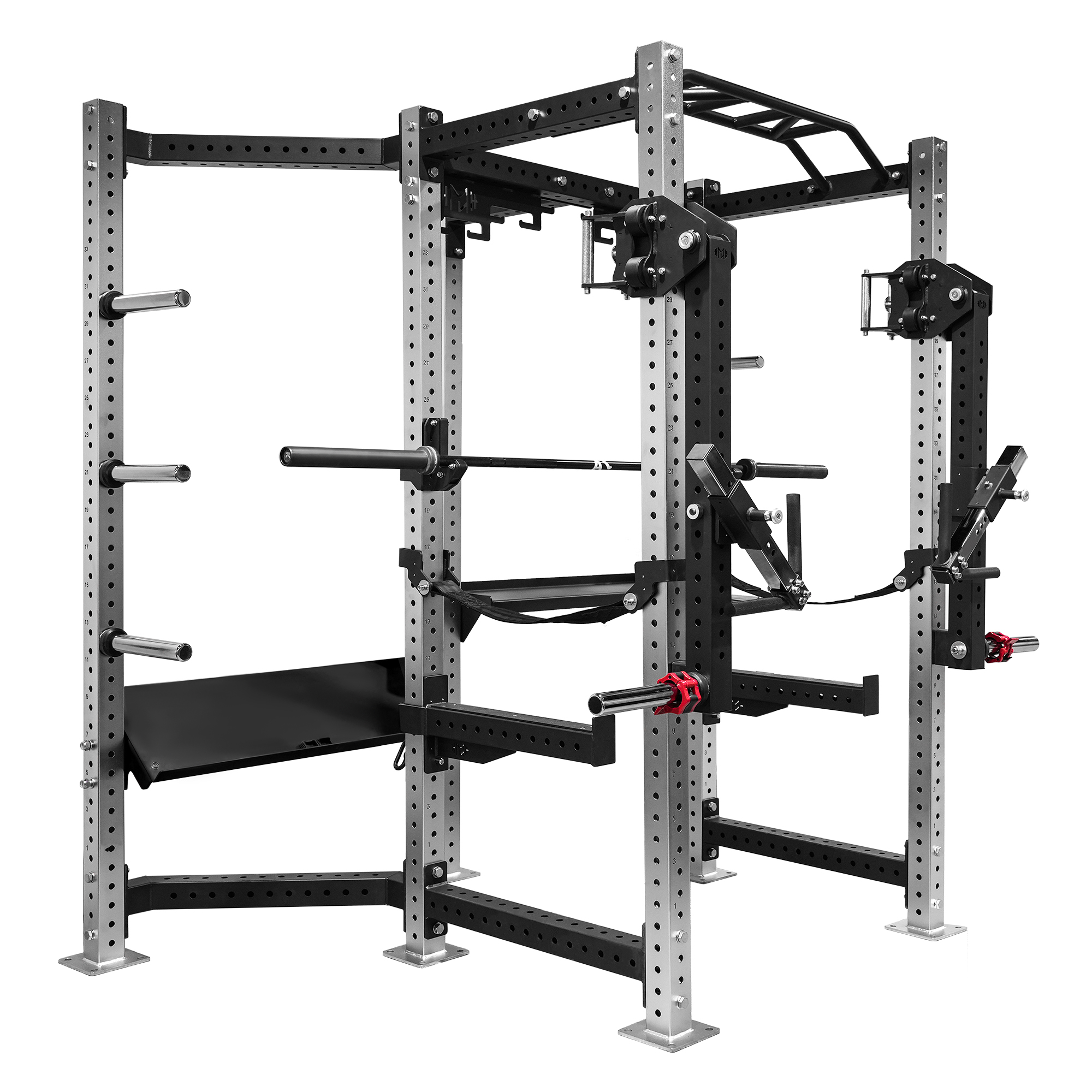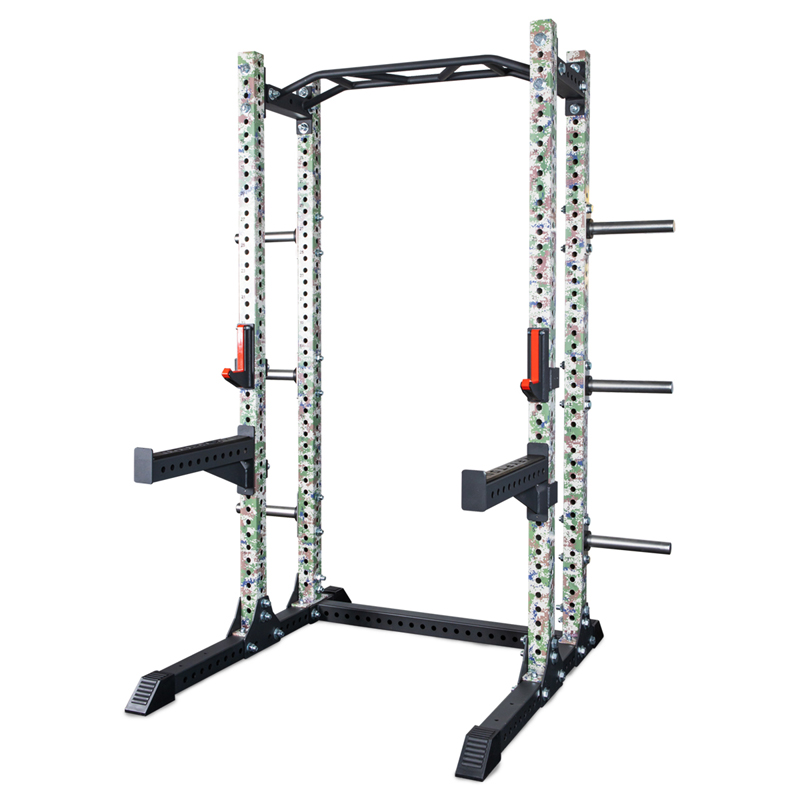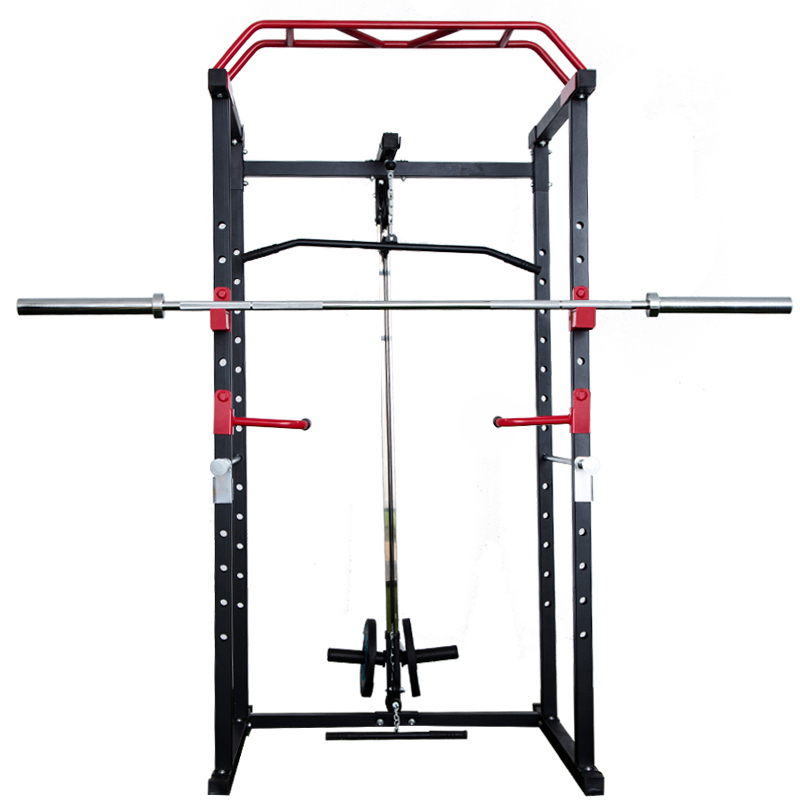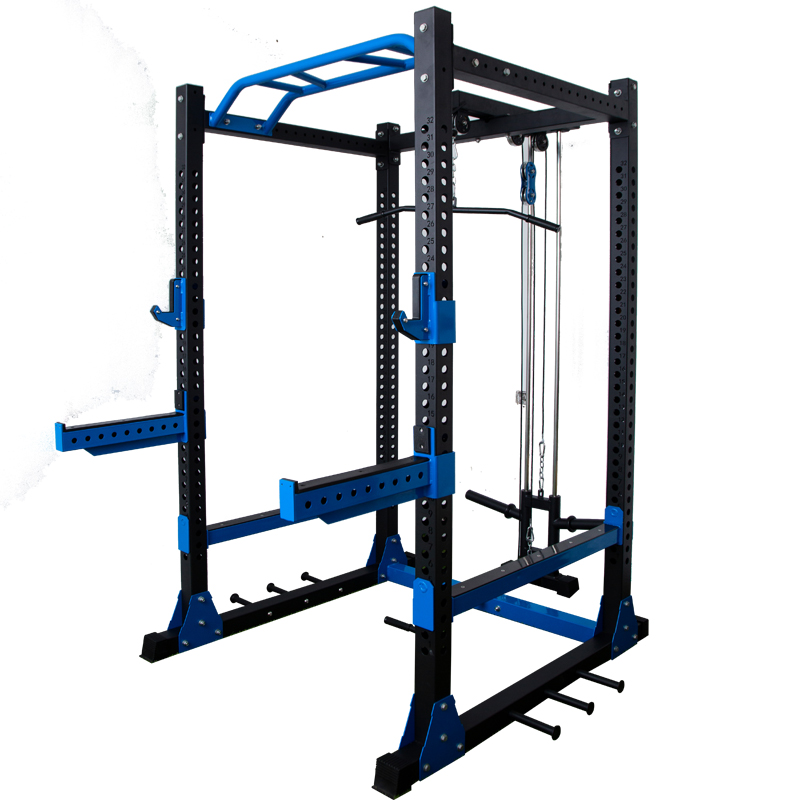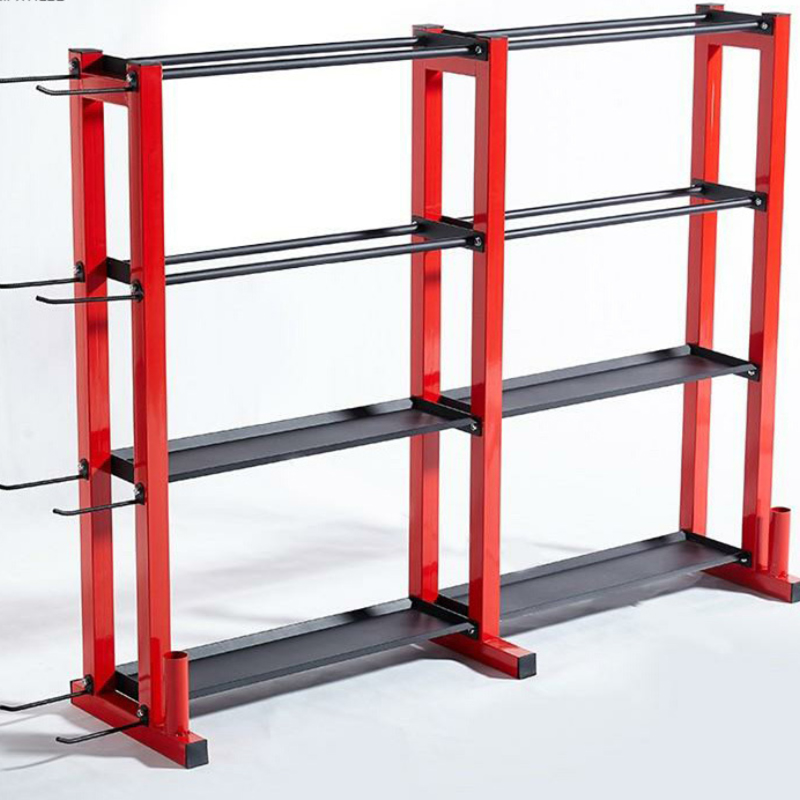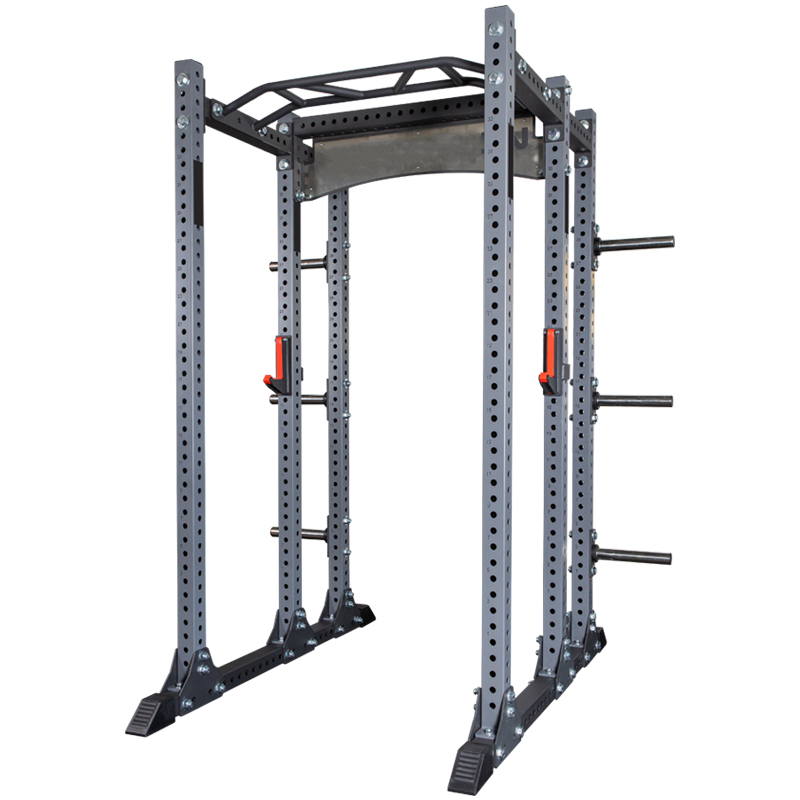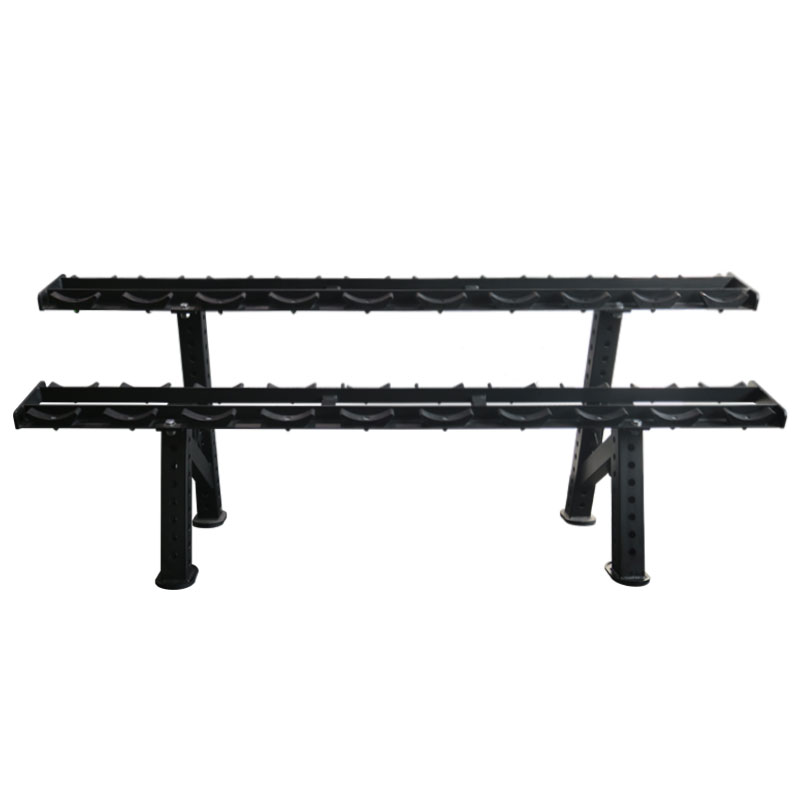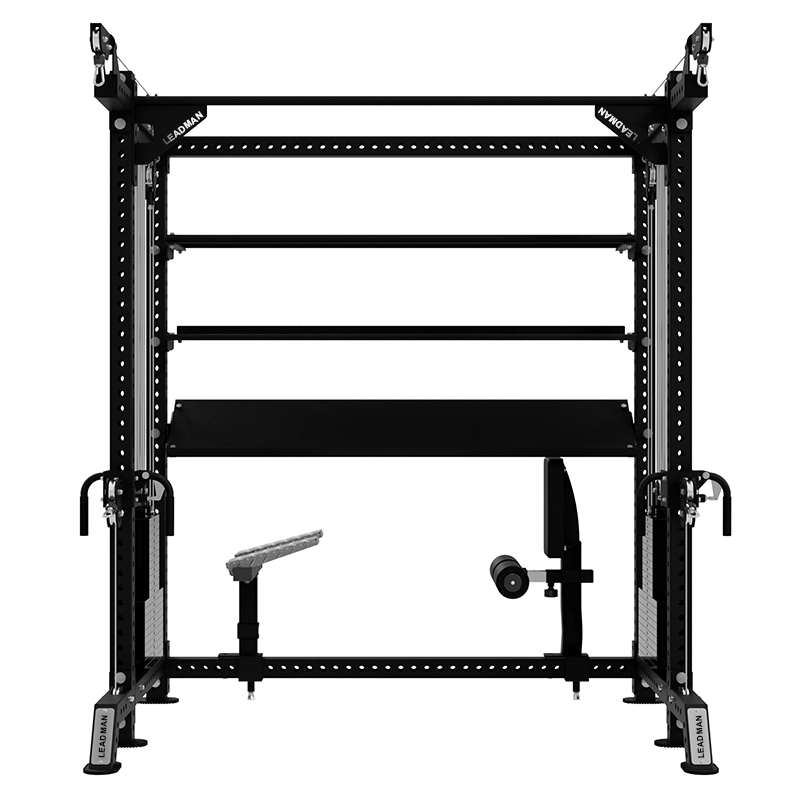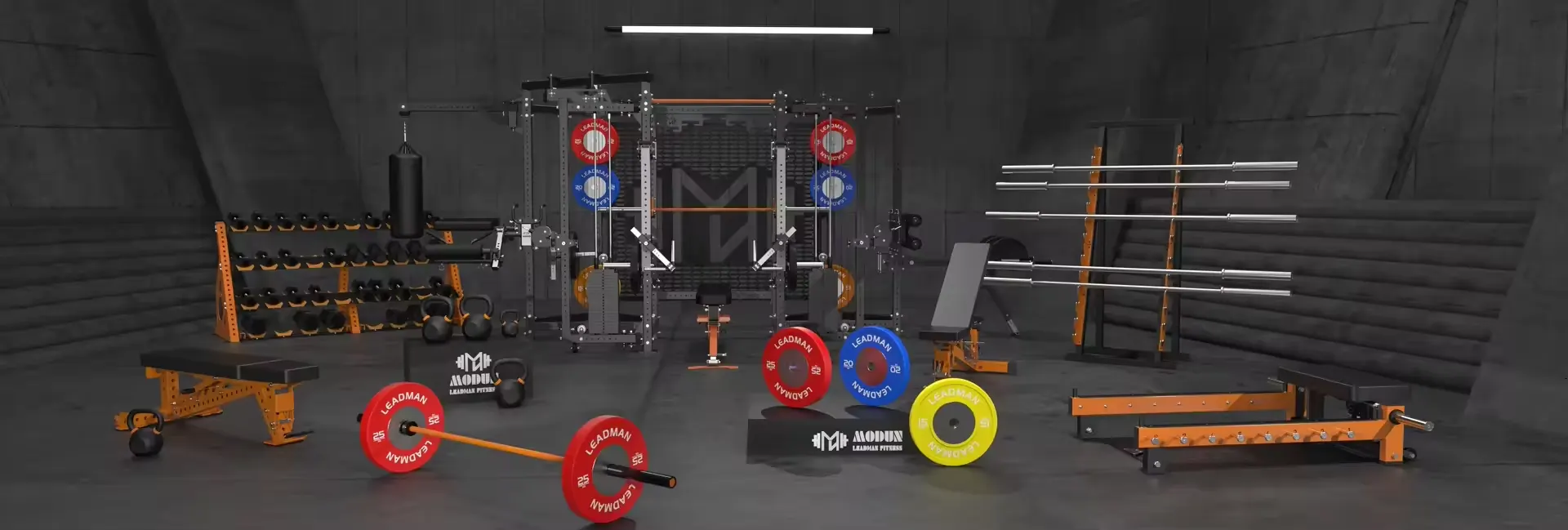
Fitness products wholesale represents a specialized procurement channel that serves as the backbone of the commercial fitness industry, enabling gym operators, equipment dealers, and multi-location franchises to acquire high-volume inventory at optimized price points. This segment encompasses a vast spectrum of goods, from cardiovascular machines and strength equipment to flooring, accessories, and consumables, forming the operational infrastructure of professional training facilities. The wholesale model is fundamentally about achieving economies of scale, where bulk purchasing translates into per-unit cost reductions that are essential for maintaining competitive pricing and sustainable business operations.
The fitness products wholesale ecosystem is characterized by a diverse range of suppliers, each occupying distinct market positions. Direct manufacturers represent the most direct channel, offering the lowest possible pricing for large-volume orders, often with minimum order quantities (MOQs) that can exceed 10,000 units for smaller accessories or significant floor space commitments for larger equipment. Distributors and master wholesalers serve as intermediaries, providing consolidated logistics, warehousing, and a broader product selection from multiple manufacturers, which can simplify procurement for facilities seeking a one-stop solution. The rise of online B2B platforms has further democratized access to wholesale pricing, allowing smaller gym owners and personal trainers to access tiered pricing structures without the traditional barriers of large MOQs.
When navigating fitness products wholesale, the buyer's focus must extend beyond price per unit to encompass quality consistency, supply chain reliability, and post-sale support. A manufacturer's ability to maintain product specifications across large production runs is critical, as variances in steel gauge, upholstery density, or drive system components can significantly impact a facility's operational reputation and maintenance costs. Logistical considerations are equally important, including lead times, shipping arrangements, and the capacity to handle split shipments for multi-location installations. The wholesale relationship often includes volume-based discounts, extended payment terms, and dedicated account management, all of which contribute to the total value proposition.
For commercial operators, a strategic approach to fitness products wholesale involves rigorous supplier vetting, including facility audits, sample testing, and reference checks with existing clients. The process should also account for regional compliance requirements, such as safety certifications (e.g., EN 957, ASTM standards) and import regulations. In an increasingly competitive market, the wholesale channel offers opportunities to differentiate a facility through exclusive product lines, private labeling, or customized equipment configurations. Ultimately, mastery of the fitness products wholesale landscape is a core competency for any serious commercial fitness operation, enabling both operational efficiency and a competitive edge in the market.

Let our experts design the perfect gym solution for your business. Get a free consultation and quote today.