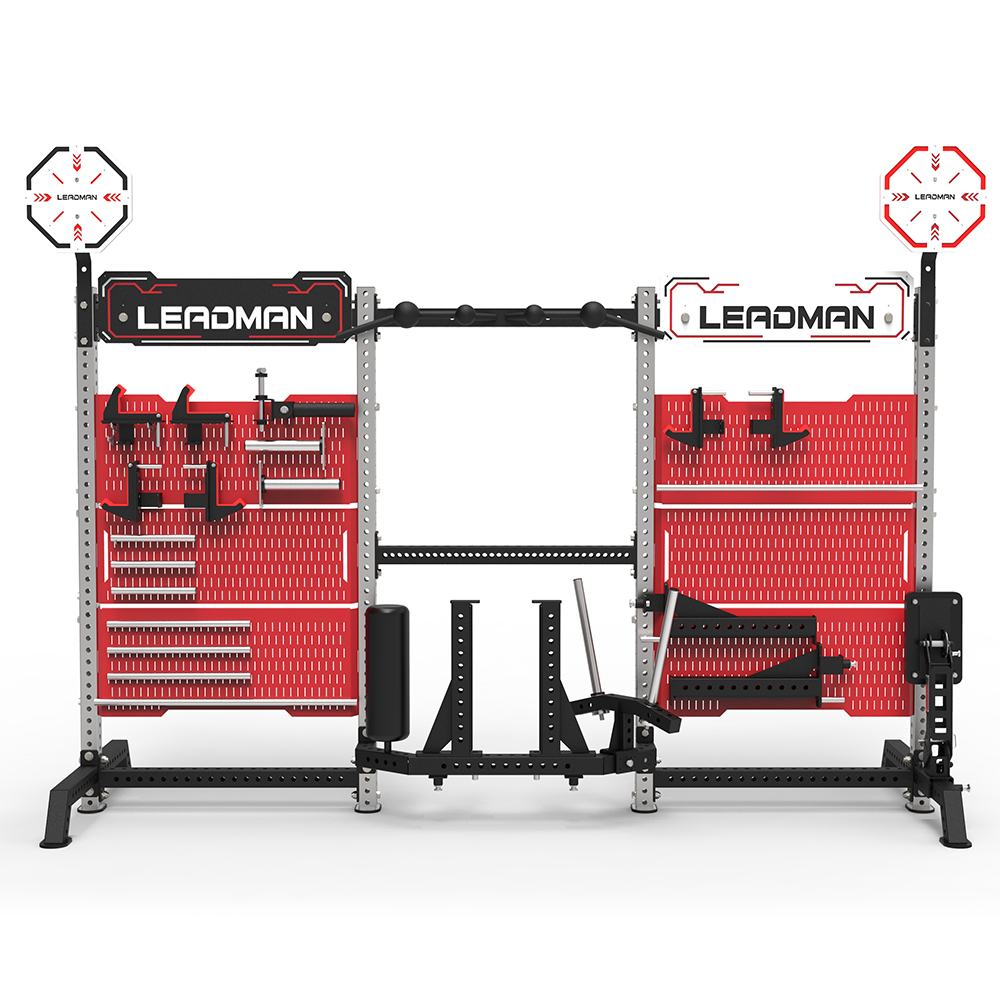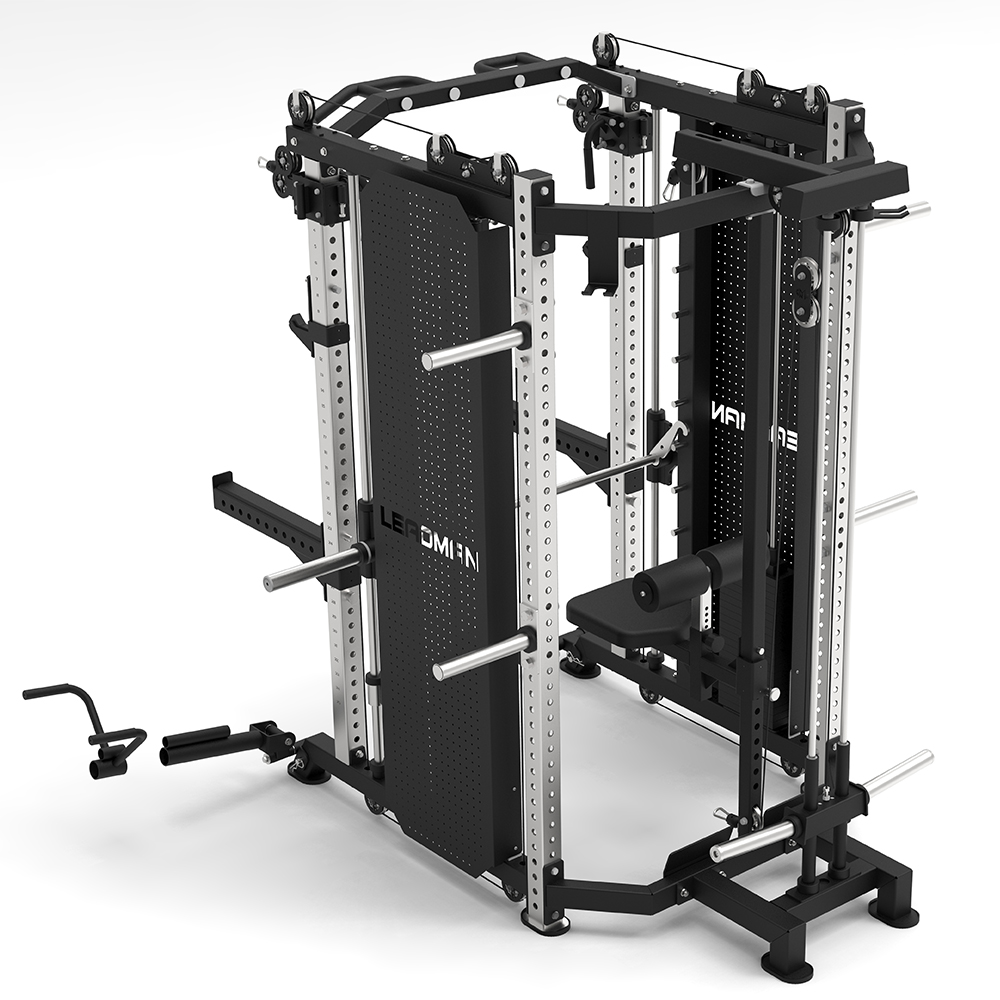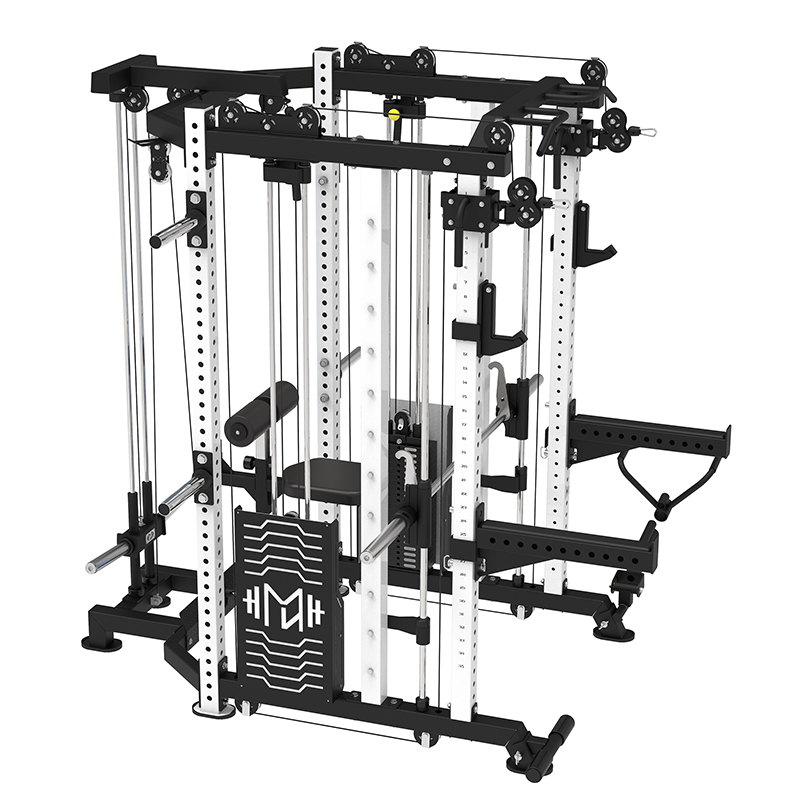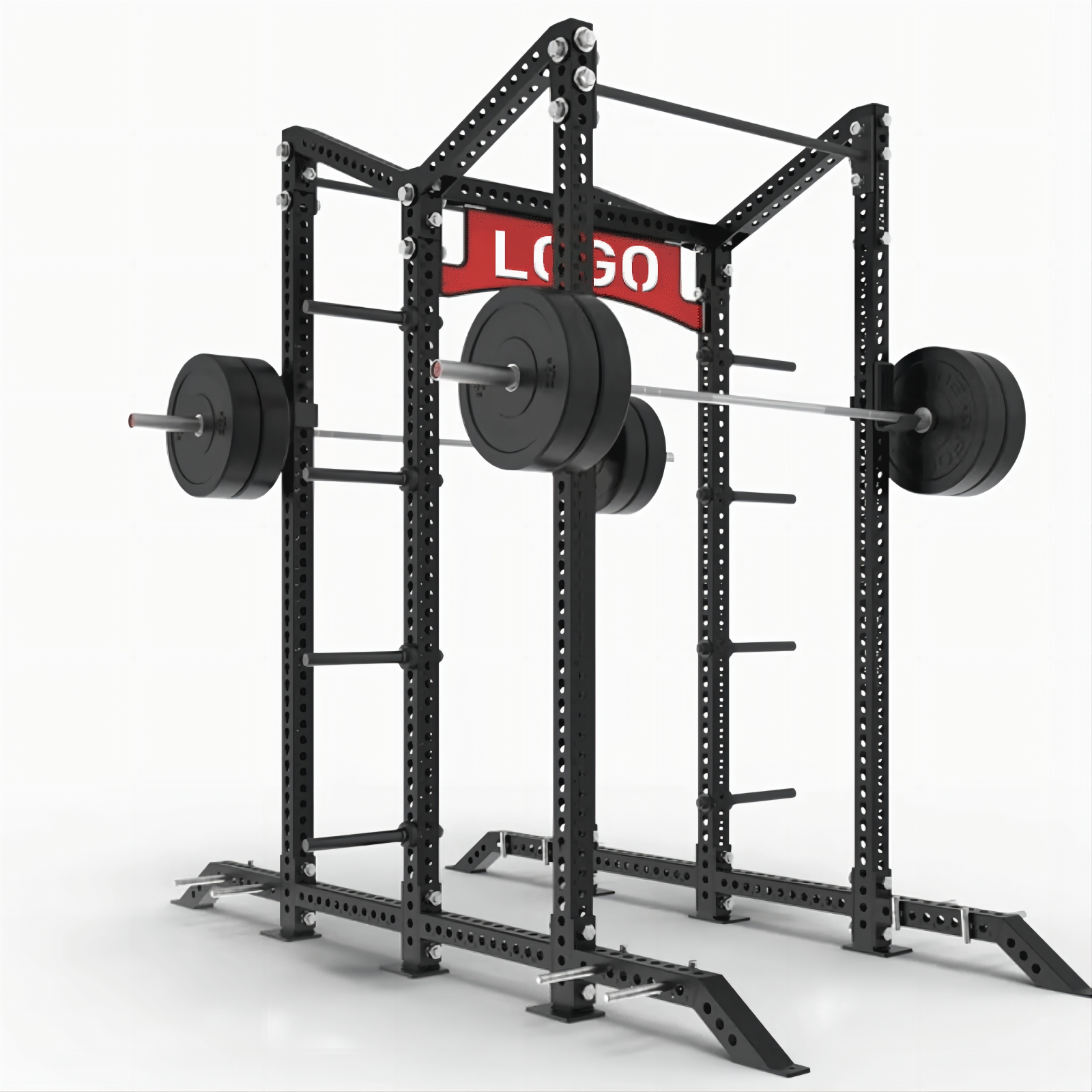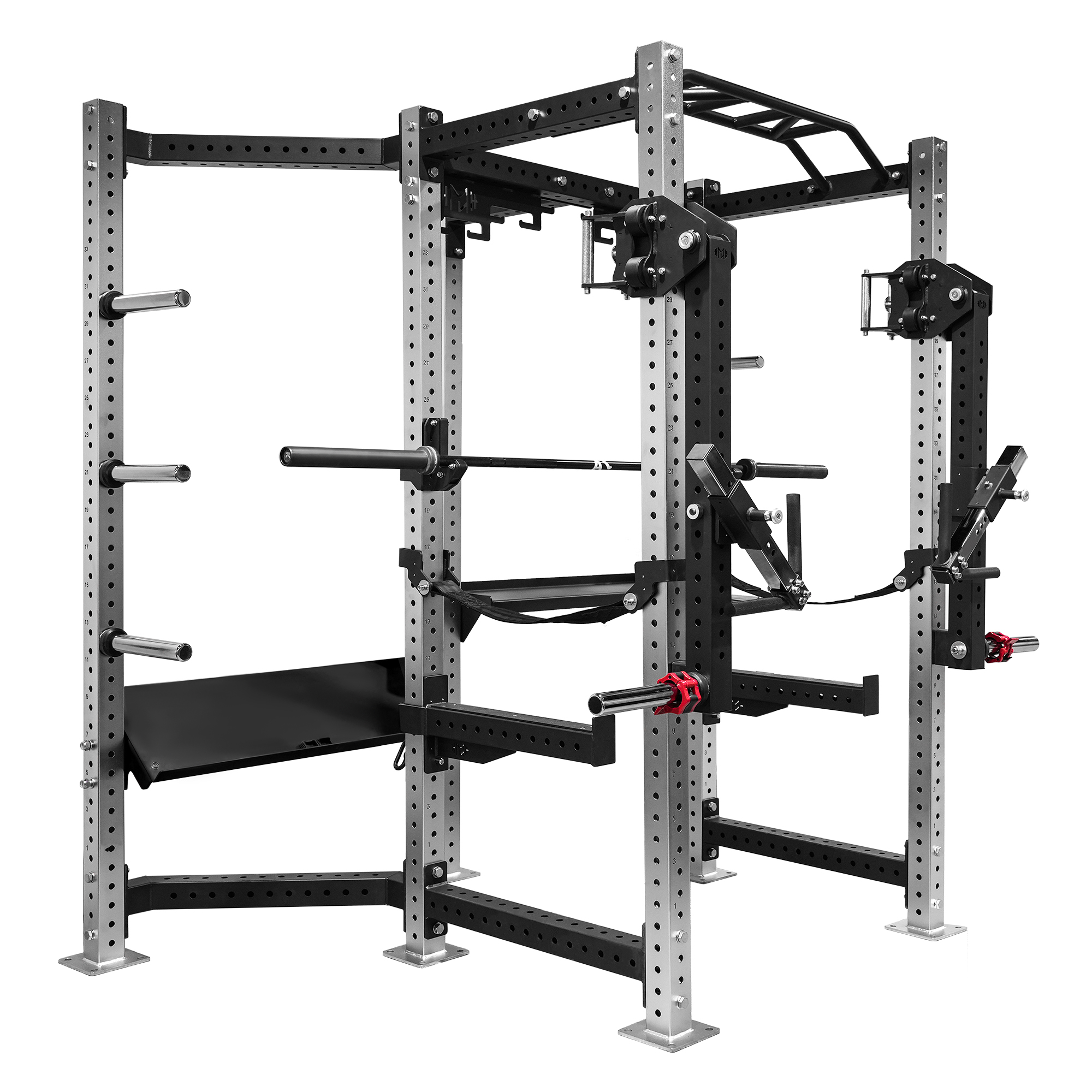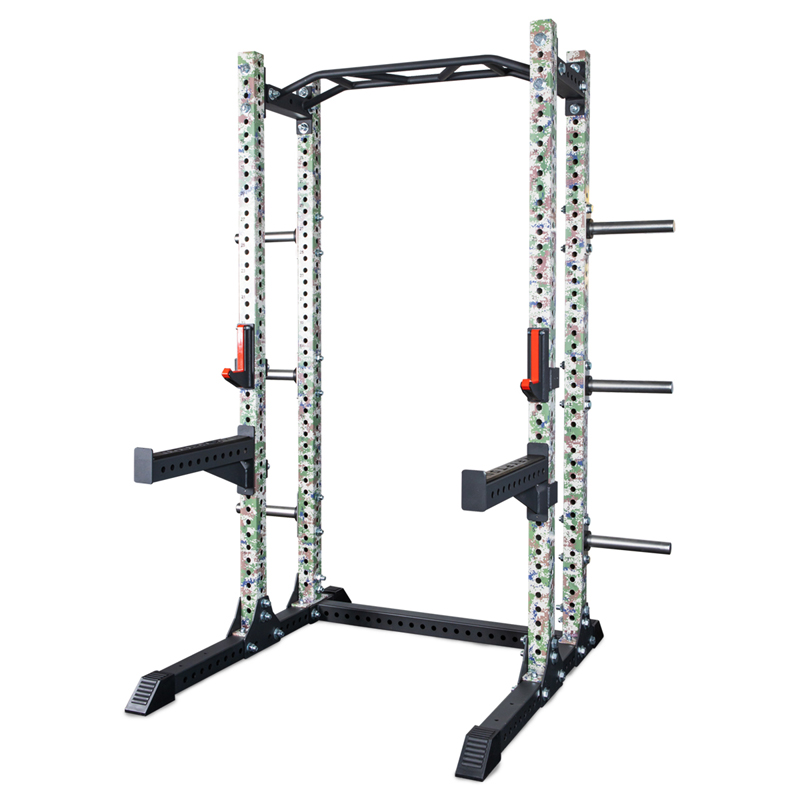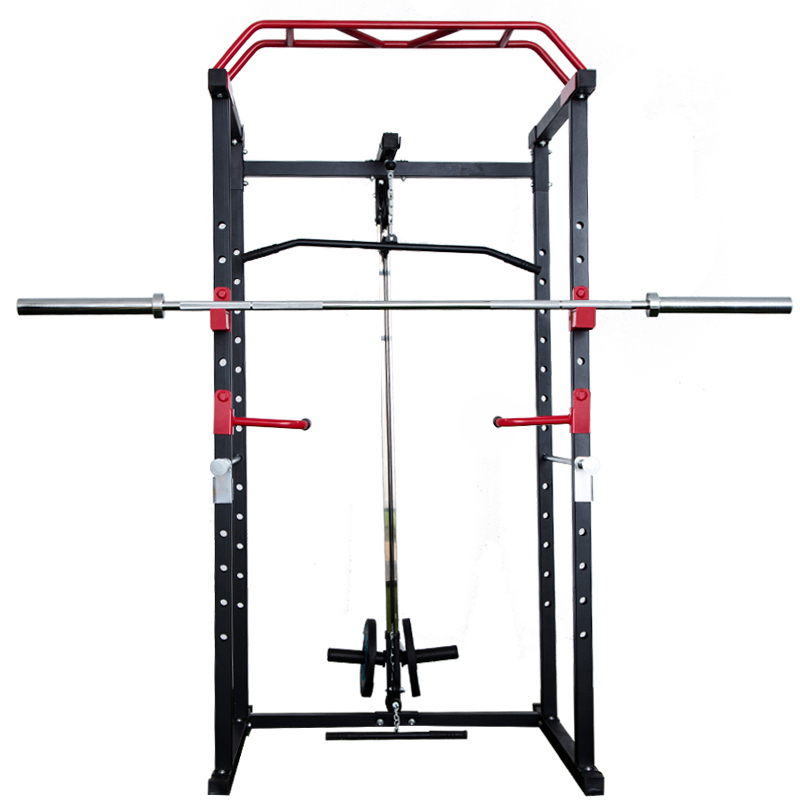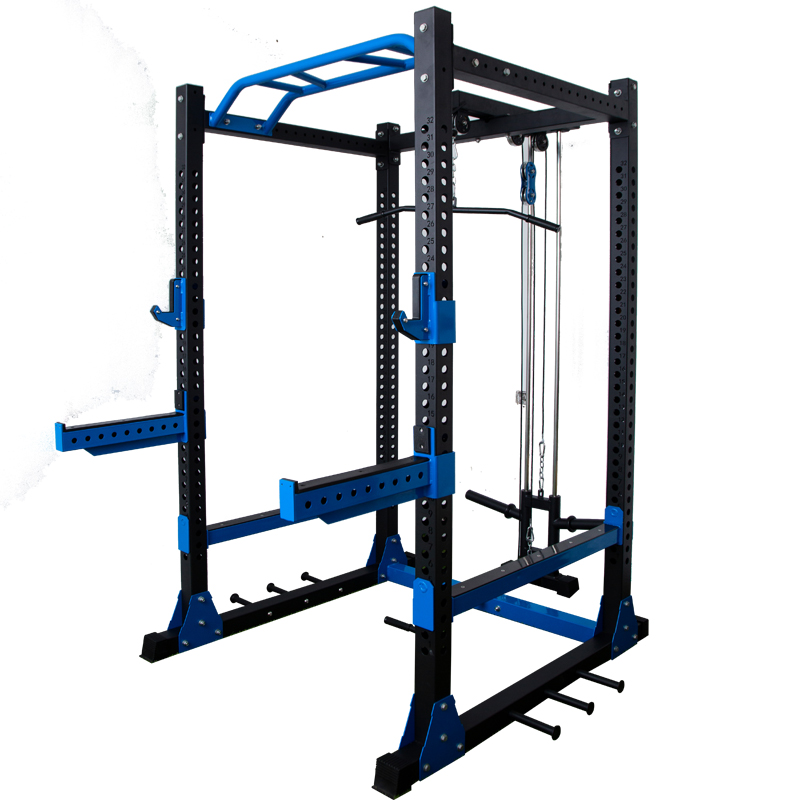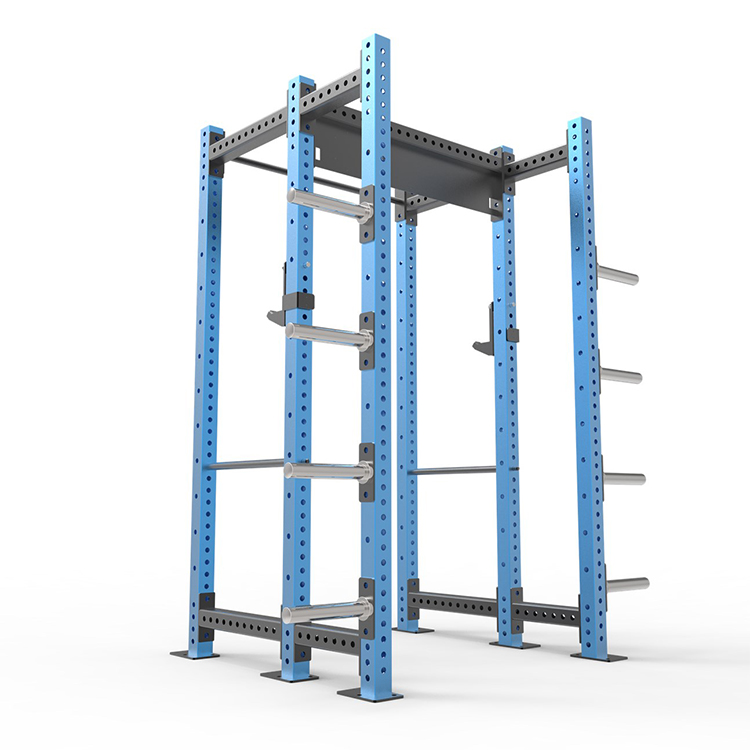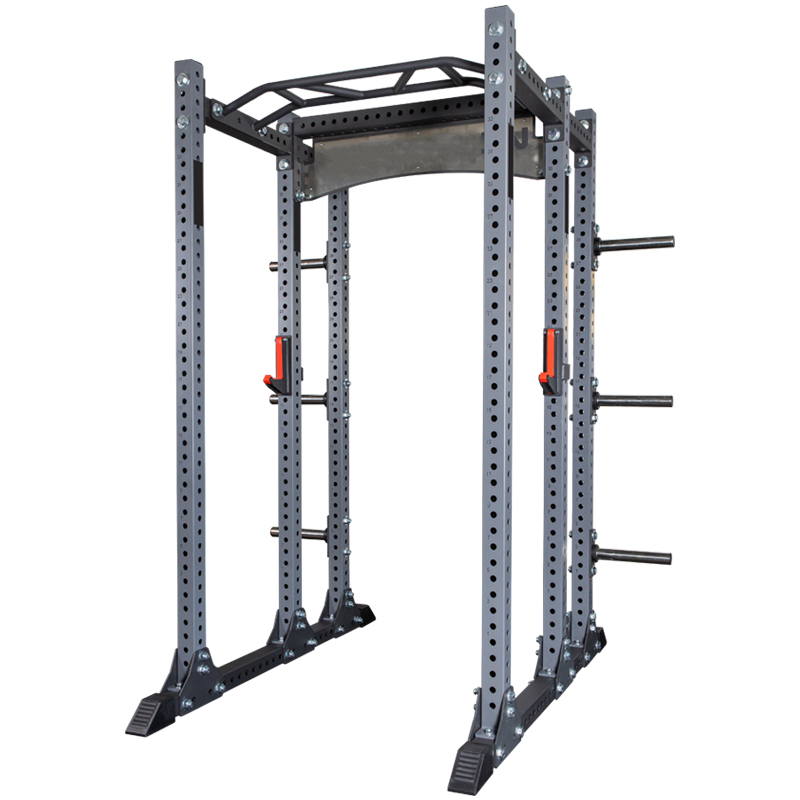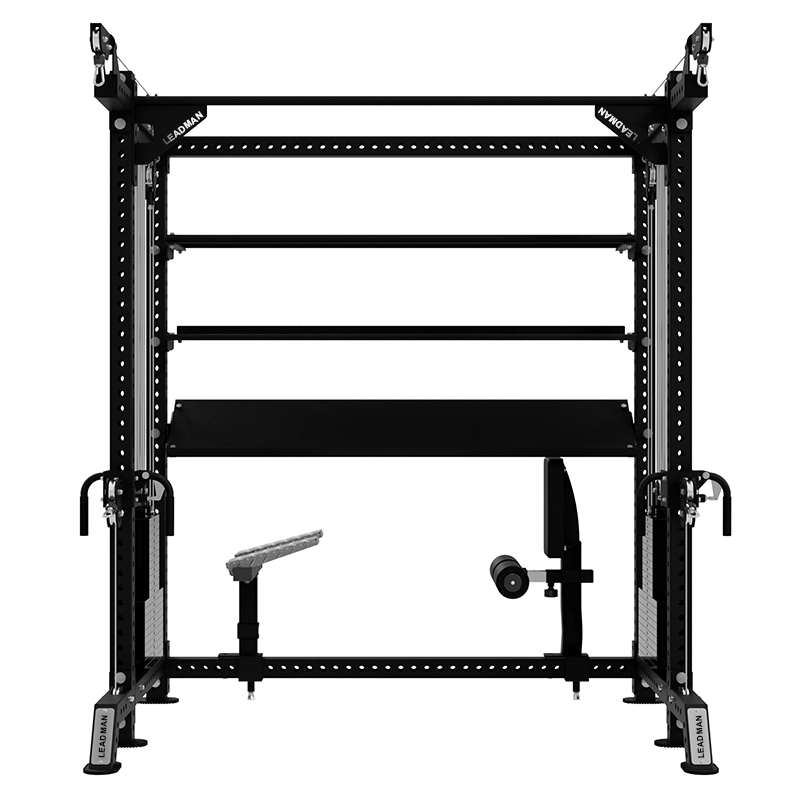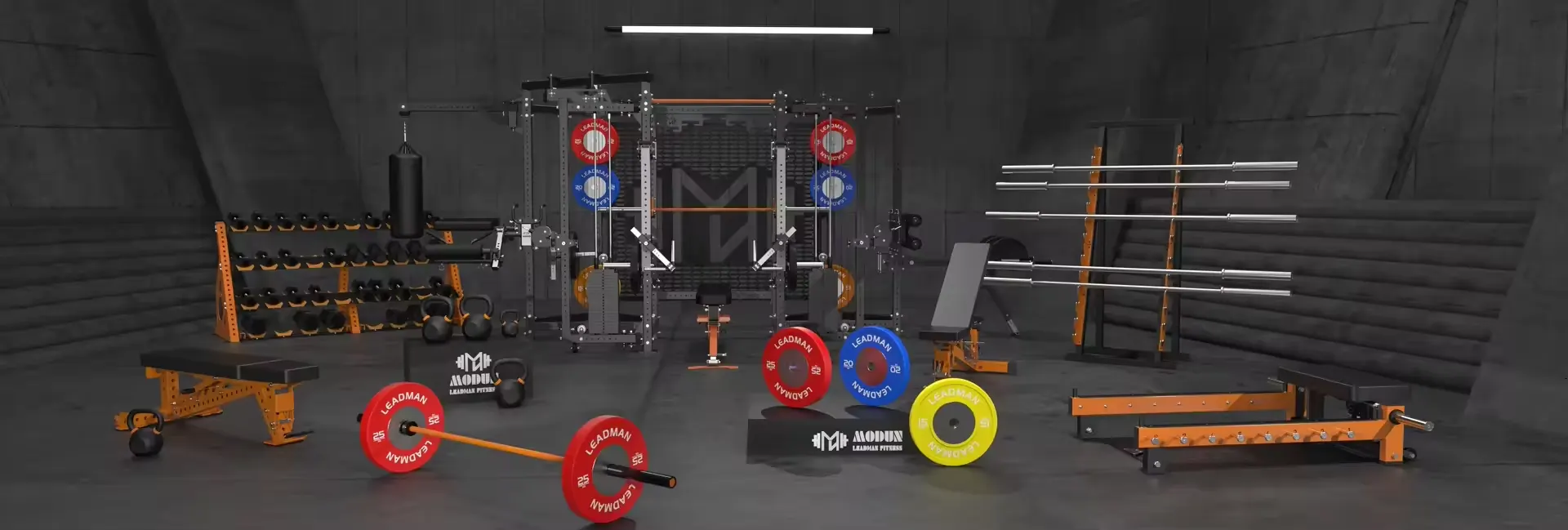
The dynamic power rack represents a significant evolution in strength training equipment, moving beyond the static, four-post cages that have dominated gyms for decades. Unlike traditional racks, which offer fixed bar catches and limited movement, dynamic systems integrate moving components—such as cable pulleys, articulated arms, or sliding trolleys—that enable users to perform exercises that mimic functional movements, like rotational throws, resisted punches, and multi-planar squats. This shift responds to the growing demand for training that translates to real-world athletic performance, rather than just linear strength gains. For athletes in sports like MMA, baseball, and track and field, the ability to train force production through multiple angles and with variable resistance is critical. The dynamic power rack bridges the gap between pure strength training and functional conditioning, offering a hybrid platform that can replace several pieces of equipment in a compact footprint.
The mechanism underpinning the dynamic power rack is grounded in variable resistance technology and cable-driven articulation. Most dynamic racks feature a pair of vertical guide rods or rails on which a moving carriage travels, connected to a weight stack or plate-loaded horn via a pulley system. This carriage can be adjusted to different heights, allowing for exercises like landmine rotations, single-arm cable presses, and even belt squats. High-end models incorporate micro-adjustment pulleys that change resistance profiles mid-rep, creating an accommodating resistance effect that matches the lifter's strength curve—for example, increasing resistance where the lifter is strongest to overcome sticking points. The rack's structure itself is often reinforced with thicker steel (typically 11-gauge or thicker) and includes a robust base plate to handle the lateral forces generated by dynamic movements, which can exceed those of static lifting by up to 30% due to momentum and rotational torque.
Evidence from sports science research supports the integration of dynamic resistance into strength protocols. A 2023 study published in the Journal of Strength and Conditioning Research found that athletes who incorporated dynamic rack exercises three times per week improved their rotational power by 19% over eight weeks, compared to a 7% improvement in a control group using only static barbell lifts. Practically, this translates to faster bat swing speeds, quicker hip turns in golf, and more explosive change-of-direction in basketball. Commercial gyms that have installed dynamic power racks report higher member engagement, particularly among younger demographics seeking novel training stimuli. For example, a fitness chain in the Midwest introduced dynamic racks to 10 of its locations and saw a 22% increase in strength floor usage among members aged 18–35 within the first quarter, attributing much of this to the rack's versatility and the "fun factor" of movements that feel like game-like drills.
From a facility planning and investment perspective, choosing the right dynamic power rack requires evaluating several key specifications beyond the price tag. First, verify the rack's dynamic load rating—the maximum resistance the moving carriage can handle safely. Entry-level units often rate at 150–200 pounds, while commercial-grade models can support up to 400 pounds, accommodating advanced athletes. Second, examine the cable and pulley quality; ensure they use industrial-grade bearings and low-friction materials (like nylon or polymer sheaths) to guarantee smooth operation and minimize maintenance. Third, consider the footprint: dynamic racks often require a wider base (e.g., 65 inches or more) and additional clearance for swinging arms, so measure your floor space carefully. Most critically, assess the rack's safety mechanisms—stopping pins, limit switches, and redundant locks—because dynamic movements involve rapid acceleration and deceleration, elevating injury risk if the equipment fails. Budget allocation should factor in regular cable replacement (every 12–18 months in high-use facilities) and pulley cleaning, adding roughly 5–10% to the annual maintenance budget compared to a standard rack.
The return on investment for a dynamic power rack extends beyond equipment versatility; it can dramatically affect programming options and member retention. With a single rack, a trainer can program a full-body circuit that includes squats, rows, presses, and rotational core work, reducing the need for multiple machines. This space efficiency is particularly valuable in boutique gyms and garage setups where every square foot matters. From a cost-benefit standpoint, a commercial dynamic rack priced at $4,000–$8,000 can replace a cable crossover station ($2,500), a landmine station ($600), and a functional trainer ($3,000), resulting in a net saving of 30–40% in equipment costs while using 60% less floor space. However, the move toward dynamic systems isn't without trade-offs; users accustomed to free weights may initially struggle with the instability of cable-based movements, and the learning curve can frustrate beginners. Therefore, gyms should provide introductory classes or video tutorials to unlock the rack's potential while ensuring safe adoption.
Looking ahead, the dynamic power rack market is moving toward smart integration, with models featuring built-in load sensors, rep counters, and Bluetooth connectivity to sync with fitness apps. These innovations allow real-time feedback on velocity, power output, and asymmetries—data that coaches can use to fine-tune training loads and reduce injury risk. Early adopters of smart dynamic racks report a 25% increase in athlete adherence to prescribed velocity-based training protocols. As the cost of sensors and electronics decreases, these features are likely to become standard in mid-range units over the next two to three years. For facility owners, this suggests a strategic choice: invest now in a robust mechanical rack that can be retrofitted with aftermarket sensors, or wait for the next generation of fully integrated systems. Whichever path is chosen, the dynamic power rack is cementing its role as a cornerstone of modern strength training, offering a blend of safety, versatility, and performance enhancement that traditional racks simply cannot match.

Let our experts design the perfect gym solution for your business. Get a free consultation and quote today.