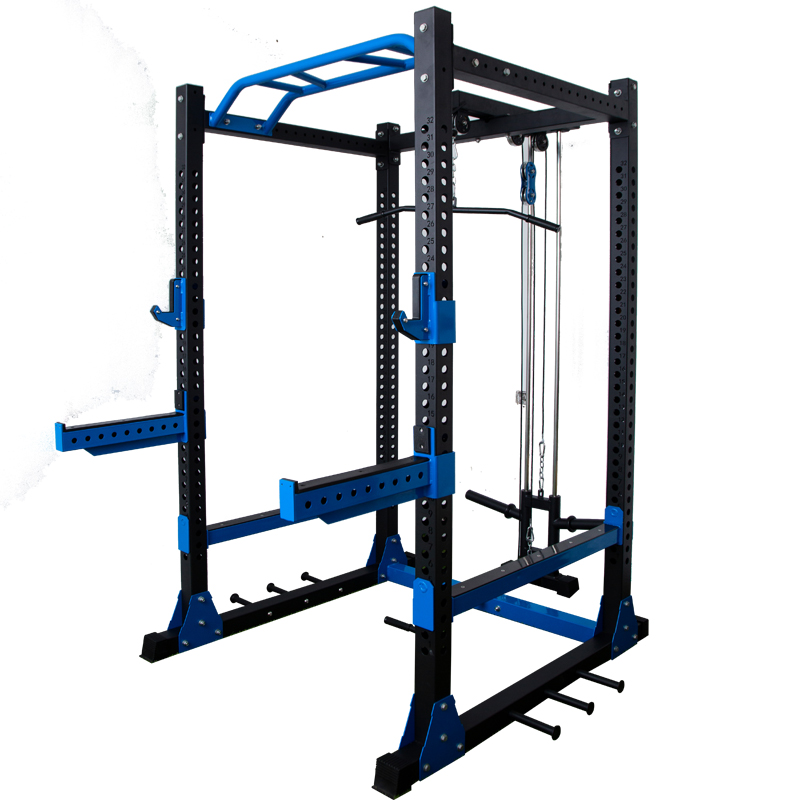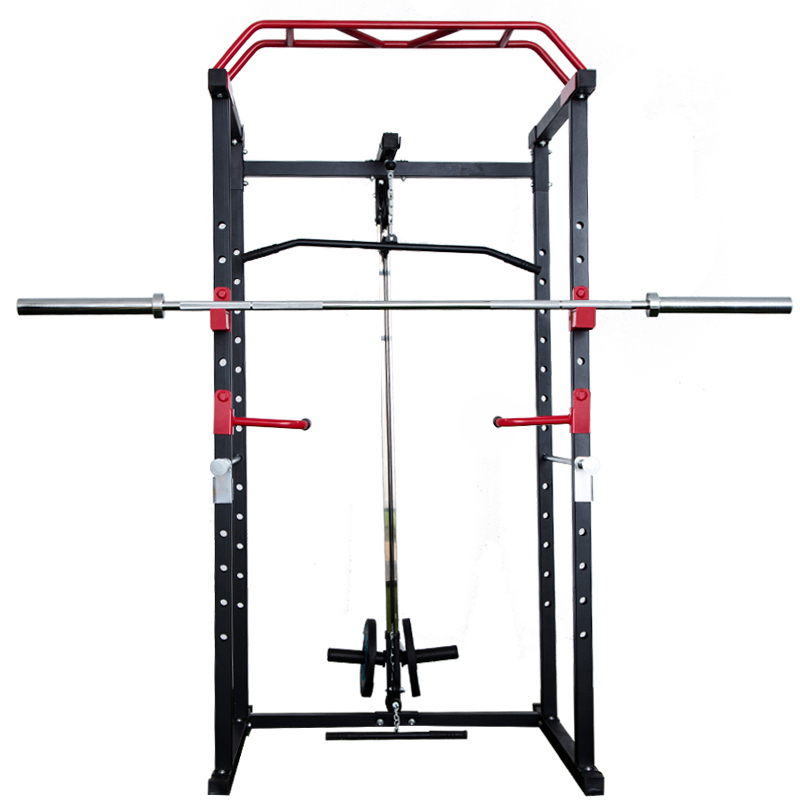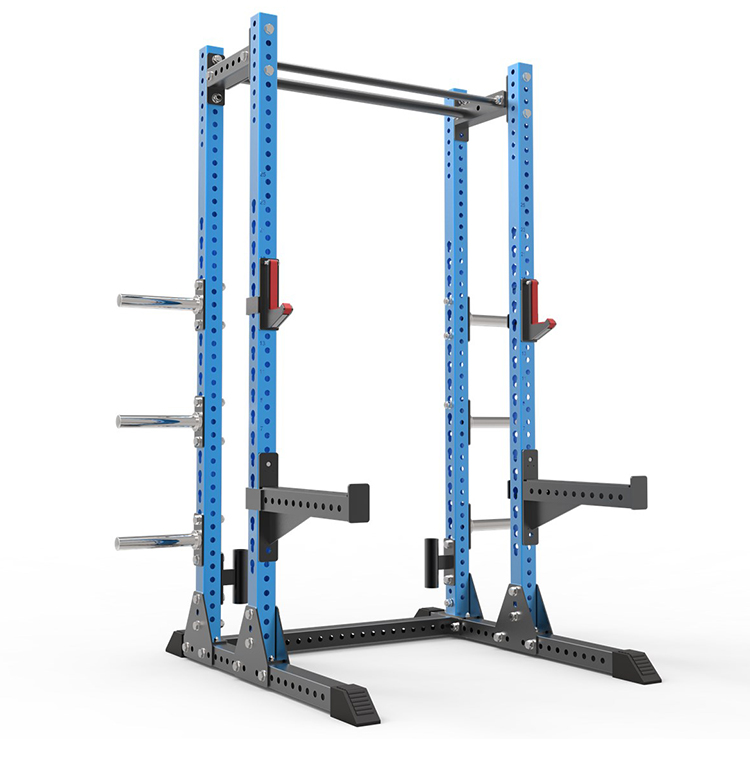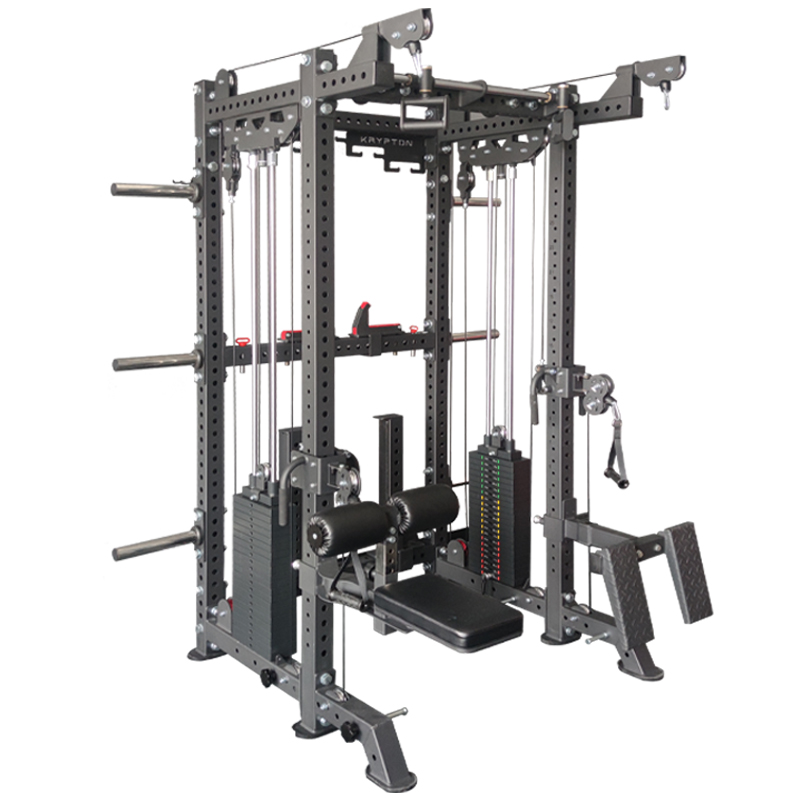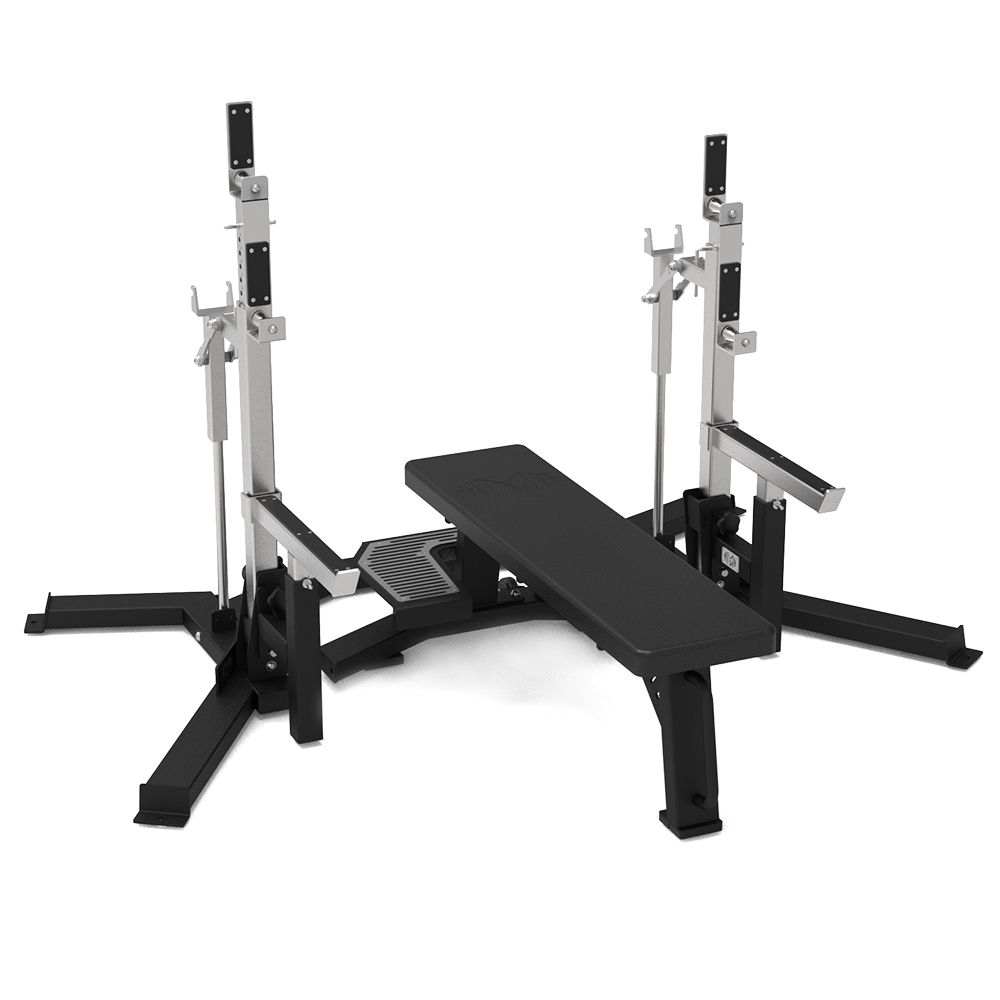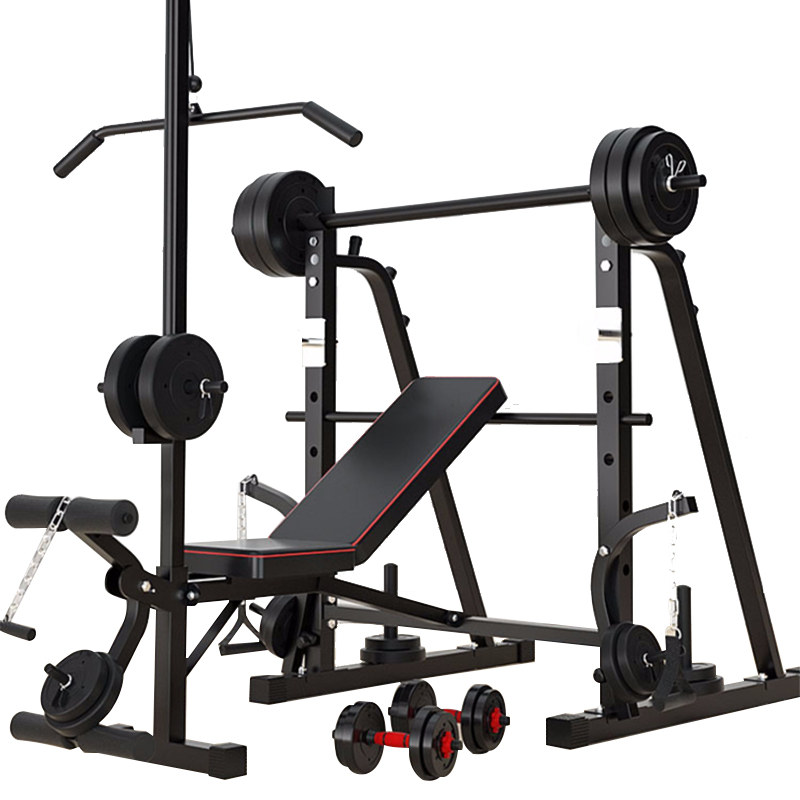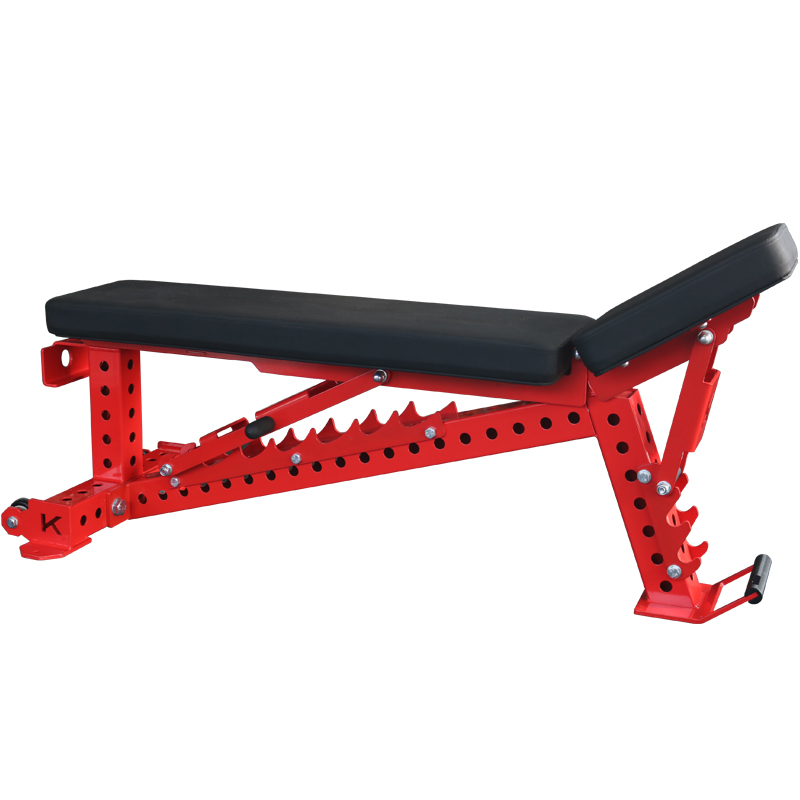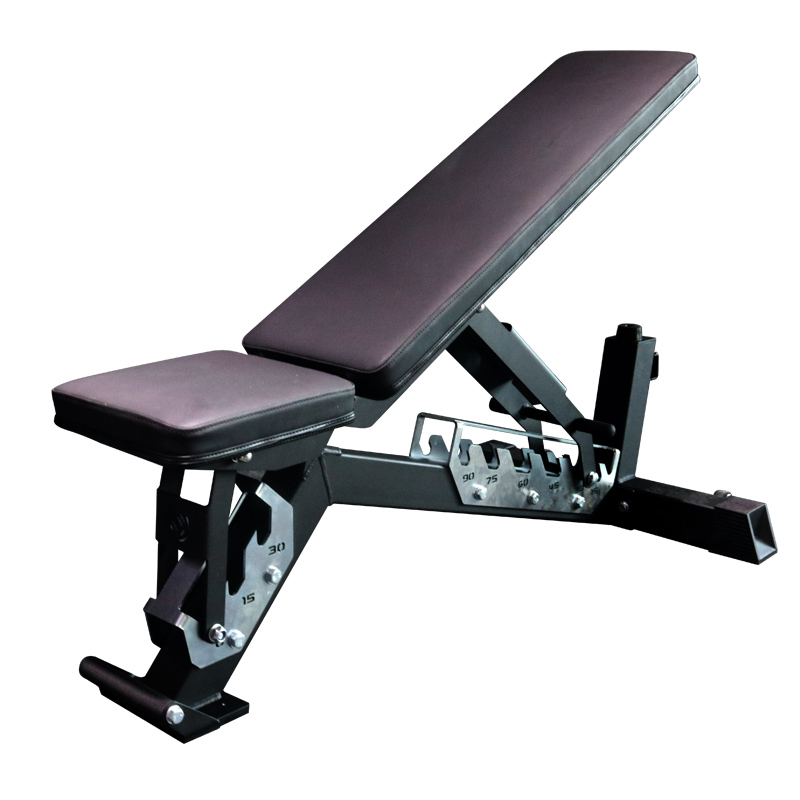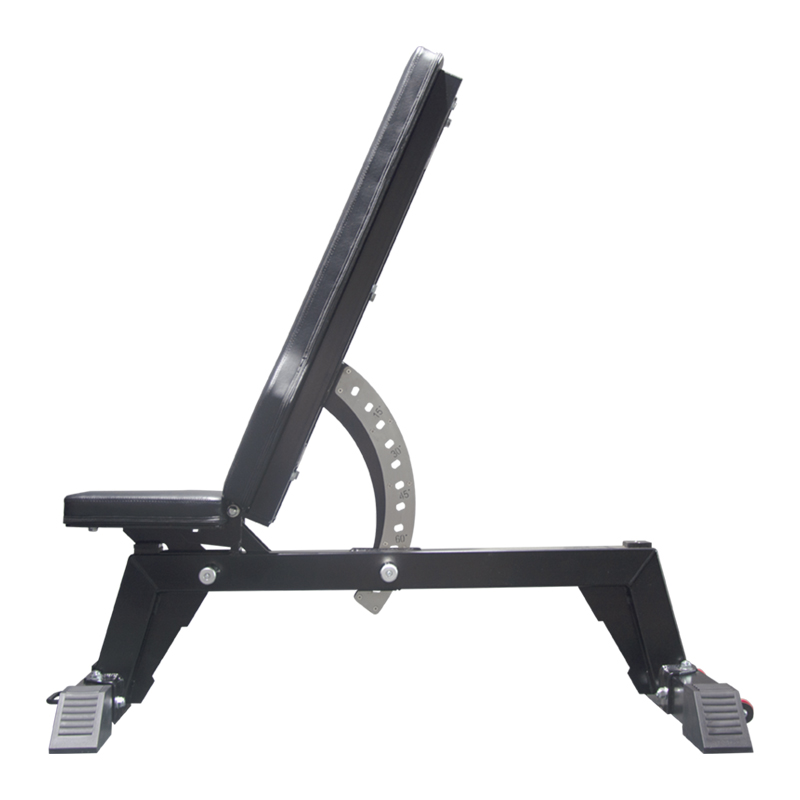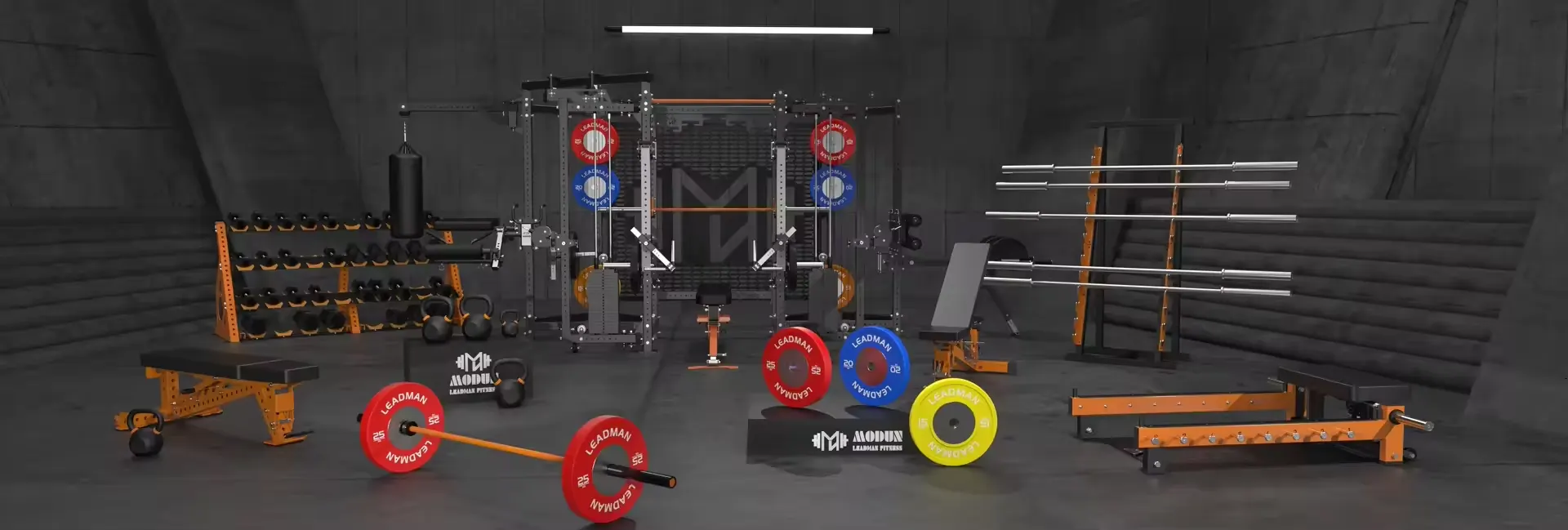
For any serious strength training facility, the squat rack is the undeniable centerpiece—a decision that shapes the entire training environment. The sheer variety of different squat racks available today can be overwhelming, yet understanding the specific advantages of each type is critical to optimizing both safety and performance. From the space-saving functionality of a half rack to the comprehensive safety of a full power rack, and the versatility of a wall-mounted folding option, each design serves a distinct purpose, catering to different training styles, floor space constraints, and athlete populations.
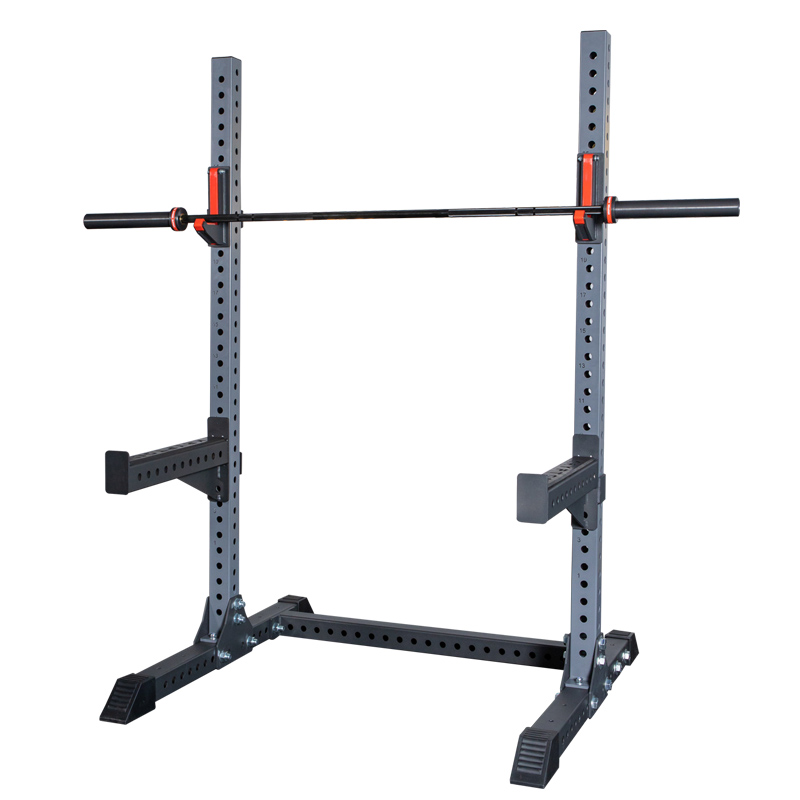
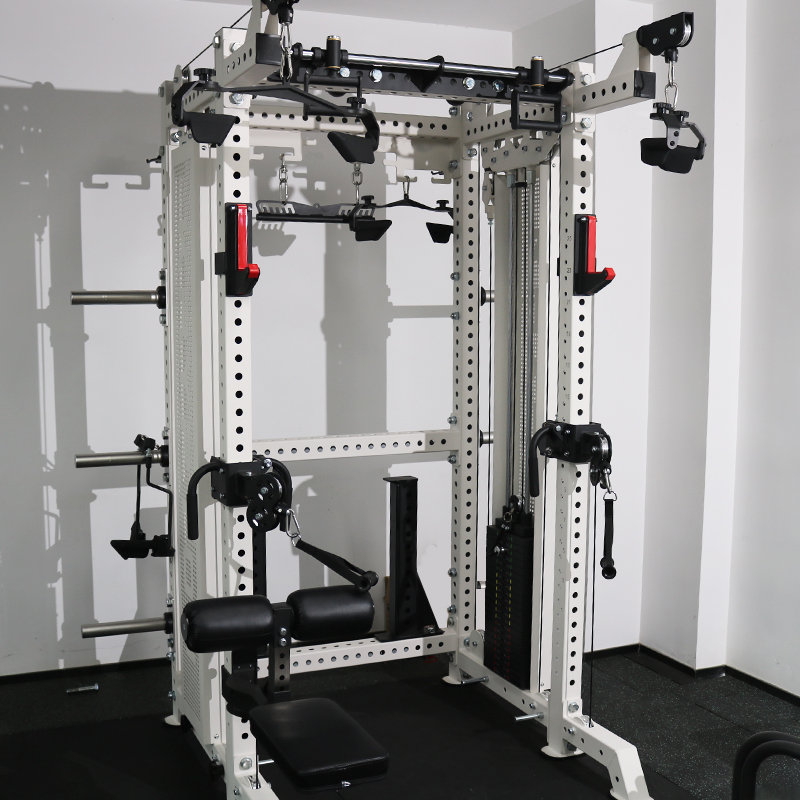
At the foundation of squat rack selection lies the distinction between a power rack and a squat stand. A full power rack, characterized by its four upright posts and a complete cage structure, offers the highest level of safety for solo lifting. Its adjustable safety pins or straps allow the lifter to push to failure without risk of being trapped under a heavy barbell, making it the preferred choice for powerlifters and those training in commercial settings where a wide variety of users are present. Conversely, a squat stand, featuring only two uprights, offers a smaller footprint and is often more affordable, but it requires spotters for safe heavy lifting, making it suitable for more experienced lifters or facilities with dedicated coaching staff.
The half rack occupies a versatile middle ground, combining elements of both power racks and squat stands. It features a sturdy base and often includes additional storage pegs for plates, making it a highly functional and space-efficient solution for many facilities. The open design of a half rack facilitates easier access and movement around the equipment, which can be beneficial for dynamic training sessions. However, it does not provide the same level of fall protection as a full rack, making it ideal for commercial gyms that also employ professional spotting services.
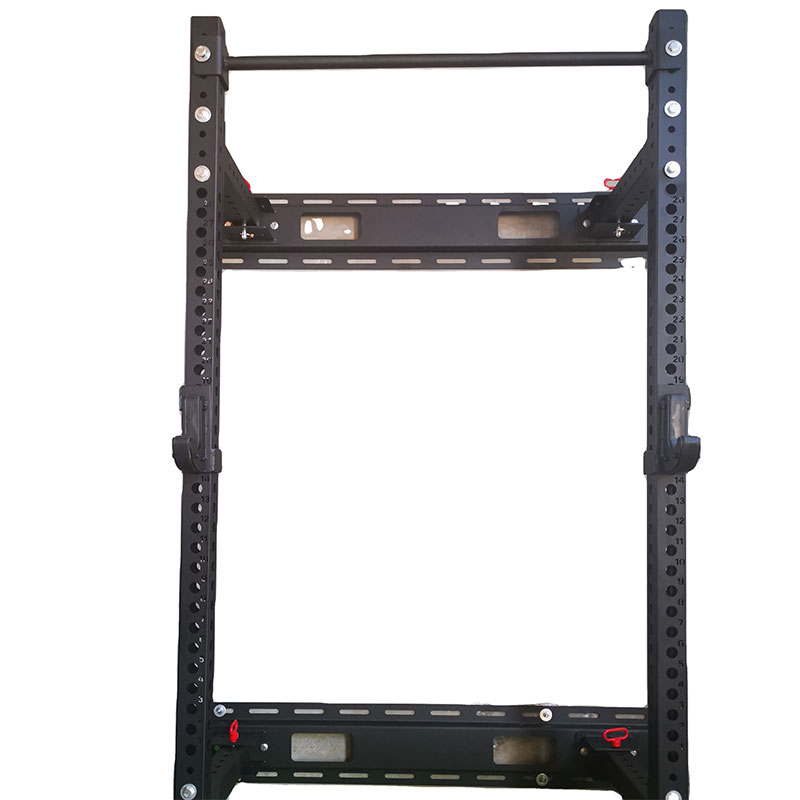
For facilities with significant space constraints, the wall-mounted folding squat rack presents an innovative and practical solution. This design allows the rack to be folded flat against the wall when not in use, maximizing valuable floor space for other activities. When deployed, it provides a secure and stable platform for lifting. This type of rack is particularly popular in boutique studios, home gyms, and multi-purpose fitness centers where space optimization is a primary concern.
The material construction and manufacturing quality are the final determinants of a squat rack's longevity and performance. High-quality racks are constructed from heavy-gauge steel, with robust welds and durable powder-coat finishes to resist chipping and corrosion. The consistency of the upright holes, which allow for precise and secure adjustments, is a hallmark of superior manufacturing precision. By carefully evaluating the different types of squat racks against their specific needs and constraints, gym owners can make an investment that enhances safety, maximizes space utilization, and supports the long-term growth of their training facility.
Let our experts design the perfect gym solution for your business. Get a free consultation and quote today.