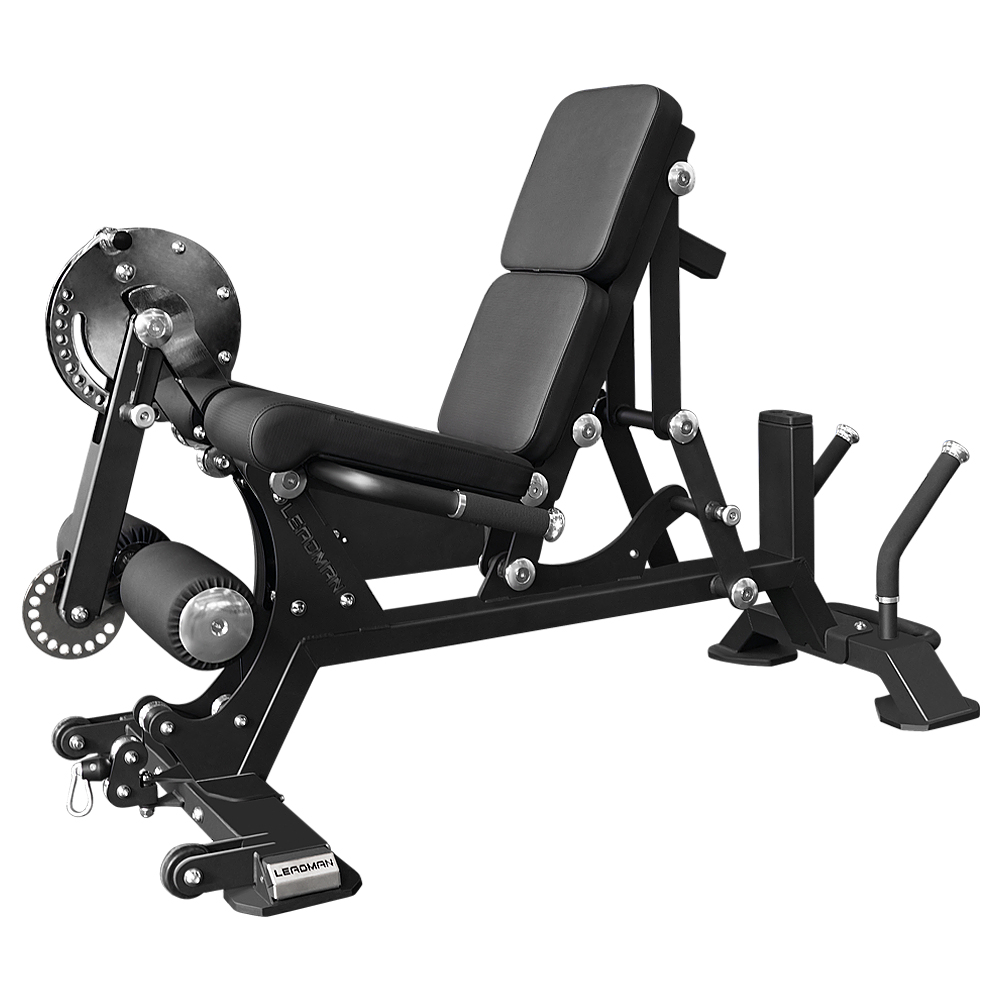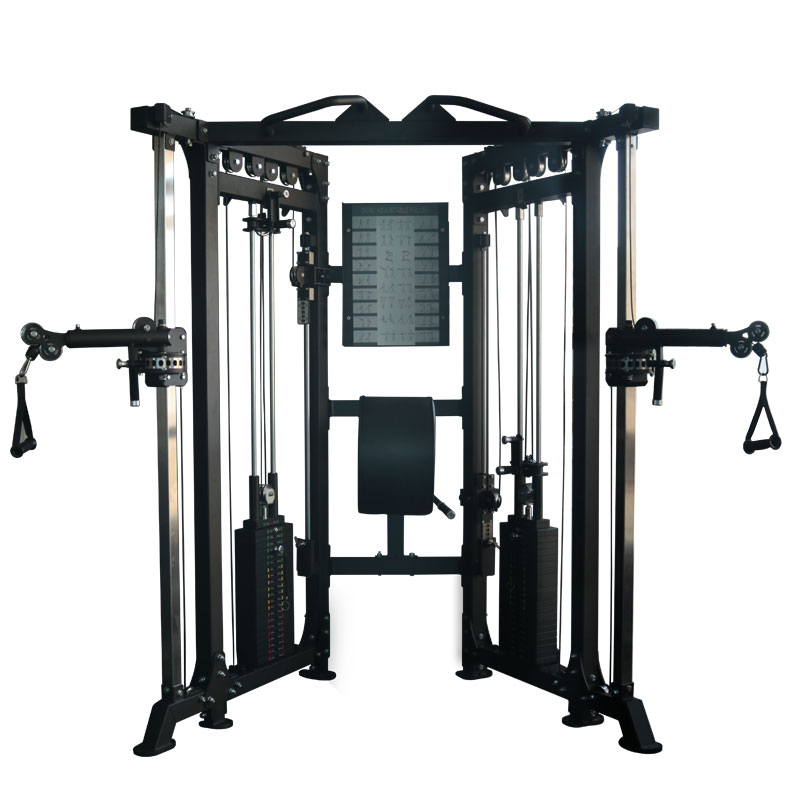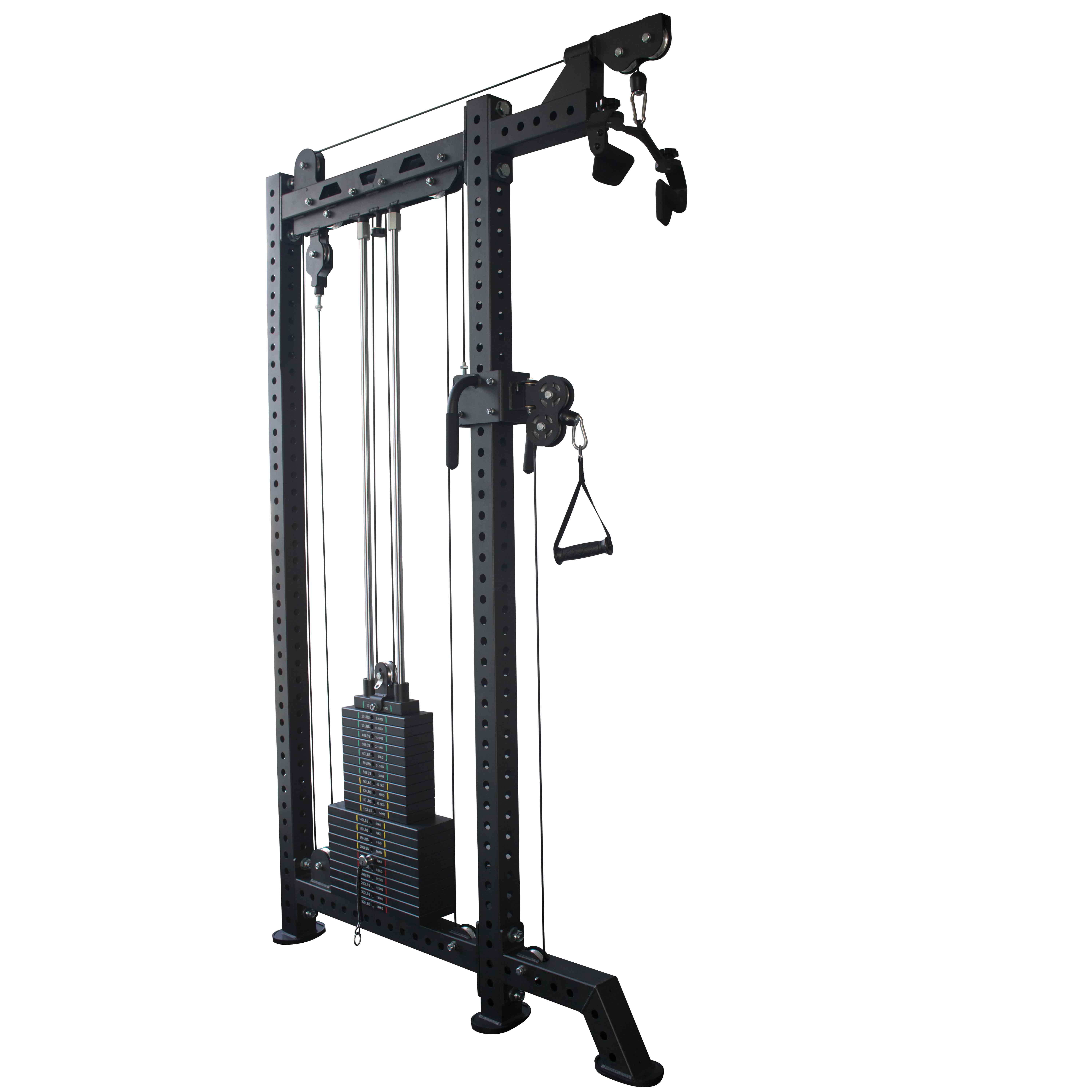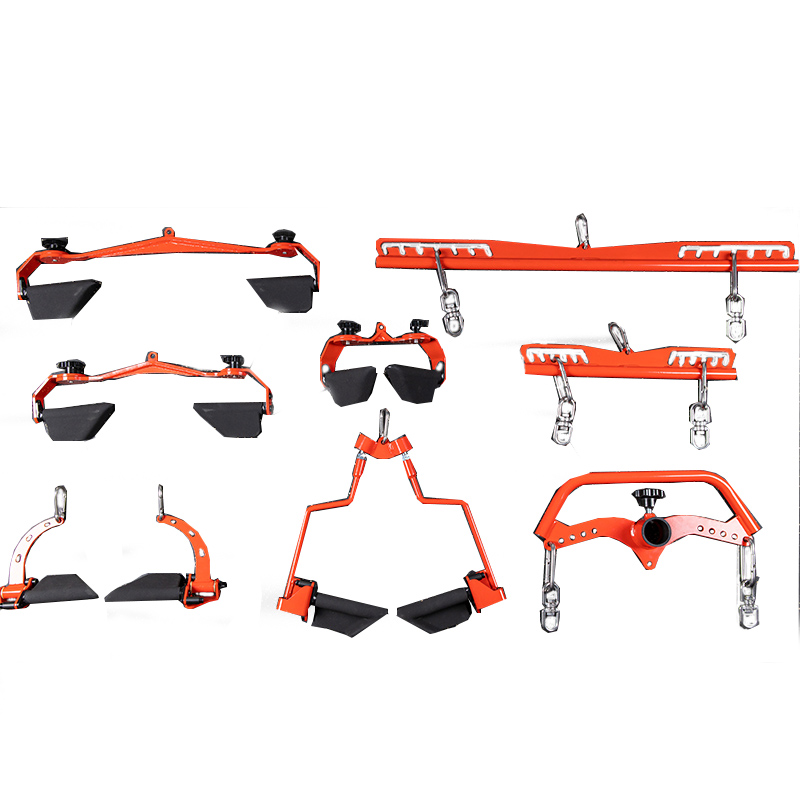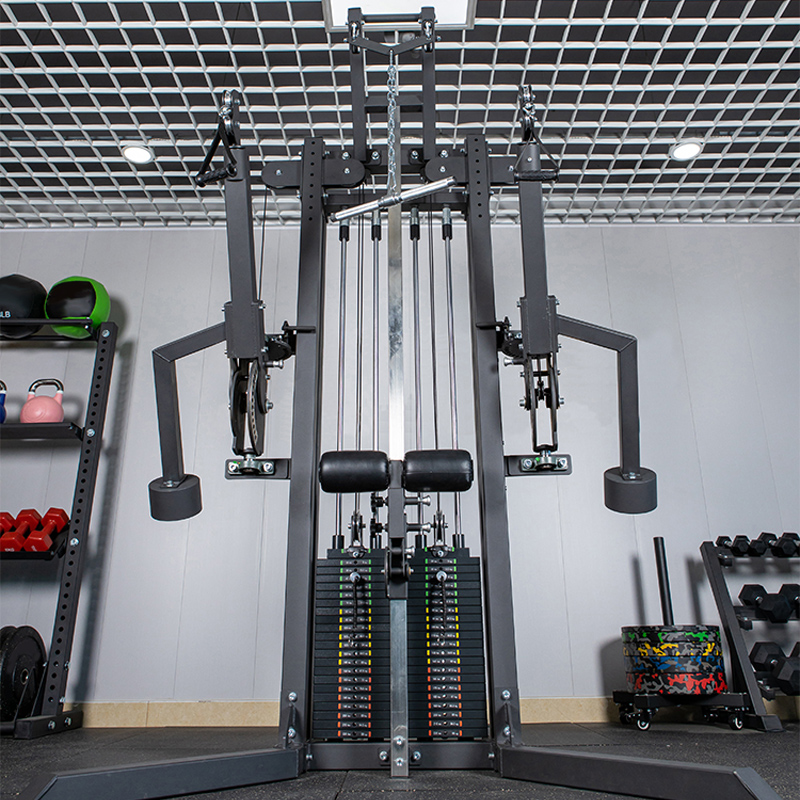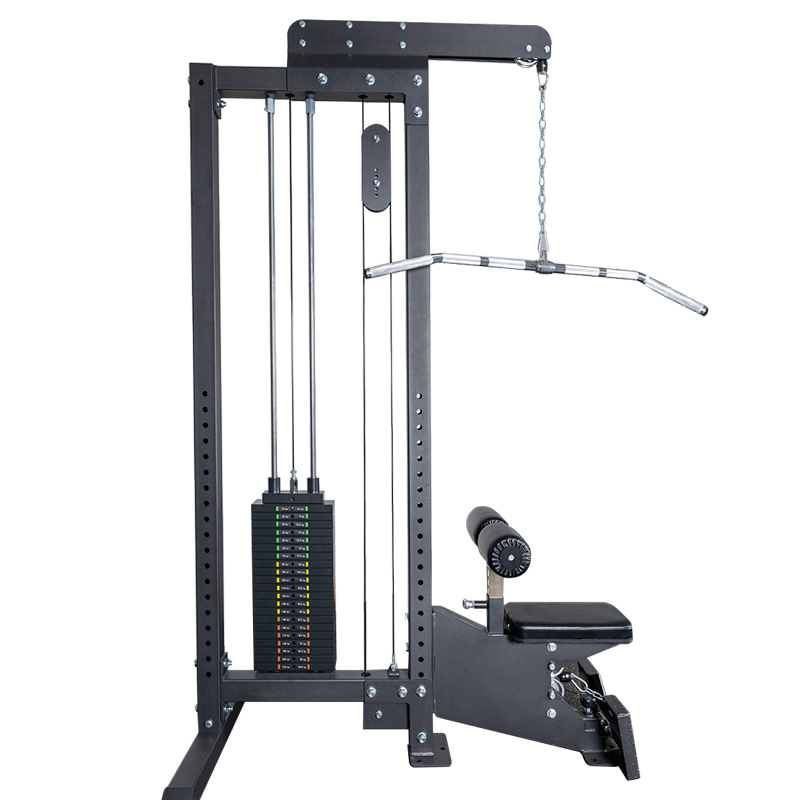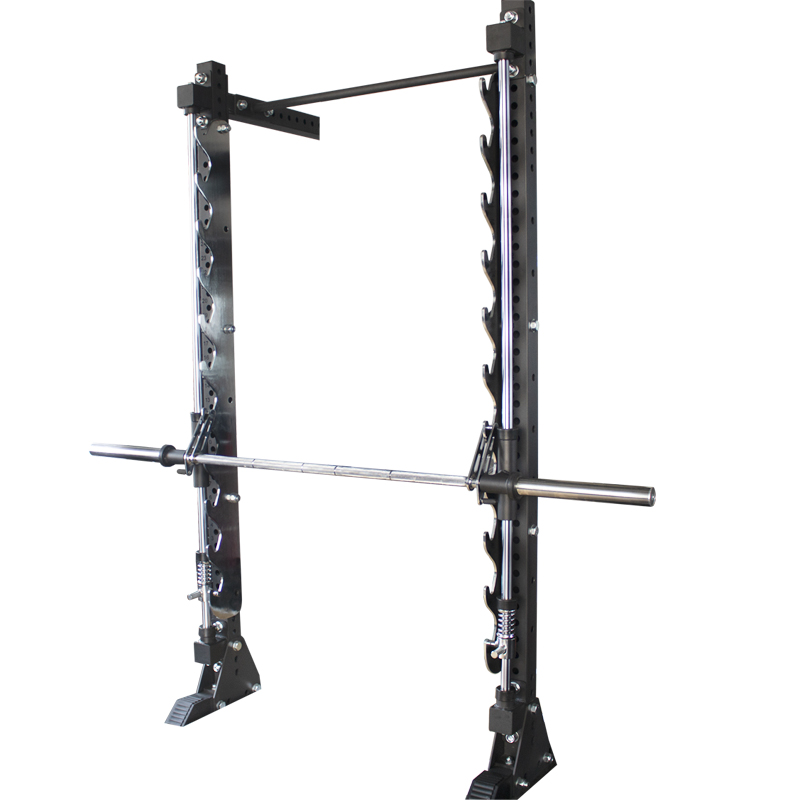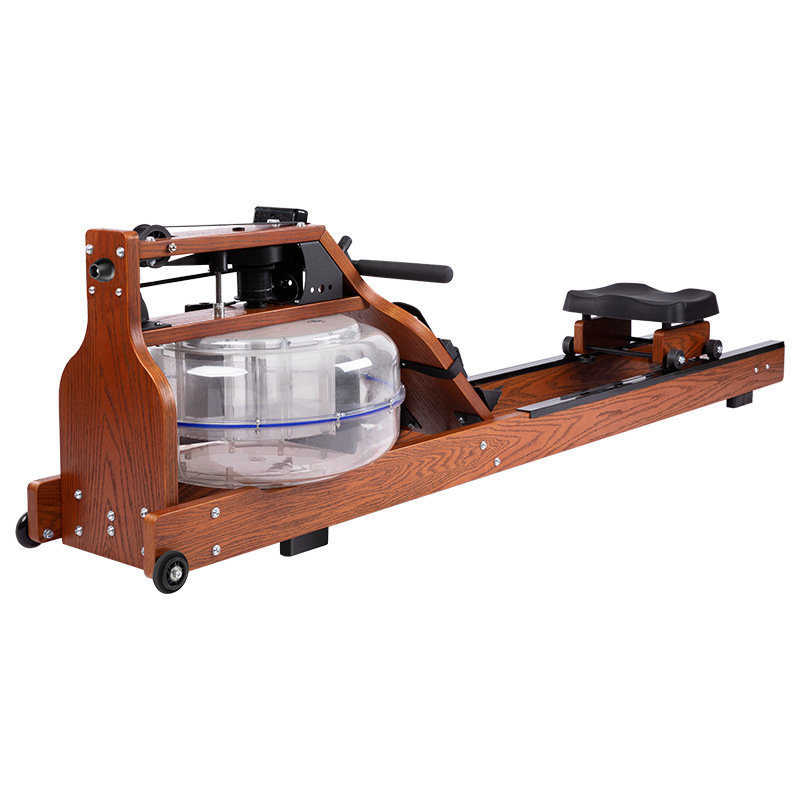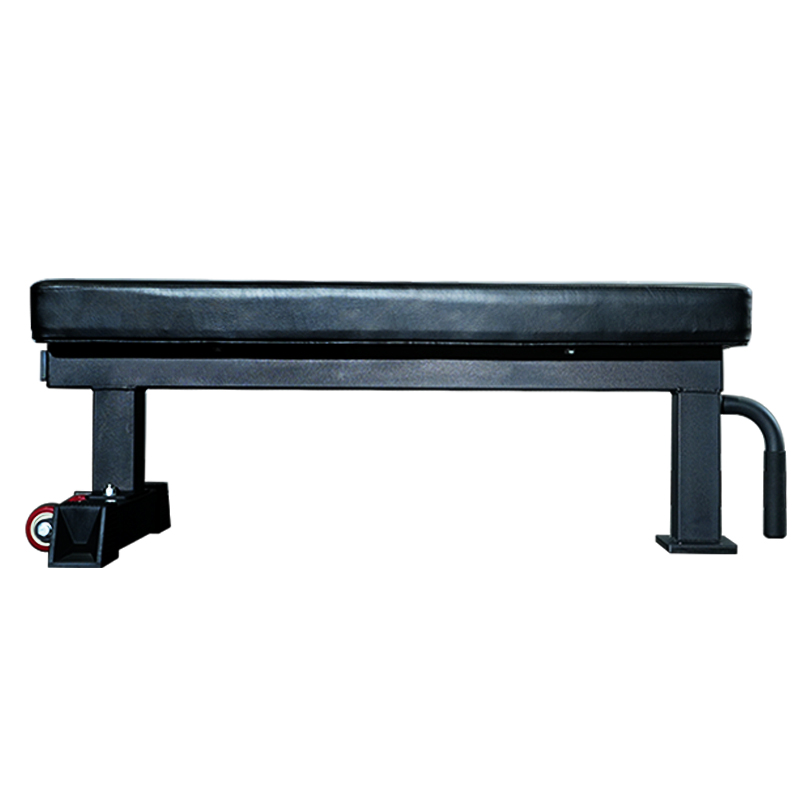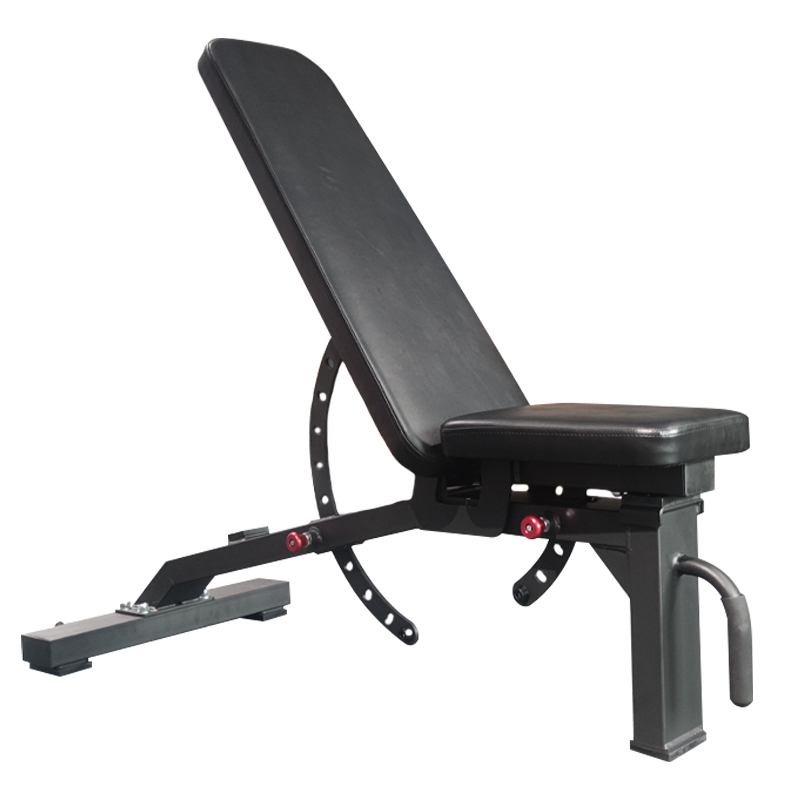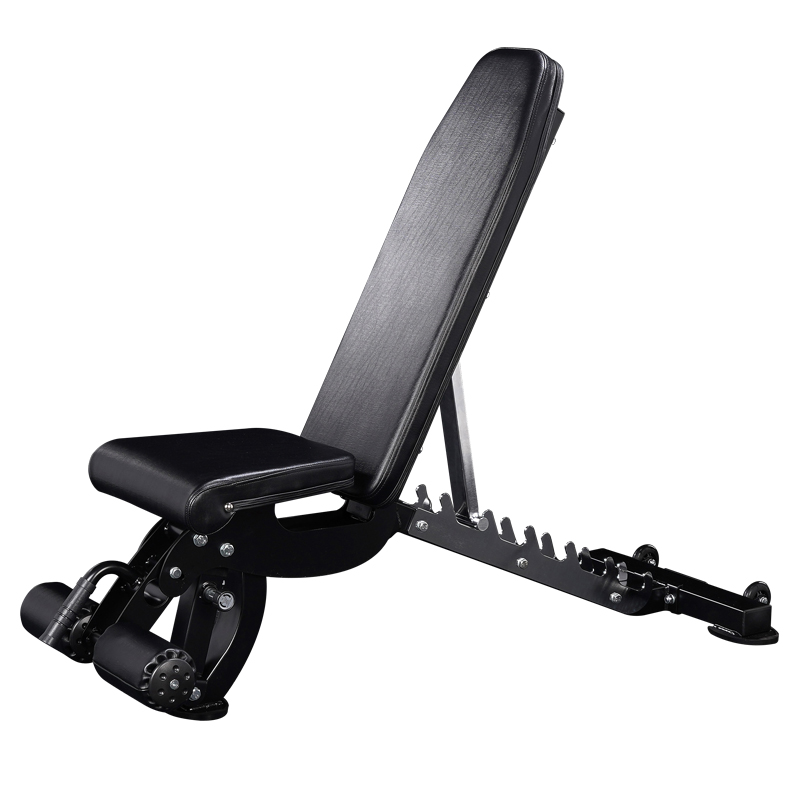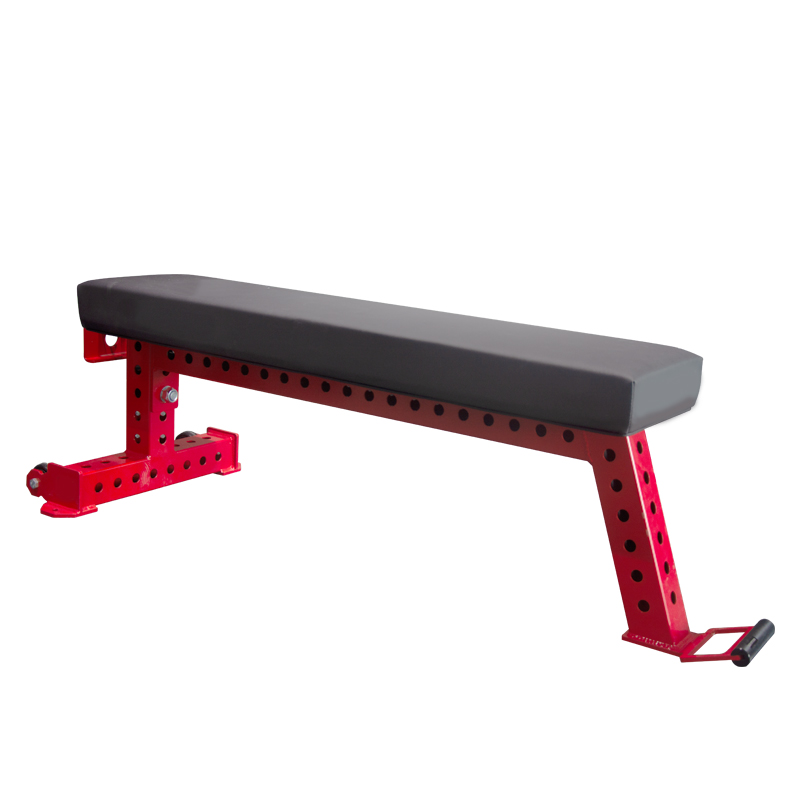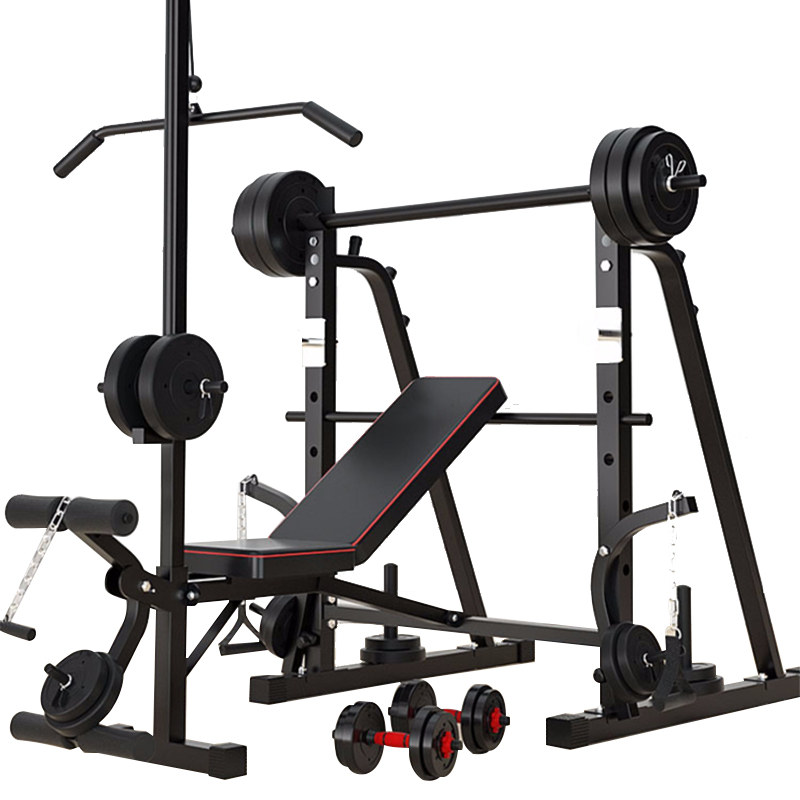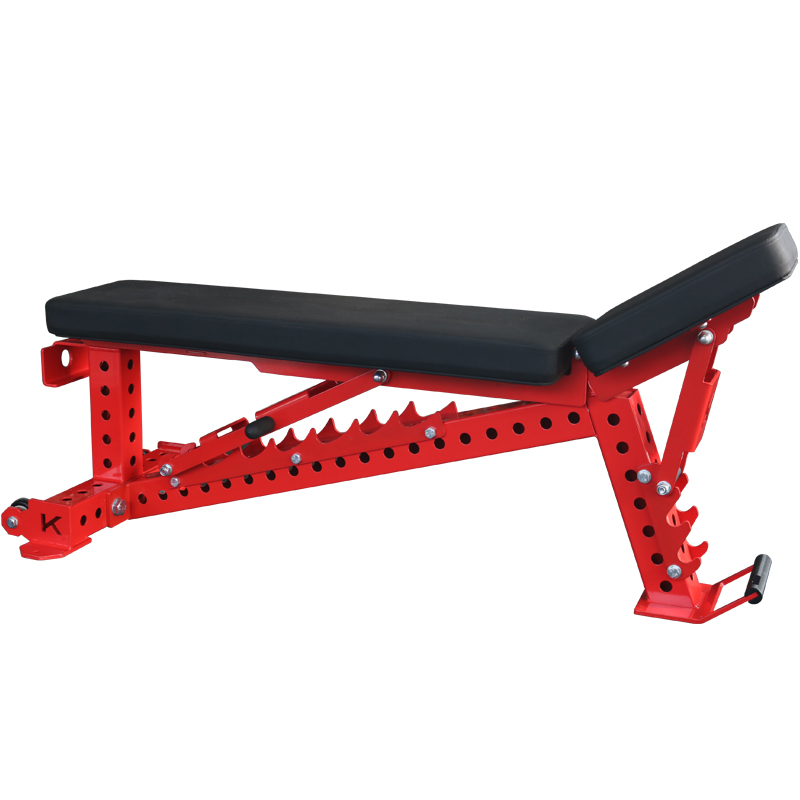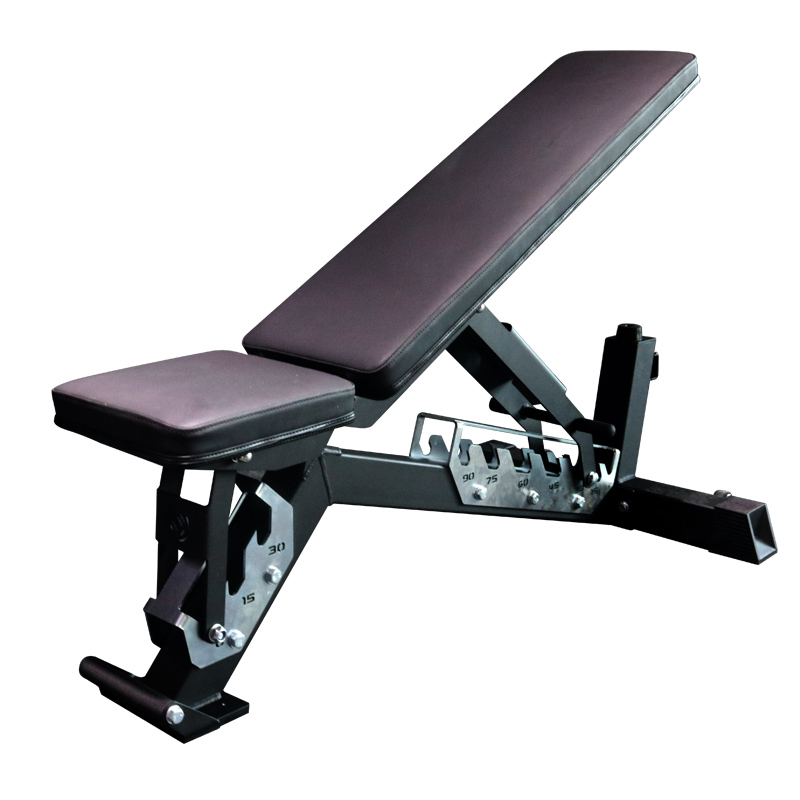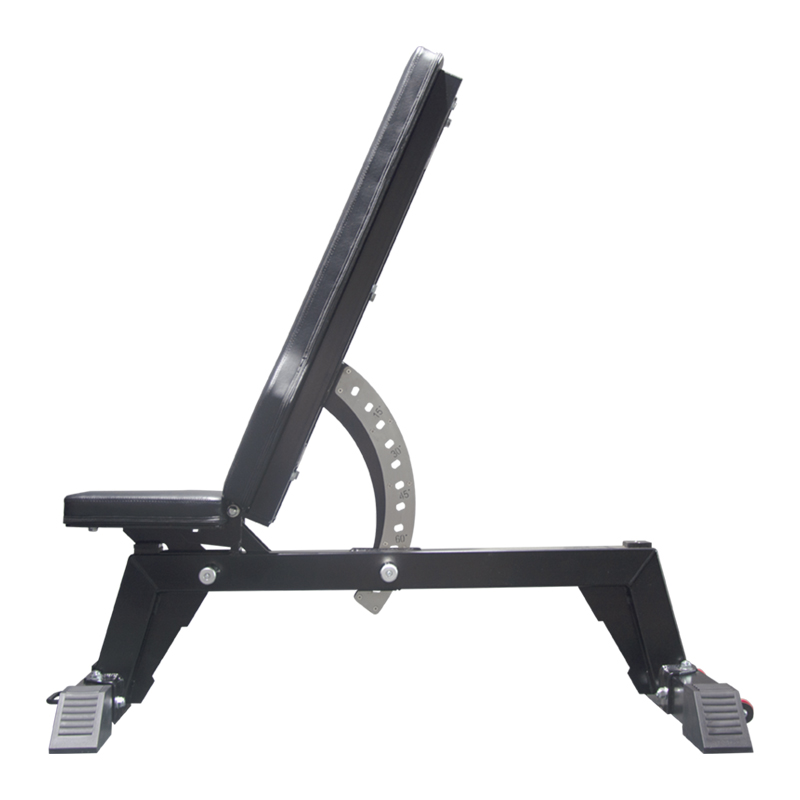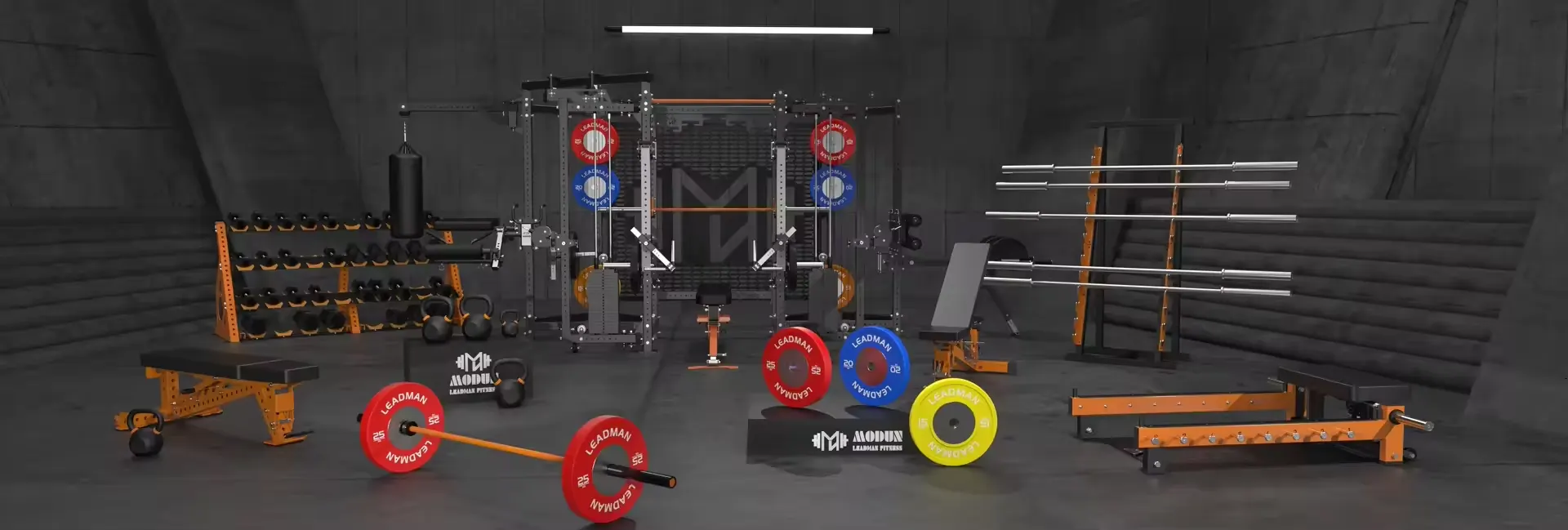
Custom made gym equipment bridges the gap between mass-produced fitness gear and the unique spatial, biomechanical, and performance demands of serious athletes, boutique studios, and high-end commercial facilities. Unlike off-the-shelf solutions, which force users to compromise on fit, function, or footprint, bespoke engineering starts with the end-user's anatomy, training style, and facility constraints. The result is a precision instrument that enhances safety, maximizes workout efficiency, and often outperforms generic alternatives in both durability and user satisfaction. At its core, the approach prioritizes individualized design parameters over standardized production economies.
The engineering behind custom solutions requires a departure from conventional manufacturing workflows. While standard racks and rigs rely on fixed hole spacings, generic cable ratios, and predetermined pivot points, custom fabrication involves detailed anthropometric data collection and movement pattern analysis. Designers typically assess limb segment lengths, joint mobility, and specific exercise preferences—whether for competitive powerlifting, functional fitness, or rehabilitation protocols. This data informs critical variables: pull-up bar height and grip angles, bench width relative to shoulder breadth, and even the curvature of cambered attachments to mimic natural bar paths. The process demands iterative prototyping, often using CAD models to simulate stress distribution and kinematic compatibility before the first weld is laid.
Commercial viability has accelerated thanks to modular component systems and advanced fabrication techniques like laser cutting and robotic welding. Many manufacturers now offer hybrid models: a base framework that is standardized, with custom elements—such as powder-coated color schemes, engraved logos, or personalized j-cup widths—added during final assembly. This reduces lead times without sacrificing the tailored feel. Data from facility management surveys indicate that spaces equipped with custom apparatus report a 25–30% higher member retention rate among serious lifters, who perceive the investment as a sign of commitment to their training experience. One CrossFit affiliate in Texas, for instance, redesigned its rig layout to accommodate both wide-grip deadlifts and narrow-stance squats in the same footprint, cutting transition time between stations by nearly 40%.
Implementing a custom equipment strategy requires more than a wishlist. Facility owners should conduct a detailed audit of their existing space, including ceiling height, floor load capacity, and electrical access for any integrated digital displays. Next, a performance brief should be drafted, listing non-negotiable movements (e.g., overhead pressing, pull-ups, sled pushes) along with user demographics—average height and weight of primary users. Engaging with a fabricator who offers both design consultation and post-installation calibration is critical; the best outcomes emerge when there is ongoing dialogue about real-world usage patterns and wear. Additionally, consider future scalability: modular designs that allow swapping of attachments or adding new stations later protect against obsolescence. The upfront premium for custom work—often 20–40% higher than off-the-shelf equivalents—is offset over time by reduced injury claims, lower equipment turnover, and a distinct brand identity that distinguishes a facility in a crowded market.
Let our experts design the perfect gym solution for your business. Get a free consultation and quote today.