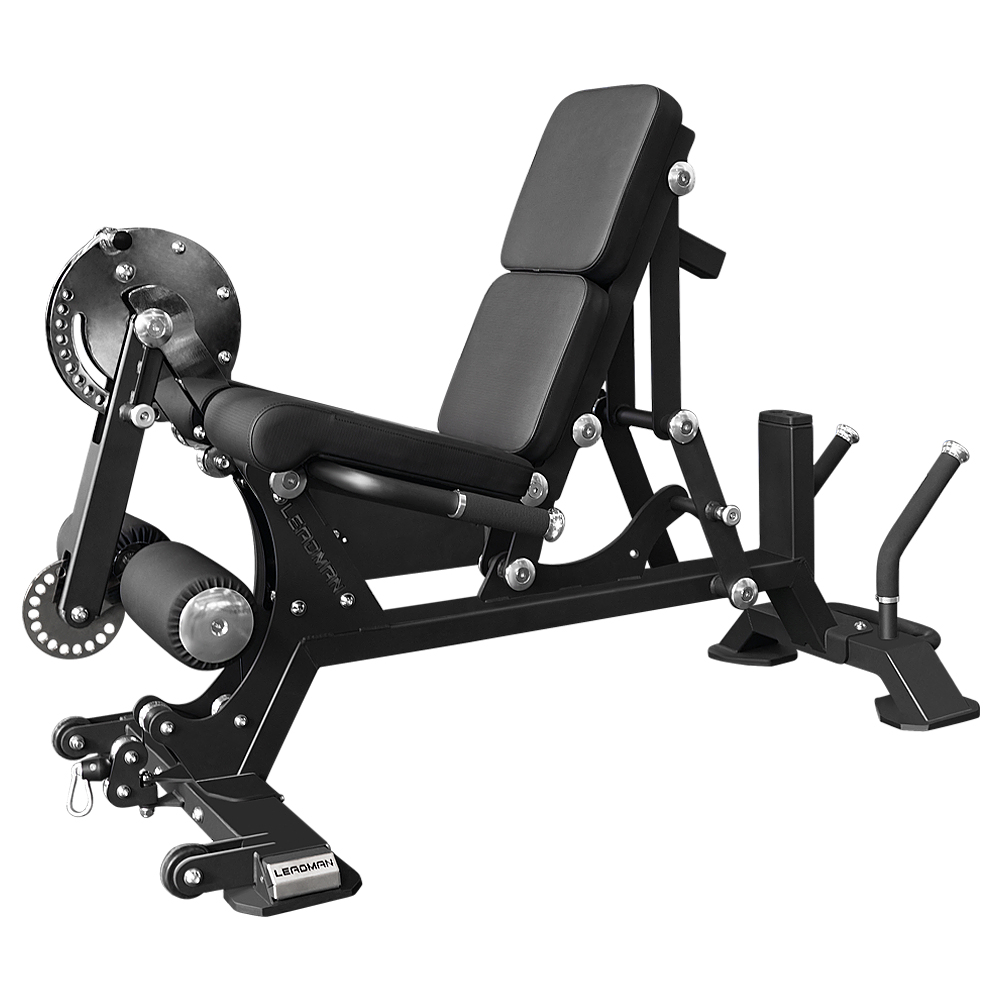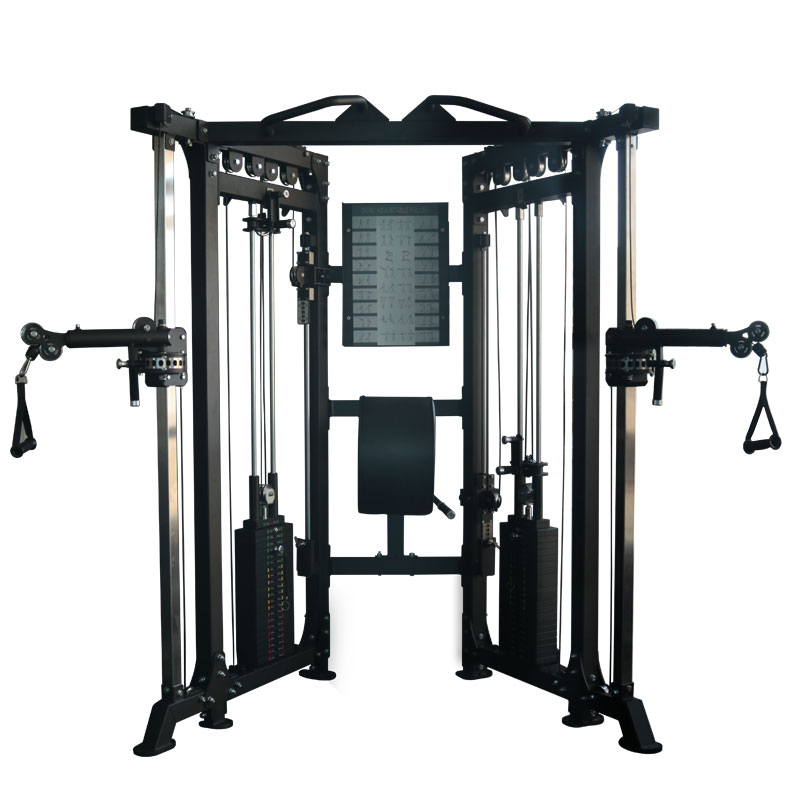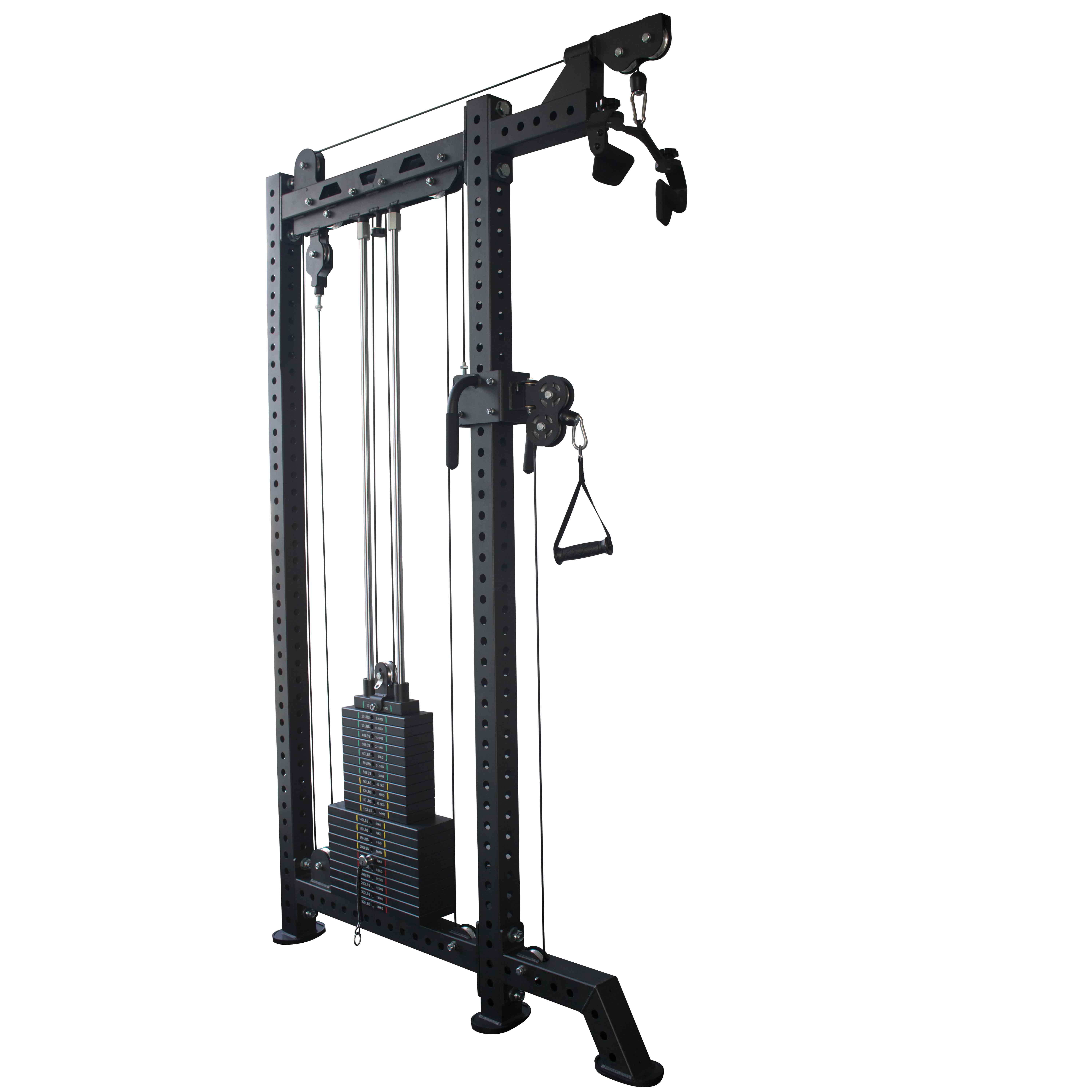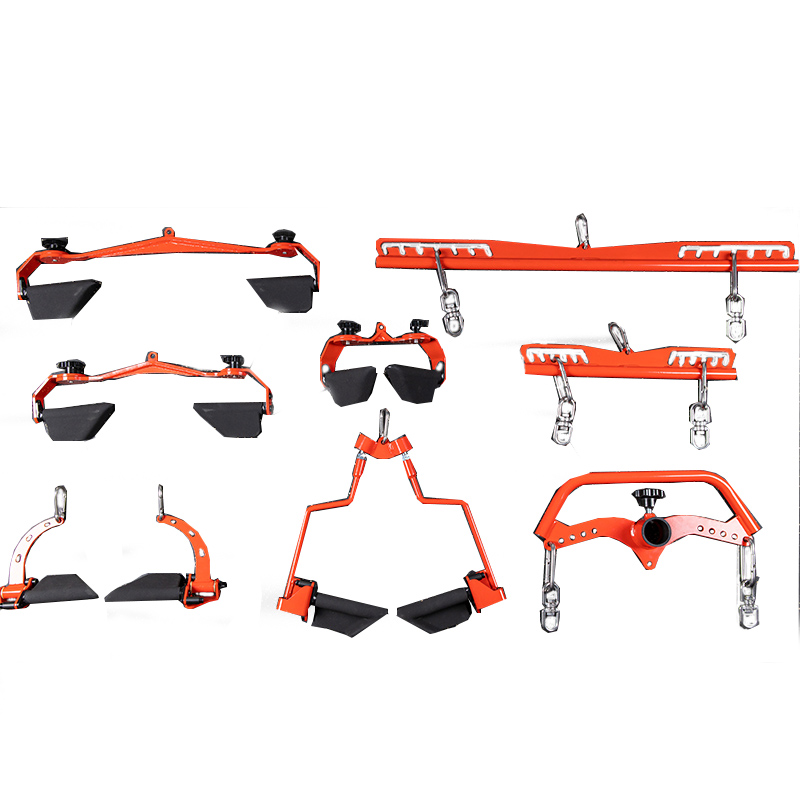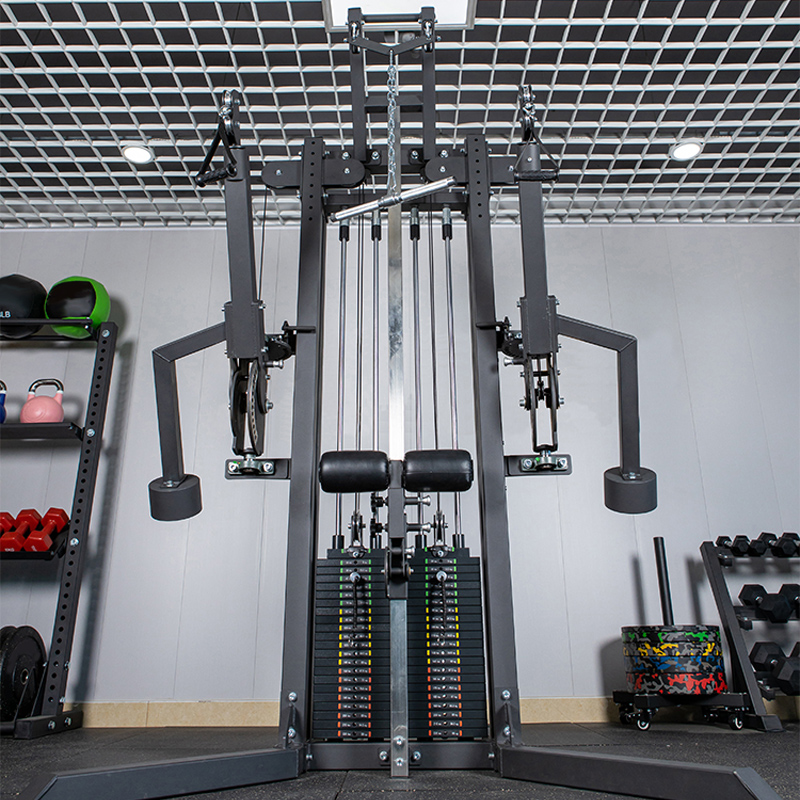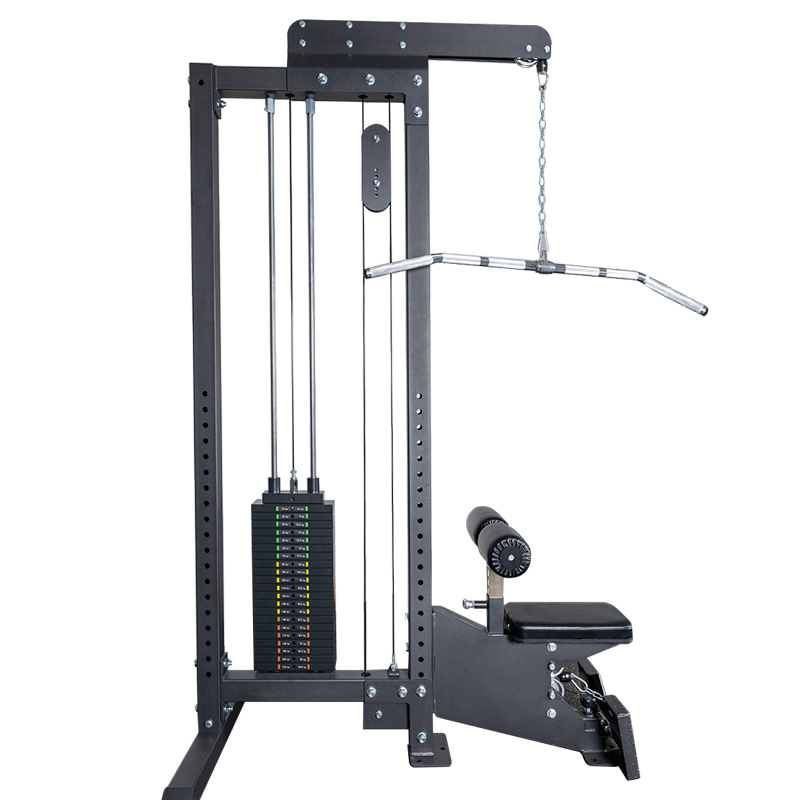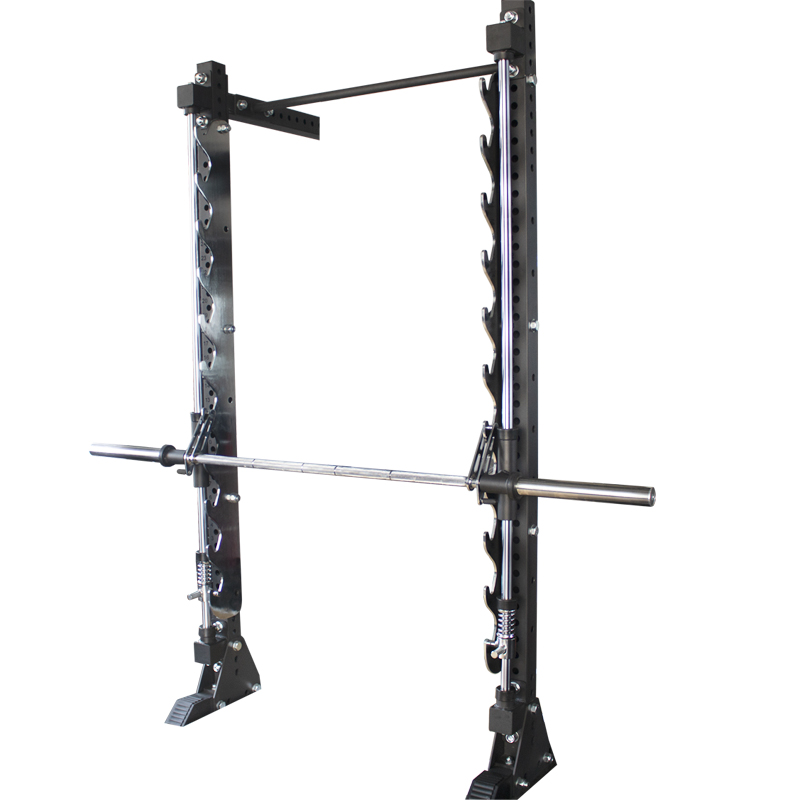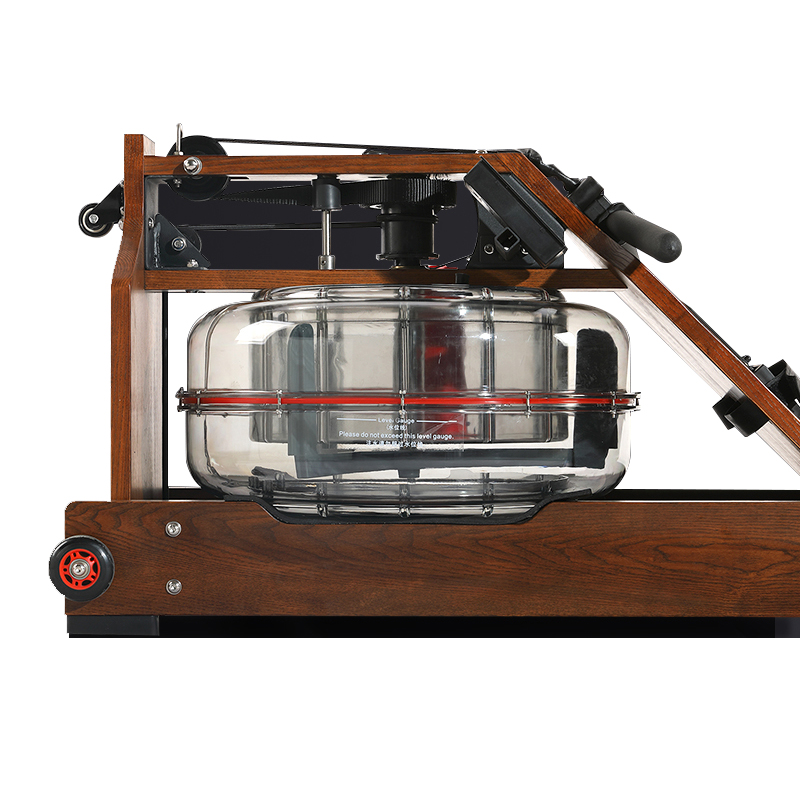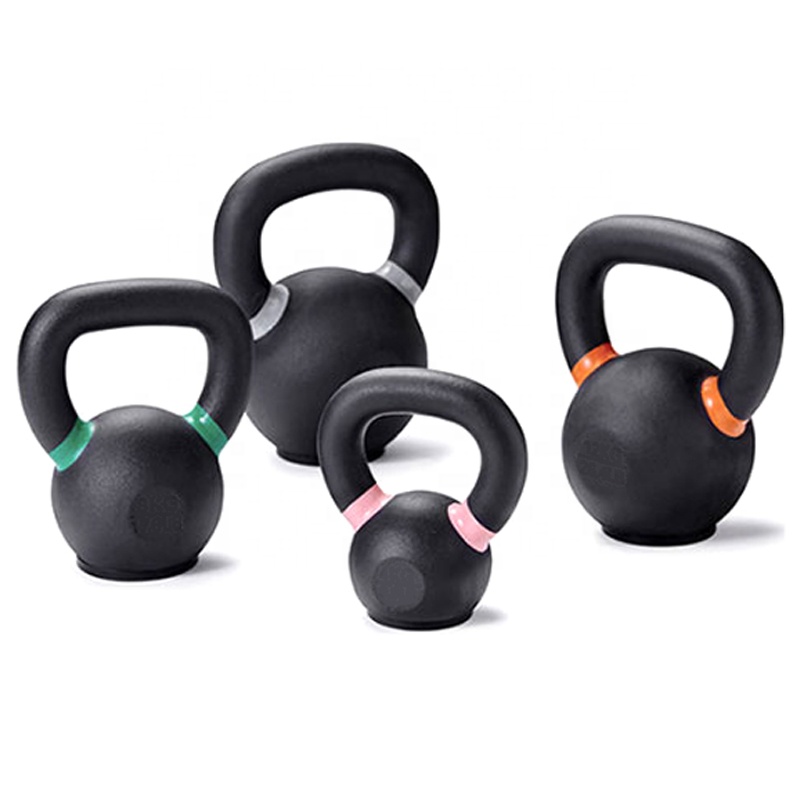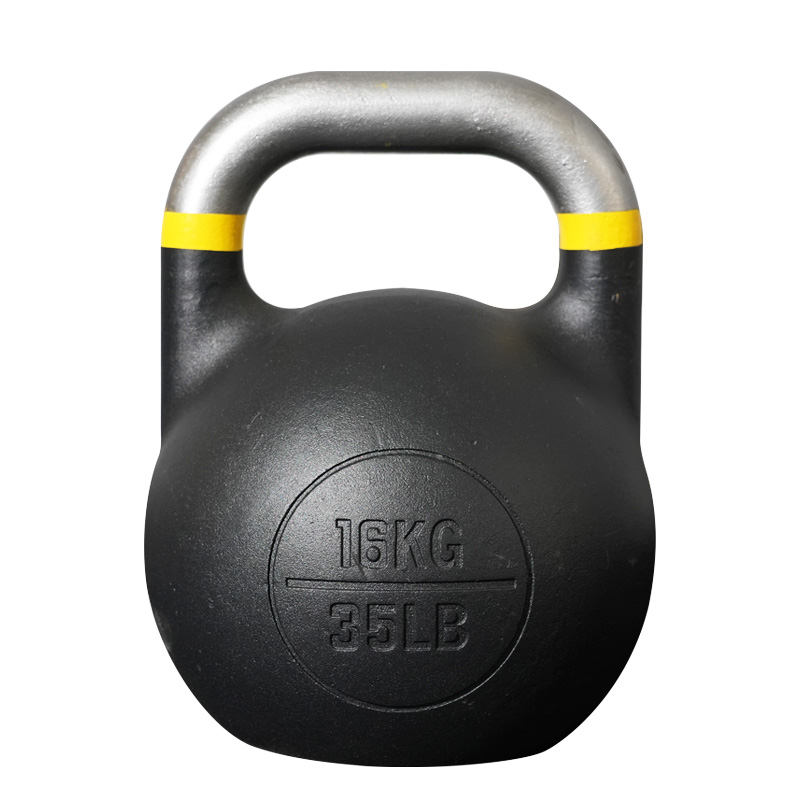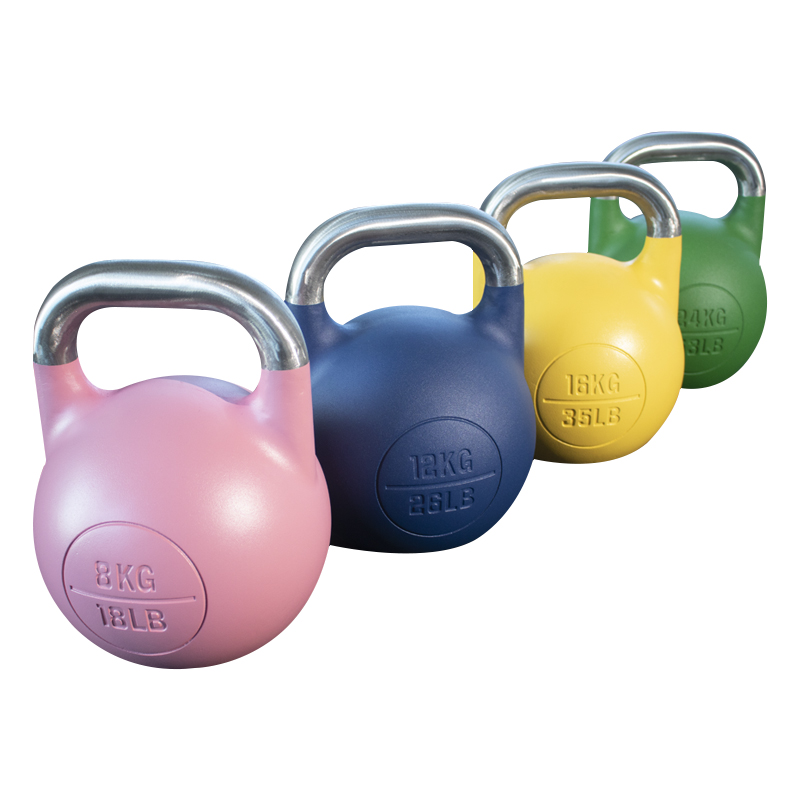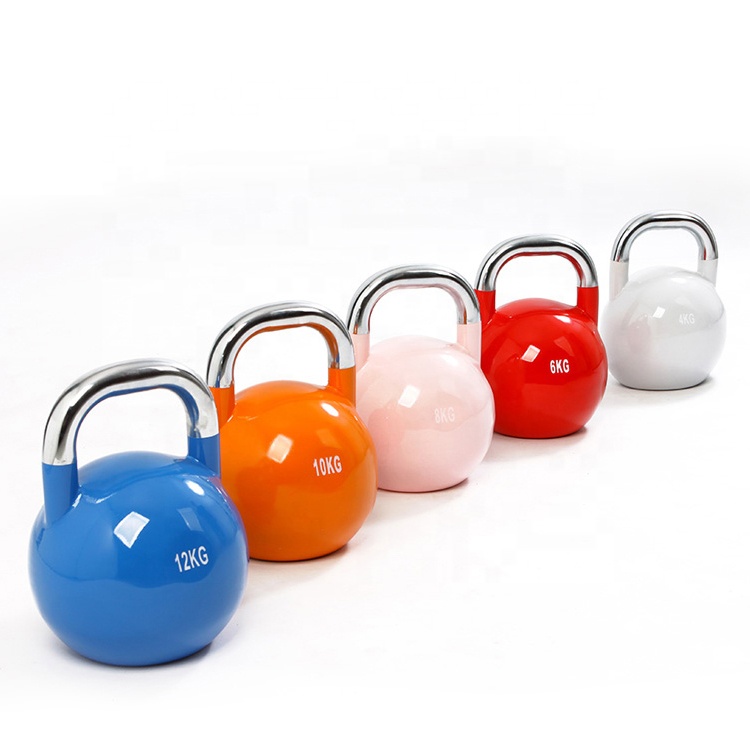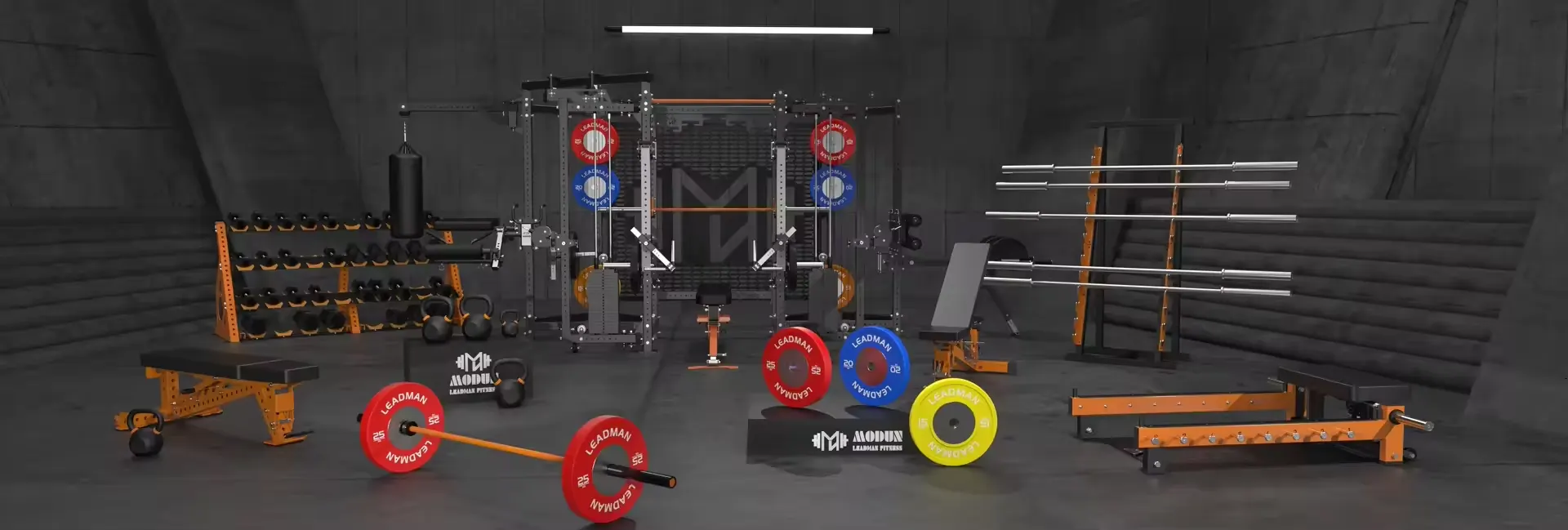
The decision to source custom gym equipment China represents a strategic inflection point for fitness brands, commercial facility operators, and boutique studio owners seeking to differentiate their offerings in a crowded market. Unlike off-the-shelf solutions, bespoke manufacturing enables precise alignment with facility dimensions, brand aesthetics, and specific training methodologies. From proprietary cable crossover dimensions to specialized rack heights accommodating low-ceiling spaces, the ability to tailor equipment specifications transforms a generic weight room into a purpose-built performance environment that resonates with members and enhances operational workflow. The Chinese manufacturing ecosystem, with its mature supply chains, advanced fabrication capabilities, and cost-efficient production scales, has become the global epicenter for such customization projects.
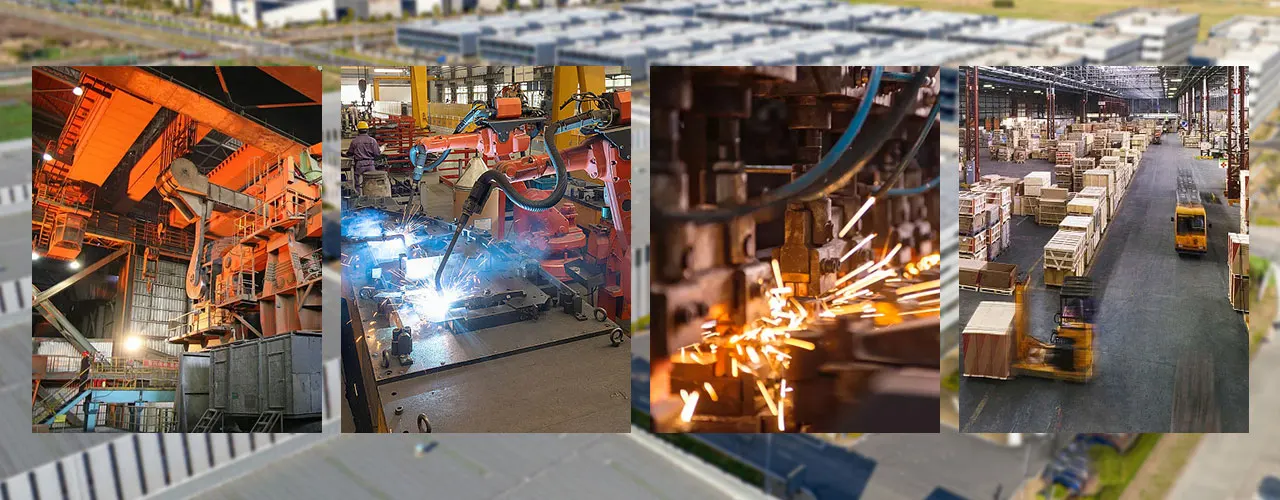
The true competitive advantage of custom gym equipment China lies in the unparalleled flexibility afforded by vertically integrated factories. These facilities house everything from laser-cutting tables and robotic welding cells to powder-coating lines and upholstery workshops under one roof, dramatically reducing lead times for design iterations and prototype development. When working with a responsive partner, buyers can modify critical parameters: adjusting frame gauge for specific load requirements, selecting between 50mm or 25mm hole spacing for rack compatibility, or specifying closed-cell versus open-cell foam densities for pad comfort and longevity. This depth of control ensures that the final product not only meets functional demands but also reflects the nuanced preferences of the end-user demographic—whether that means accommodating high-volume powerlifters or designing ergonomic stations for senior fitness populations.
Navigating the customization workflow requires structured collaboration to translate conceptual requirements into manufacturable specifications. The process typically commences with a comprehensive needs assessment, where factory engineers analyze space constraints, usage intensity, and target user anthropometrics. Following this, CAD drawings and 3D renderings are developed, allowing for virtual fit-checks before steel is cut. Reputable manufacturers encourage multiple revision cycles during this phase, ensuring every detail—from weld bead placement to logo etching depth—is confirmed. Once designs are frozen, sample production validates assembly procedures, finish consistency, and load stability under simulated conditions. This methodical approach mitigates costly errors during full-scale production and ensures the final product exactly mirrors the client's vision.
Beyond the physical equipment itself, engaging a Chinese custom manufacturer unlocks substantial logistical and commercial advantages. Direct factory partnerships eliminate intermediary markups, often reducing total project costs by 30–40% compared to Western alternatives without compromising material grades or fabrication standards. Moreover, these relationships foster a responsive supply chain dynamic, where reorders for expansion or replacement parts are expedited due to established tooling and production history. To protect intellectual property and ensure finish quality, diligent buyers should specify detailed coating specifications—such as electrostatic powder application with salt-spray resistance—and request independent third-party factory audits to verify social compliance and environmental practices. In doing so, operators gain both cost efficiency and the assurance that their branded equipment aligns with global safety expectations.
The emerging frontier in custom gym equipment China revolves around integrated technology and smart functionality. Forward-thinking manufacturers are embedding IoT sensors into plate-loaded machines to track usage metrics, monitor maintenance needs, and even adjust resistance profiles via mobile applications. Simultaneously, sustainable manufacturing practices—such as utilizing recycled steel content and powder coatings free from volatile organic compounds—are gaining traction among eco-conscious brands. As the industry evolves, buyers who leverage China's manufacturing versatility can pioneer novel equipment concepts, from convertible power stations to space-saving foldable rigs, meeting the shifting demands of hybrid home-commercial fitness spaces. Ultimately, successful customization hinges on treating the manufacturer as a design partner rather than merely a supplier, fostering a collaborative environment that yields durable, distinctive, and high-performance training solutions.
Let our experts design the perfect gym solution for your business. Get a free consultation and quote today.