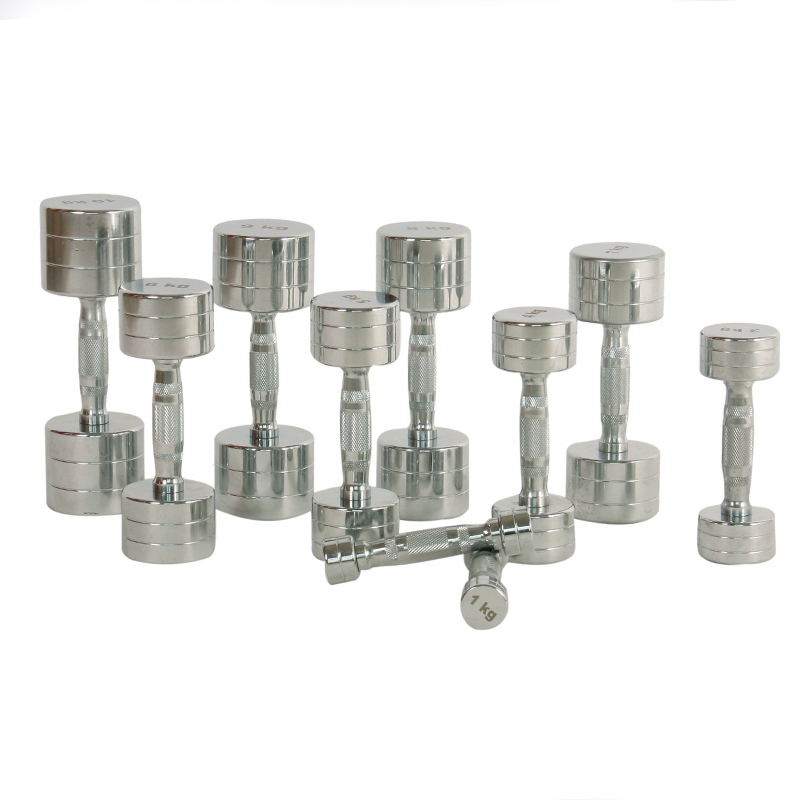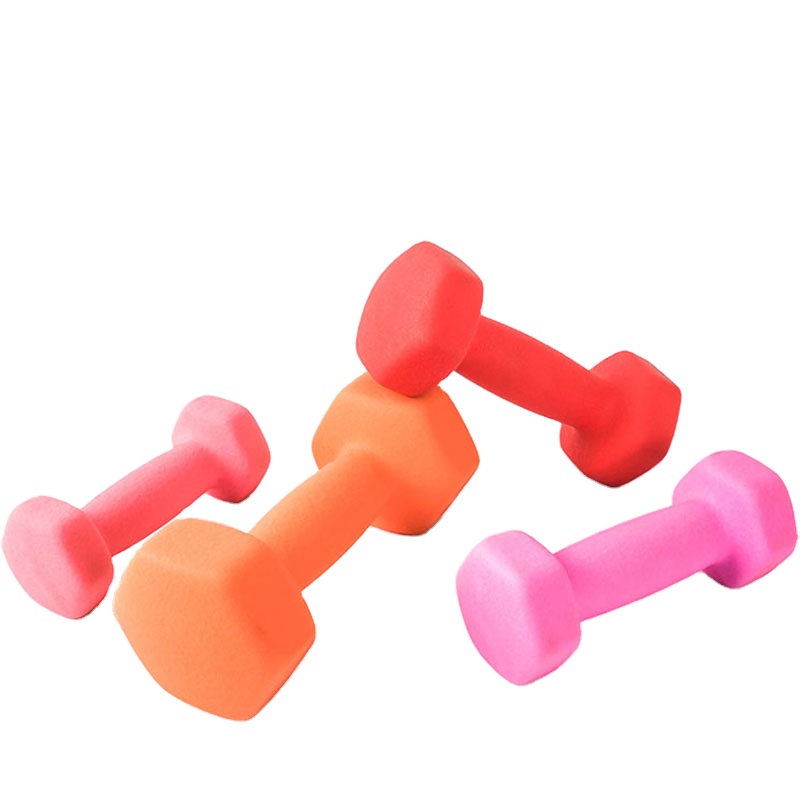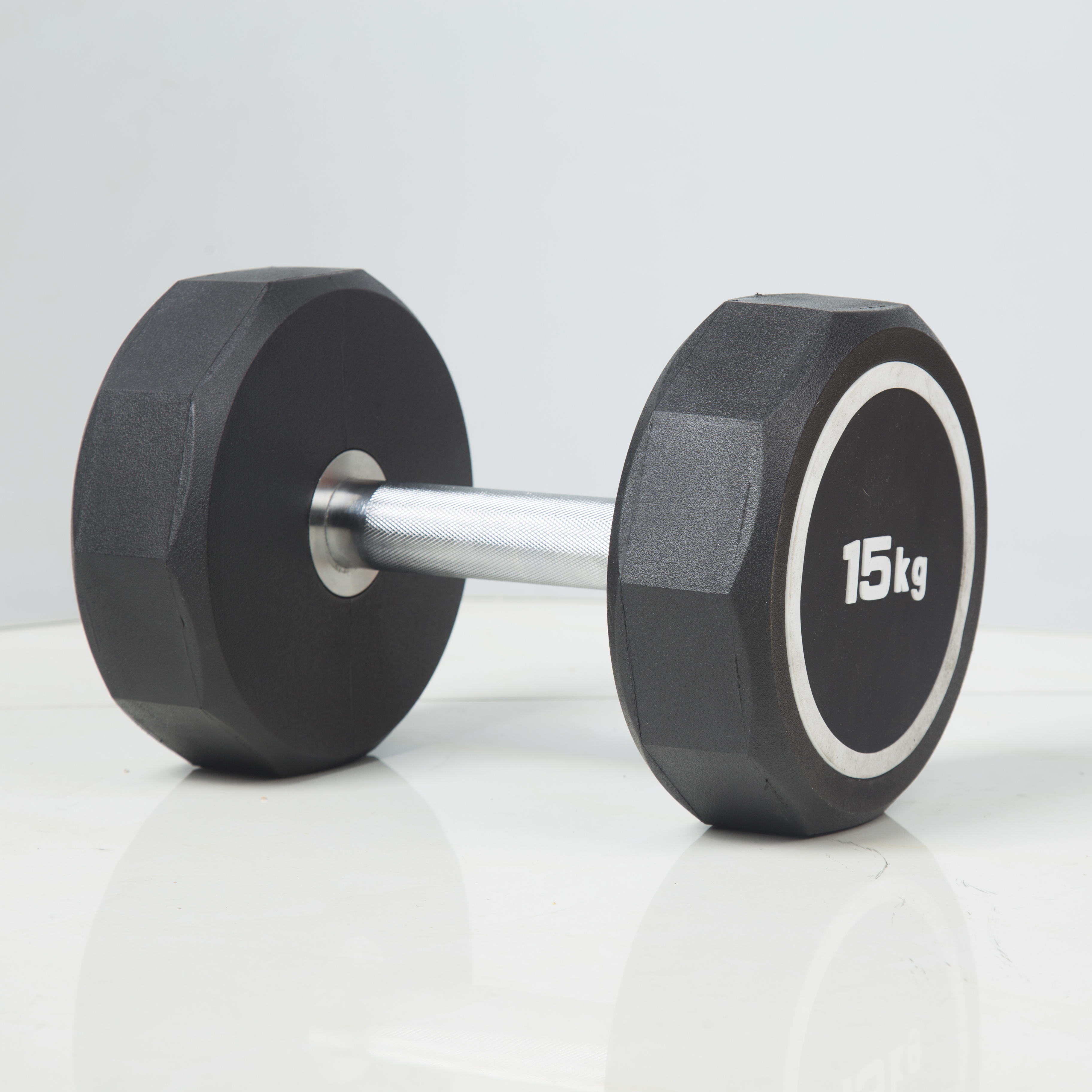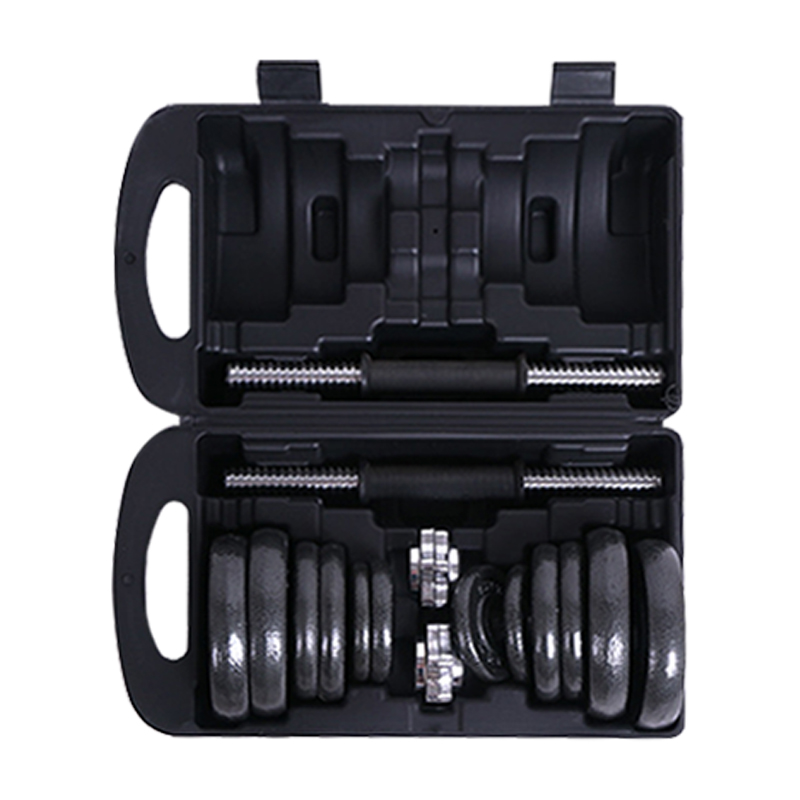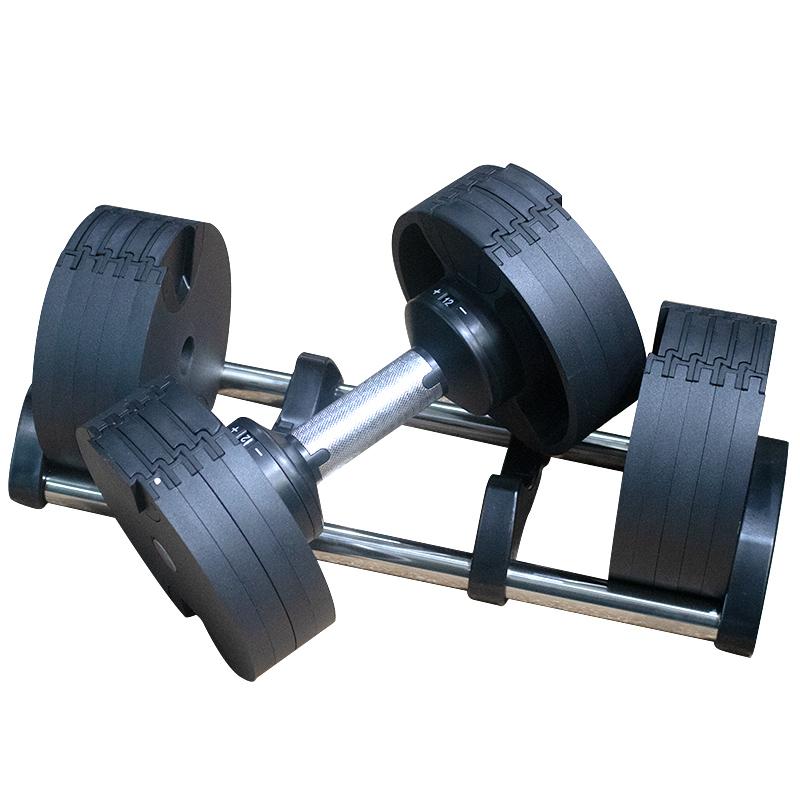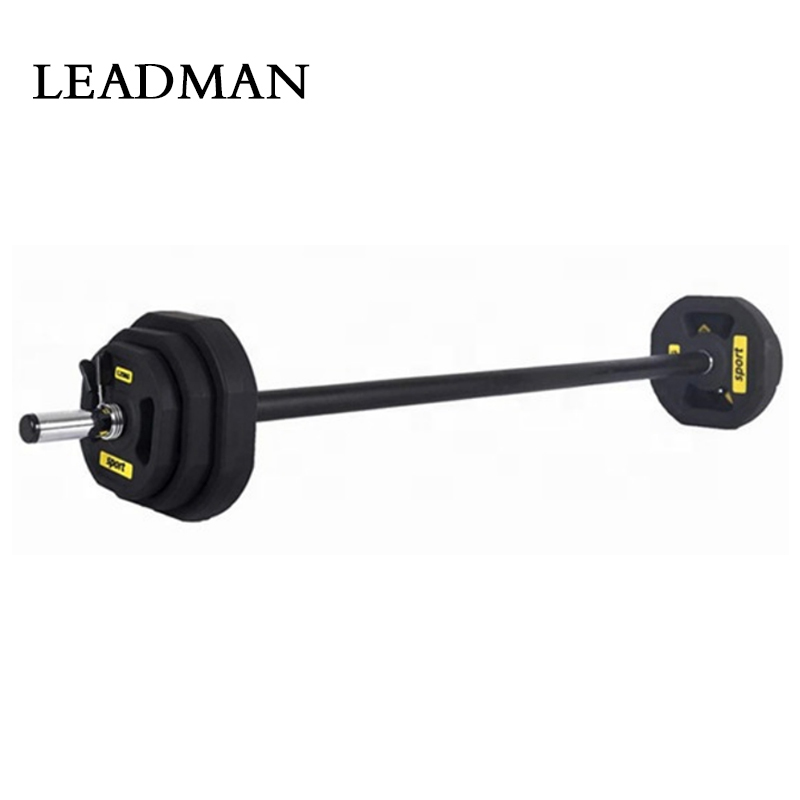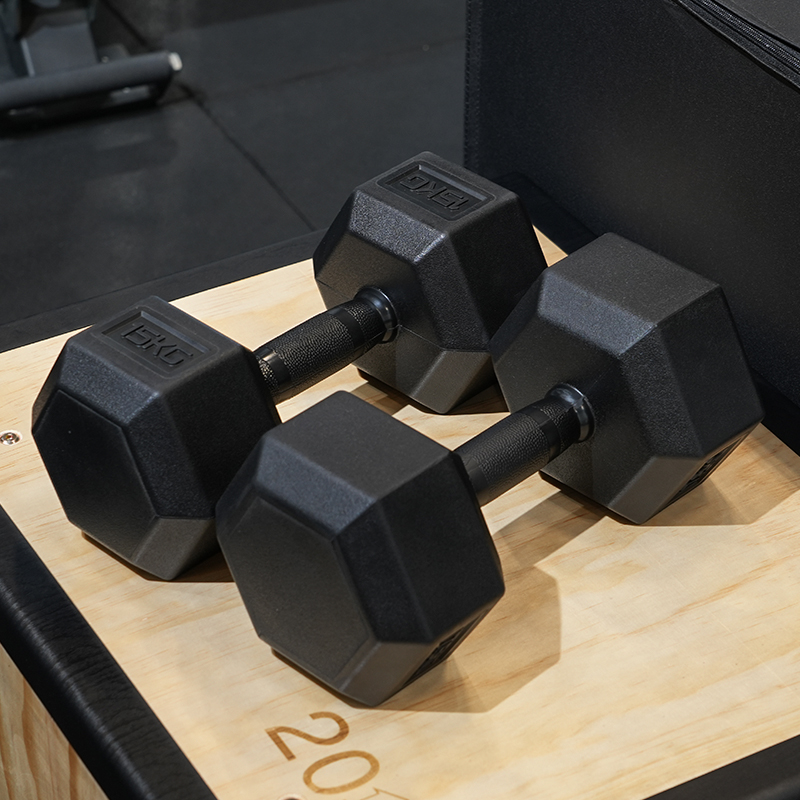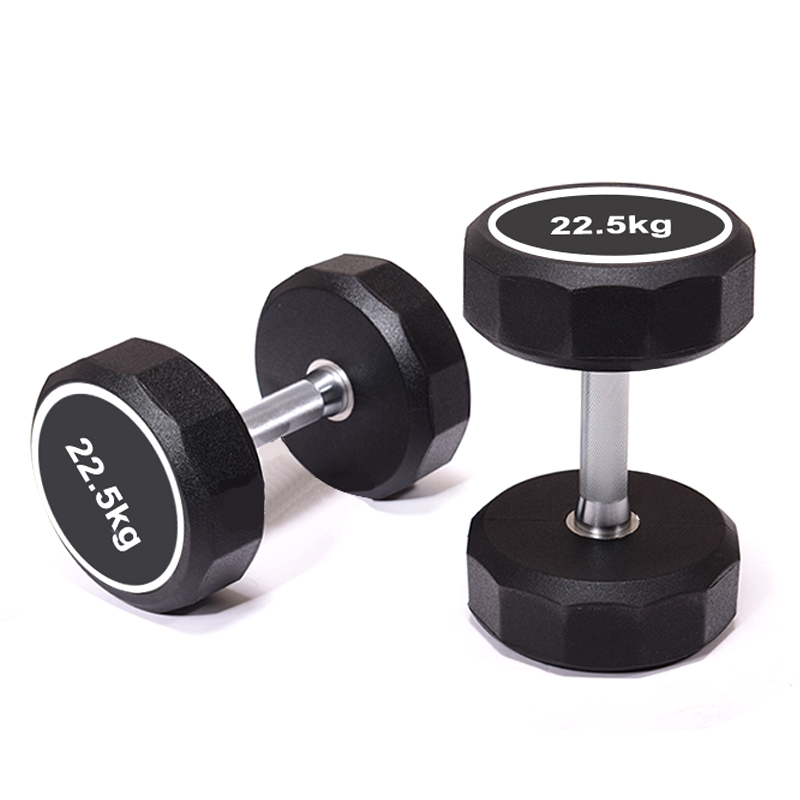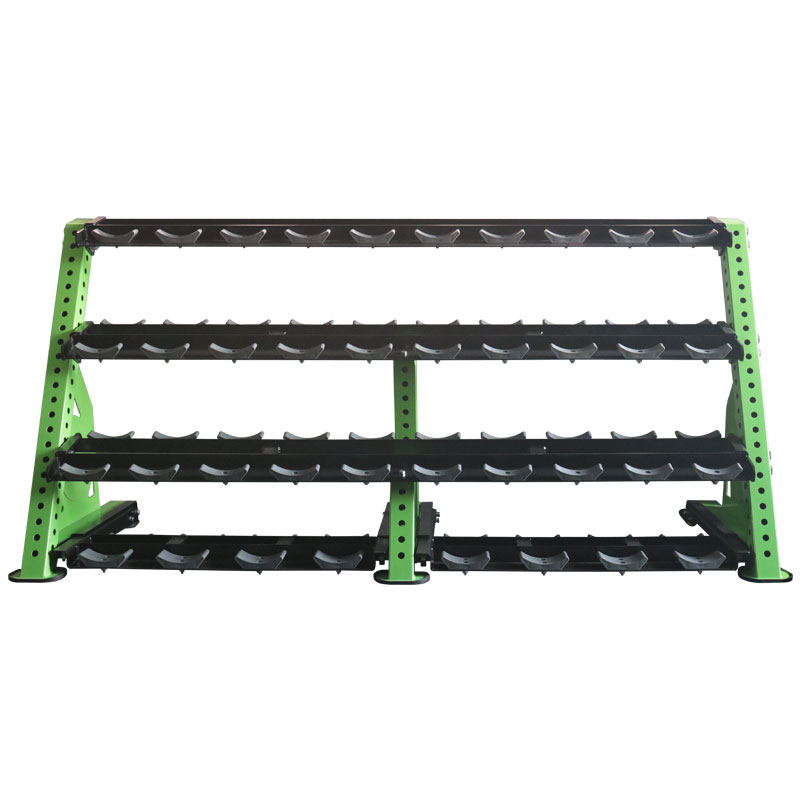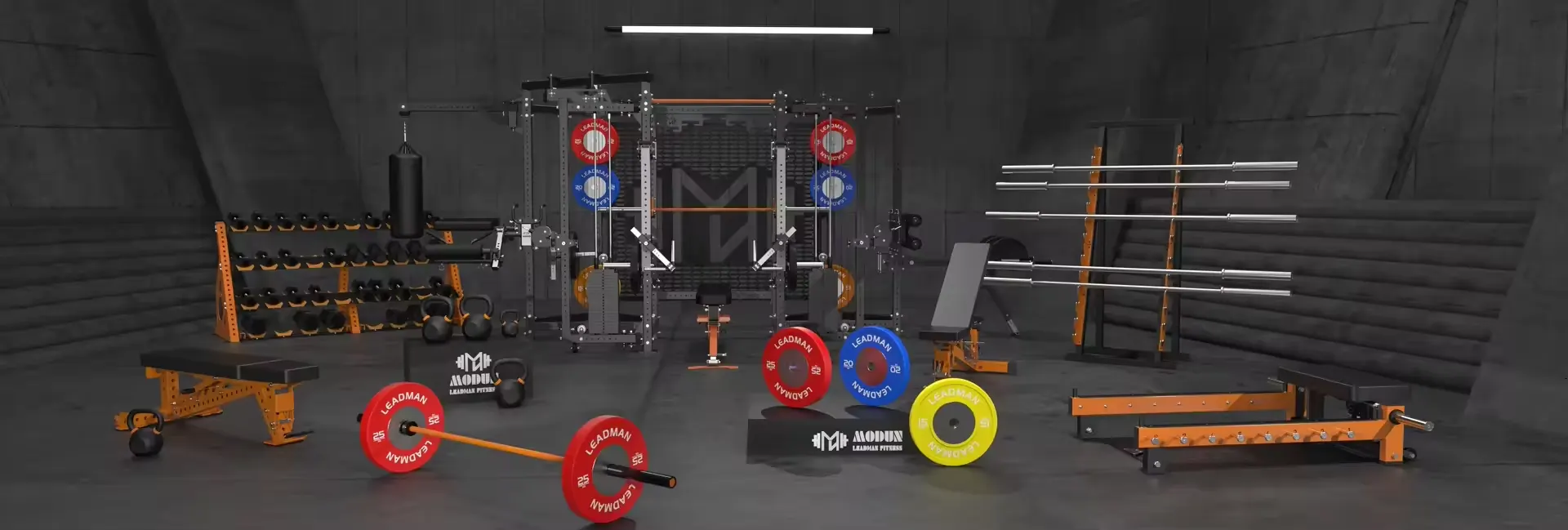
Commercial fitness operators increasingly view equipment branding as an extension of their facility's identity, making custom dumbbell solutions a strategic procurement consideration rather than a luxury add-on. Unlike off-the-shelf options, custom dumbbells allow facilities to imprint their visual DNA directly onto the equipment—through colour-matched urethane or rubber encasements, laser-etched logos, and even proprietary grip textures that differentiate their brand in competitive markets. The customization spectrum ranges from simple aesthetic modifications to full engineering overhauls that adjust weight increments, handle diameter, and knurling patterns to suit specific training populations or programming methodologies.
Executing a successful custom dumbbell order requires procurement professionals to navigate a structured process: initial design consultation where manufacturers translate brand guidelines into manufacturable specifications; material selection balancing visual goals with durability requirements (urethane offers superior colour retention while rubber reduces cost); and CAD modelling that enables approvals before tooling investment. Production phase introduces custom moulds for encasement shapes and end-cap geometries, followed by sample validation where weight tolerance (±1–2%) and aesthetic fidelity are certified before full production commitment. This systematic approach reduces the risk of misaligned finishes or dimensional deviations that compromise quality or brand perception.
Customization costs structure around non-recurring engineering fees, tooling amortisation, and per-unit premiums over standard products. Typical incremental investments range $500–$2,500 for mould development, with per-unit costs approximately 20–35% above standard equivalents, decreasing as order volumes exceed 200 units. Leading custom dumbbell manufacturers offer tiered pricing that rewards volume commitments, while providing comprehensive consultation on material science optimisation—for instance, suggesting colour formulations that resist UV degradation or adding tactile orientation marks that assist visually impaired users. Branding elements like debossed logos require precision machining but carry lower long-term maintenance compared to printed labels that abrade over time.
Quality assurance in custom production demands additional rigour, as facilities lack off-the-shelf replacement options if defects emerge. Procurement teams should demand comprehensive pre-production sample approval, in-process inspection checkpoints covering weight accuracy and finish adhesion, and batch certification guaranteeing consistency across the entire order. Custom dumbbell investments also benefit from lifecycle planning: manufacturers offering refinishing or re-encasement services extend the service life of branded assets, allowing visual refresh without tooling reinvestment. Facilities that successfully integrate custom dumbbells report elevated member perception of professionalism and an enhanced training environment that distinguishes their brand in an increasingly cluttered market.
Let our experts design the perfect gym solution for your business. Get a free consultation and quote today.