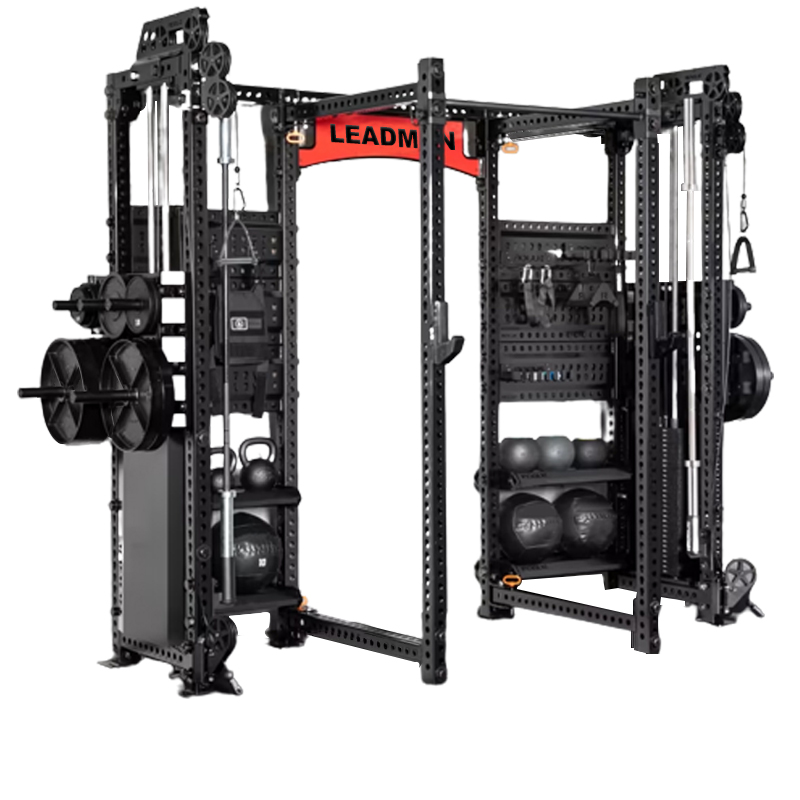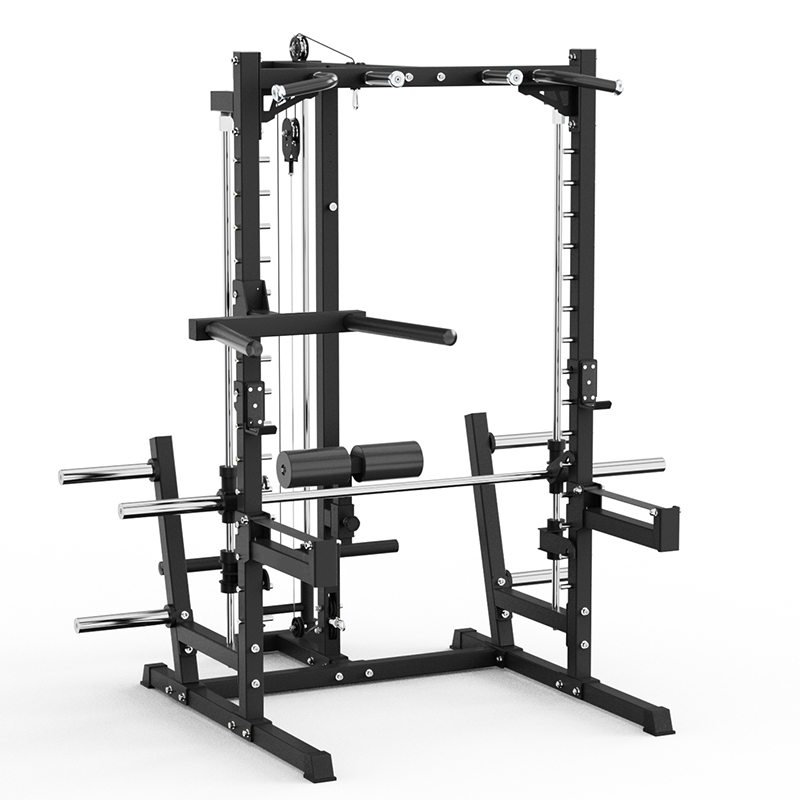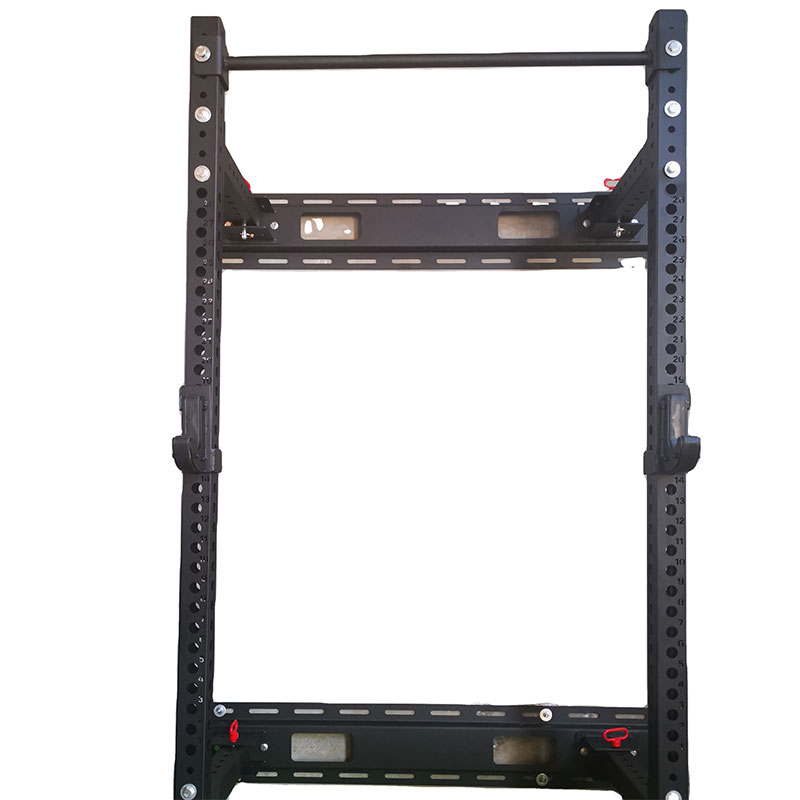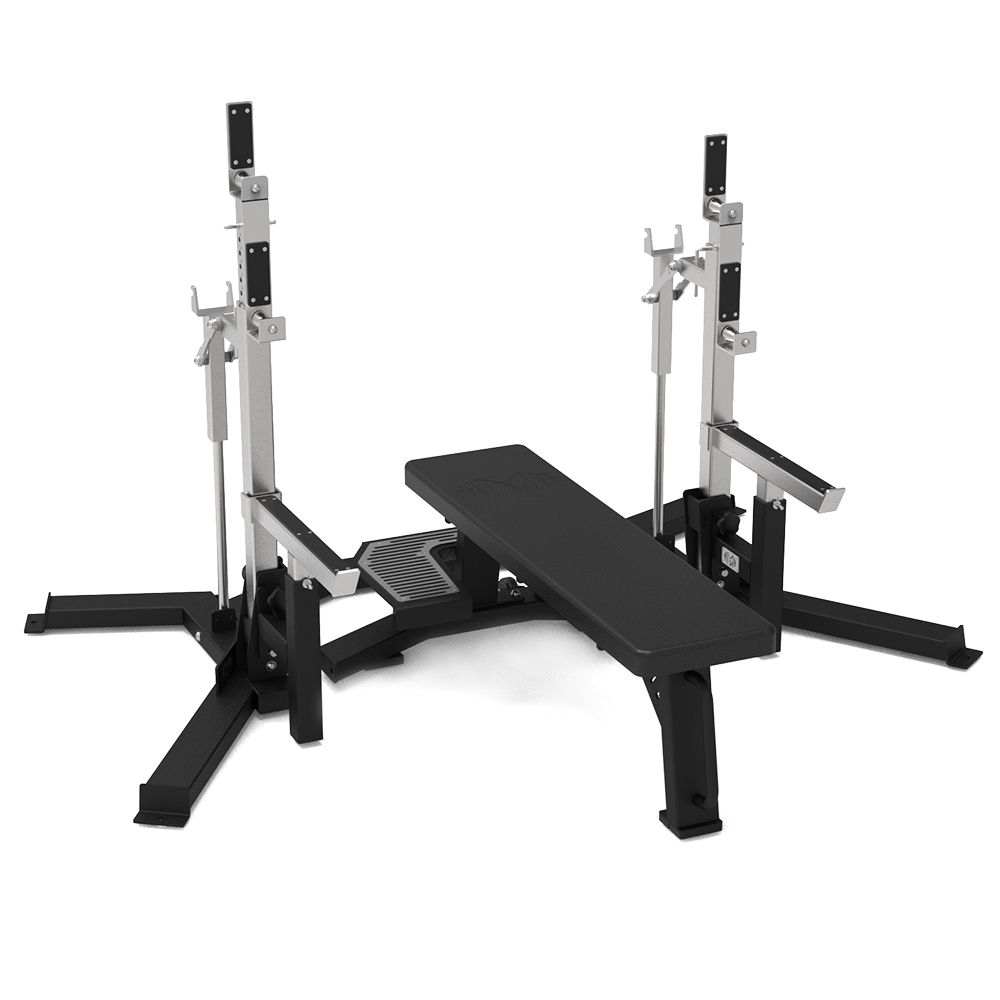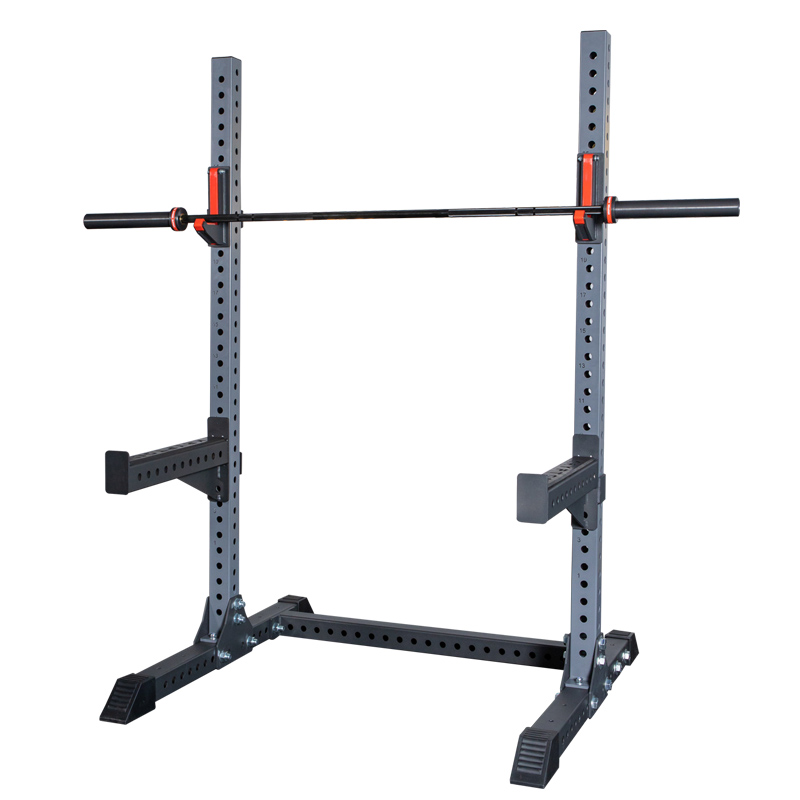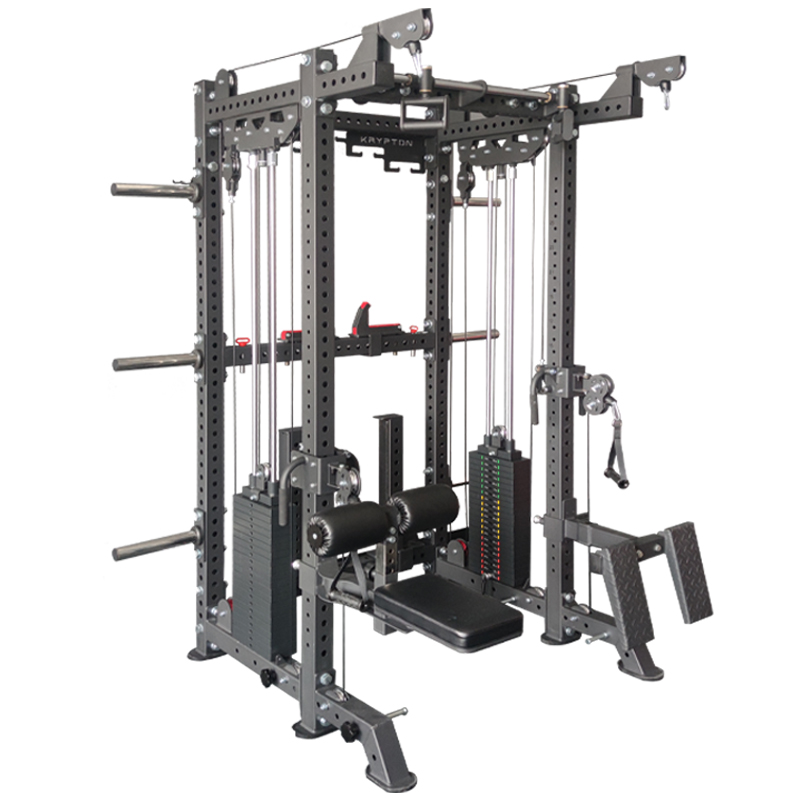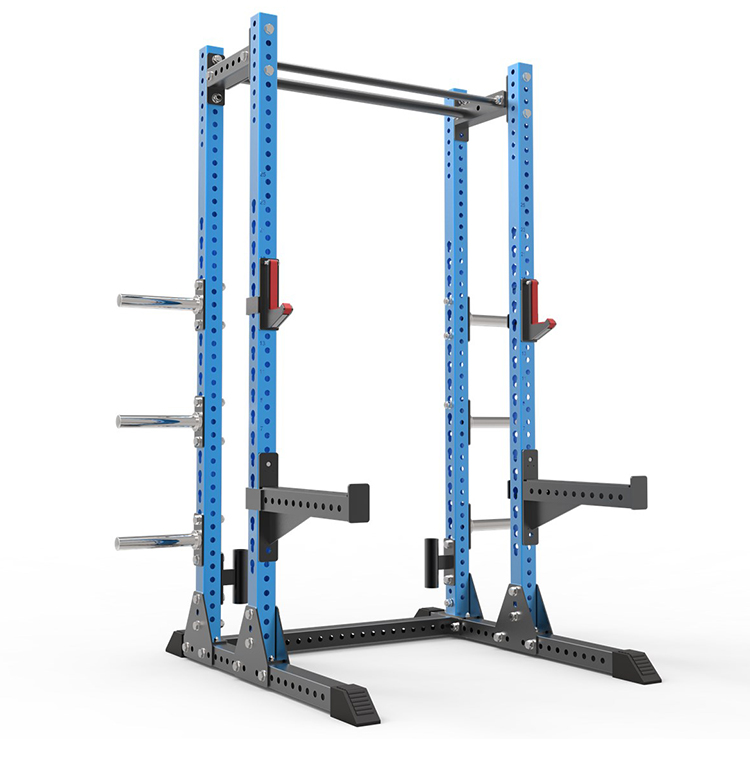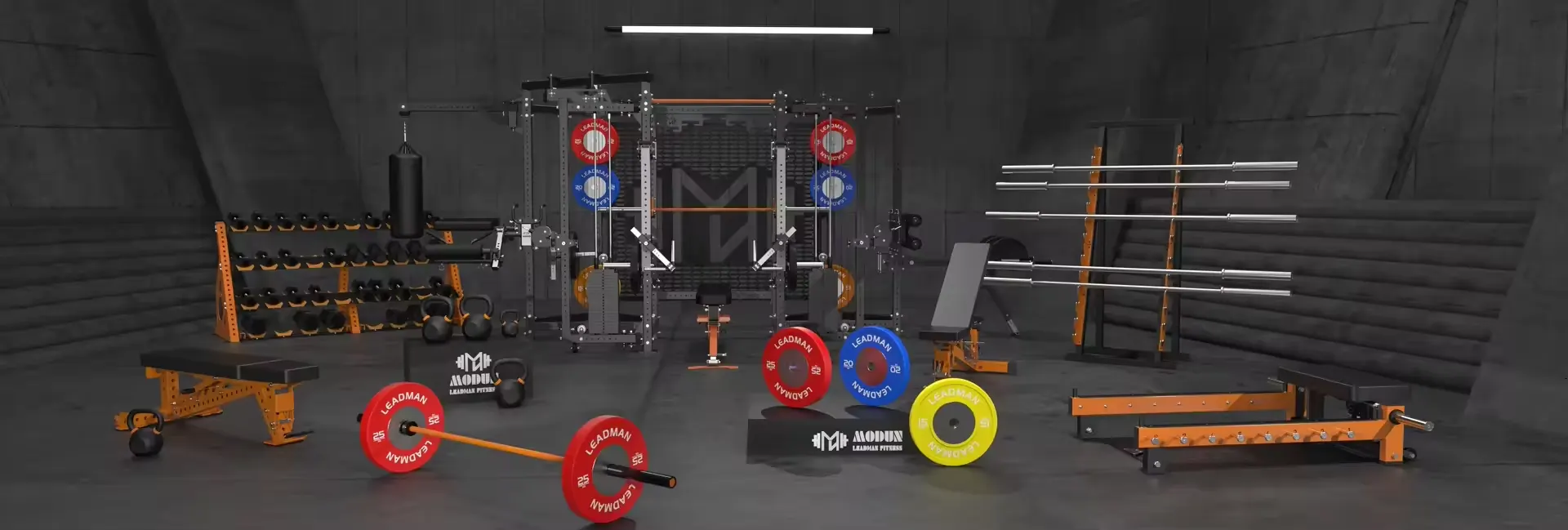
The crossover movement has become a cornerstone of functional fitness and CrossFit programming, embodying the dynamic, multi-planar training philosophy that distinguishes this training methodology from traditional bodybuilding approaches. Unlike isolated, linear exercises, crossover movements—such as cable crossovers, crossover lunges, and athletic crossover steps—challenge the body's ability to generate force across multiple planes while maintaining core stability and balance. For commercial gym operators, the integration of crossover training options into the equipment matrix responds to a growing member demand for functional, sport-relevant movements that develop practical strength and athletic agility.
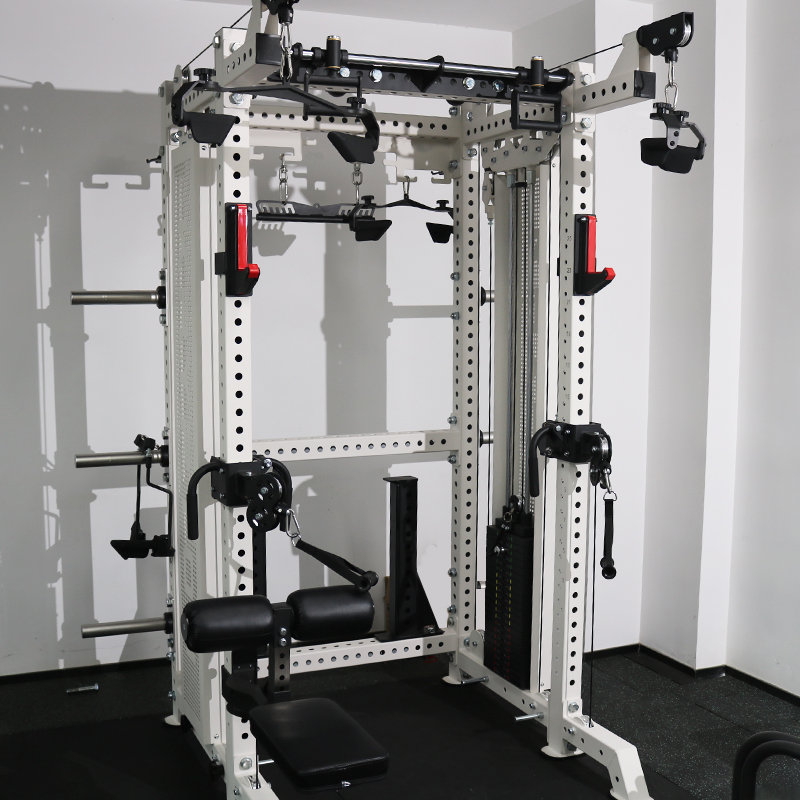
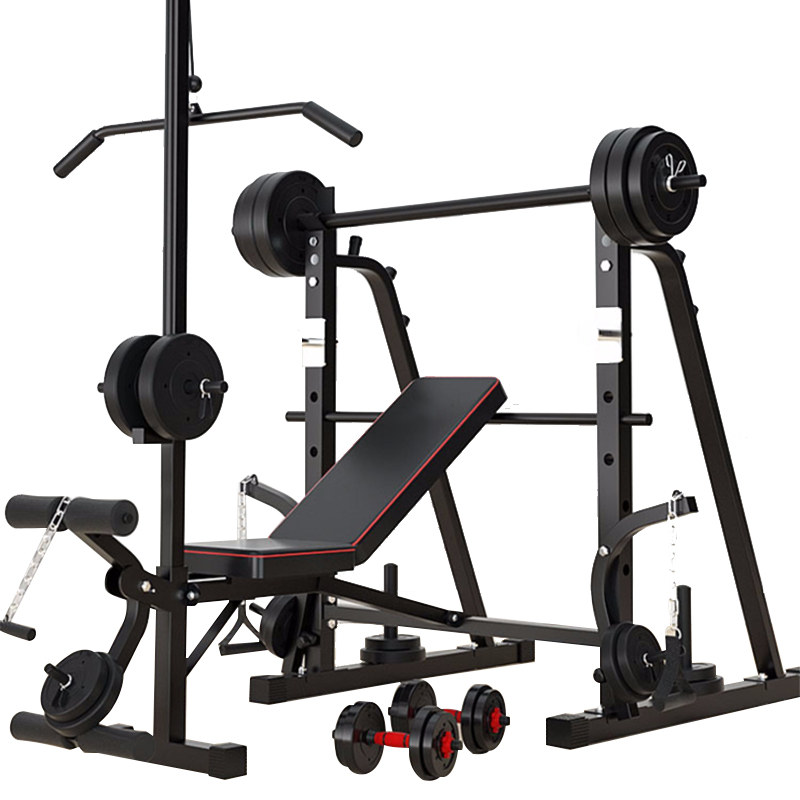
From a kinesiological perspective, crossover exercises engage the neuromuscular system in ways that traditional sagittal-plane movements cannot replicate. The diagonal and transverse plane components inherent in most crossover movements require the body to coordinate limb movement, trunk rotation, and lateral stability simultaneously—a demand that accelerates neuromuscular adaptation and develops the inter-muscular coordination required for athletic performance. The cable crossover station, in particular, enables resistance training across the frontal and transverse planes while maintaining constant tension throughout the movement range, producing unique muscle activation patterns compared to barbell or dumbbell alternatives. For CrossFit environments, the integration of cable systems with functional training spaces supports the programming diversity that characterizes this training methodology, enabling movements such as crossover lunges, resistance band crossovers, and multi-directional pulling patterns that replicate the demands of sport and daily activity.
For facility operators, the strategic placement of crossover equipment within a CrossFit-oriented facility requires careful consideration of space allocation and equipment compatibility. Cable crossover stations typically require a 4-5 meter span and 2-3 meters of depth for full cable travel, with the weight stacks positioned to ensure unobstructed access from both sides. The integration of crossover equipment with other functional training apparatus—including rigs, ropes, and plyometric boxes—should support seamless workout transitions, enabling members to move between complementary movements without disrupting other users. For facilities supporting extensive CrossFit programming, crossover cable systems with dual adjustable pulleys offer maximum exercise versatility, accommodating both high-pulley and low-pulley movements from a single station. With the increasing popularity of hybrid training approaches that combine traditional strength work with functional conditioning, the crossover station's versatile design ensures continued utility across a broad spectrum of training populations.

Let our experts design the perfect gym solution for your business. Get a free consultation and quote today.