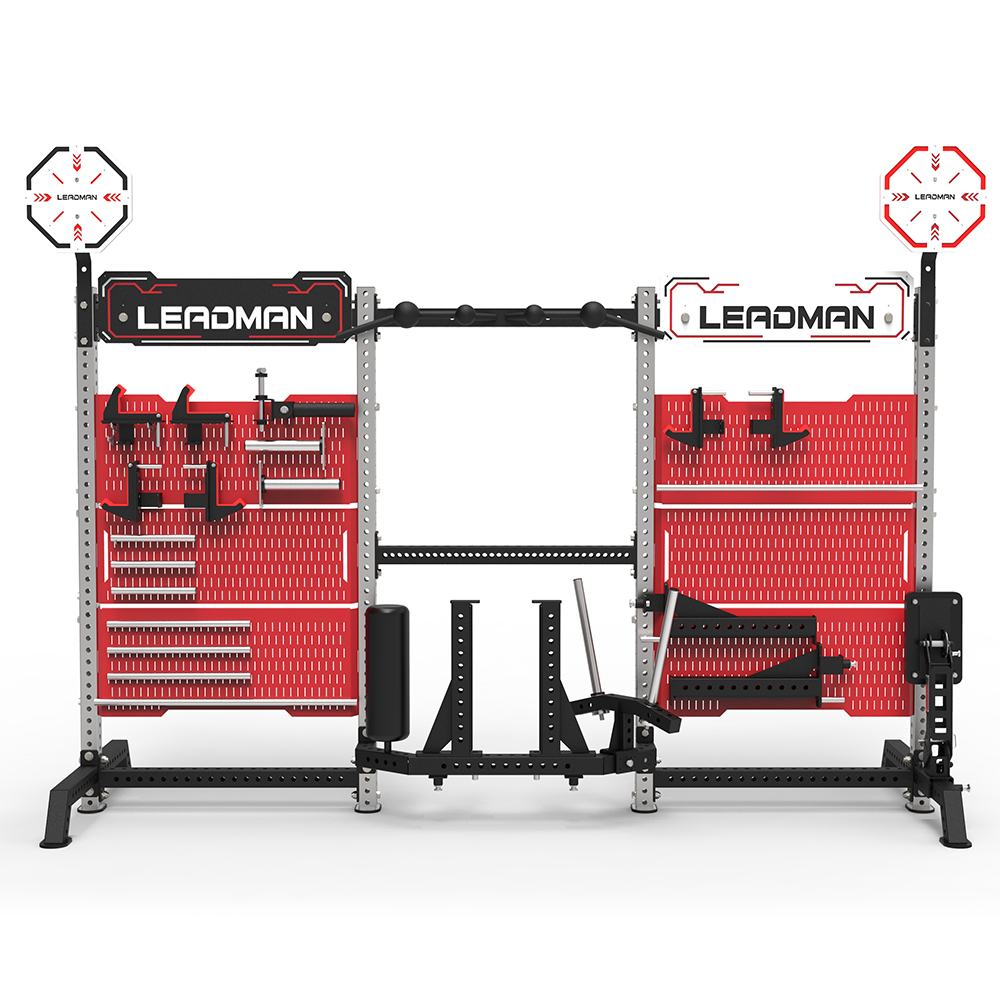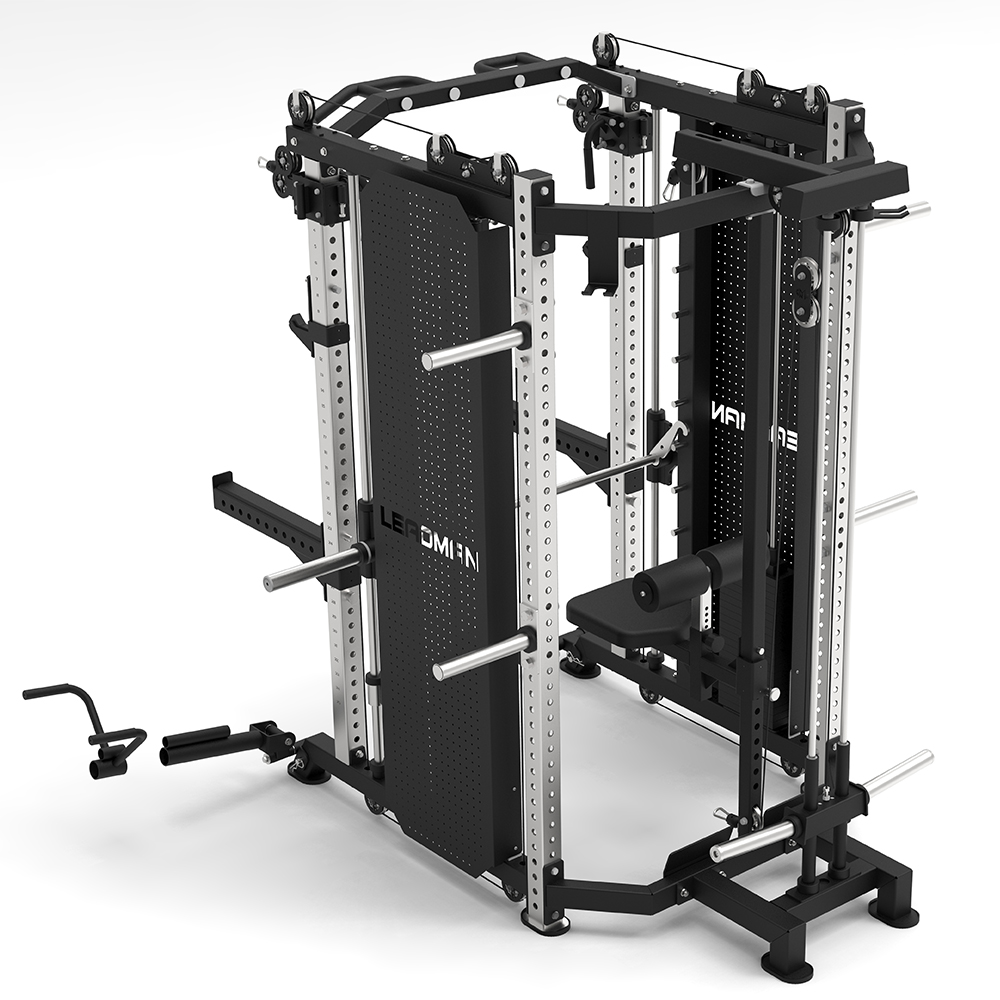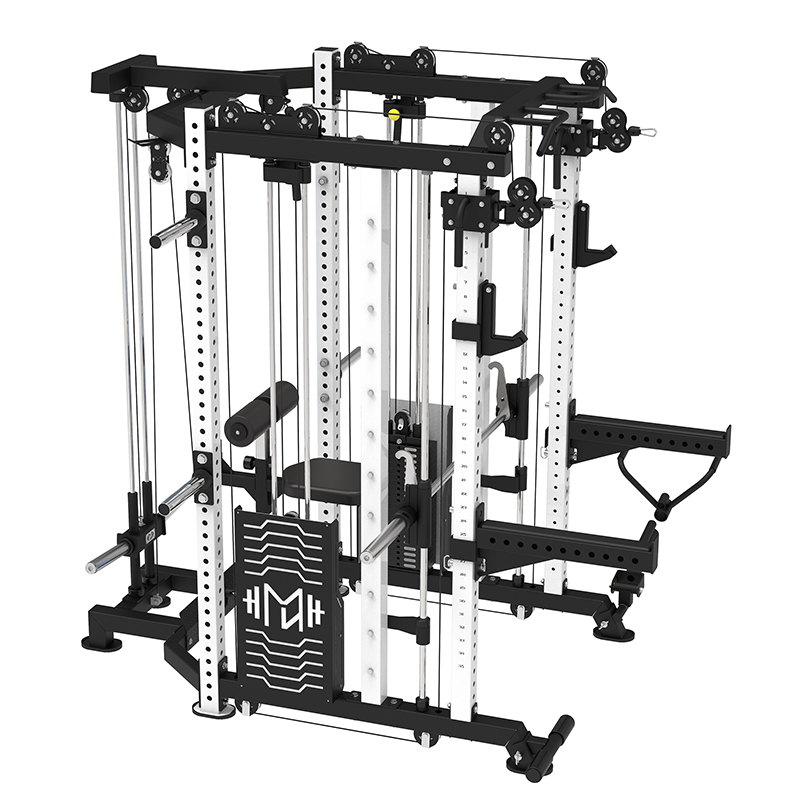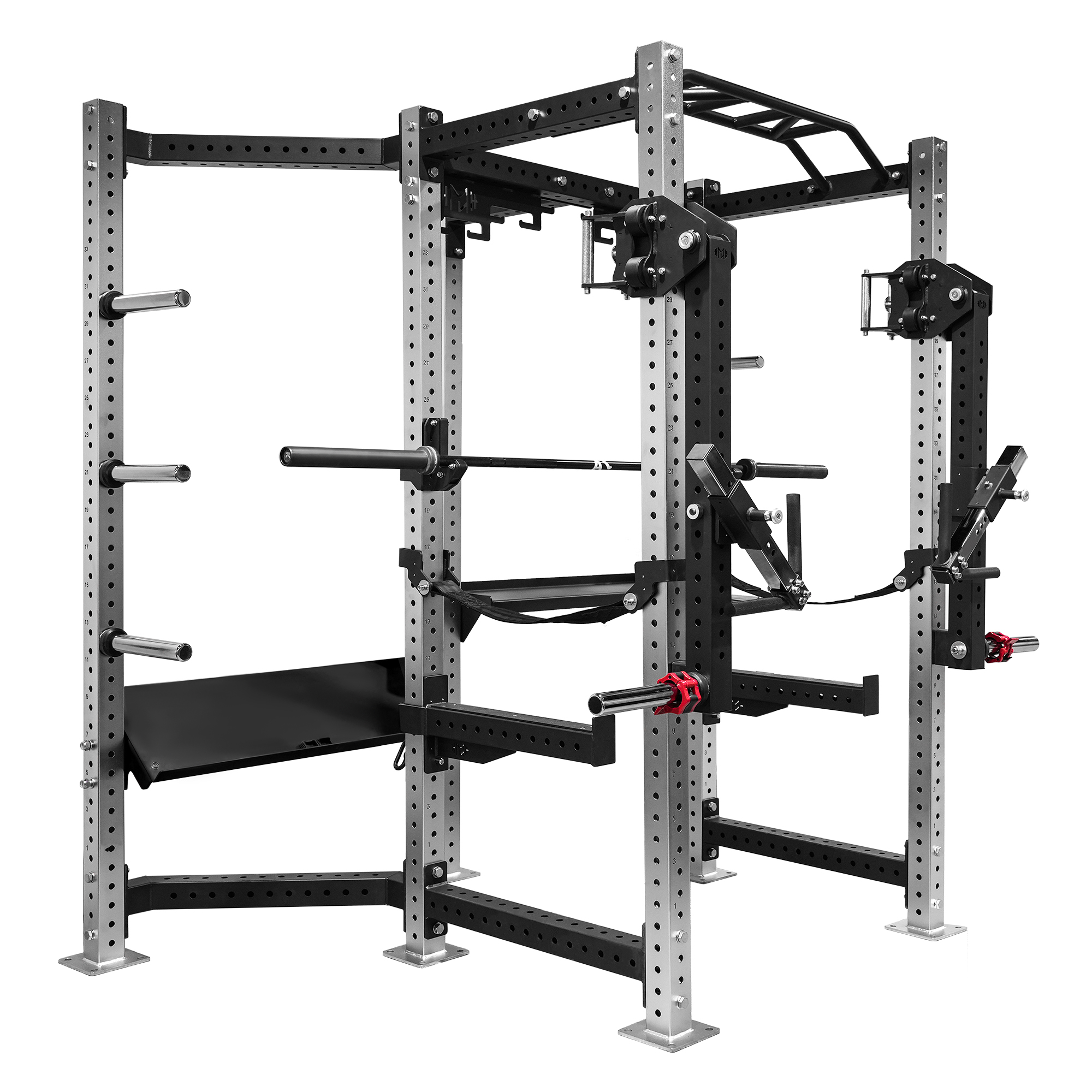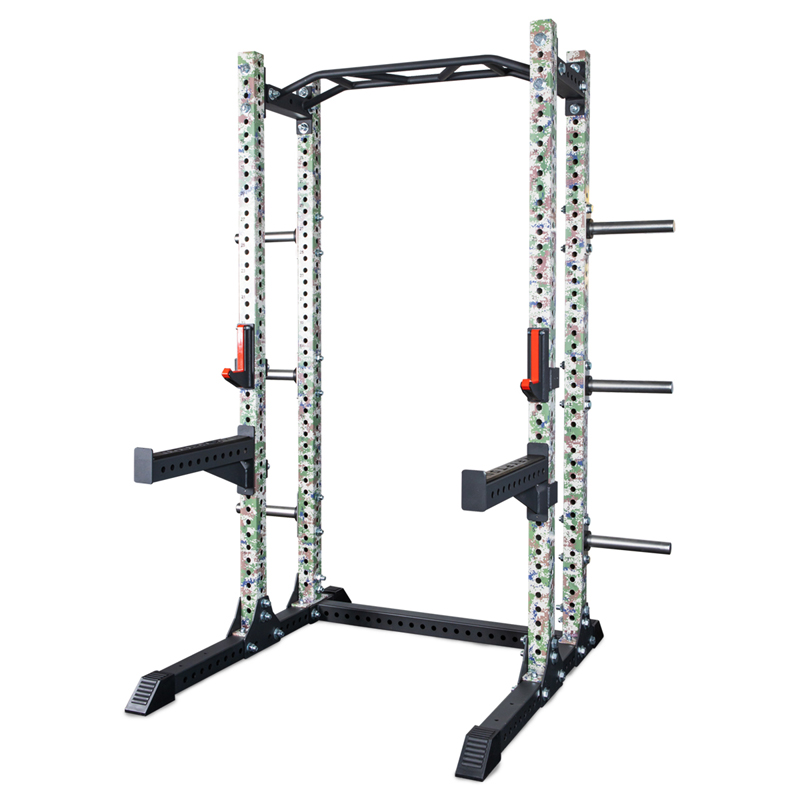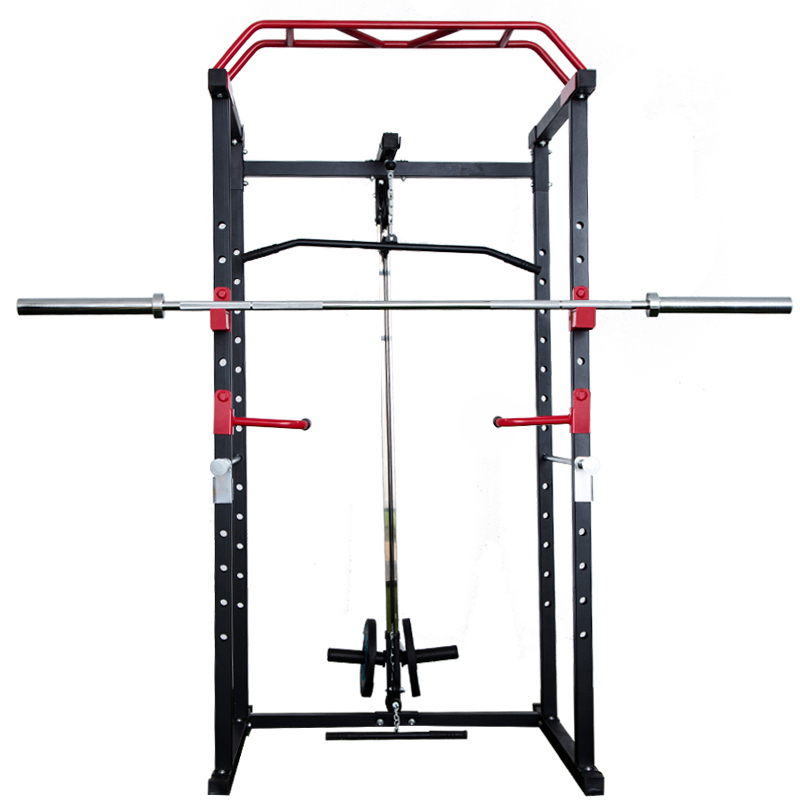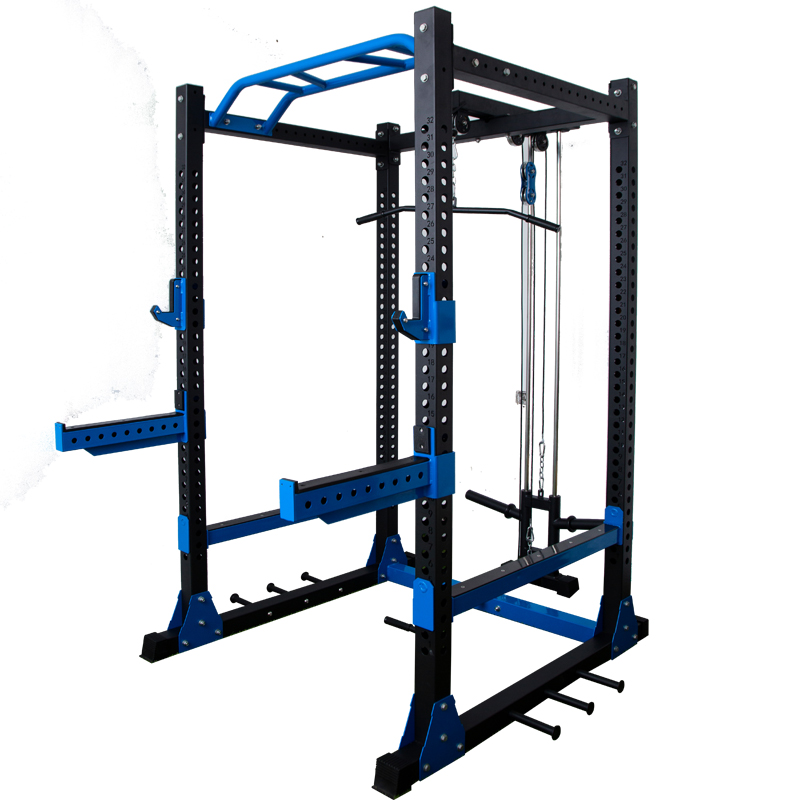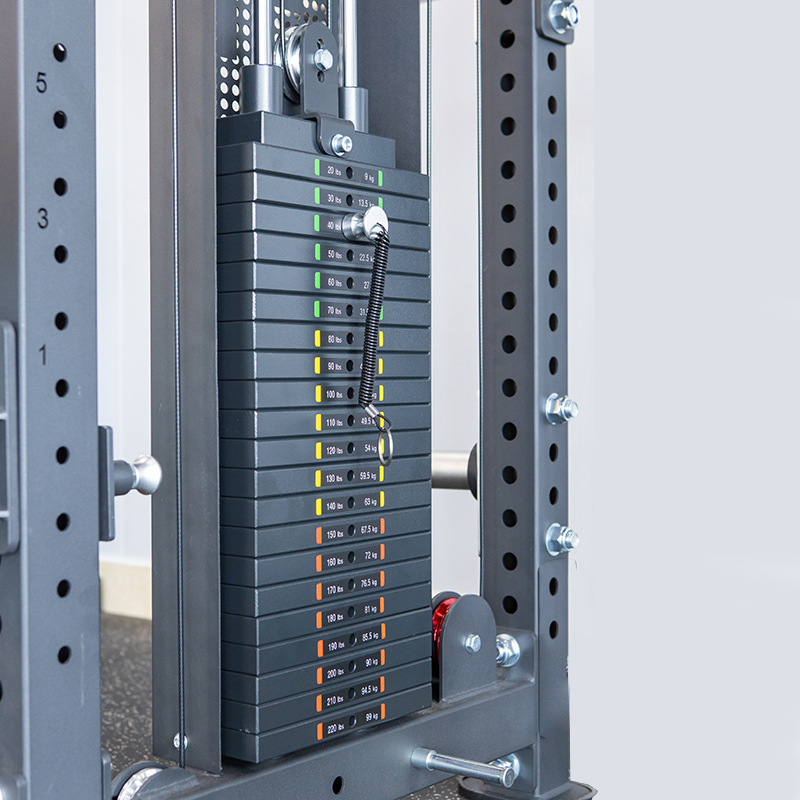
A commercial lat pulldown machine is a selectorized strength apparatus designed for high-volume back training in institutional settings—health clubs, university recreation centers, hotel fitness facilities, and professional training studios. Unlike home-grade or light-commercial versions, commercial units feature enclosed weight stacks with 200-300 lb (90-135 kg) capacities, industrial-grade sealed bearings, 11-gauge or thicker steel frames, and commercial-spec upholstery rated for 30,000+ double rubs. These machines withstand 50-100+ daily users without developing cable fray, bearing play, or pad compression.
The engineering core of a commercial lat pulldown centers on cam profile design and cable routing. Premium machines use an eccentric or variable-radius cam that matches the body's natural strength curve—delivering lighter resistance at the start (where leverage is poor) and heavier resistance at peak contraction. Budget machines use constant-radius pulleys, creating strength mismatches that feel "too heavy" at the top or "too light" at full contraction. The cable path should utilize 5-8 sealed ball bearings or nylon pulleys with machined grooves to reduce friction and noise; exposed or unlubricated bushings wear within 12-18 months of commercial use.
Industry data from equipment maintenance logs shows that cable failure is the most common service event on commercial lat pulldowns. A 2024 analysis of 350 commercial facilities found that machines with 7x19 strand aircraft cable (flexible, fatigue-resistant) lasted 5-7 years versus 2-3 years for standard 7x7 cable. The second most common failure point is the selector pin and weight stack guide rods: chrome-plated or stainless steel rods with nylon or brass bushings outlast bare steel or aluminum rods by 3-5x. Facilities using self-lubricating composite bushings (e.g., Oilite or Igus) reported 80% fewer maintenance calls compared to greased metal-on-metal contact.
For buyers selecting a commercial lat pulldown, prioritize biomechanical fit for diverse user populations. The machine should accommodate users from the 5th percentile female (approximately 4'8"/142cm) to the 95th percentile male (6'4"/193cm) through seat height adjustability (minimum 6-8 positions), thigh pad adjustability (vertical and horizontal), and range of motion limiters. Verify starting weight: commercial machines should offer 10-20 lb minimum resistance (not 30-40 lb, which excludes beginners and rehabilitation users). Test grip bar options: fixed wide bar, rotating multi-grip, or detachable handles—rotating bars with sealed bearings reduce wrist strain but add maintenance complexity. Assess frame footprint and floor anchoring: most commercial lat pulldowns require bolt-down installation; verify pre-drilled feet and anchor bolt specifications. Expect to pay $2,500-5,000 for a true commercial lat pulldown; sub-$2,000 units typically use lighter frames, smaller weight stacks (150-200 lb max), and lower-grade components suitable only for home or light commercial (e.g., apartment gyms, hotel fitness rooms with low daily usage).

Let our experts design the perfect gym solution for your business. Get a free consultation and quote today.