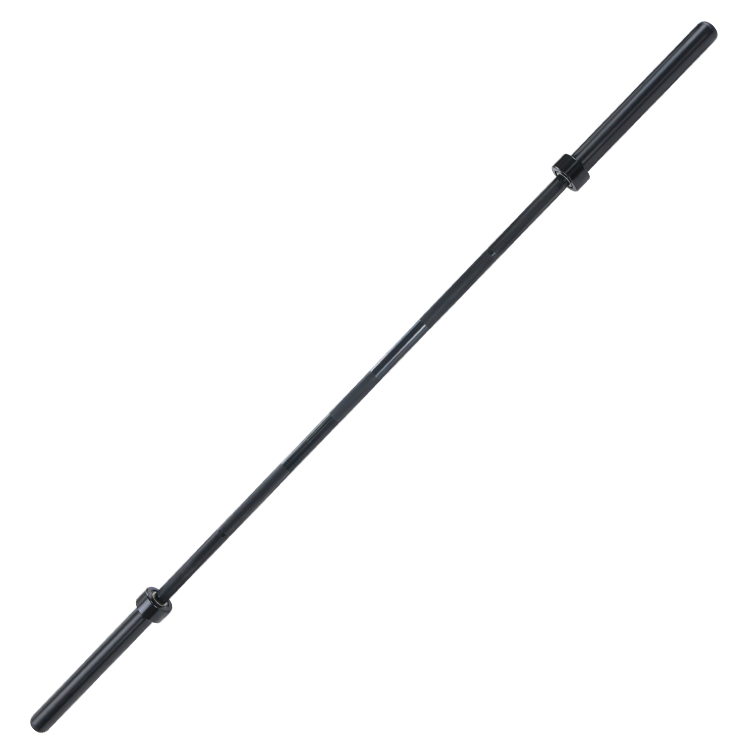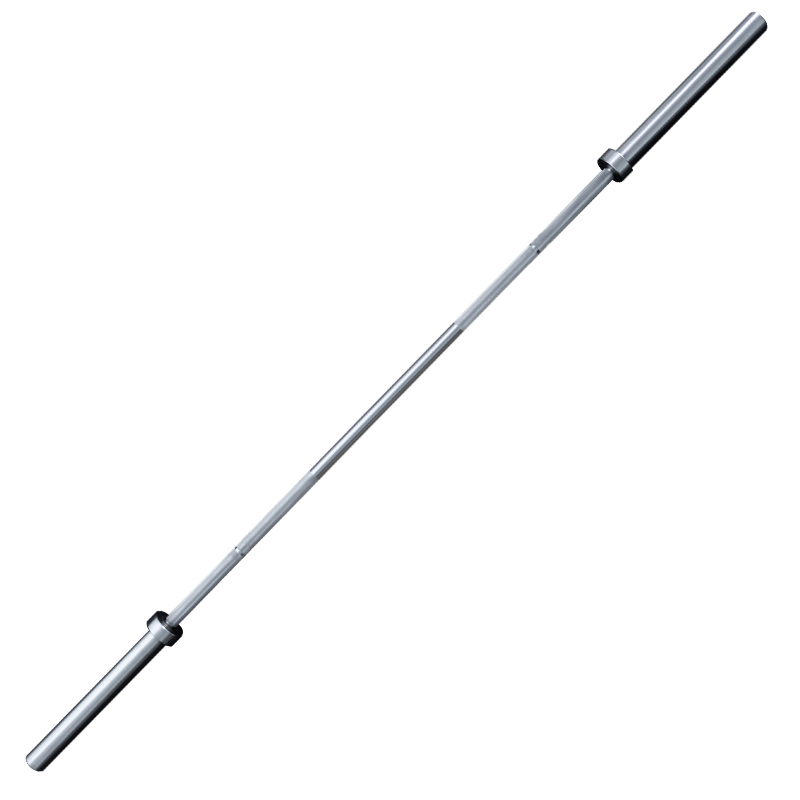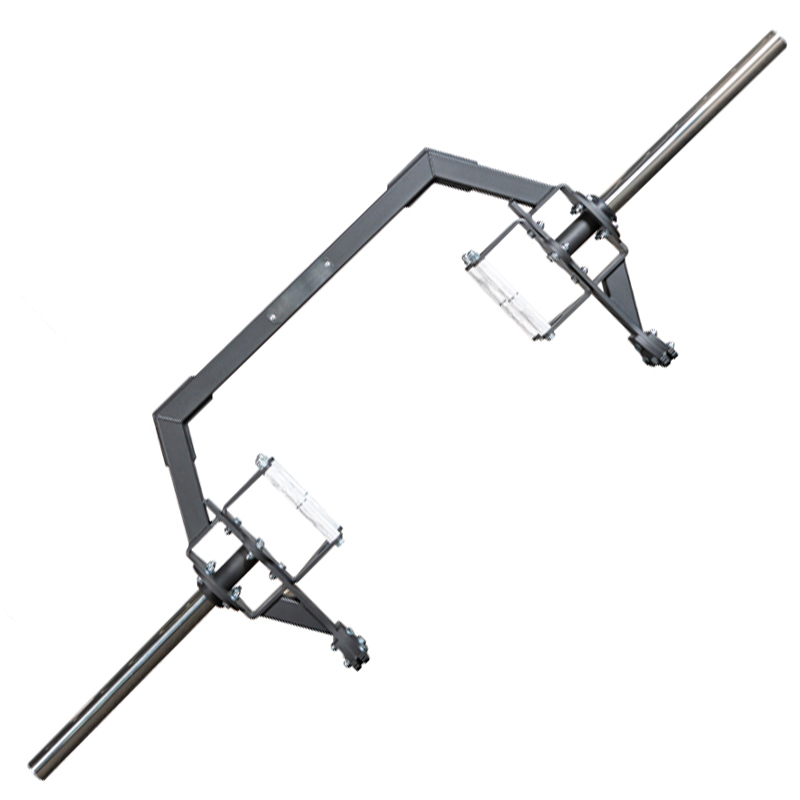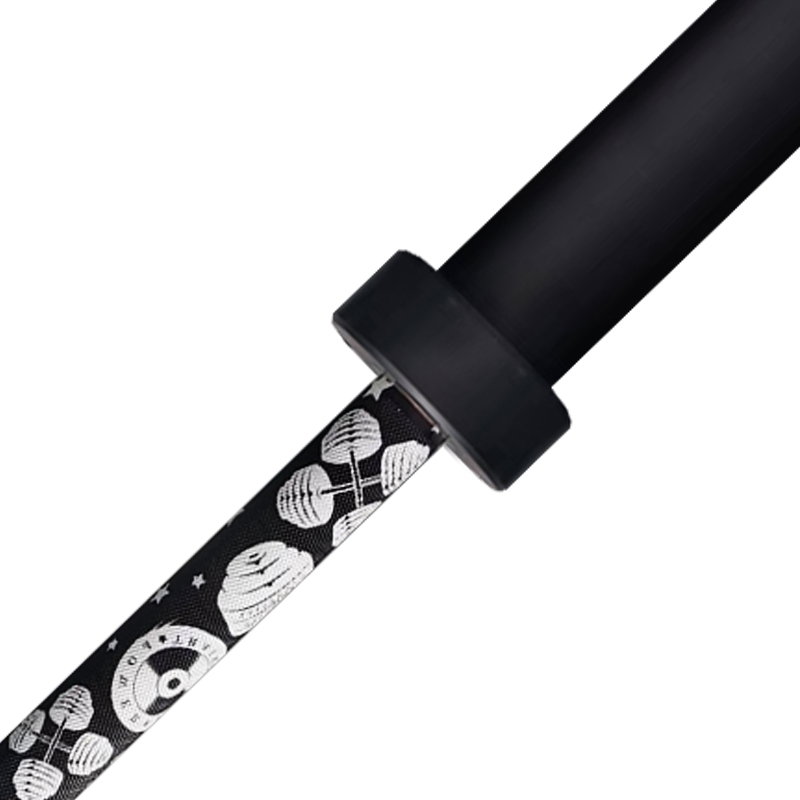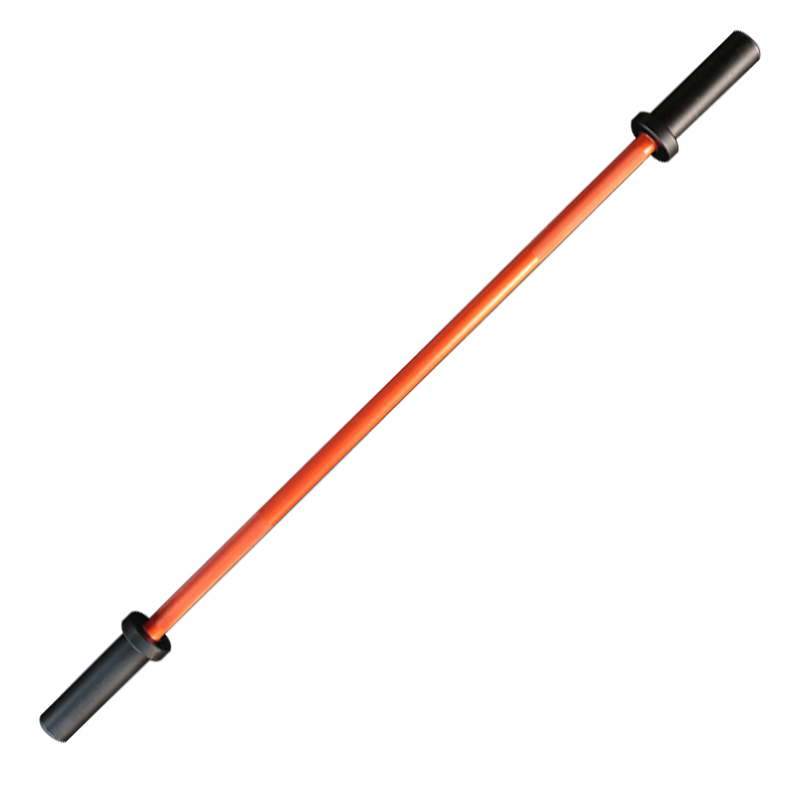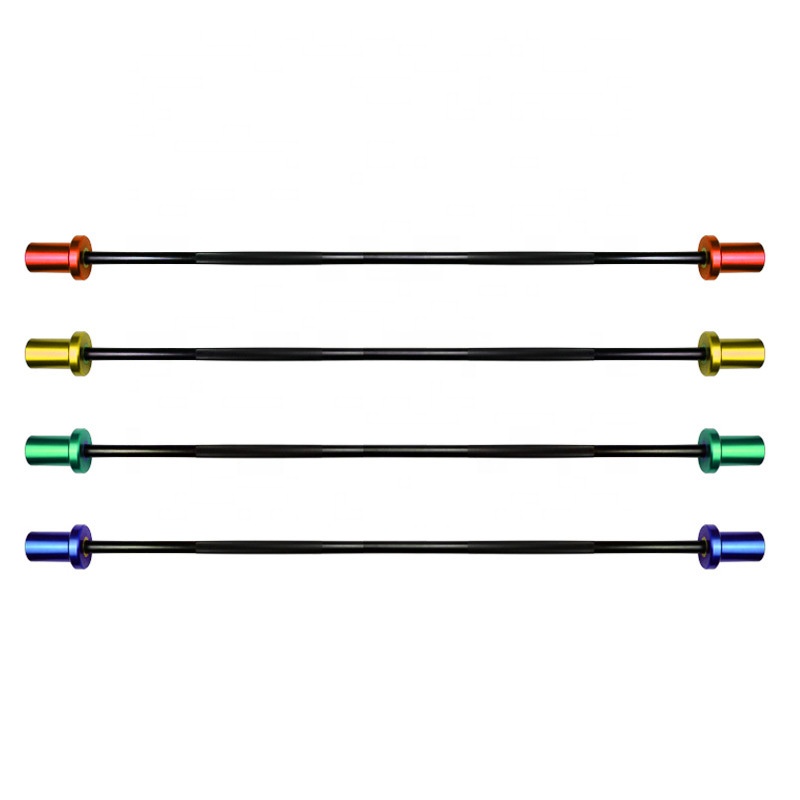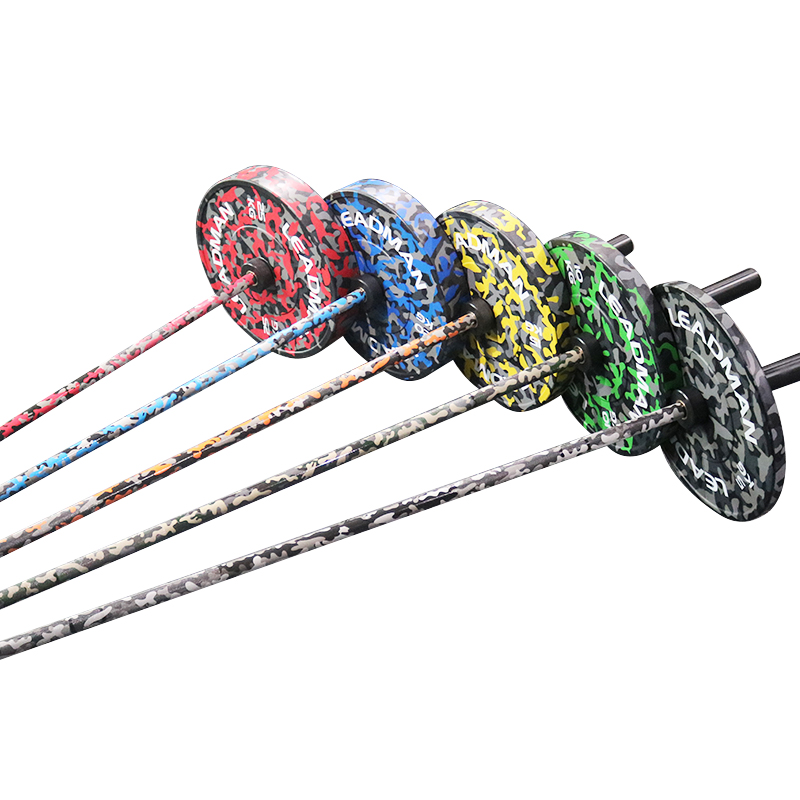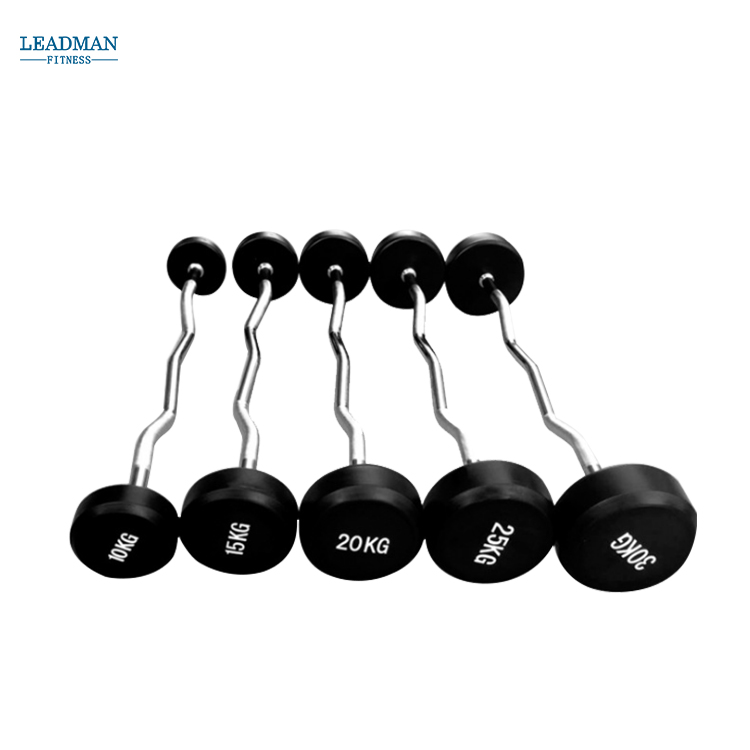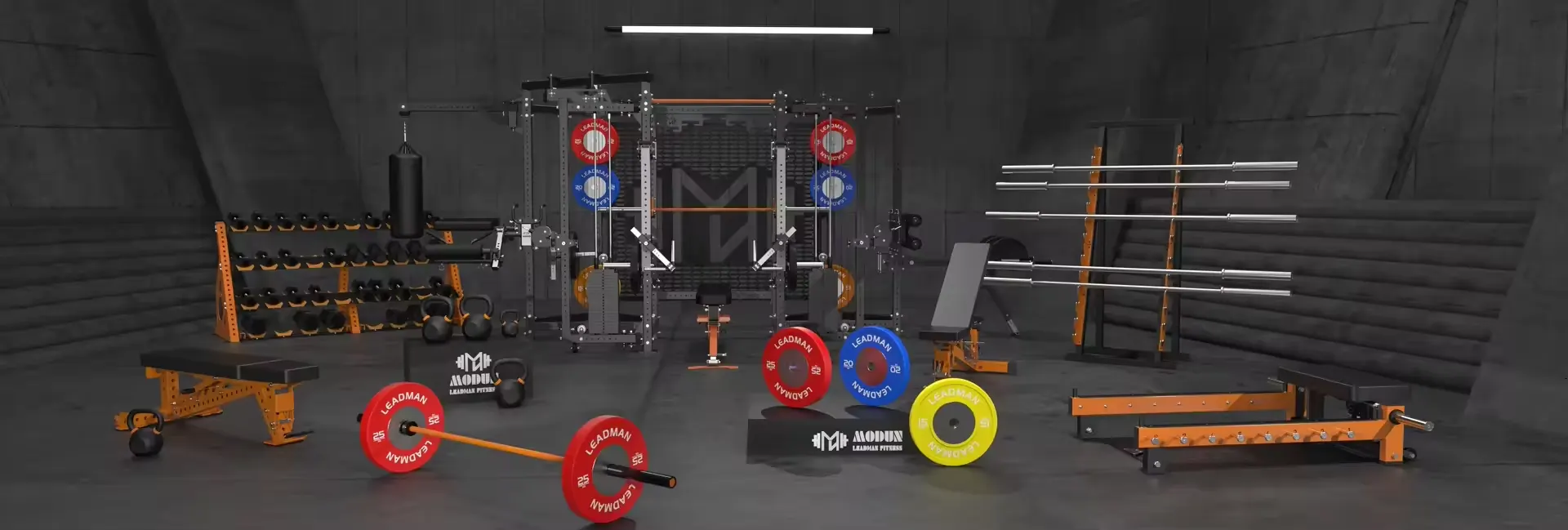
China barbell manufacturing represents a significant and complex segment of the global fitness equipment supply chain, characterized by high-volume production capacity, competitive pricing, and a rapidly evolving quality landscape. The country has emerged as the world's dominant producer of barbells, supplying private-label brands, commercial gym chains, and budget-conscious consumers across international markets. This industrial scale has democratized access to weightlifting equipment but has also introduced substantial variability in quality, necessitating a sophisticated approach to supplier selection and product specification.
The manufacturing ecosystem for barbells in China is concentrated in several key industrial regions, with the Pearl River Delta and Yangtze River Delta serving as primary hubs. These regions benefit from established steel supply chains, precision machining capabilities, and a skilled labor force experienced in metalworking and finishing processes. The production process typically begins with high-carbon steel sourcing, followed by cold forging or machining of the shaft and sleeves, heat treatment to achieve desired tensile strength, and final assembly with bearings or bushings. Surface finishing options range from basic black oxide to premium chrome and cerakote, with coating quality varying significantly between manufacturers. Most Chinese factories operate on a build-to-order (BTO) model, producing large batches based on buyer specifications.
Navigating the quality tiers of Chinese barbells is essential for professional buyers. At the entry level, manufacturers produce bars with tensile strengths of 140,000-160,000 PSI, utilizing bushings rather than bearings, which are adequate for light commercial or home use. The mid-tier segment is the most competitive, with bars offering 180,000+ PSI tensile strength, needle bearings, and durable chrome finishes, representing the best value proposition for commercial gyms seeking reliable equipment. The premium segment includes manufacturers that have invested in advanced heat-treatment facilities and precision grinding equipment, producing bars that rival Western competition standards in both performance and quality. However, this segment requires the most thorough due diligence, as marketing claims often exceed actual capabilities.
For commercial buyers and gym operators, the decision to source barbells from China involves a careful assessment of supplier certifications, quality assurance protocols, and supply chain stability. Reputable manufacturers should provide documented material certifications, load testing results, and weight tolerance verifications. Third-party inspections are recommended to validate product quality before shipment, as consistency can be a challenge with high-volume production. The cost advantage of Chinese manufacturing is substantial, often 30-50% lower than Western equivalents, but this advantage must be weighed against potential longer lead times, communication challenges, and the complexities of international logistics. A strategic sourcing approach, combining rigorous supplier auditing with clear specification documentation, can unlock the value of Chinese barbell manufacturing without compromising quality or safety.
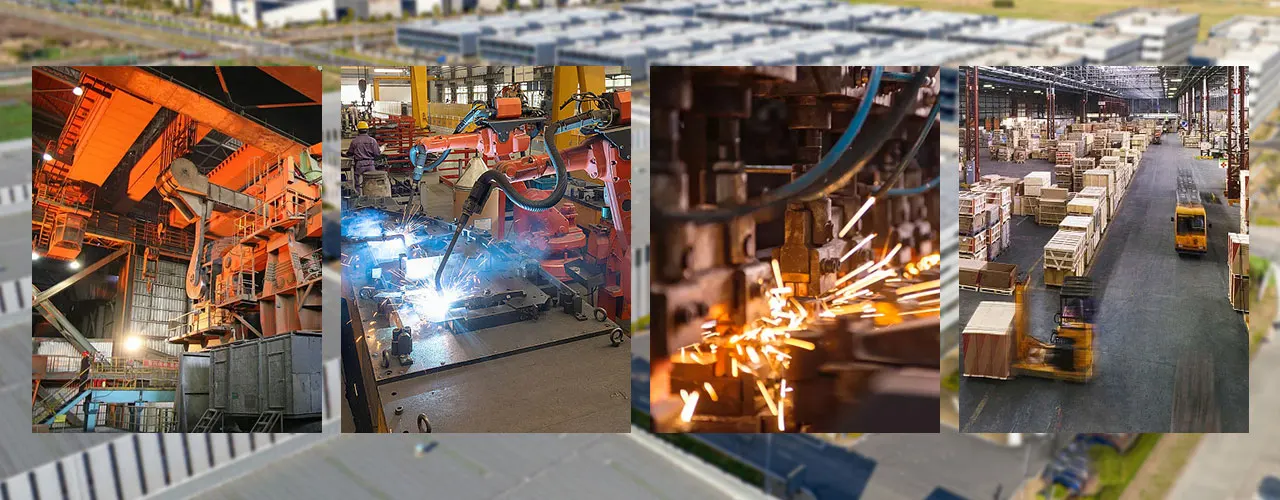
Let our experts design the perfect gym solution for your business. Get a free consultation and quote today.