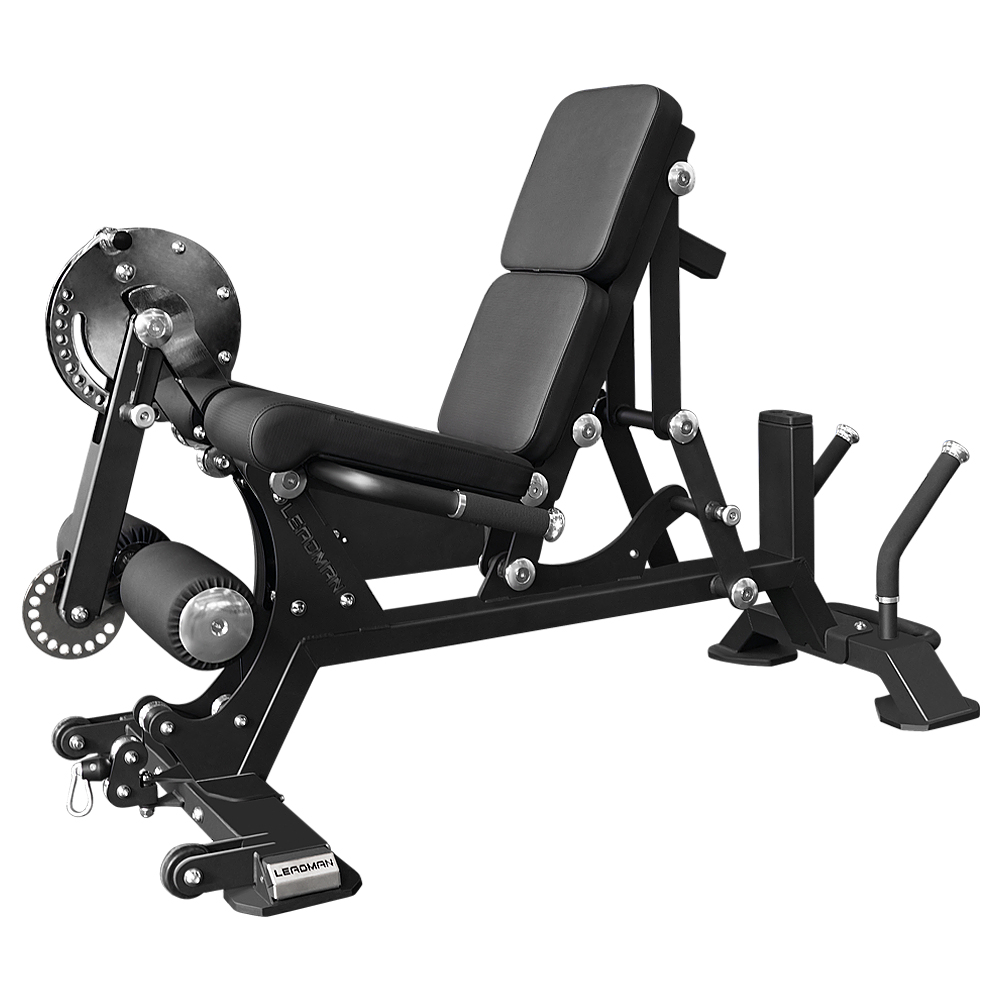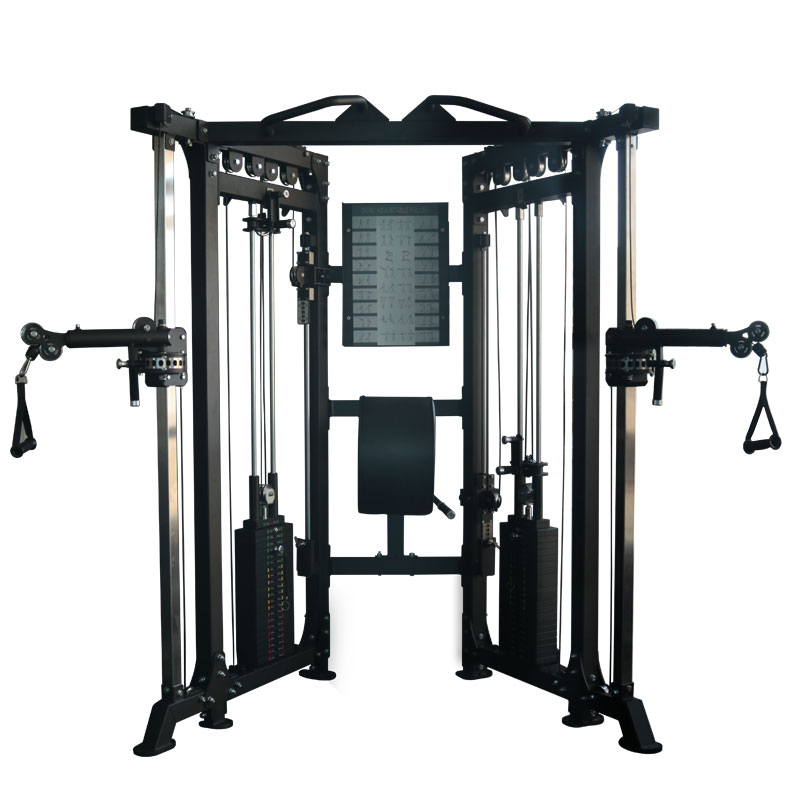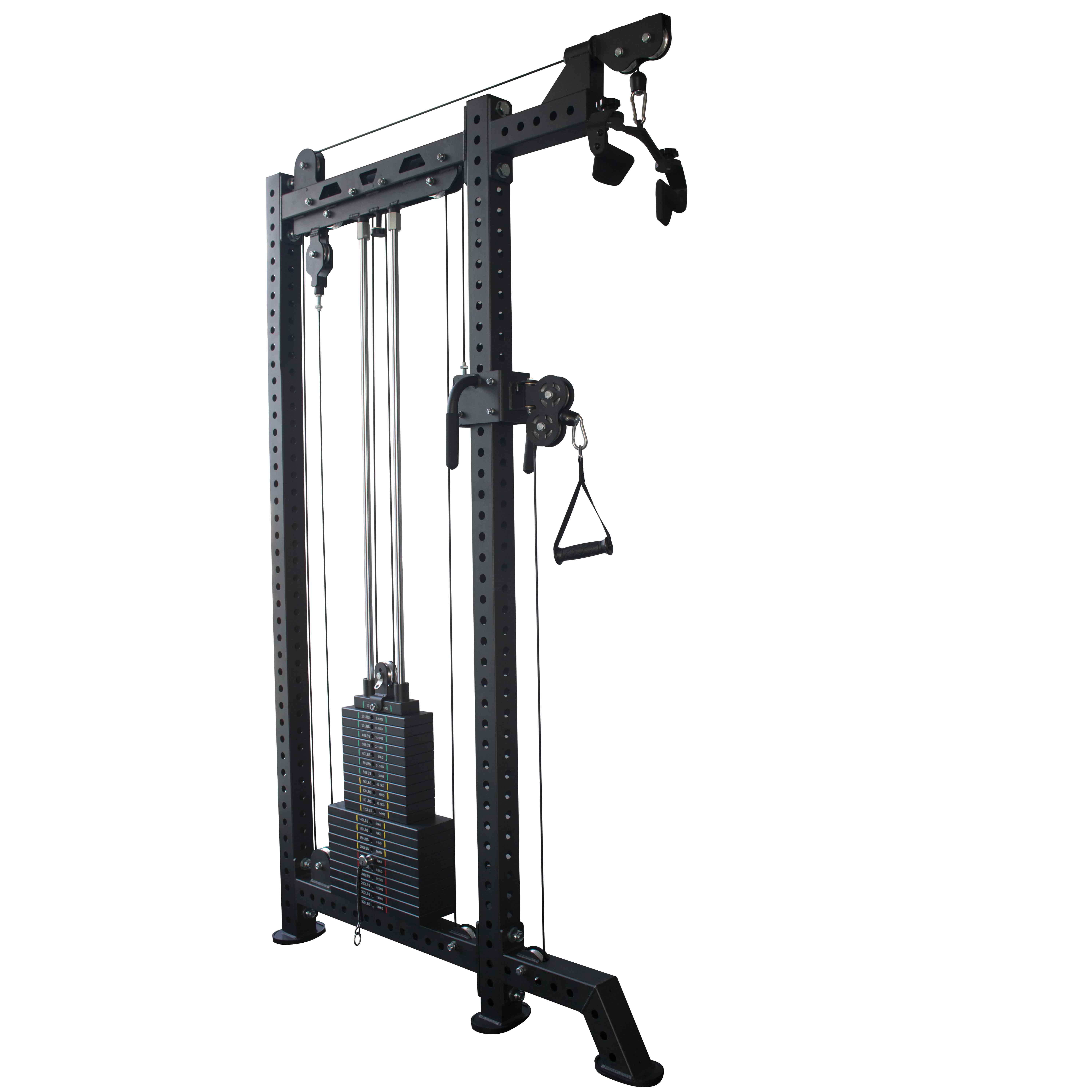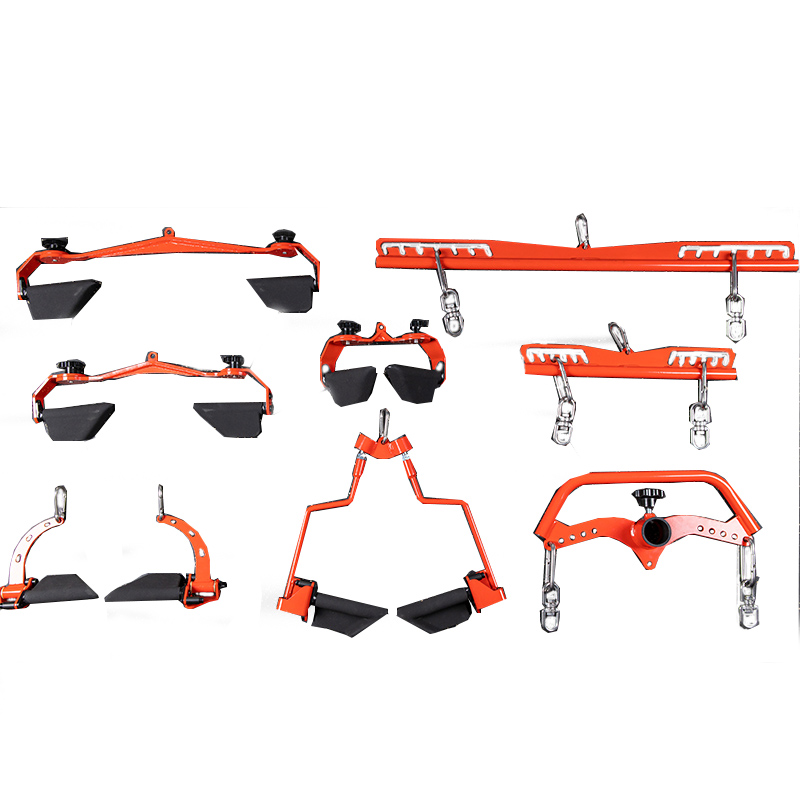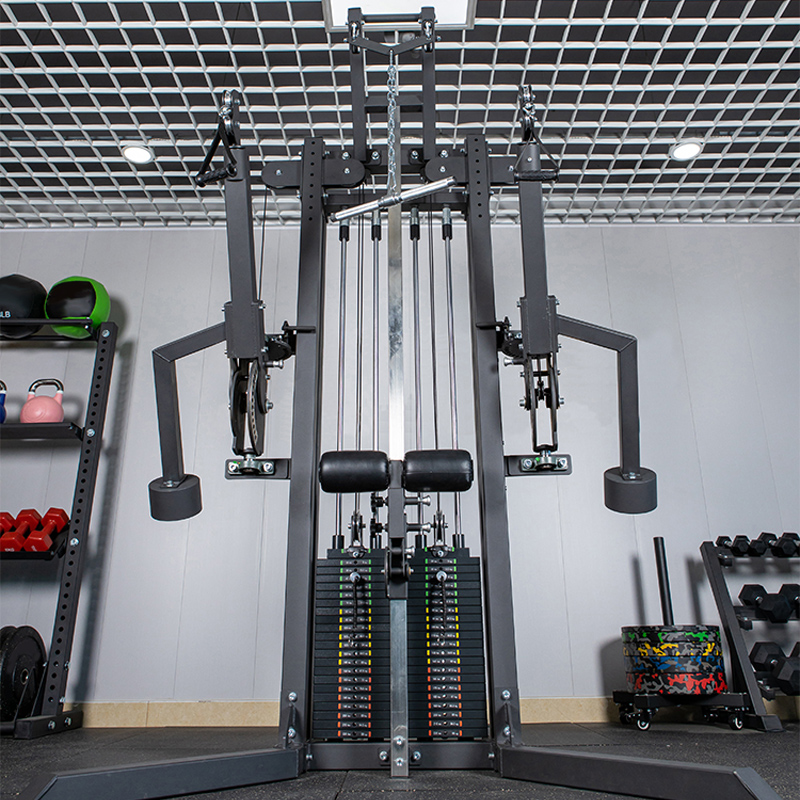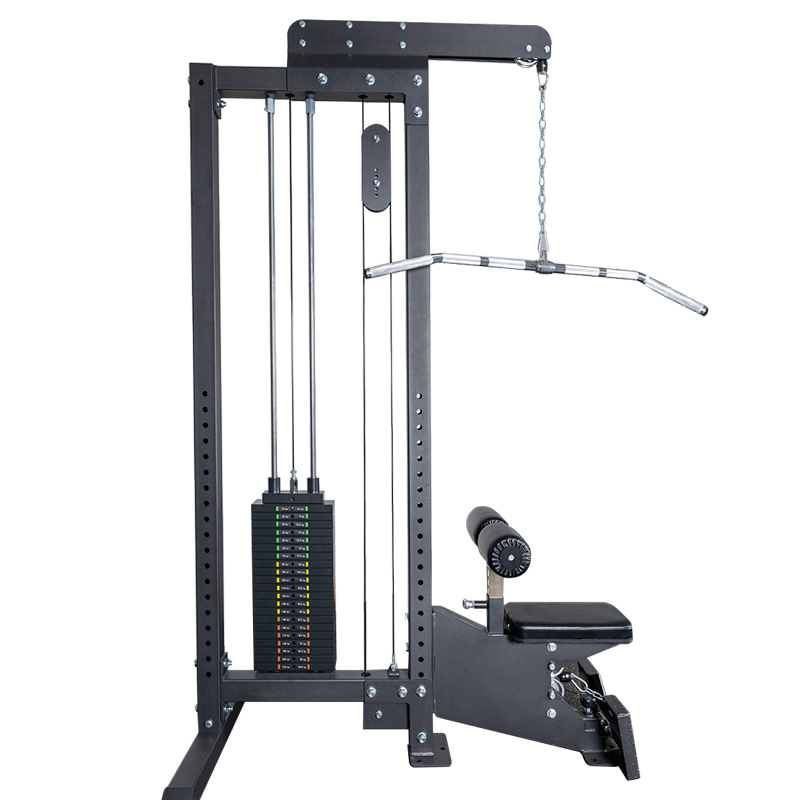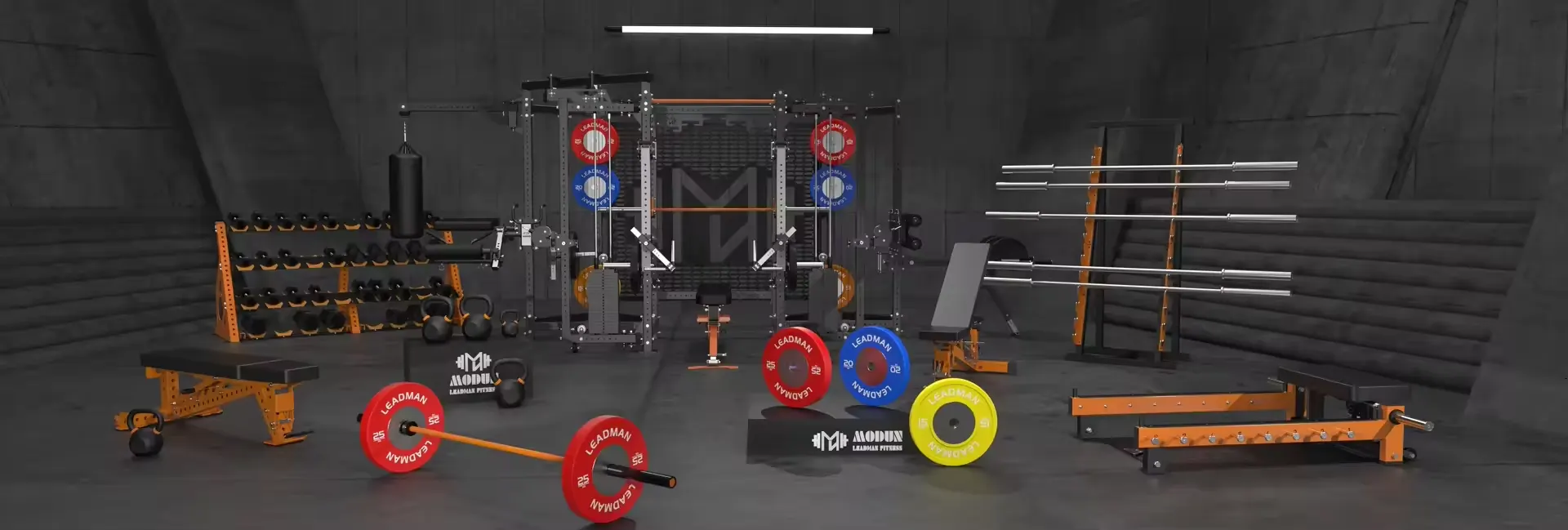
The biceps triceps machine has become an indispensable addition to commercial gym strength floors, providing targeted, isolated training for the upper arm's primary muscle groups without the stabilization demands and technical complexity of free weight alternatives. Unlike barbell curls or triceps extensions, which require significant core engagement and form discipline to execute effectively, the biceps triceps machine guides users through a controlled range of motion that maximizes muscle activation while minimizing the risk of compensatory movements and injury. For facility operators, this equipment category offers an accessible entry point for novice members learning resistance training fundamentals, while also serving as a valuable supplementary tool for advanced lifters seeking to build arm size and strength through targeted isolation work.
From a mechanical design perspective, the biceps triceps machine typically utilizes either a selectorized weight stack or a plate-loaded resistance system that transmits force through a cam-and-pulley or lever-arm mechanism to the user's hands. The biomechanical precision of the machine lies in its cam profile, which is engineered to match the natural strength curve of the biceps or triceps, providing resistance where the muscle is strongest and reducing load in the weaker ranges of motion. This accommodating resistance approach enables more efficient strength development compared to constant-resistance options like dumbbells, as the muscle experiences optimal loading throughout the entire exercise range. Premium commercial biceps triceps machines feature adjustable seat positions, arm pads, and handle orientations to accommodate diverse user anthropometrics and exercise preferences, while the movement arm should provide a smooth, frictionless pivot that enables controlled, focused contractions essential for arm development.
For facility operators, the strategic deployment of biceps triceps machines within the strength floor requires balancing equipment density with accessibility to other training zones. Single-station dual-function machines—incorporating both biceps and triceps movements within the same footprint—represent a space-efficient solution for facilities with limited square footage, enabling arm isolation work without dedicating separate stations to each movement. Maintenance considerations are generally minimal compared to cable-based equipment, though periodic lubrication of pivot points and inspection of the weight stack guide rods ensure continued smooth operation. The machine's floor footprint typically requires approximately 1.5-2 square meters, with additional clearance for seat adjustment and loading, making this equipment a viable addition for most commercial strength zones.
Let our experts design the perfect gym solution for your business. Get a free consultation and quote today.