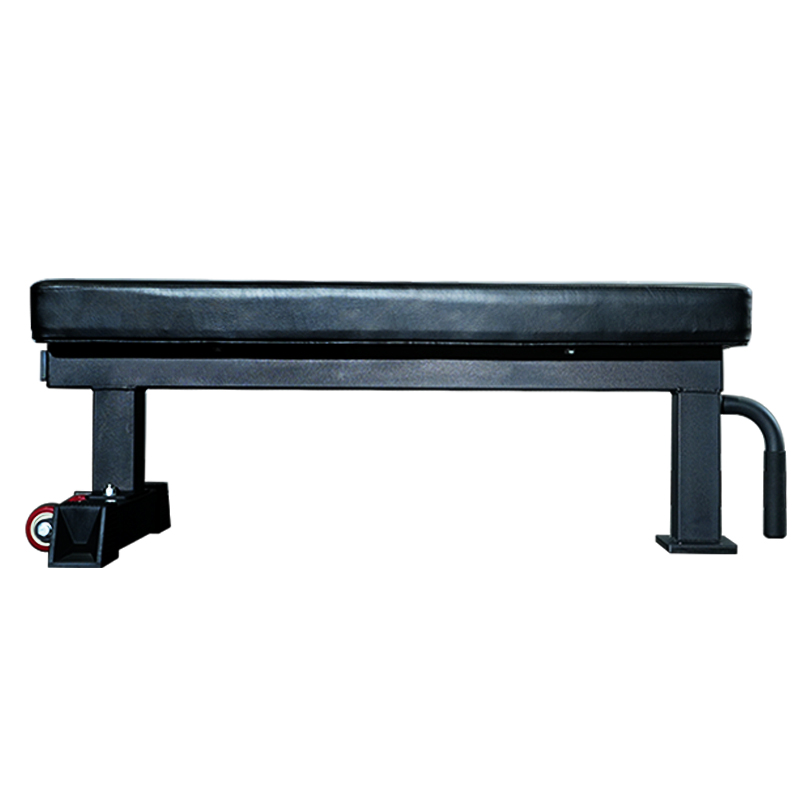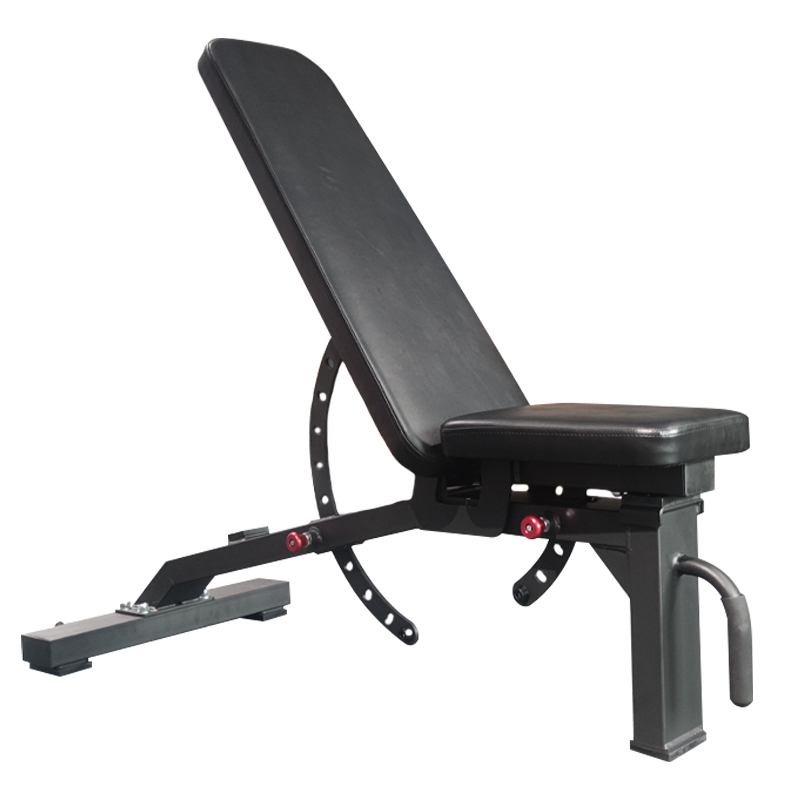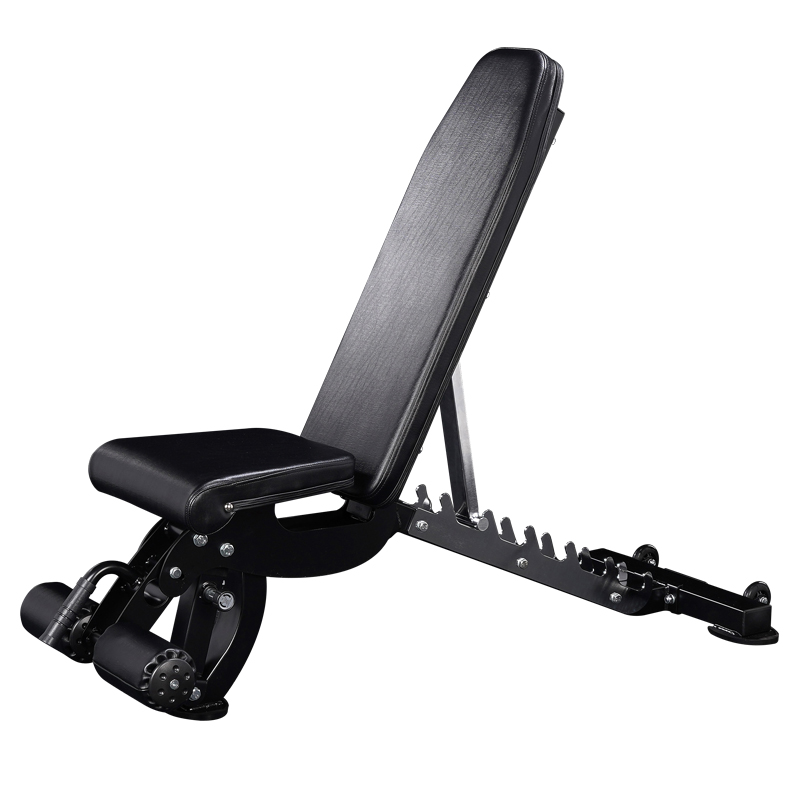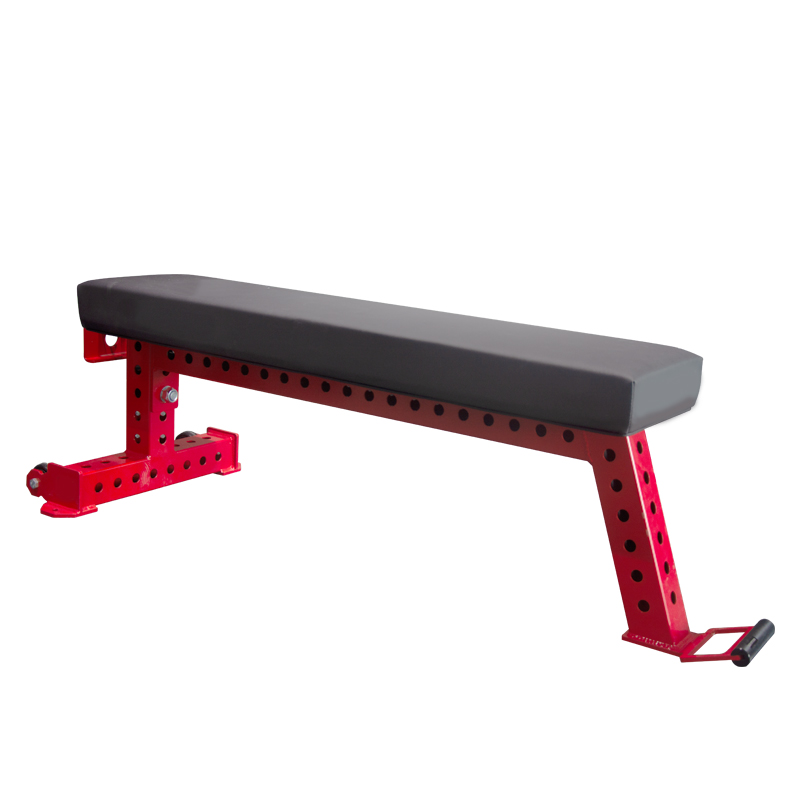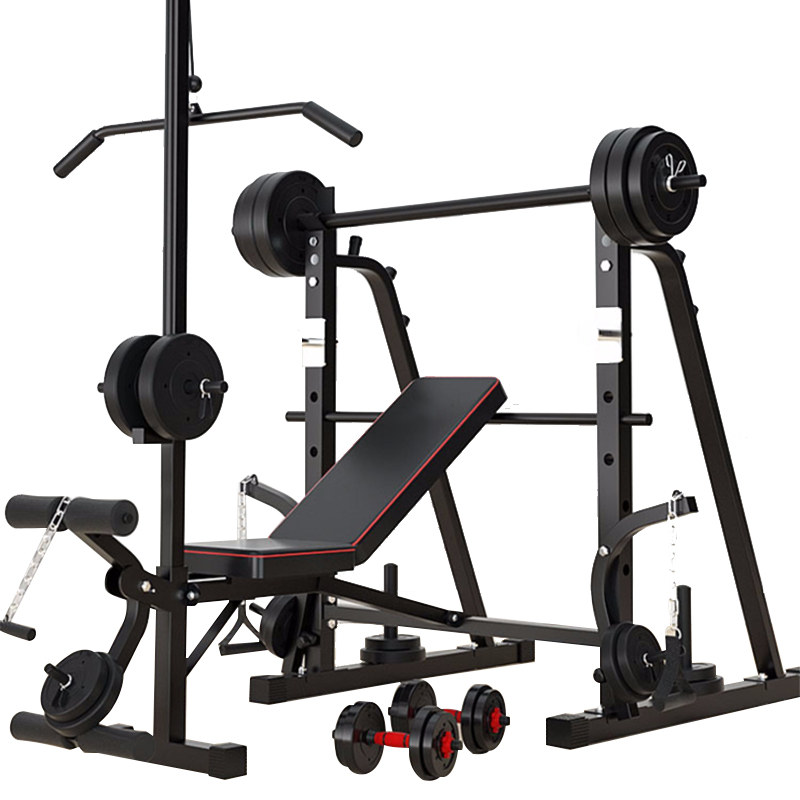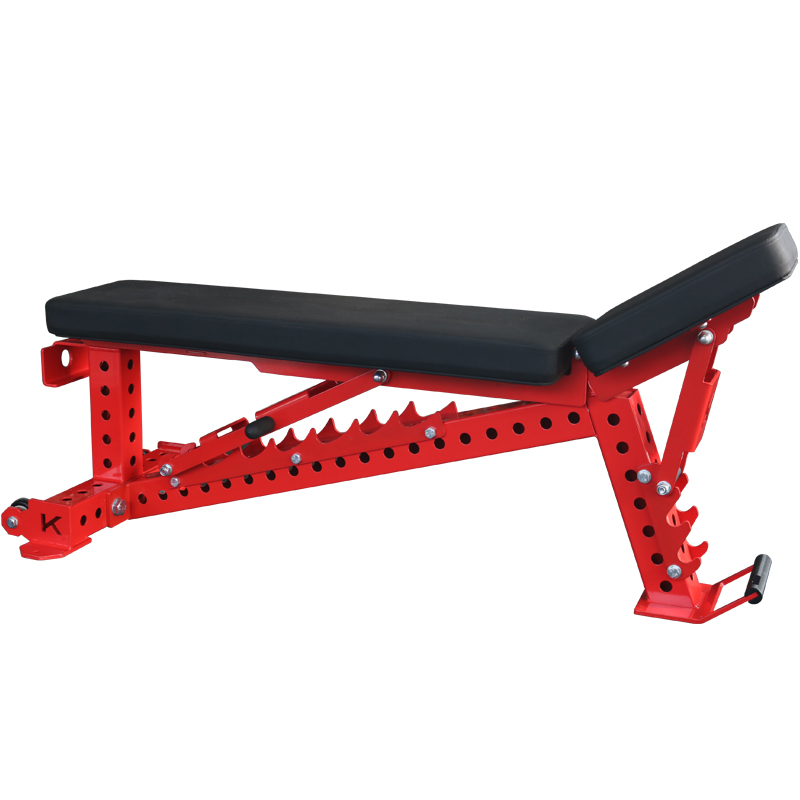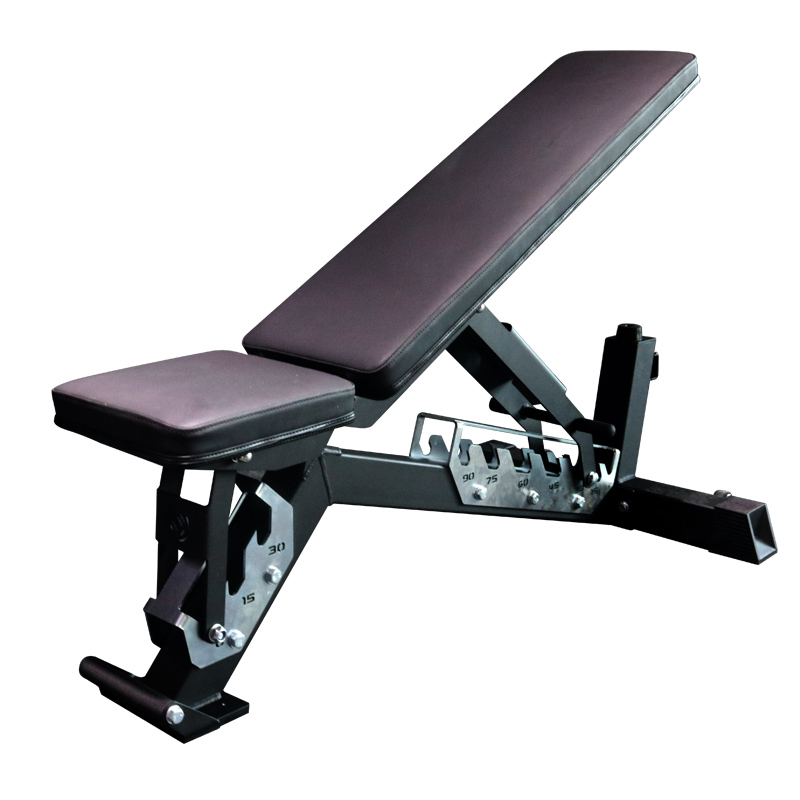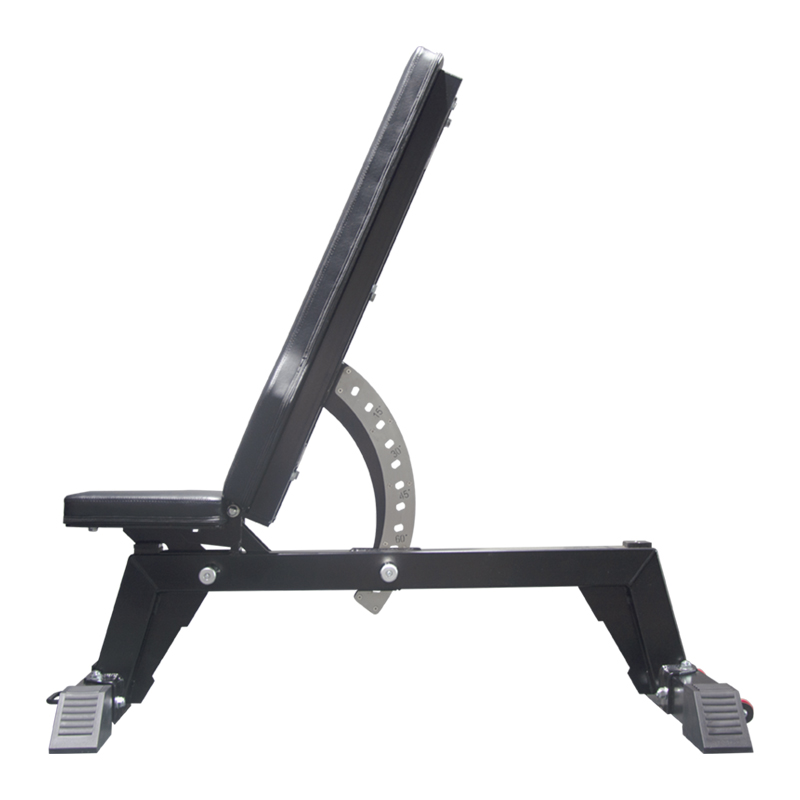
Adjustable benches have evolved from simple accessory platforms to versatile strength-training hubs capable of accommodating flat, incline, decline, and even military press positions, all within a single footprint. Yet the true value of adjustable bench exercises lies not in the equipment itself, but in the exercise diversity it unlocks—transforming a modest investment into dozens of movement variations that target every major muscle group. From the traditional flat barbell press and seated dumbbell shoulder press to decline sit-ups and one-arm rows, this singular piece supports full-body programming for facilities ranging from boutique studios to high-volume commercial gyms.
Exercise selection should correspond directly to the bench's adjustment range: a unit offering 0–90° backrest inclination and 0–20° seat angle enables seamless transitions between horizontal pressing, low-incline flyes, and vertical shoulder stabilisation. For compound lifts, flat and low-incline (15–30°) positions optimise pectoral and anterior deltoid activation, whereas steep inclines (60–80°) shift emphasis toward the upper chest and clavicular fibres. Declines, when available, intensify lower pectoral engagement and recruit stabilising core musculature during pressing variations. This rotational versatility permits periodised programming without additional floor-space consumption.
Beyond pressing movements, adjustable benches unlock accessory and isolation work that refines muscular detail. Seated incline dumbbell curls place biceps under constant tension through a full stretch-shorten cycle; lying triceps extensions on a decline bench enhance long-head recruitment; and rear-delt flyes performed face-down on an incline bench isolate otherwise neglected posterior shoulder fibres. Core enthusiasts will appreciate decline sit-ups with progressive overload through weighted plates, as well as windshield wipers and Russian twists that challenge rotational stability. The bench becomes a modular workout station, supporting unilateral training for limb symmetry and prehabilitation work for injury-prone joints.
Programming strategies should exploit the bench's adjustability to manipulate leverage and resistance curves. Setting an incline during chest presses increases the sticking point demand; performing rows on a decline encourages greater latissimus dorsi stretch; and reducing the bench angle for flyes minimises deltoid compensation. Many advanced athletes pair adjustable benches with resistance bands or chains to create accommodating resistance, where external load increases throughout the range of motion. To maximise gym-floor utility, trainers rotate exercise selection every 4–6 weeks, using the bench's settings as the primary variable while maintaining consistent movement patterns—an approach proven to stimulate adaptation without requiring new equipment acquisitions.

Let our experts design the perfect gym solution for your business. Get a free consultation and quote today.