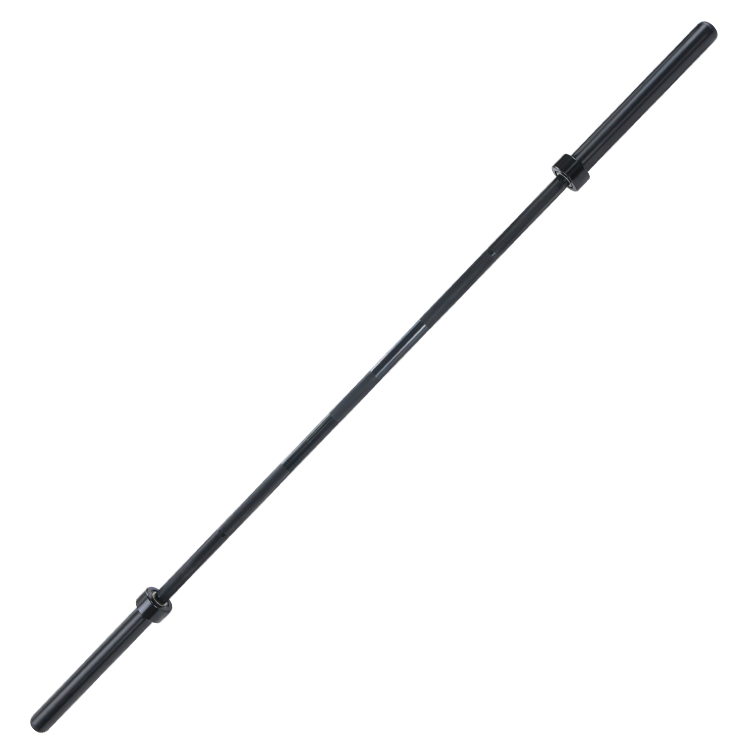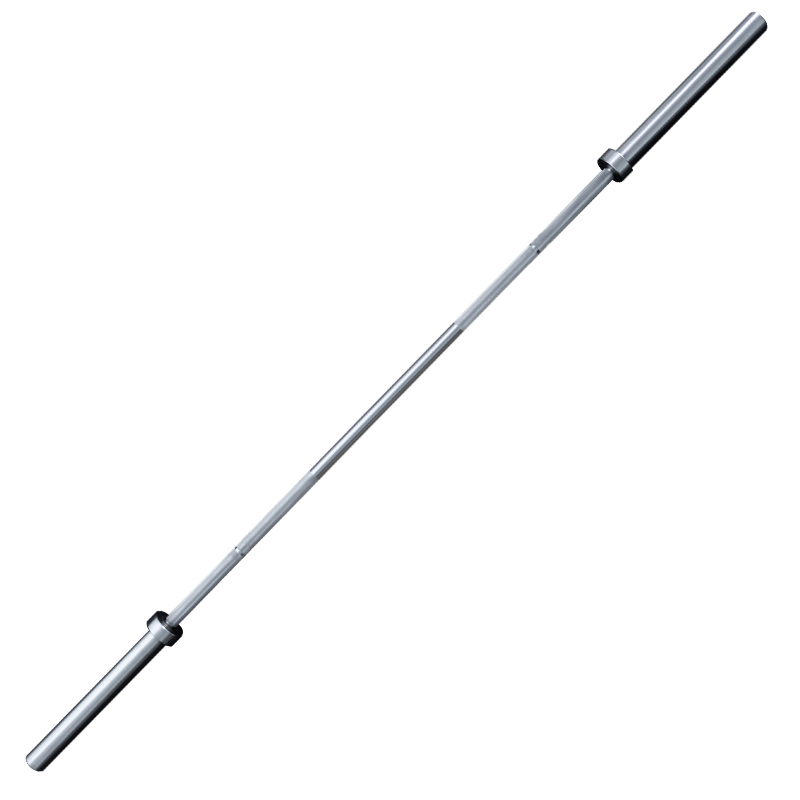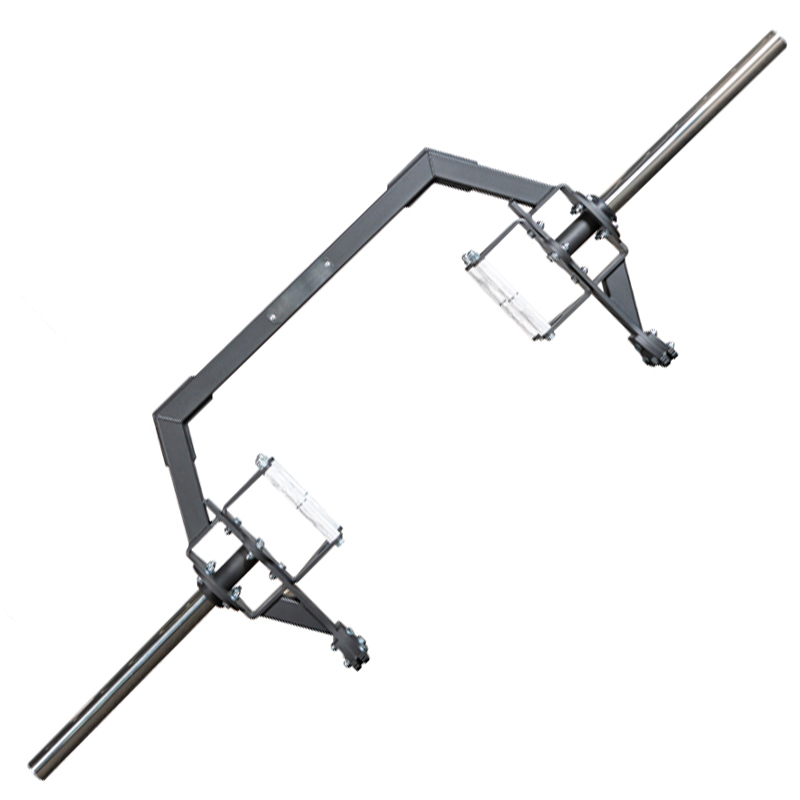
The standard hex trap barbell, also known as a hexagonal barbell, is a foundational piece of strength training equipment designed to optimize posterior chain development while minimizing spinal loading. Unlike traditional straight barbells, the trap bar's geometry allows the lifter to stand inside the center of gravity, promoting a more upright torso and reducing shear force on the lumbar spine. For commercial gym operators and professional strength facilities, selecting a high-quality trap bar requires an understanding of metallurgical standards and ergonomic engineering.
Engineering and Structural Specifications
A professional-grade standard hex trap barbell must adhere to strict manufacturing tolerances. High-quality models typically feature high-tensile steel construction to ensure durability under high-volume commercial use. Key technical considerations include:
Procurement and Selection Criteria
When sourcing standard hex trap barbells for commercial distribution or facility installation, procurement specialists should evaluate the following quality indicators:
Primary Use Cases and Biomechanical Advantages
The trap bar is highly versatile, making it a staple for both strength and conditioning programs. It is primarily utilized for deadlift variations, which can be more accessible for athletes with limited hip mobility. Furthermore, it serves as an effective tool for farmer's carries, enhancing grip strength and core stability. In a commercial setting, the trap bar's ability to provide a safer alternative to the conventional barbell makes it an essential asset for diverse client bases, from competitive athletes to general fitness enthusiasts.

Let our experts design the perfect gym solution for your business. Get a free consultation and quote today.