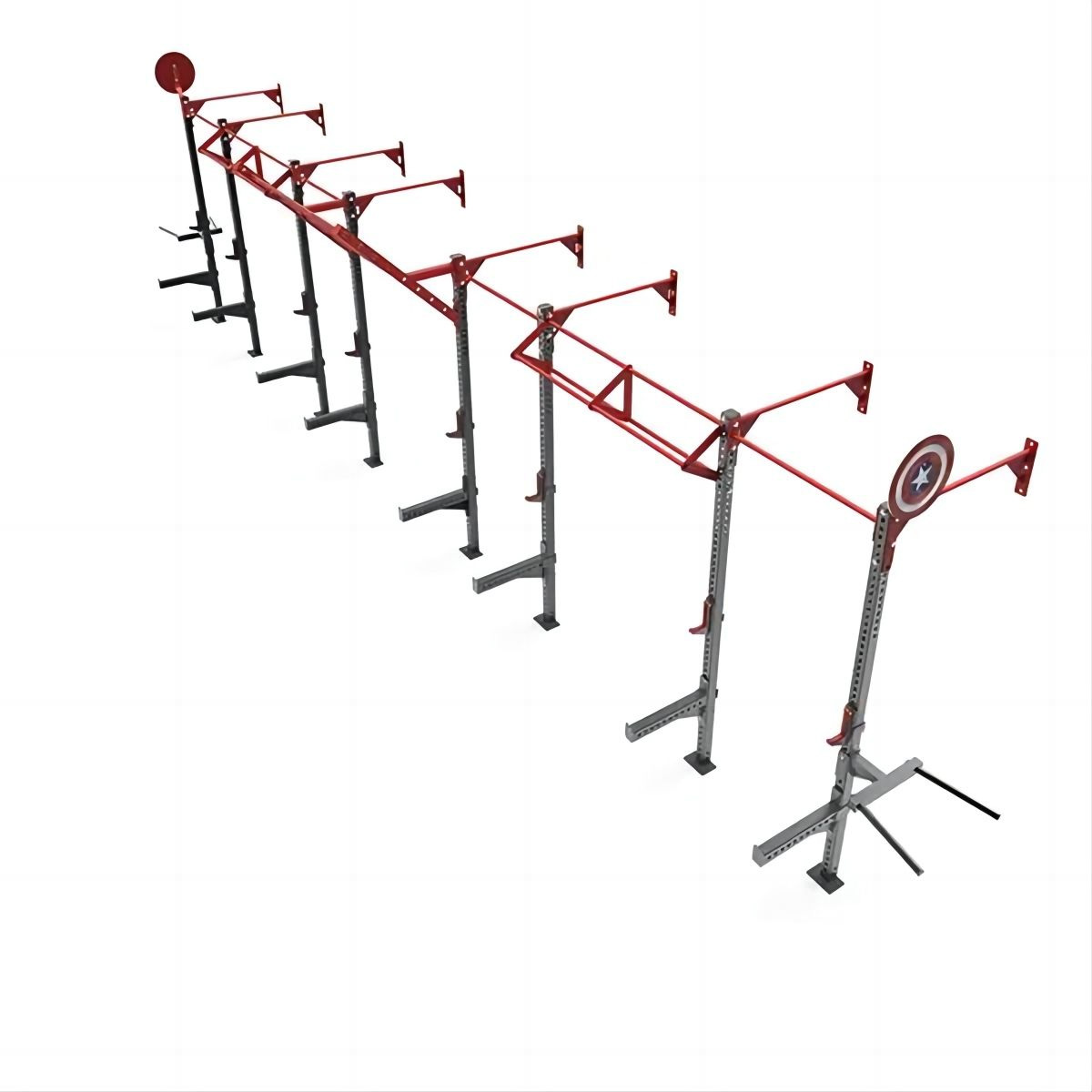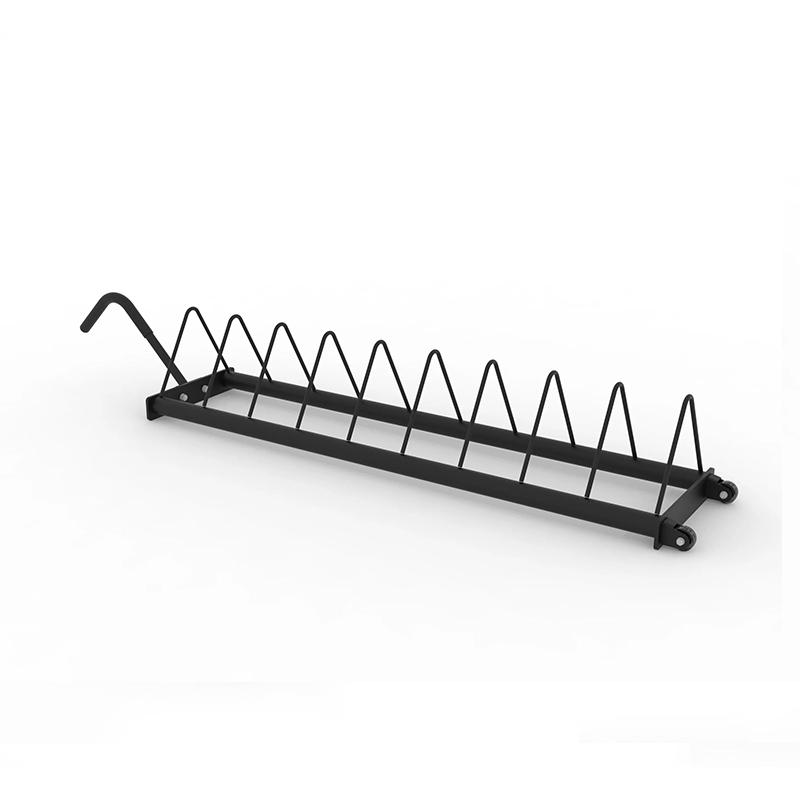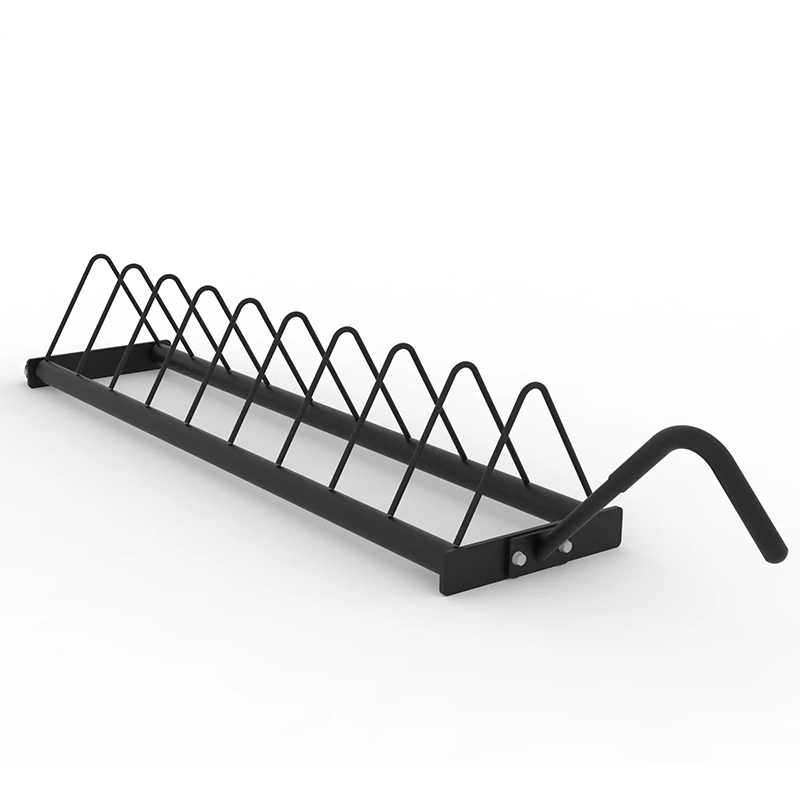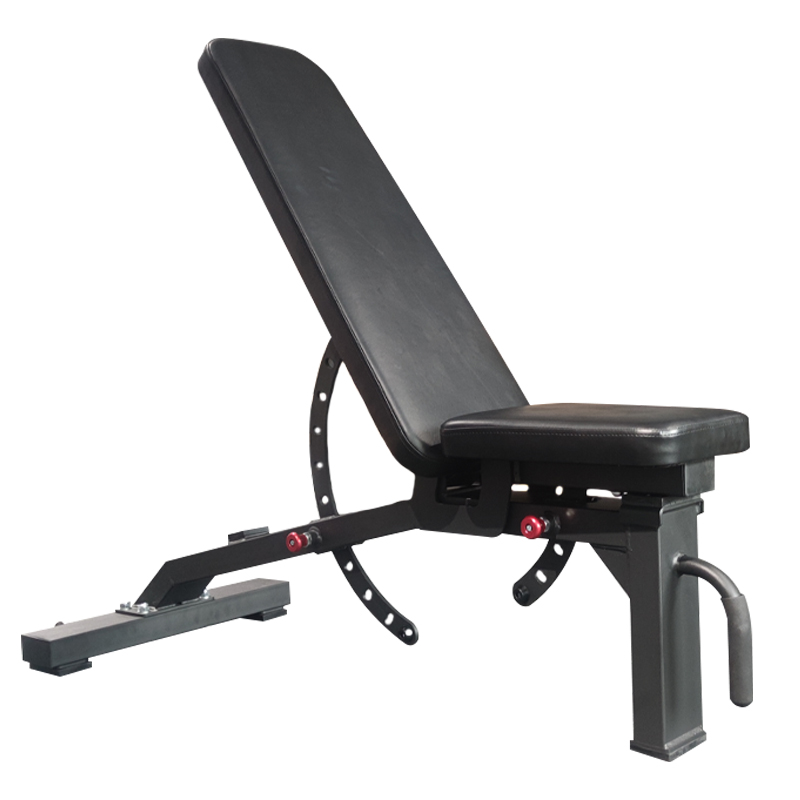
Understanding the gym machine wholesale price involves more than comparing bottom-line figures; it requires a deep dive into the technical specifications, manufacturing standards, and logistics variables that dictate the total cost of ownership. For procurement managers, gym owners, and distributors, grasping these nuances is critical for optimizing capital expenditure (CAPEX) during facility build-outs or inventory replenishment.
Primary Drivers of Wholesale Pricing
The cost of commercial-grade fitness machinery is primarily determined by its engineering and material composition. High-tier wholesale pricing typically reflects several key technical factors:
Procurement Strategies for Bulk Orders
When sourcing equipment at scale, buyers should evaluate the Total Landed Cost rather than just the Ex-Works (EXW) or Free On Board (FOB) price. A low unit price may be offset by high shipping volumes, heavy weight classes, or complex assembly requirements. To optimize procurement, consider the following:
Quality Assurance and Compliance
Price should never be the sole metric in the selection process. Commercial environments demand equipment that meets strict safety and durability standards. Ensure your wholesale partners provide documentation regarding load testing, structural stability, and compliance with international fitness equipment standards. Investing in higher-spec machinery may have a higher upfront cost, but it reduces long-term maintenance expenses and extends the lifecycle of the equipment in high-traffic commercial settings.
Let our experts design the perfect gym solution for your business. Get a free consultation and quote today.