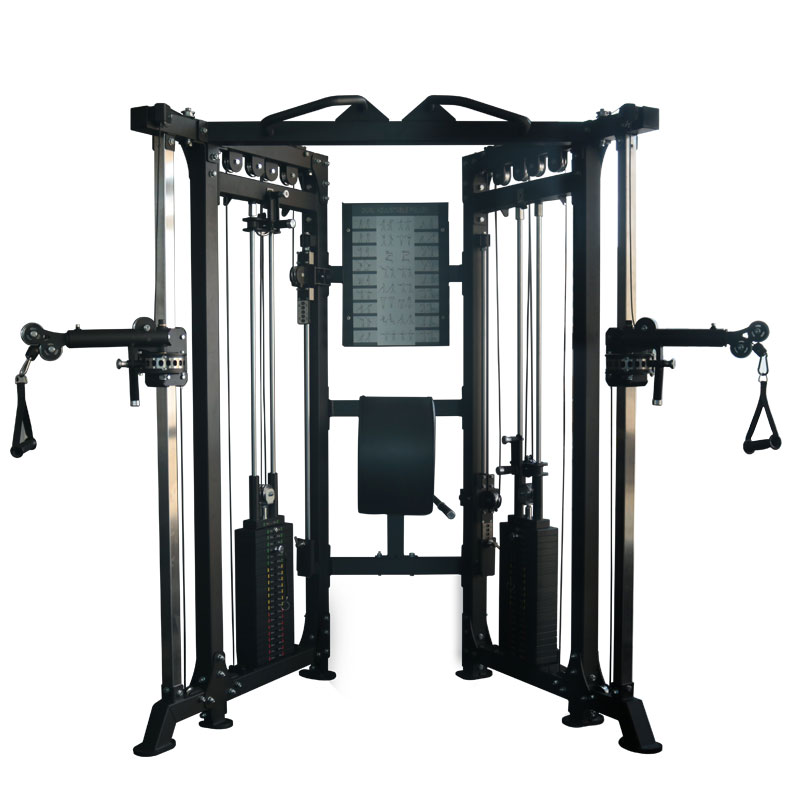
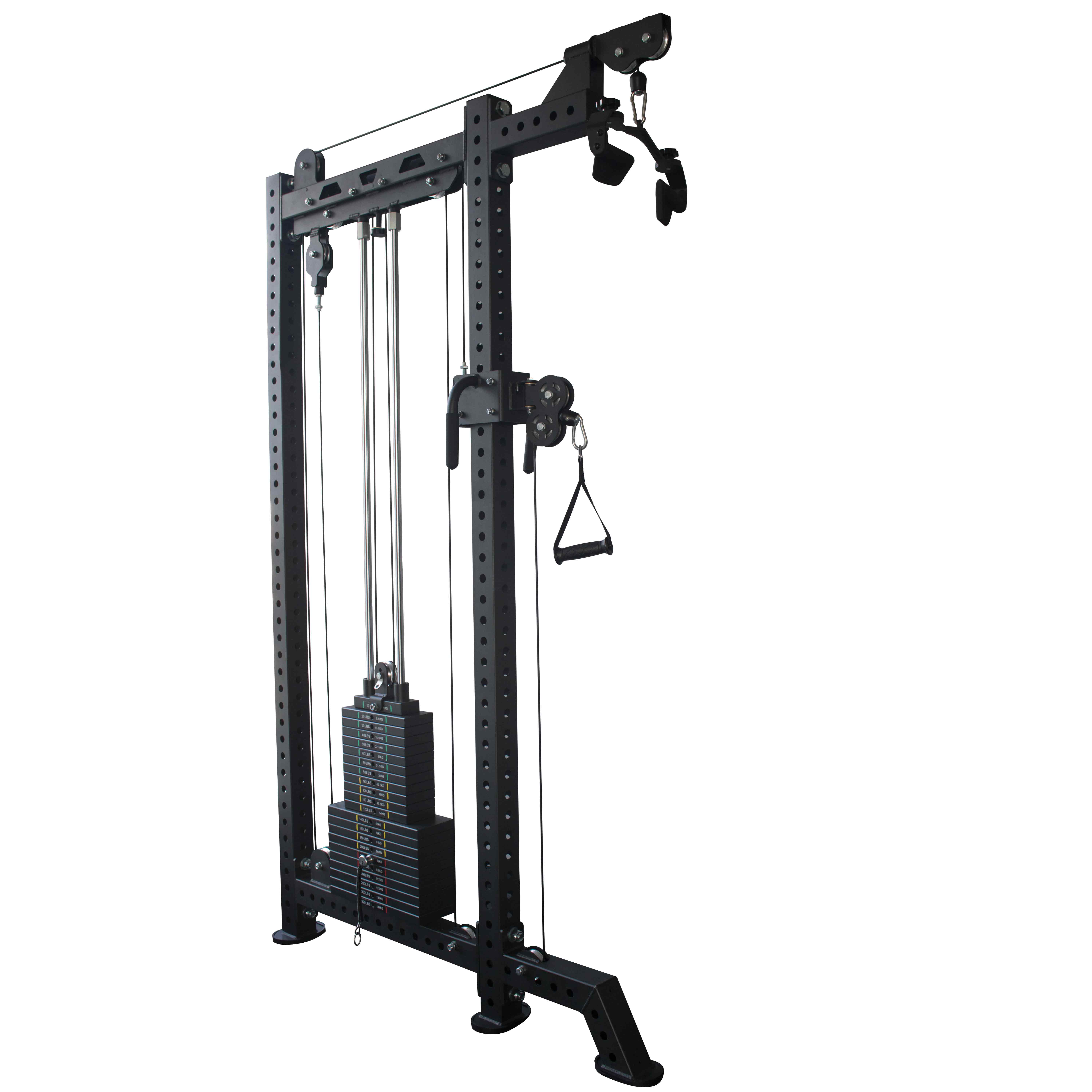
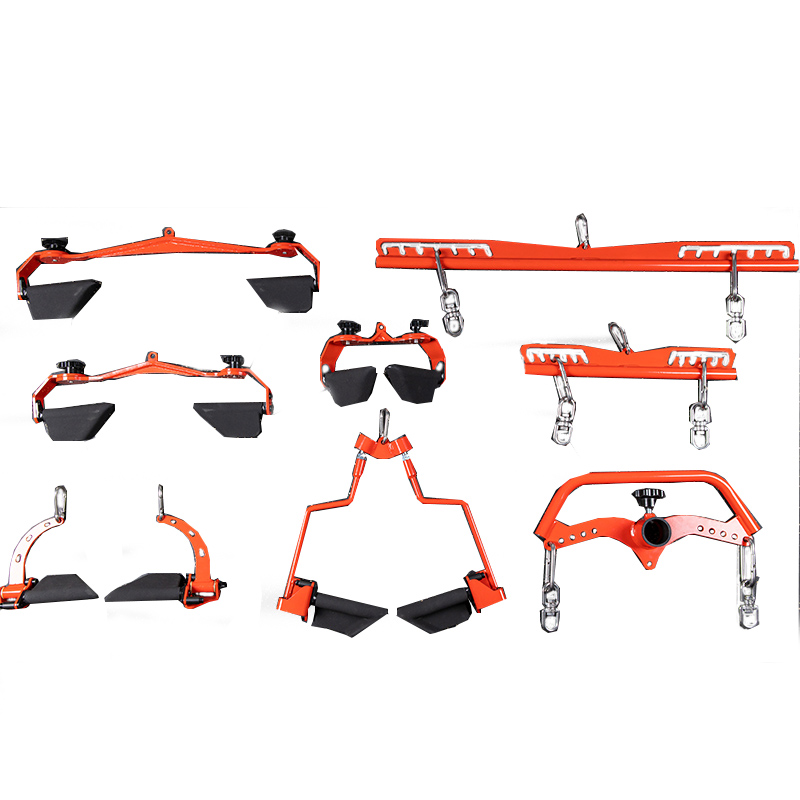
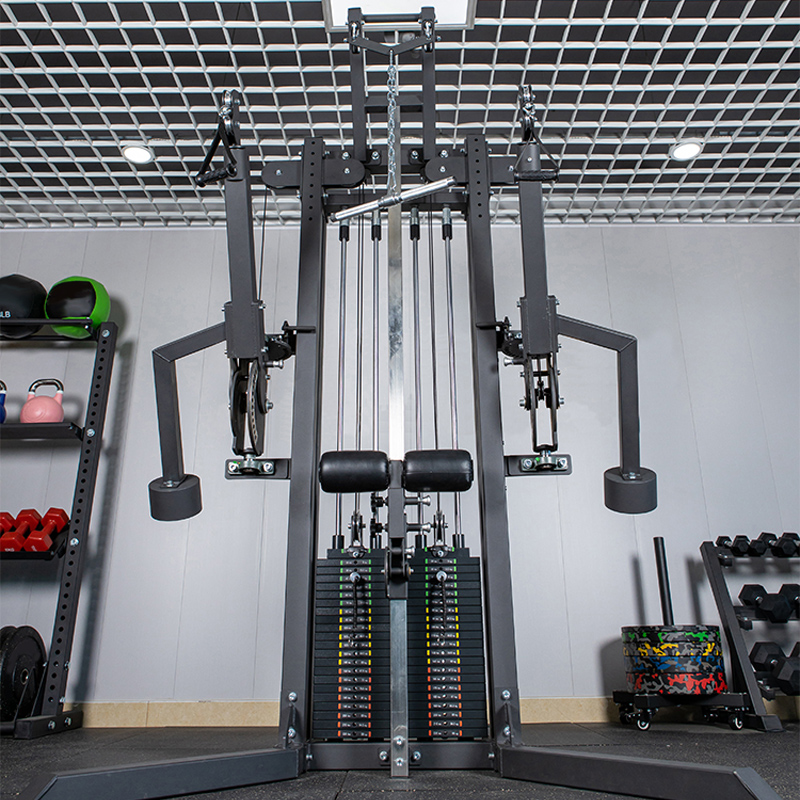
In the global commercial fitness industry, a fitness machine is more than a single piece of equipment; it is a precision-engineered tool designed for durability, biomechanical efficiency, and high-frequency usage. Whether categorized under strength training or cardiovascular conditioning, these machines serve as the core infrastructure for commercial gyms, high-end wellness centers, and professional athletic facilities.
Classification of Fitness Machines
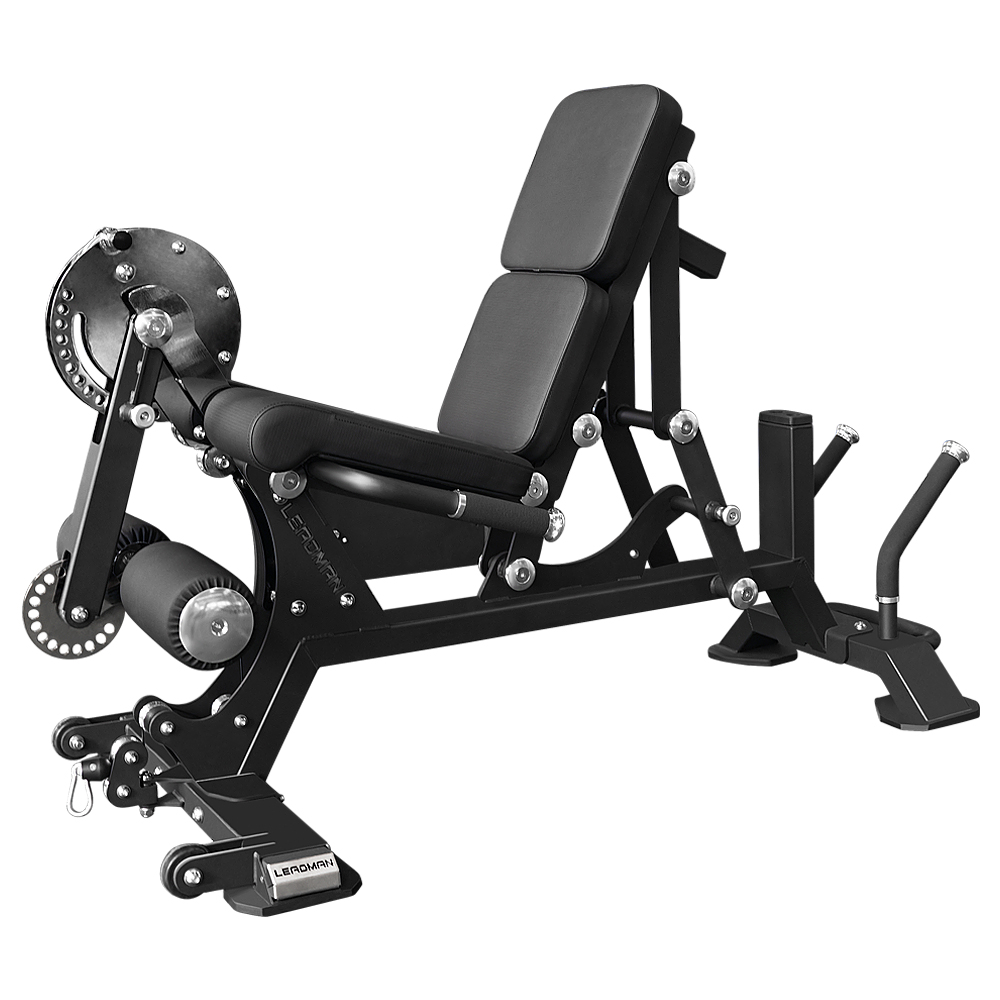
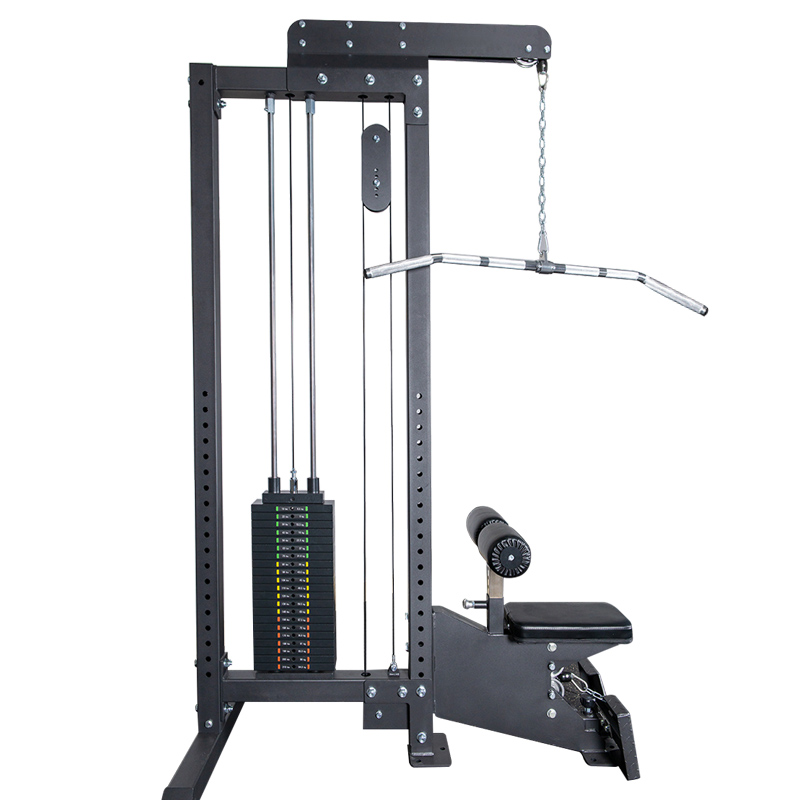
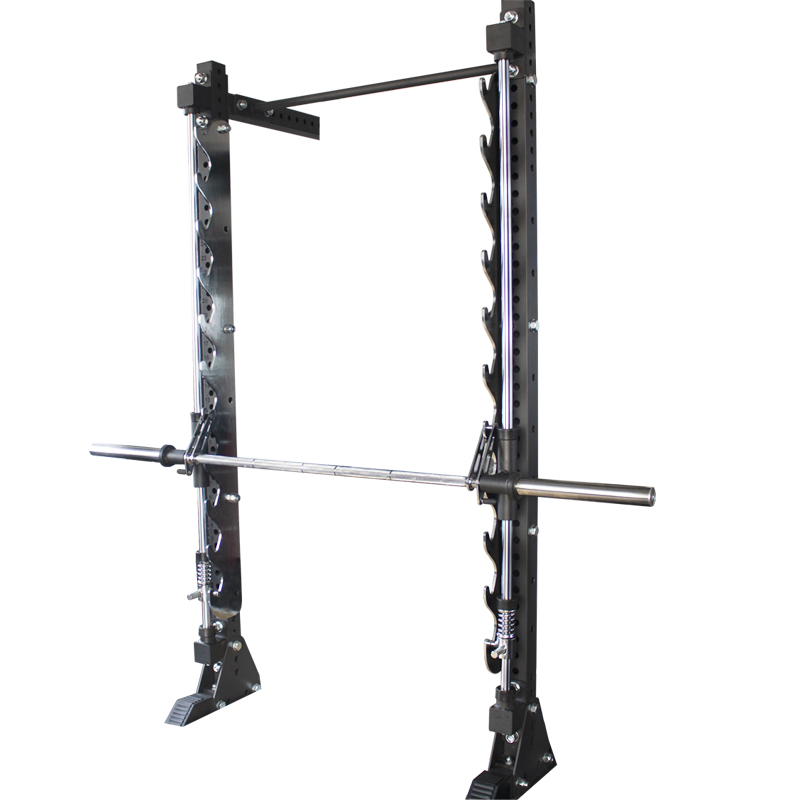
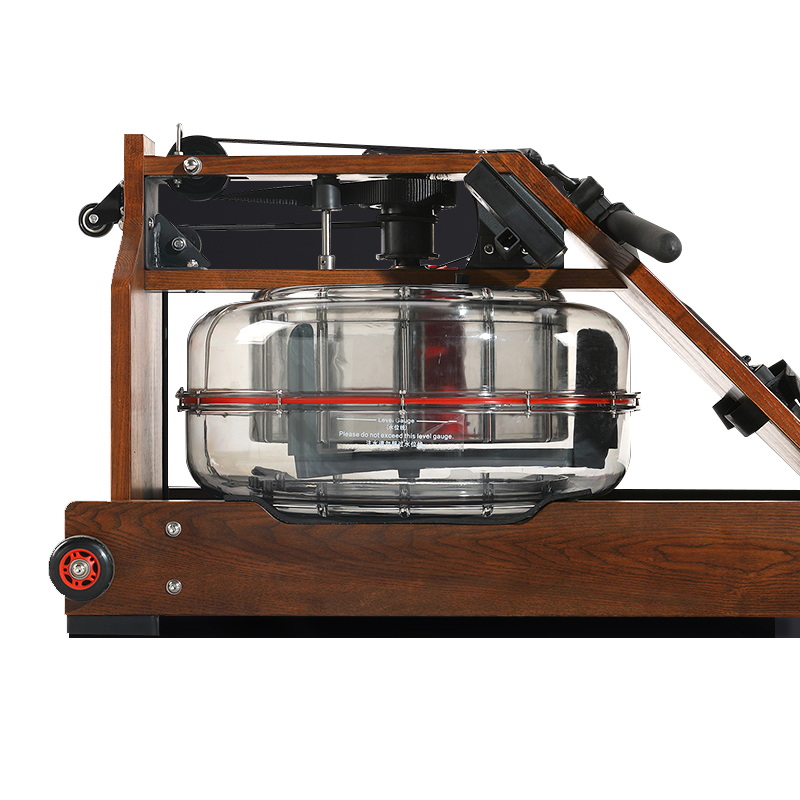
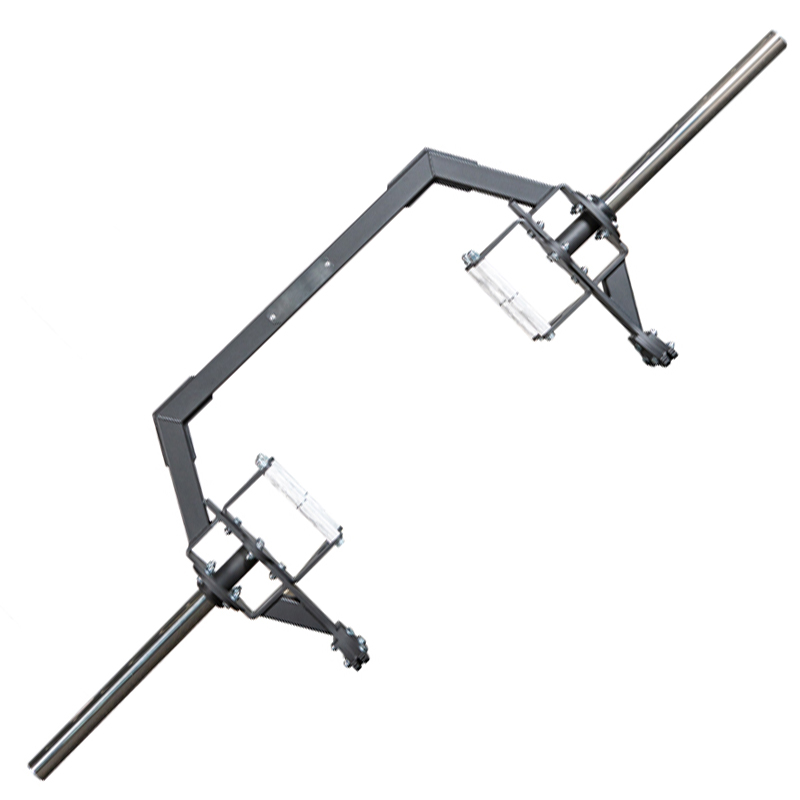
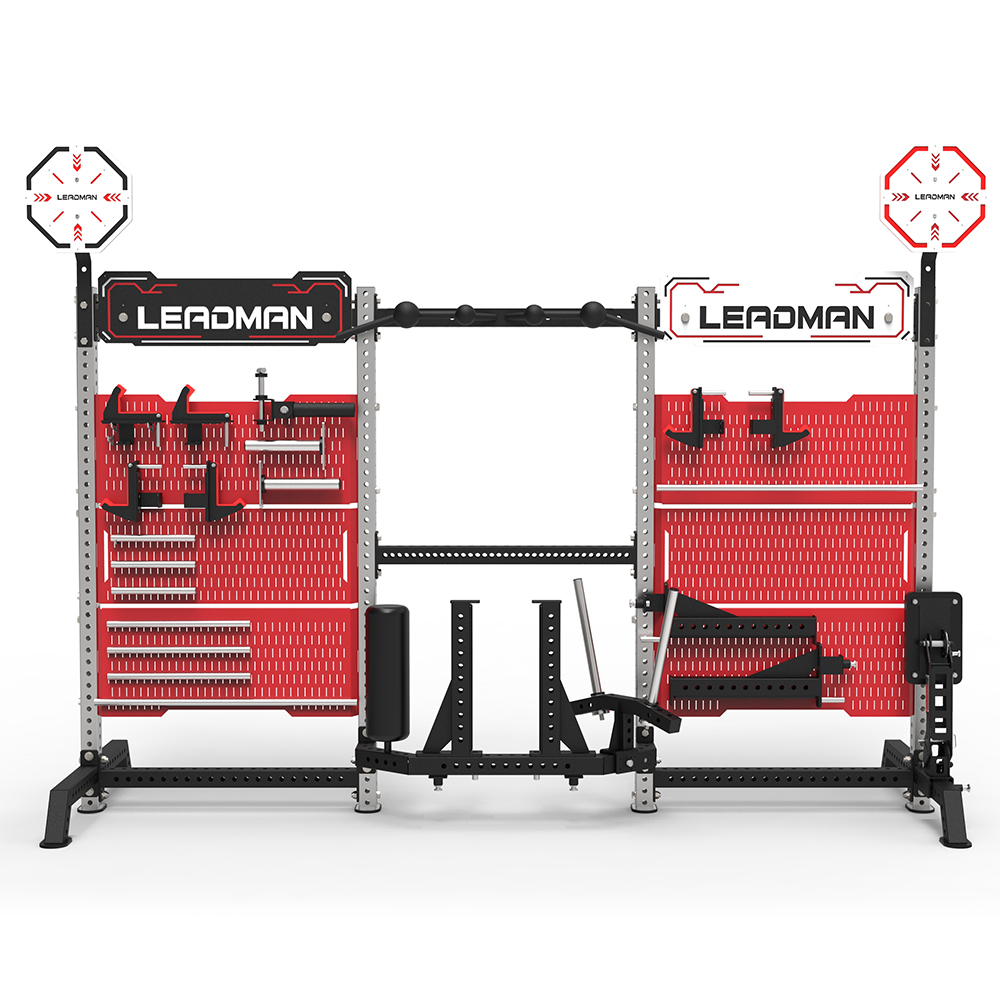
Strength Training Equipment: This category includes selectorized machines, plate-loaded apparatus, and functional trainers. These machines are engineered with specific resistance profiles—such as constant or variable resistance—to optimize muscle hypertrophy and strength gains through controlled mechanical tension.Cardiovascular Machines: These systems focus on aerobic endurance and metabolic conditioning. Common types include motorized and non-motorized treadmills, stationary cycles, elliptical trainers, and rowing machines. High-performance cardio machines prioritize ergonomic user interfaces and integrated telemetry for tracking physiological data.Functional & Hybrid Equipment: A rapidly growing segment that includes cable crossovers, multi-gym stations, and suspension training rigs, designed to facilitate multi-planar movements and kinetic chain development.
Critical Engineering and Procurement Criteria
When sourcing or specifying professional-grade fitness machines, procurement specialists and facility managers must evaluate several technical benchmarks to ensure a high return on investment (ROI) and low total cost of ownership (TCO).
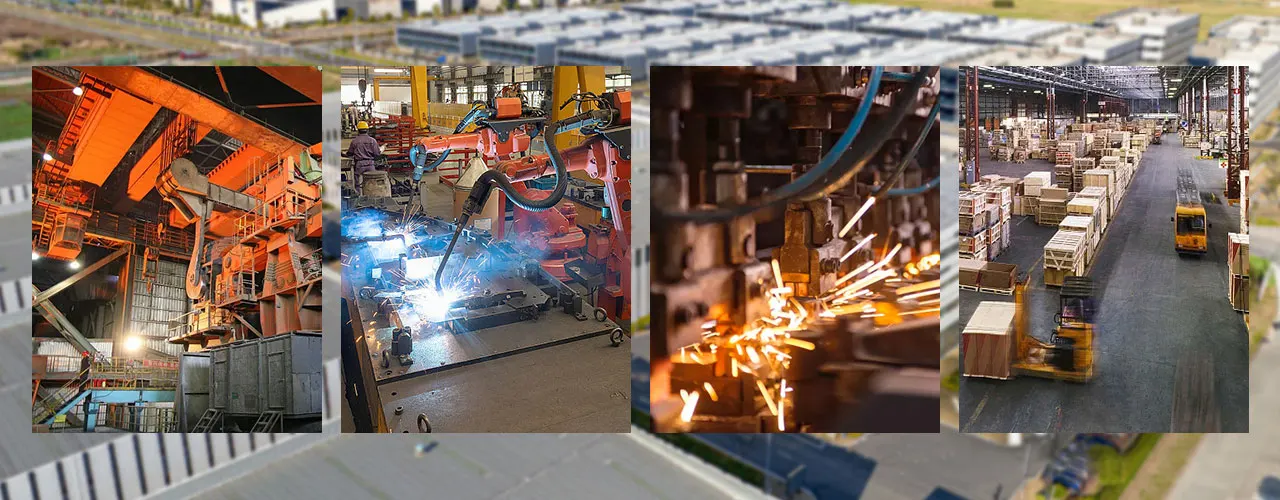
- Structural Integrity and Build Quality: Commercial-grade machines must utilize heavy-duty steel tubing and high-grade welding techniques to withstand rigorous daily operation. Resistance to corrosion through advanced powder coating is essential for longevity.
- Biomechanical Precision: The effectiveness of a machine is determined by its kinematic path. High-quality machines are engineered to align with human joint mechanics, minimizing shear force and maximizing target muscle engagement.
- Component Durability: Critical wear parts, such as bearings, cables, pulleys, and upholstery, must meet strict industrial standards. Synthetic bearings and high-tensile steel cables are standard in premium commercial-tier equipment.
- User Ergonomics and Interface: For cardio equipment, the integration of advanced consoles—offering connectivity (Bluetooth, ANT+), interactive training software, and intuitive controls—is a key differentiator in modern facility management.
Market Application and Sourcing
The selection of a fitness machine depends heavily on the target environment. Boutique studios may prioritize aesthetic design and compact footprints, whereas large-scale commercial gyms require high-density, high-durability equipment capable of continuous 24/7 operation. Effective sourcing involves vetting manufacturers based on their compliance with international safety standards (such as ISO or CE) and their ability to provide consistent technical support and spare parts availability.