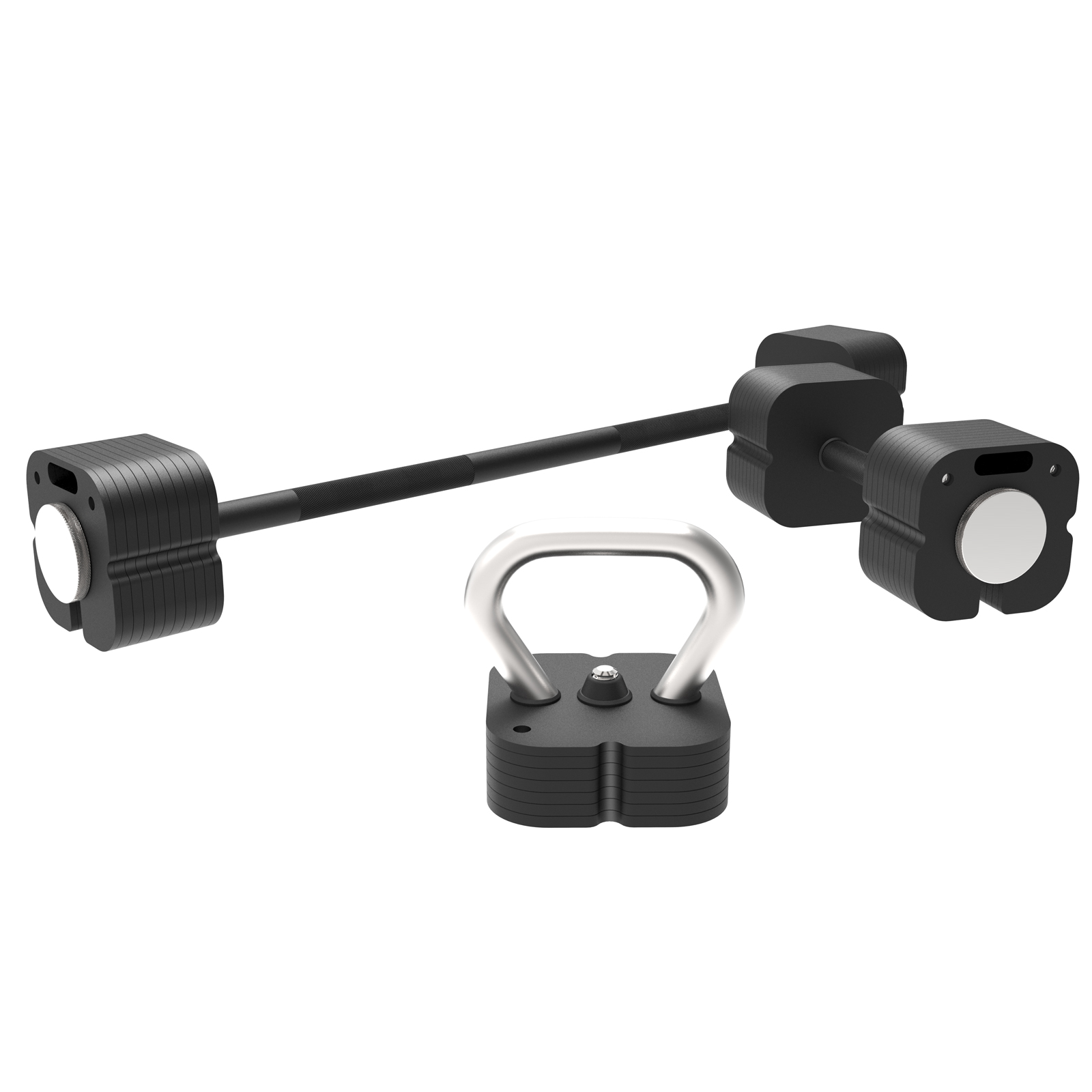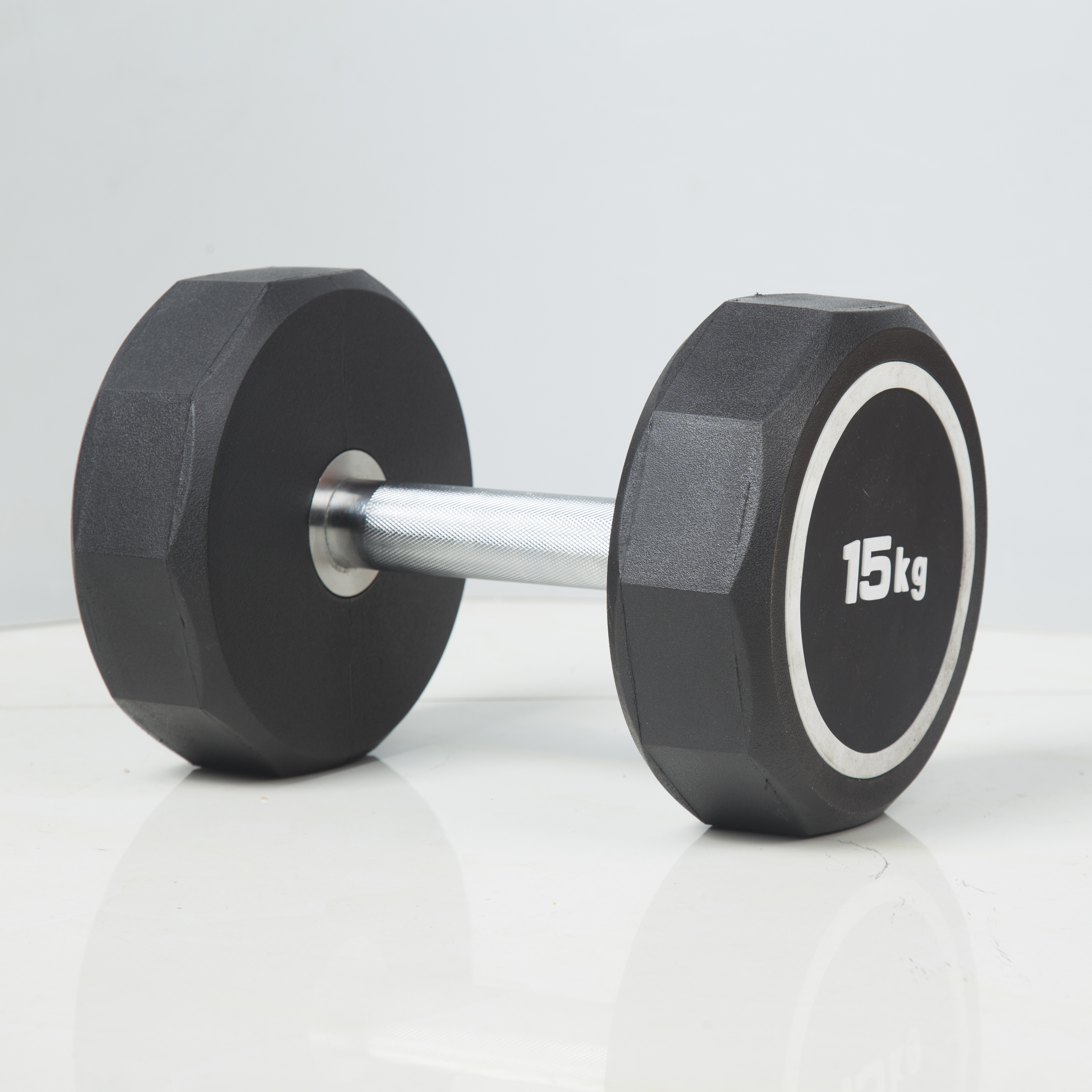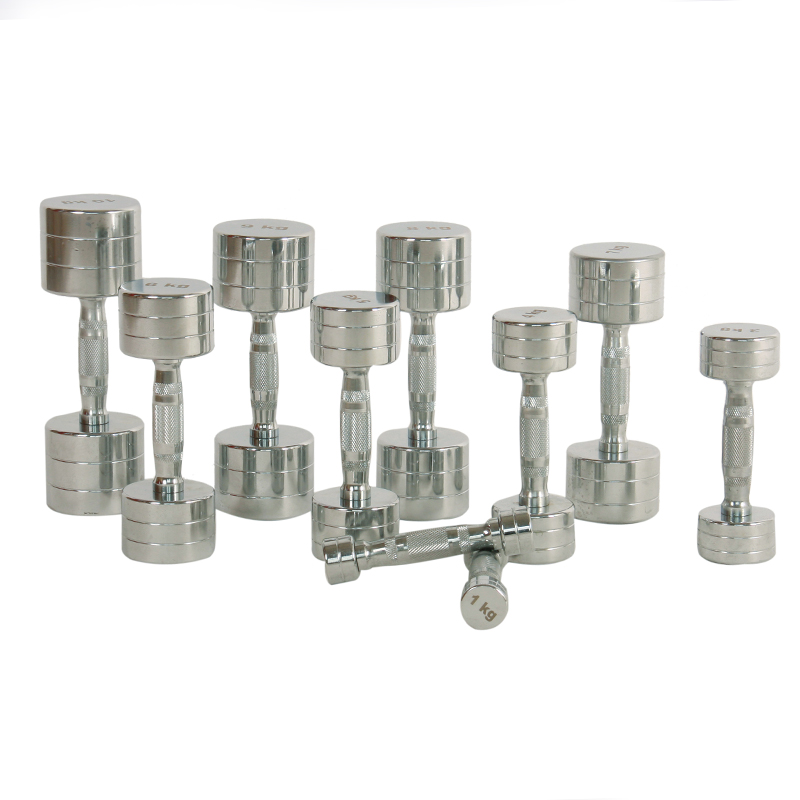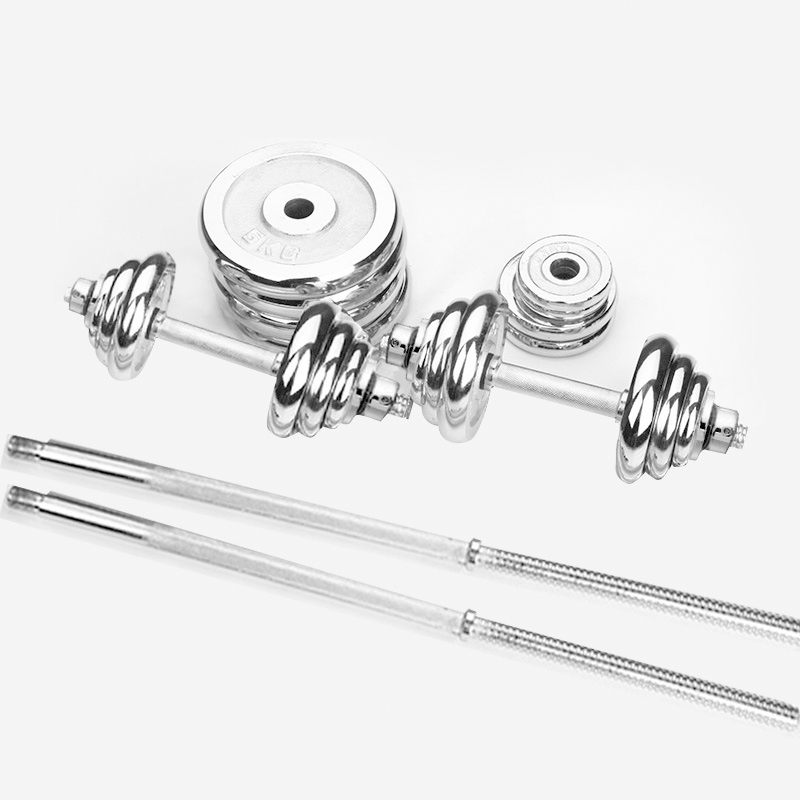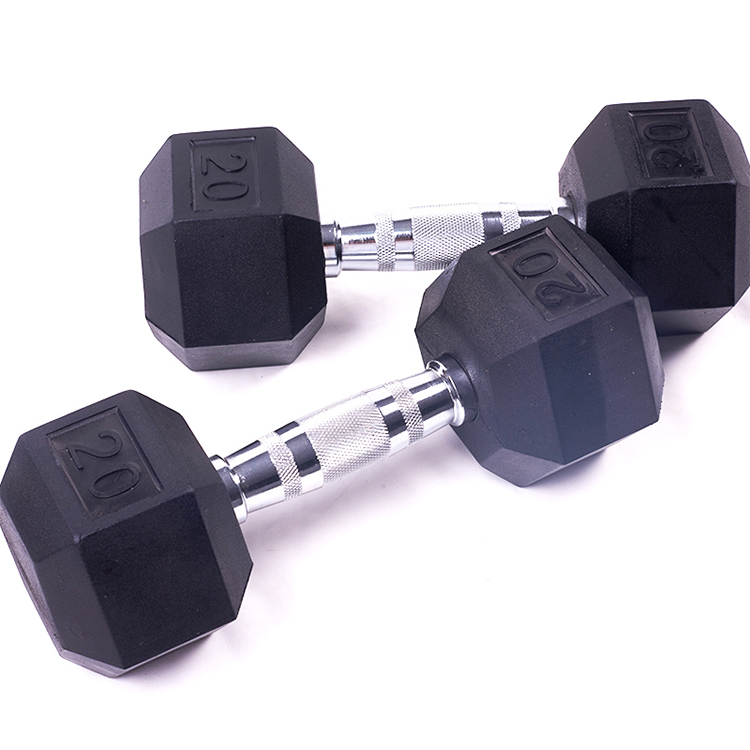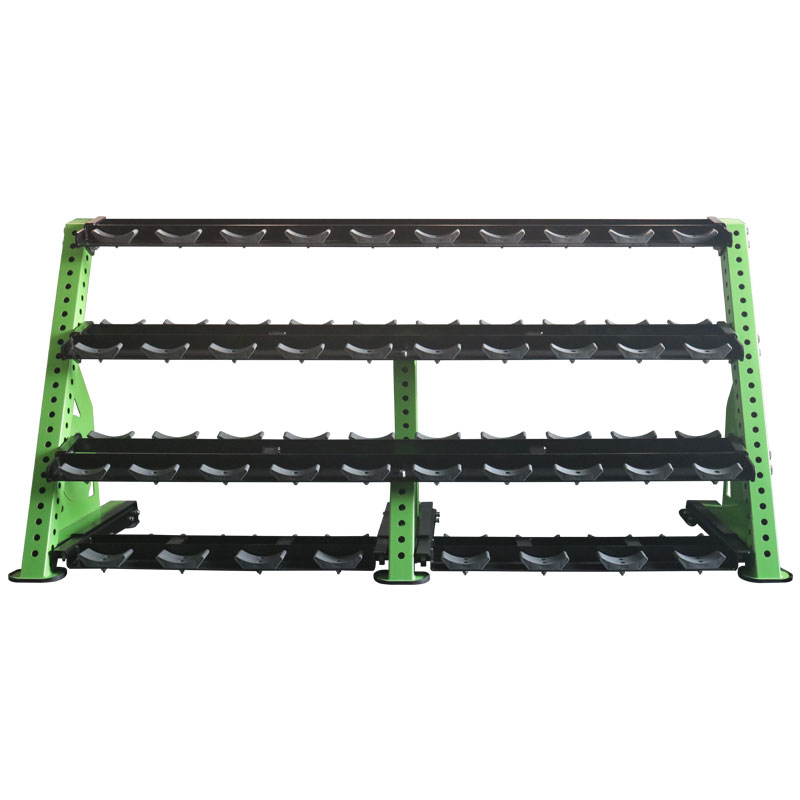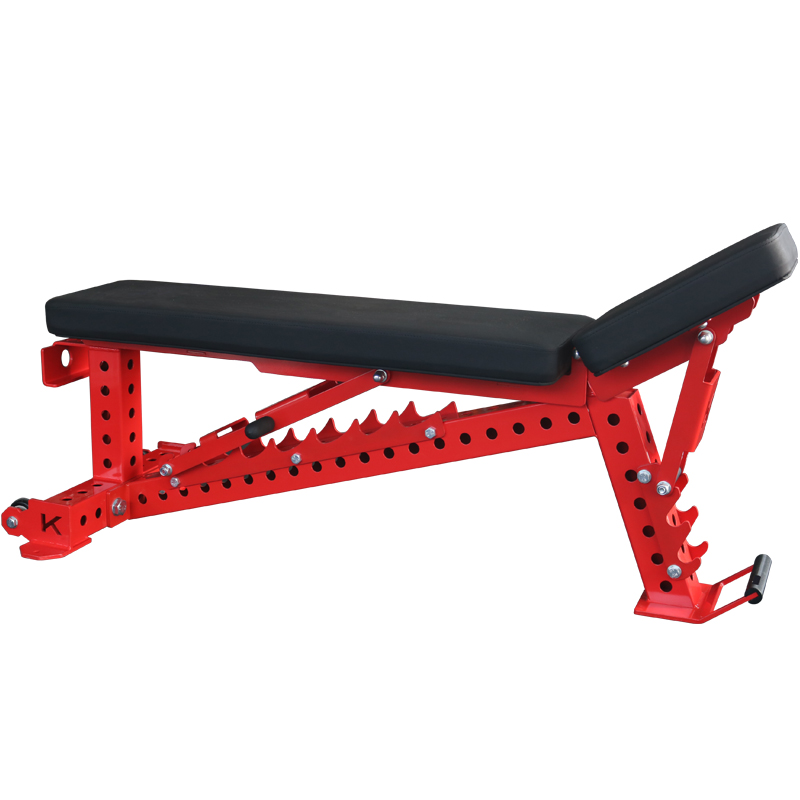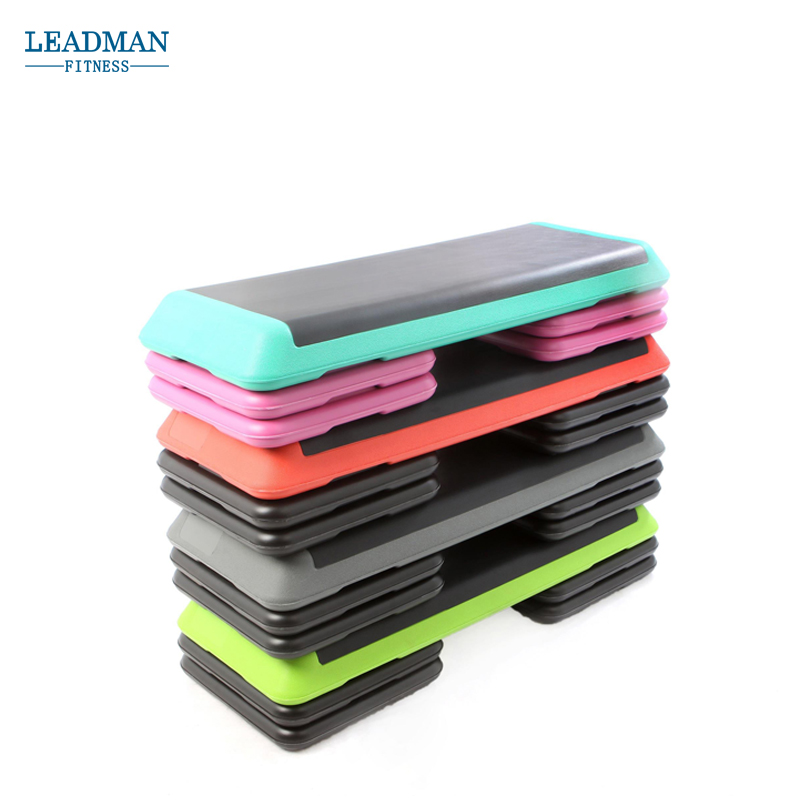
Industrial Dumbbell Manufacturing Overview. The production of high-quality dumbbells requires precise engineering to ensure weight consistency, structural integrity, and ergonomic safety. Manufacturing processes vary significantly depending on the target material—be it cast iron, steel, neoprene, or rubber—and the intended application, such as commercial gym environments or high-intensity interval training (HGT) facilities. Precision in the casting, molding, and coating stages is critical to preventing weight deviations and ensuring long-term durability.
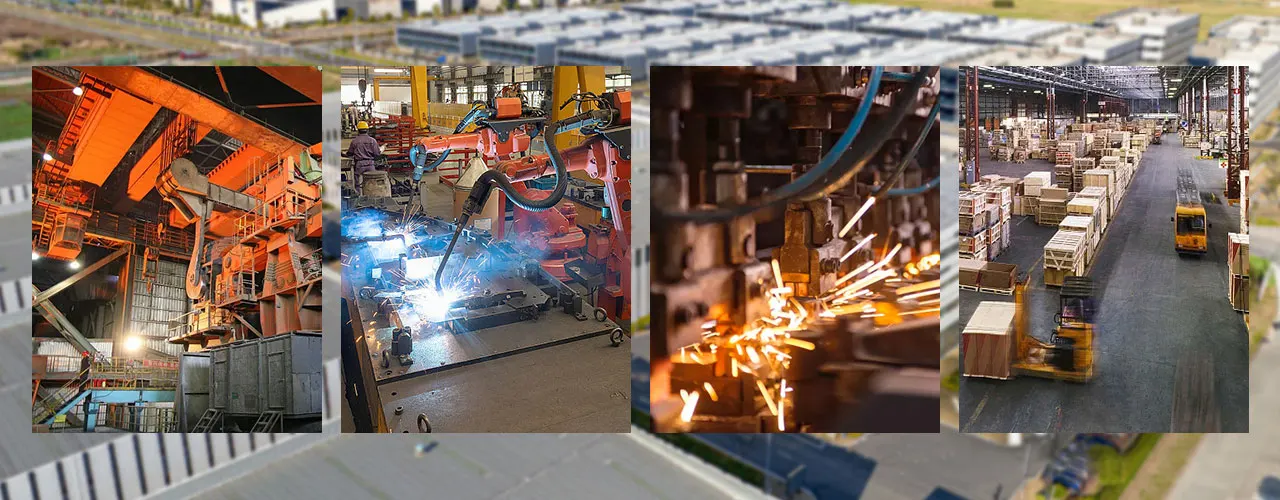
Core Production Methodologies. There are three primary manufacturing paths in the industry today: Cast Iron Production, Rubber Encapsulation, and Urethane Molding. Cast iron dumbbells are typically produced via sand casting or centrifugal casting, where molten iron is poured into precision molds. This process must be strictly controlled to avoid air bubbles or structural inclusions that could lead to breakage. For rubber-coated or urethane-encapsulated dumbbells, the core (usually steel or cast iron) undergoes a secondary process where a polymer coating is applied via injection molding or vacuum-assisted techniques. This ensures a seamless, durable finish that resists tearing and impact damage.
Critical Quality Control Parameters. During the manufacturing cycle, several technical benchmarks must be met to satisfy B2B procurement standards:
Material Selection for Procurement. When sourcing through a manufacturing partner, buyers must distinguish between Cast Iron (cost-effective, high durability), Rubber-Coated (noise reduction, floor protection), and Urethane (premium, highly resistant to abrasion and chemical degradation). The choice of material dictates the lifespan of the equipment and the overall maintenance requirements of the fitness facility.
Let our experts design the perfect gym solution for your business. Get a free consultation and quote today.