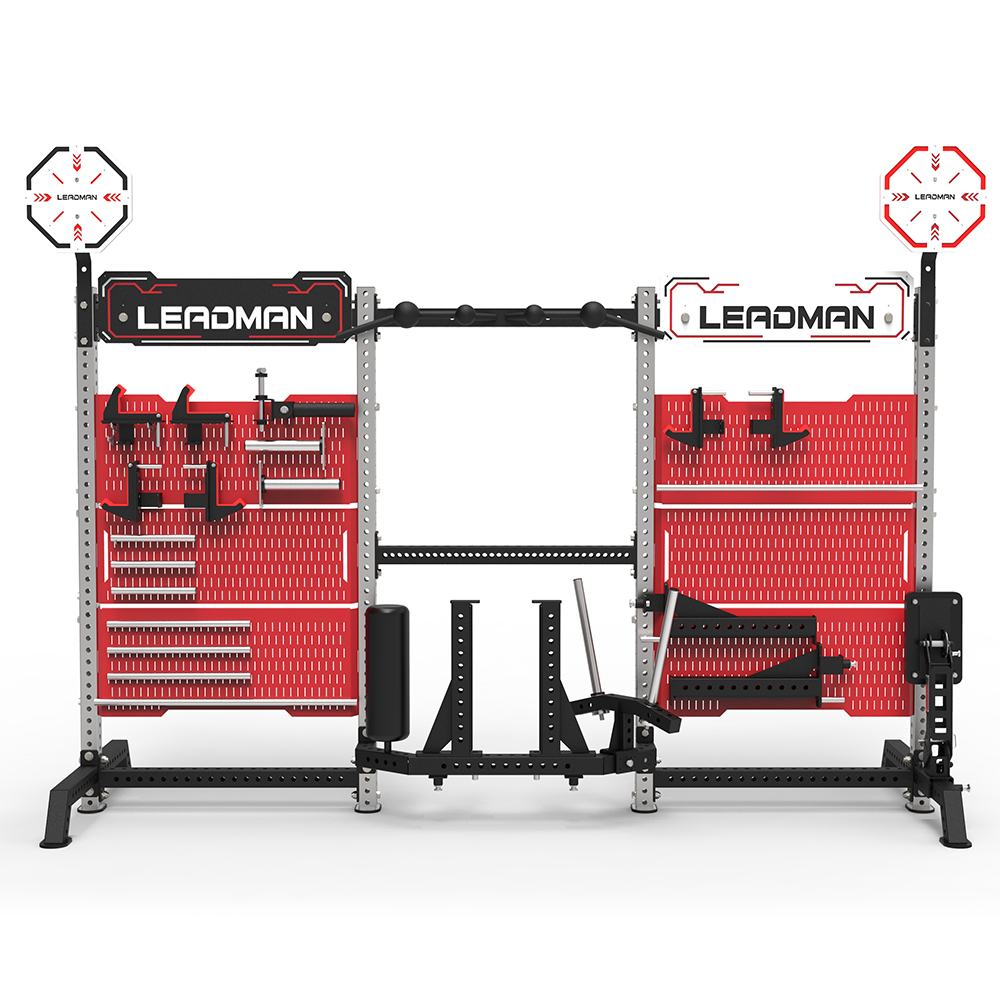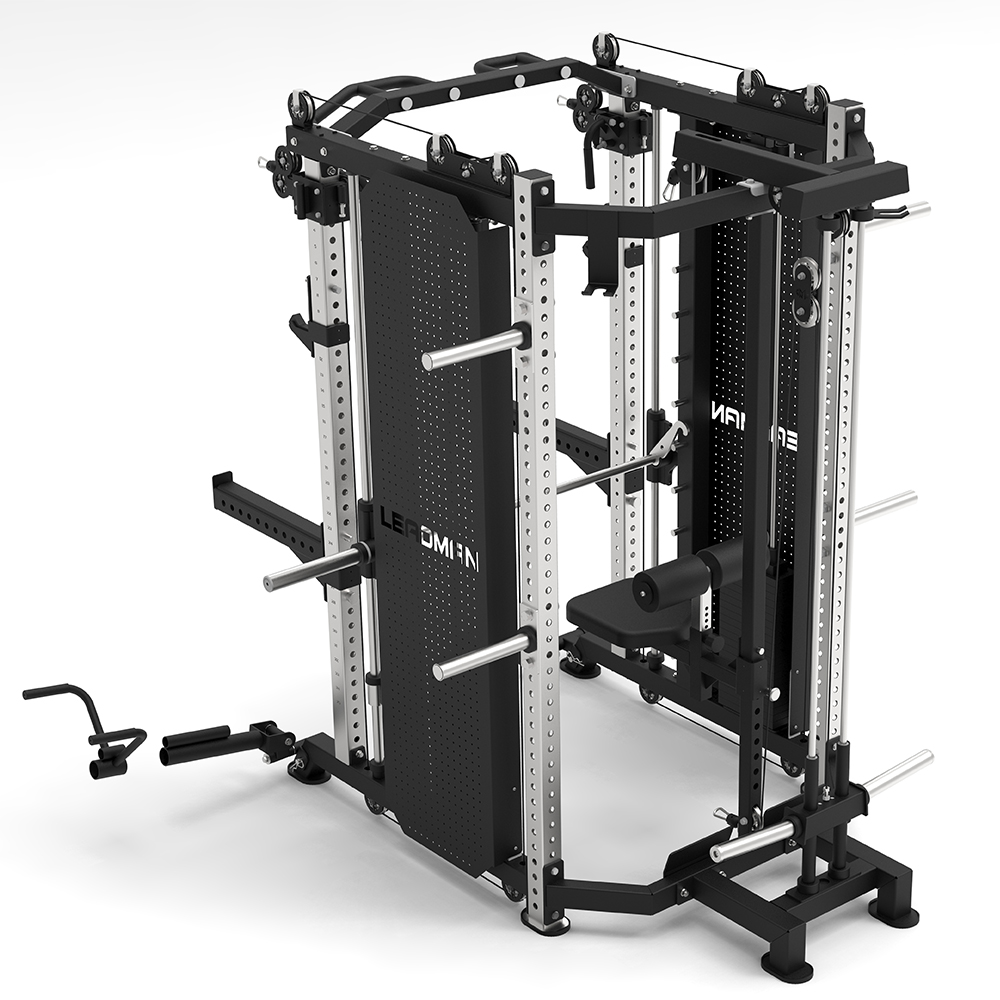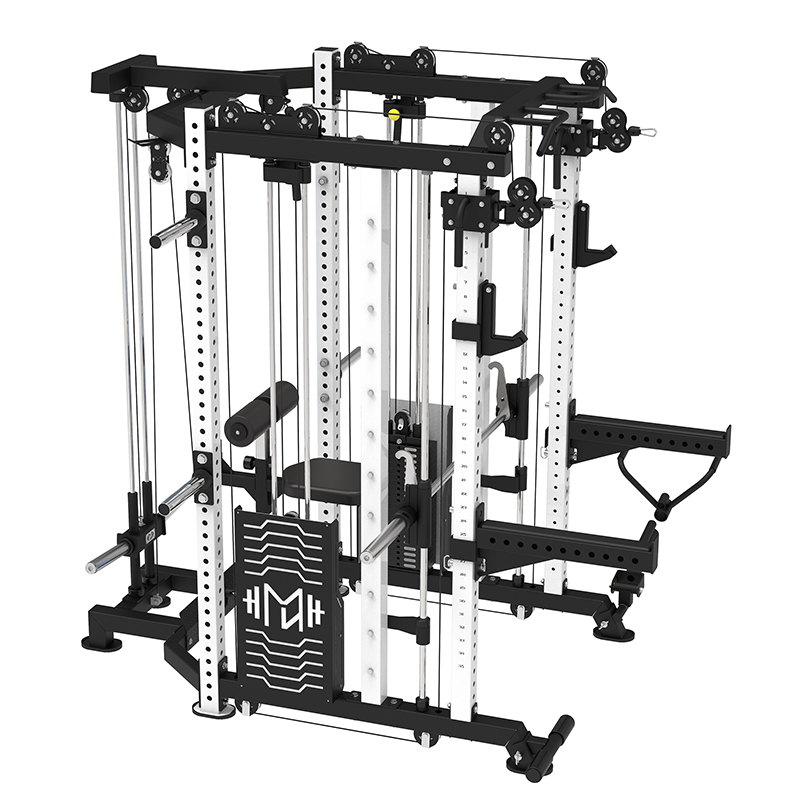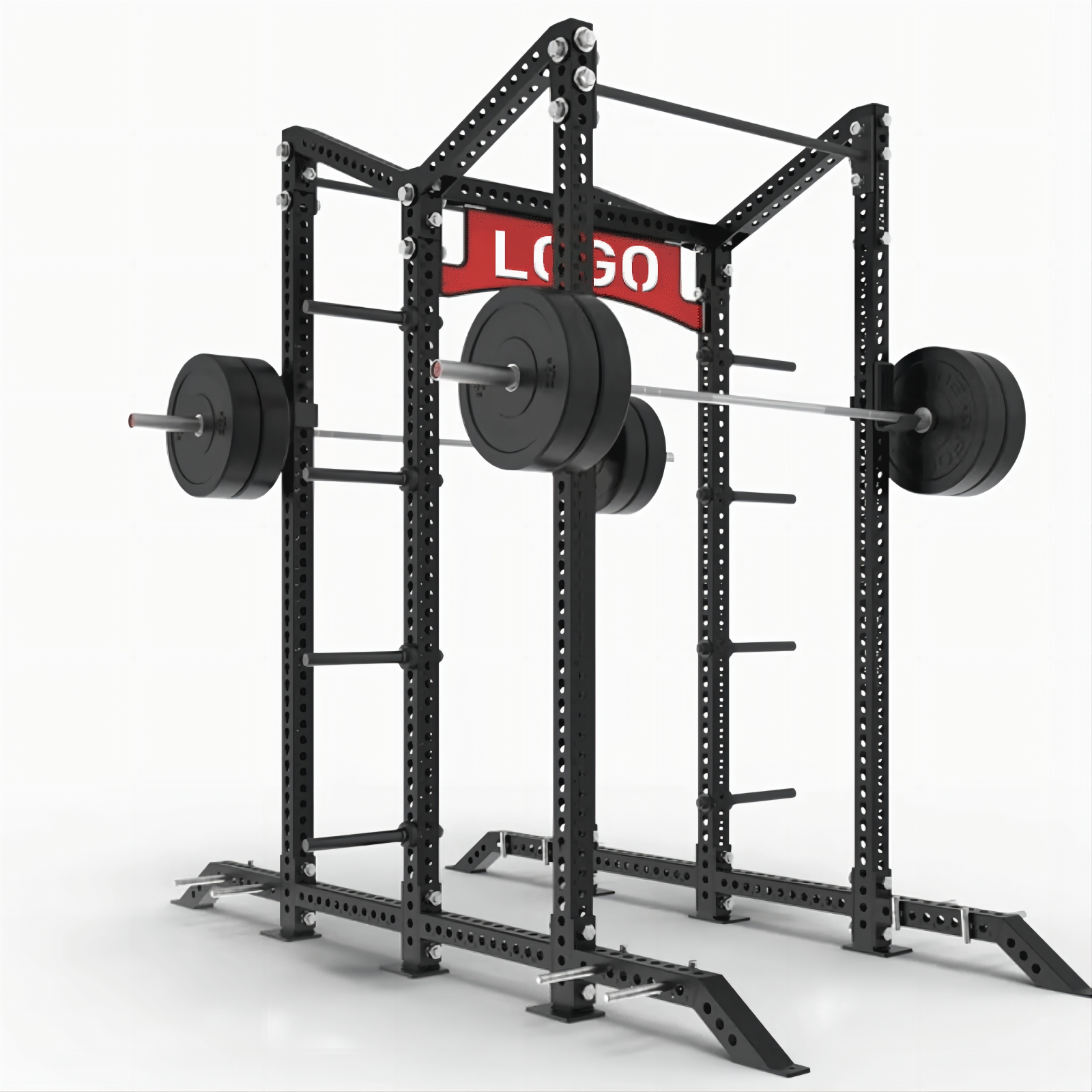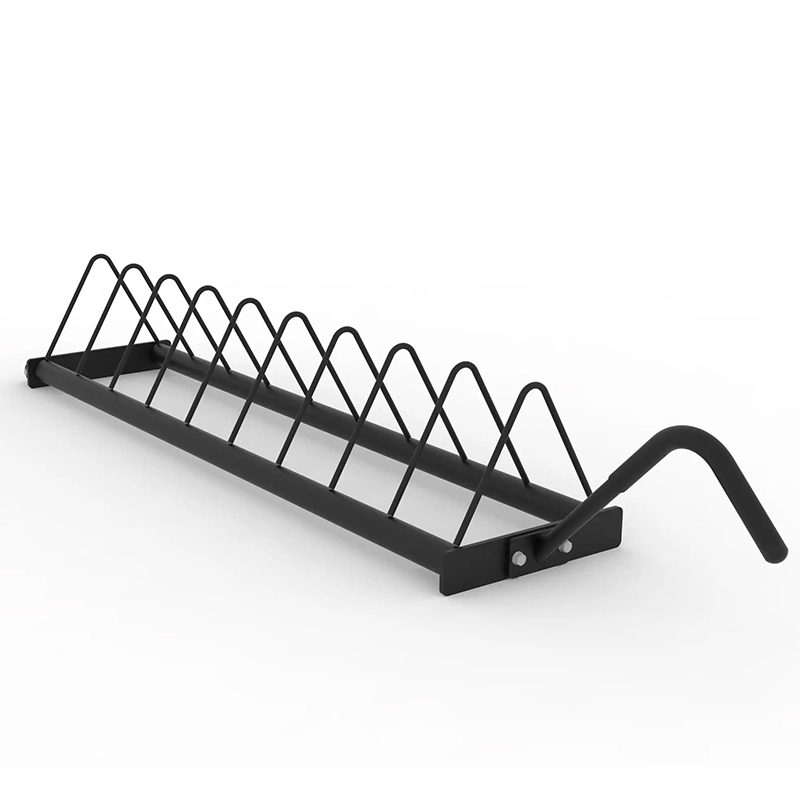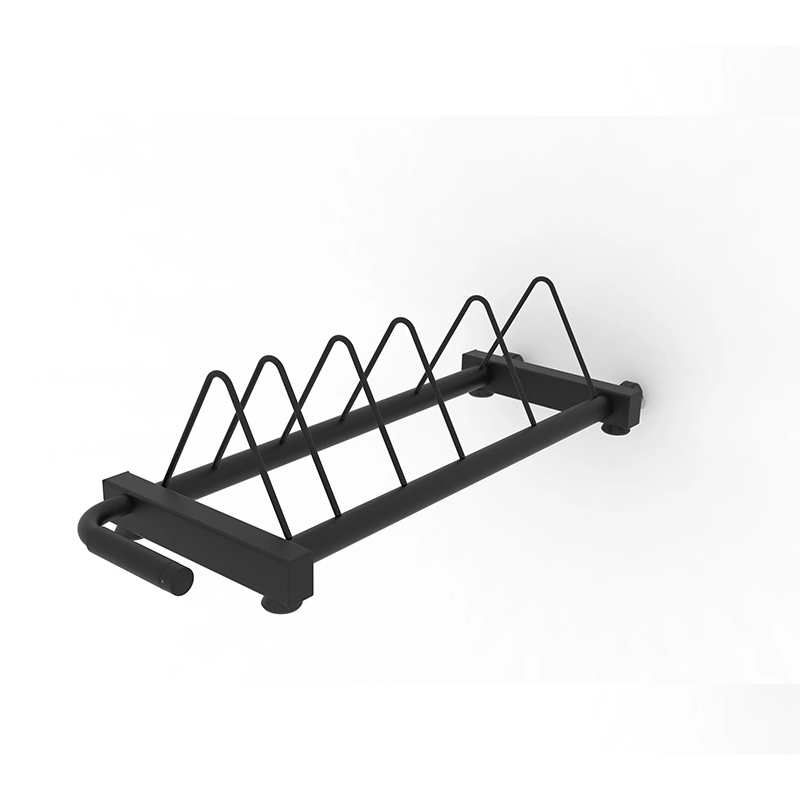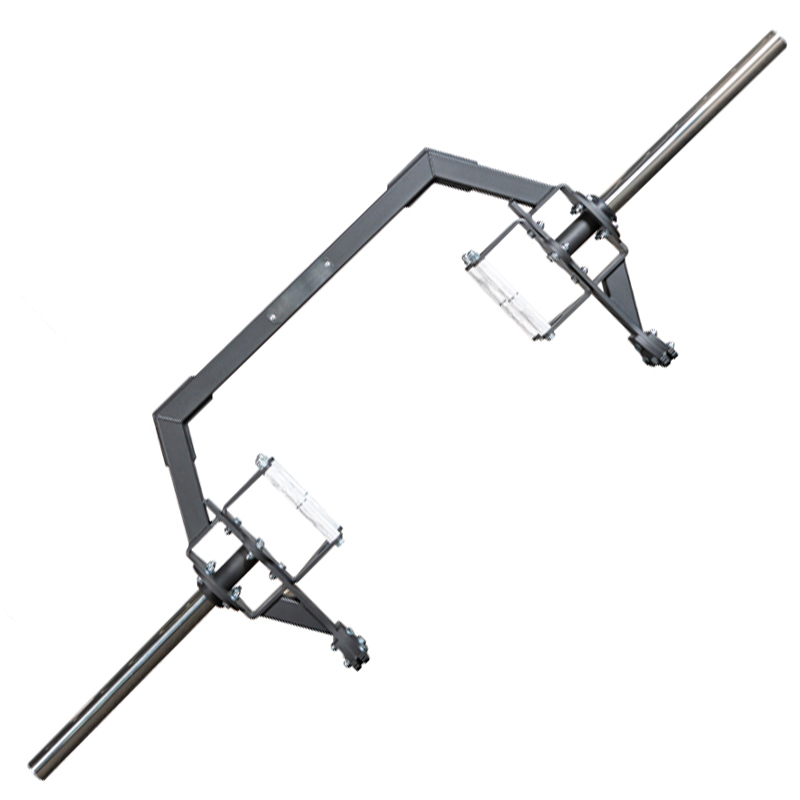
An adjustable squat and bench rack serves as the cornerstone of a high-performance strength training environment. Unlike fixed-height structures, these multi-functional stations are engineered to accommodate a diverse range of user biometrics and complex movement patterns, including back squats, front squats, and various bench press configurations. For commercial facility operators and gym equipment distributors, selecting a unit that balances structural rigidity with mechanical versatility is critical for long-term ROI and user safety.
Engineering and Structural Integrity
High-tier adjustable racks are typically constructed from heavy-gauge, cold-rolled steel. The structural integrity is often reinforced by a wide base footprint to ensure lateral stability during high-velocity lifts. Key technical components include:
Buyer Criteria for Commercial Sourcing
When sourcing these units for professional fitness centers, procurement specialists must evaluate several critical technical specifications:
Versatility in Strength Training Applications
The integration of an adjustable bench within a squat rack system transforms a single station into a comprehensive lifting hub. This versatility facilitates a wide array of progressive overload exercises, ranging from standard barbell bench presses to specialized movements like overhead presses and seated incline work. By providing a singular, highly adaptable station, facility managers can optimize training workflows and increase the throughput of their strength training zones.

Let our experts design the perfect gym solution for your business. Get a free consultation and quote today.