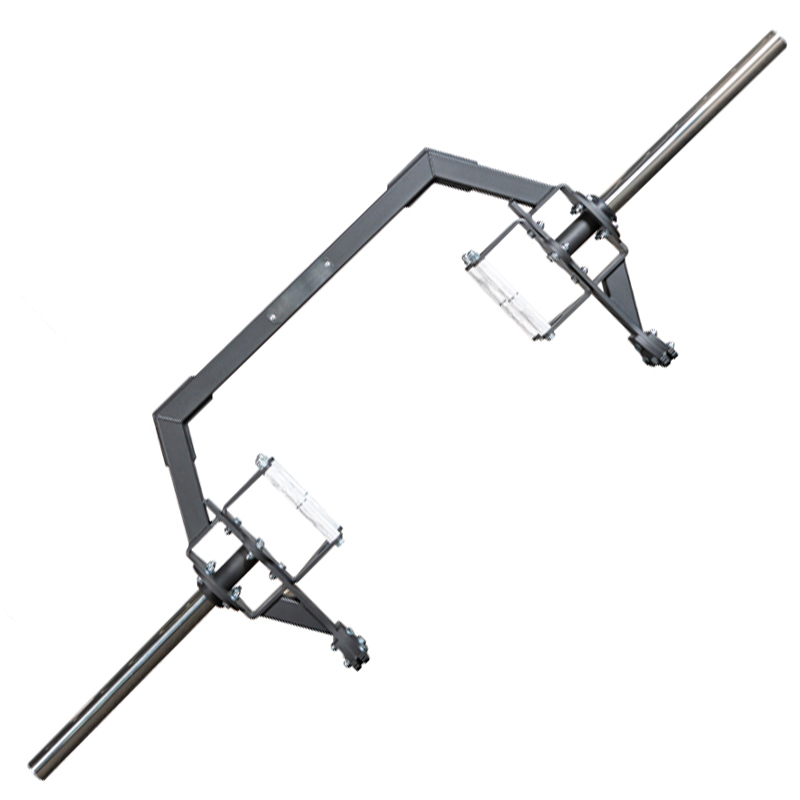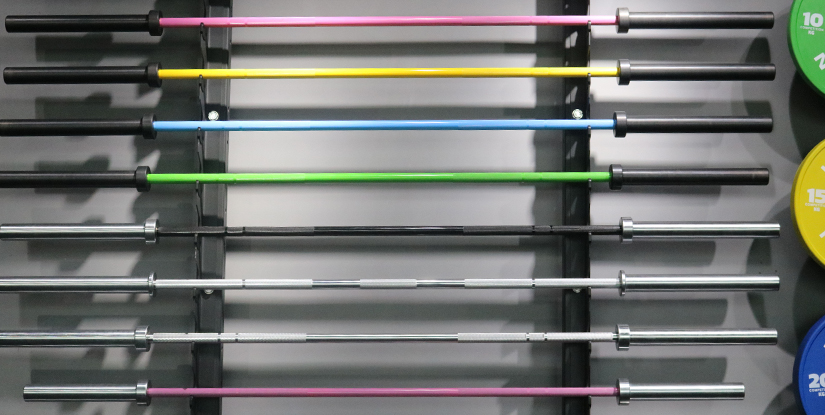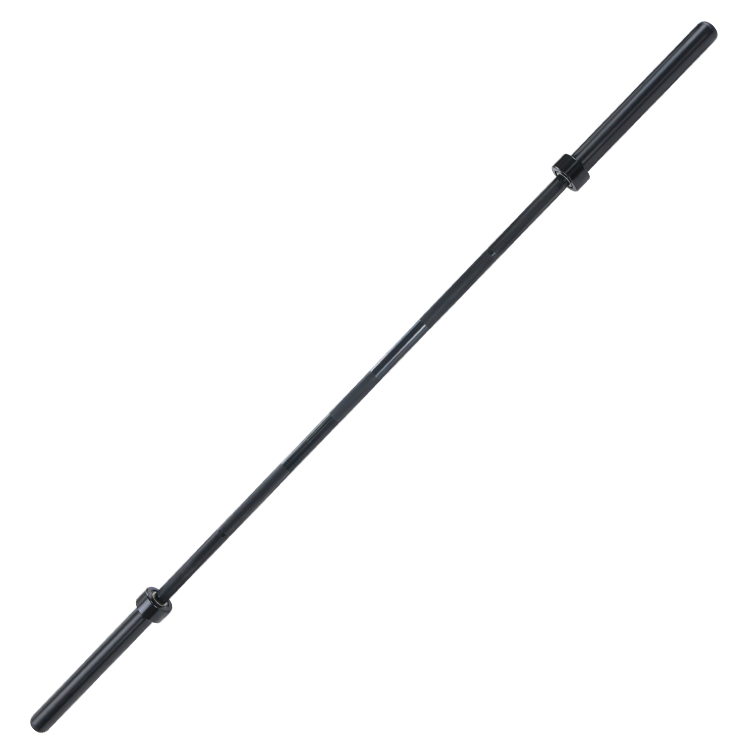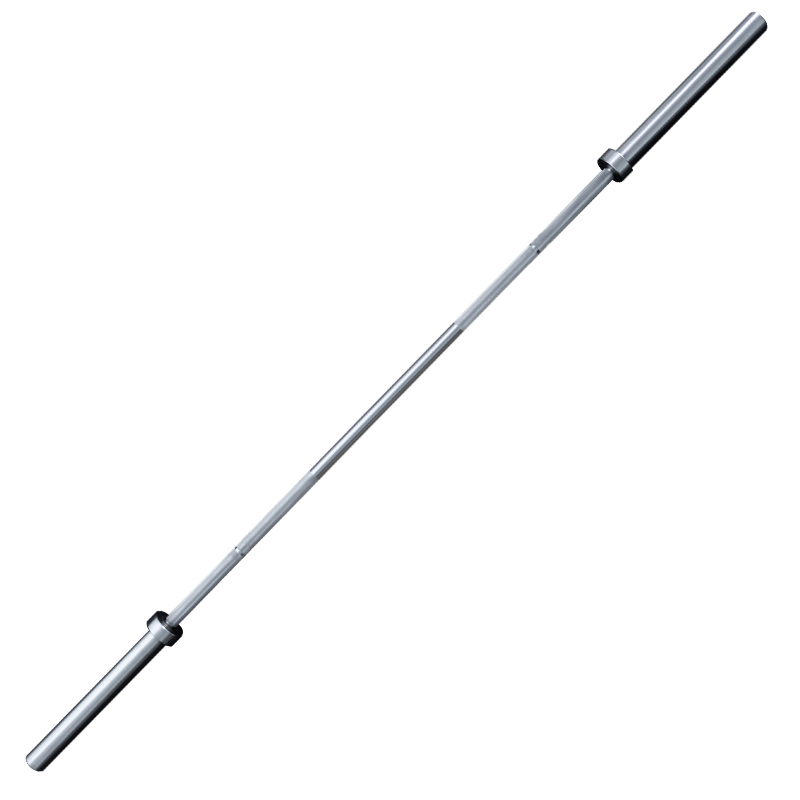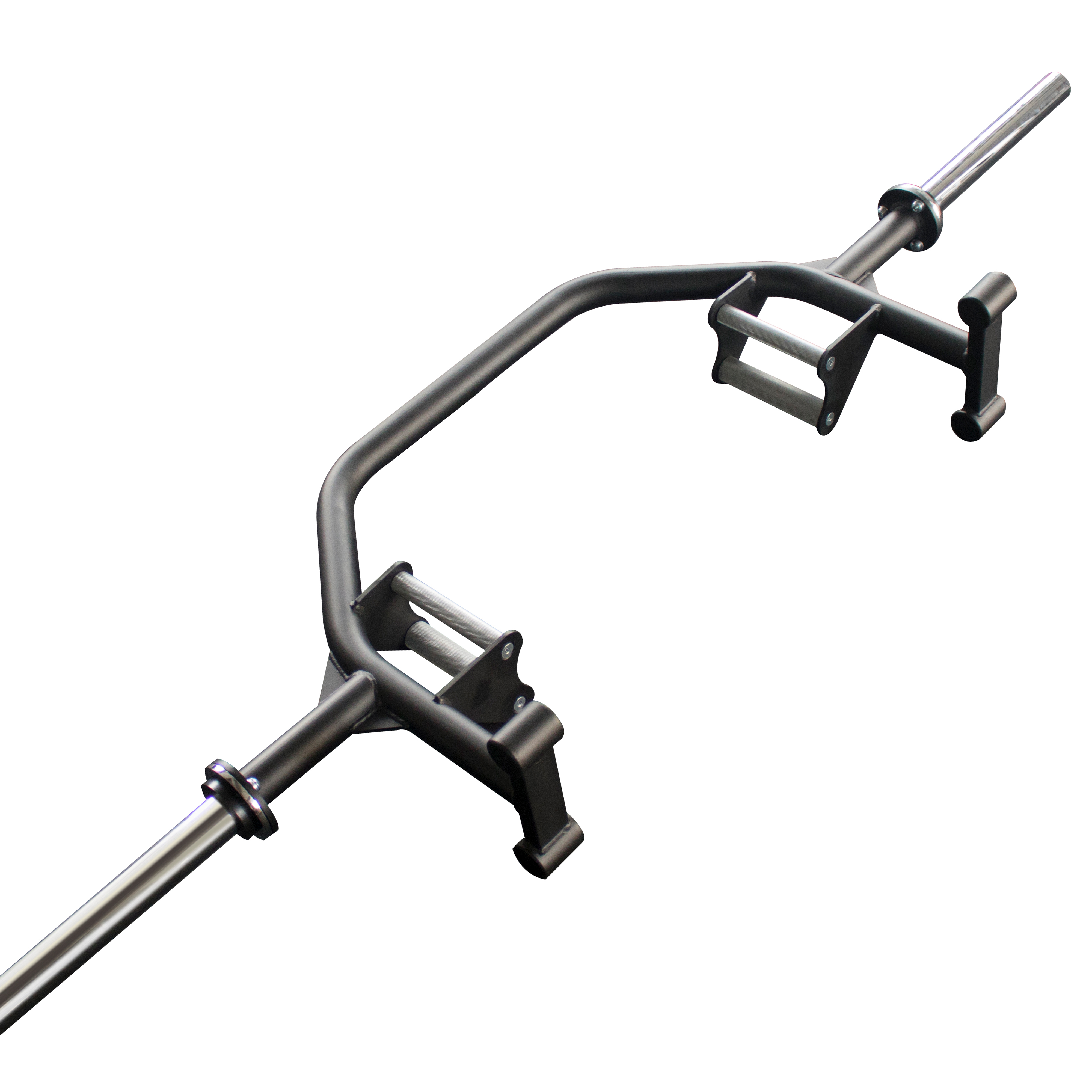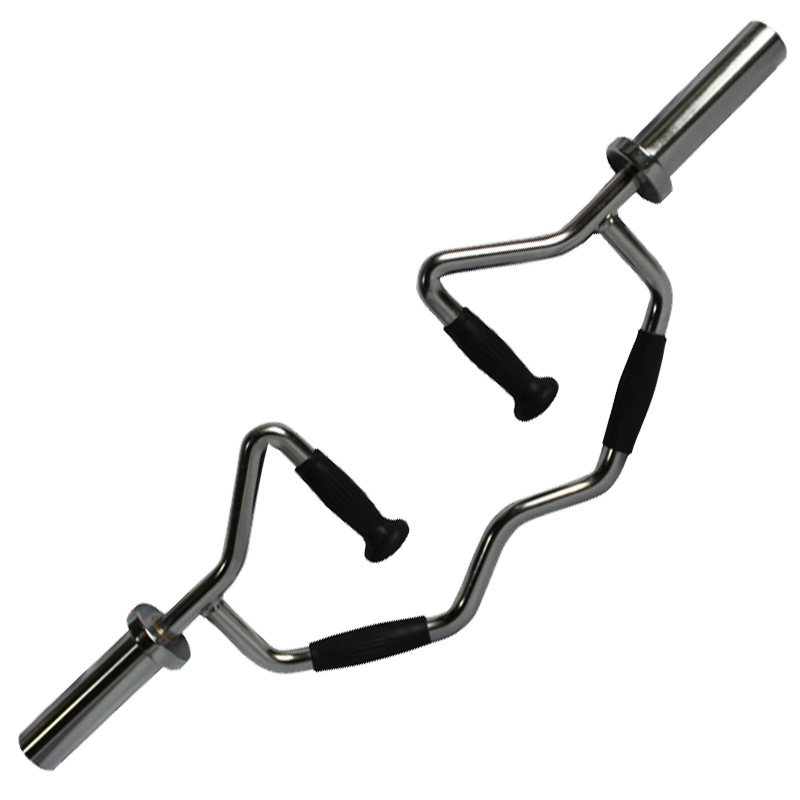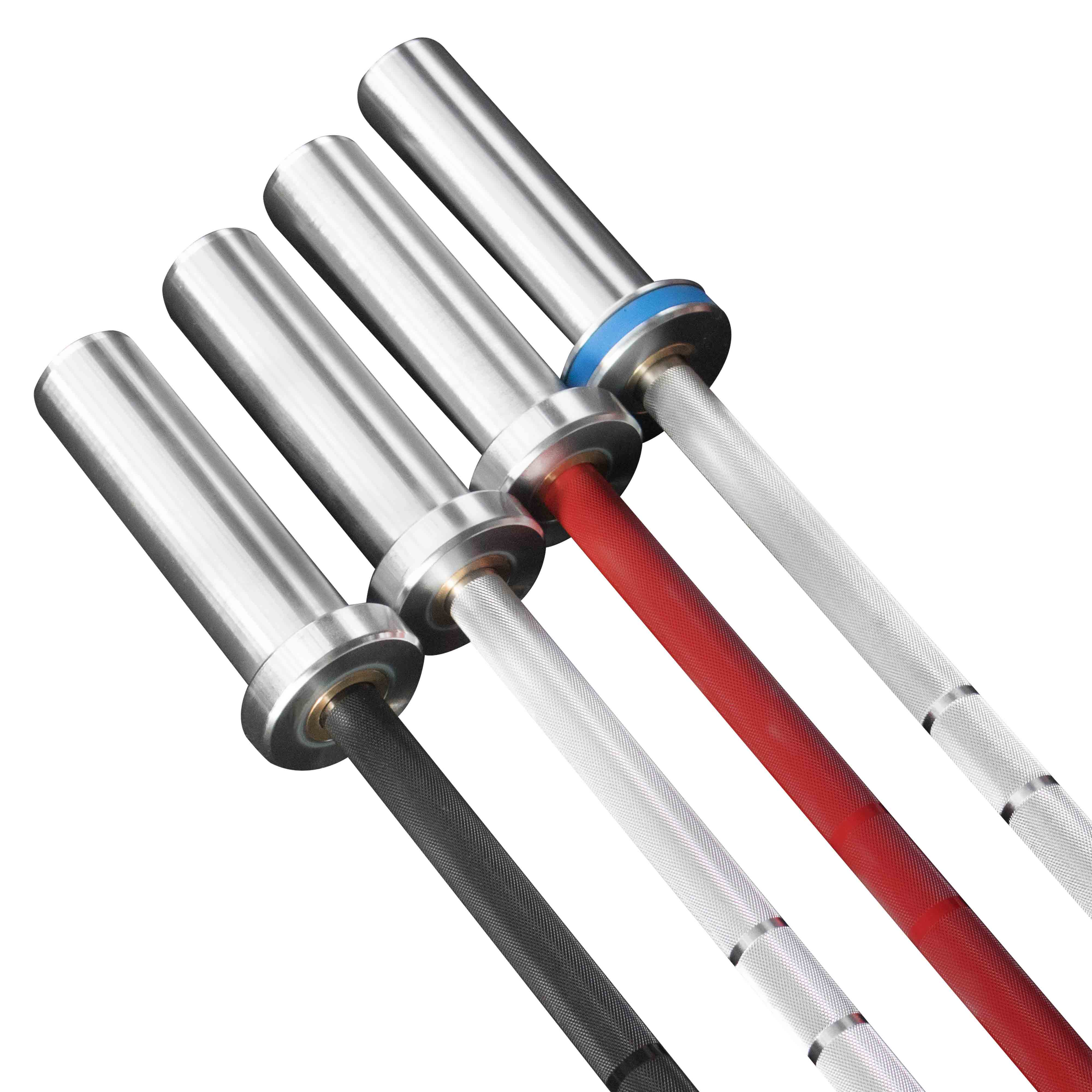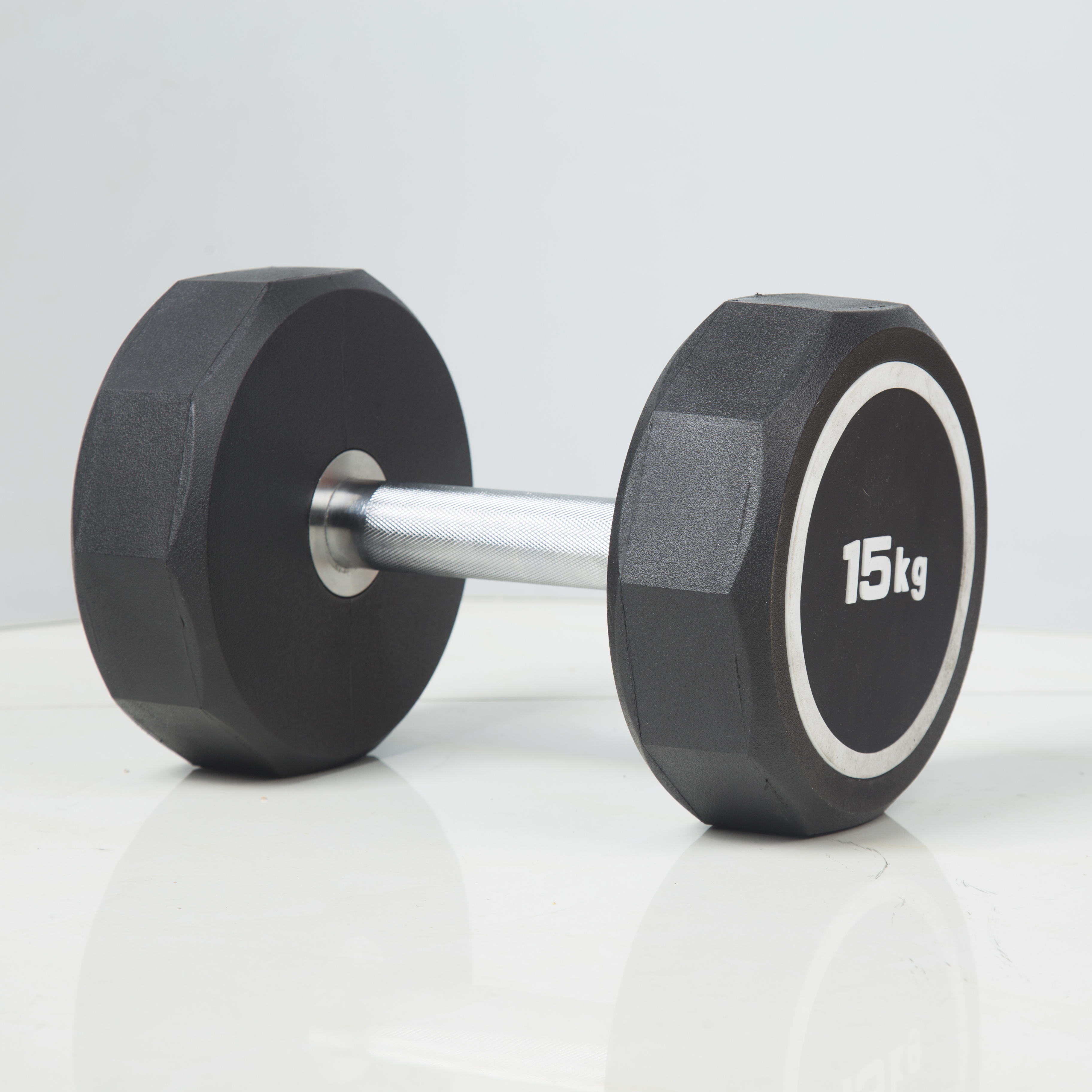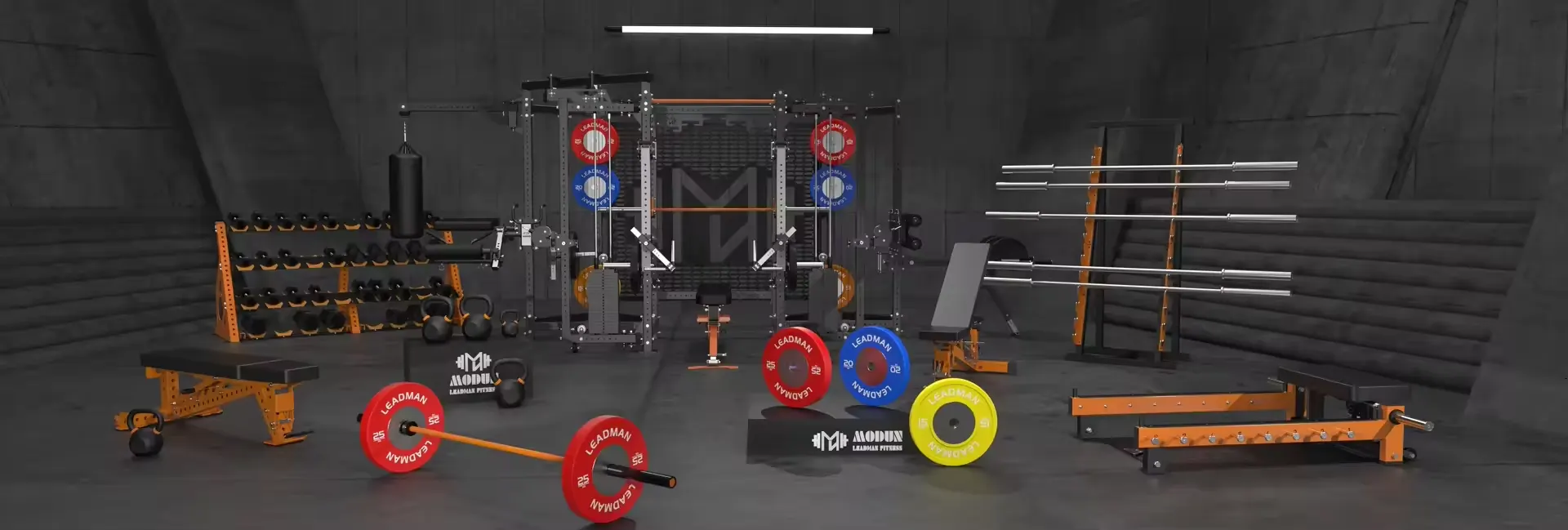
A 648 55 lb barbell set typically refers to a complete home gym package that includes a 48-inch or 52-inch barbell and approximately 55 pounds of total weight plates. This configuration is commonly marketed as an entry-level or youth-oriented set, designed for beginner lifters, teenagers, or individuals seeking lighter resistance for high-repetition training. Unlike Olympic barbells (which have 2-inch sleeves and weigh 20kg/45lb empty), these sets generally use a 1-inch standard hole diameter and feature a lighter bar—often weighing between 5 and 12 pounds. The total system weight of approximately 55 lbs makes it accessible for learning fundamental movement patterns including deadlifts, rows, overhead presses, and squats without intimidating loads.
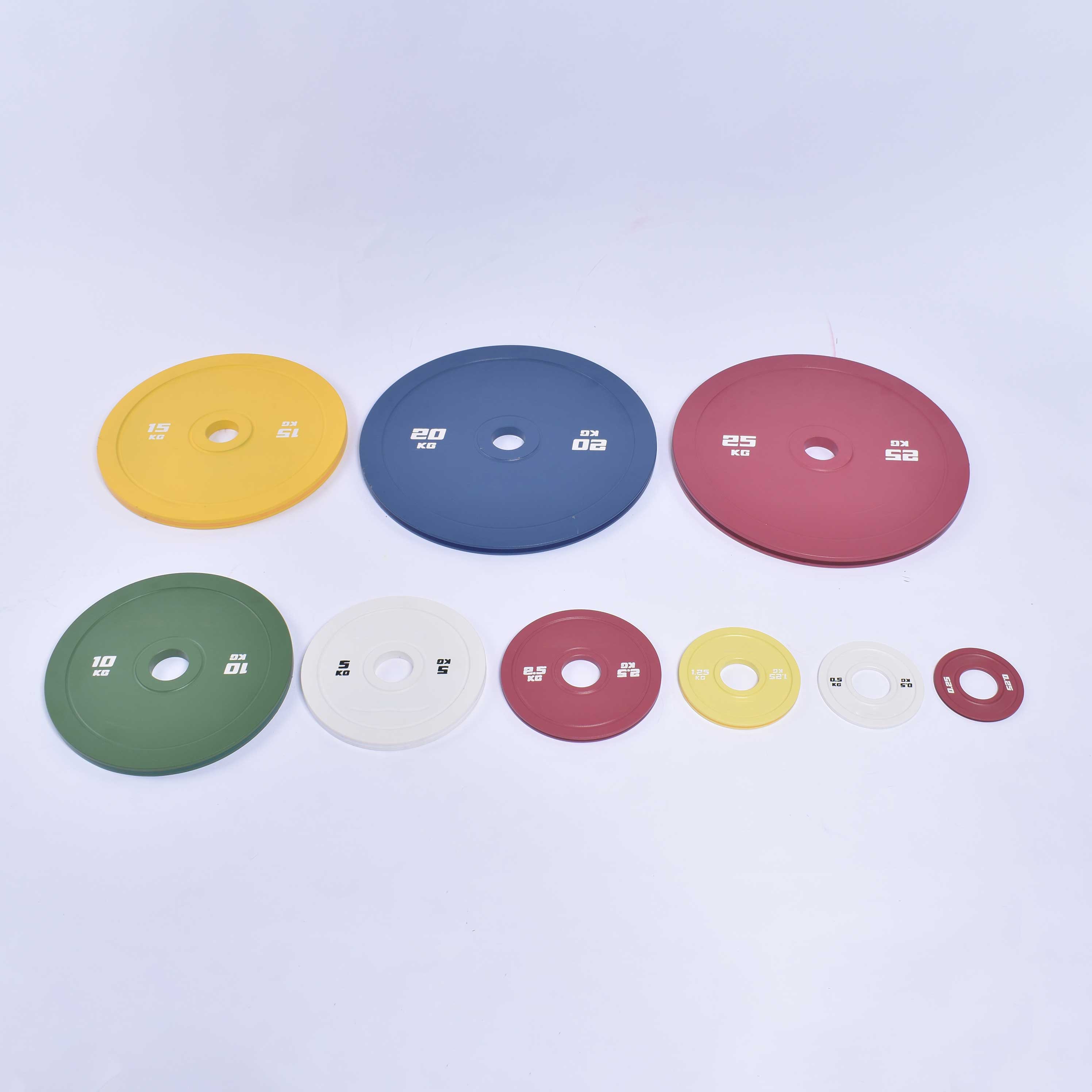
From a mechanical engineering perspective, the 55 lb barbell set occupies a distinct niche between fixed dumbbells and full-sized Olympic equipment. The barbell itself typically uses 1018 or 1045 carbon steel with a tensile strength of 60,000–80,000 psi, significantly lower than the 150,000+ psi found on commercial Olympic bars. The 1-inch sleeve diameter creates higher surface pressure on weight plate inserts compared to 2-inch Olympic sleeves, making plastic or zinc-plated plates more susceptible to deformation under repeated loading. However, for loads under 100 pounds, this is rarely a performance issue. The primary constraint is sleeve length: most 55 lb set bars have 8 to 10 inches of loading space per side, which limits total capacity to approximately 100–150 pounds before the sleeves are physically full. This makes the format unsuitable for intermediate or advanced lifters but perfectly adequate for beginners and lighter users. The weight plates in these sets are almost always vinyl-coated concrete, sand-filled plastic, or thin cast iron. Vinyl-coated plates offer floor protection and quieter operation but can crack if dropped. Cast iron plates in this price tier typically have loose tolerances of +/- 5-10% of stated weight, meaning a "10 lb" plate might actually weigh 9.2 or 10.8 pounds.
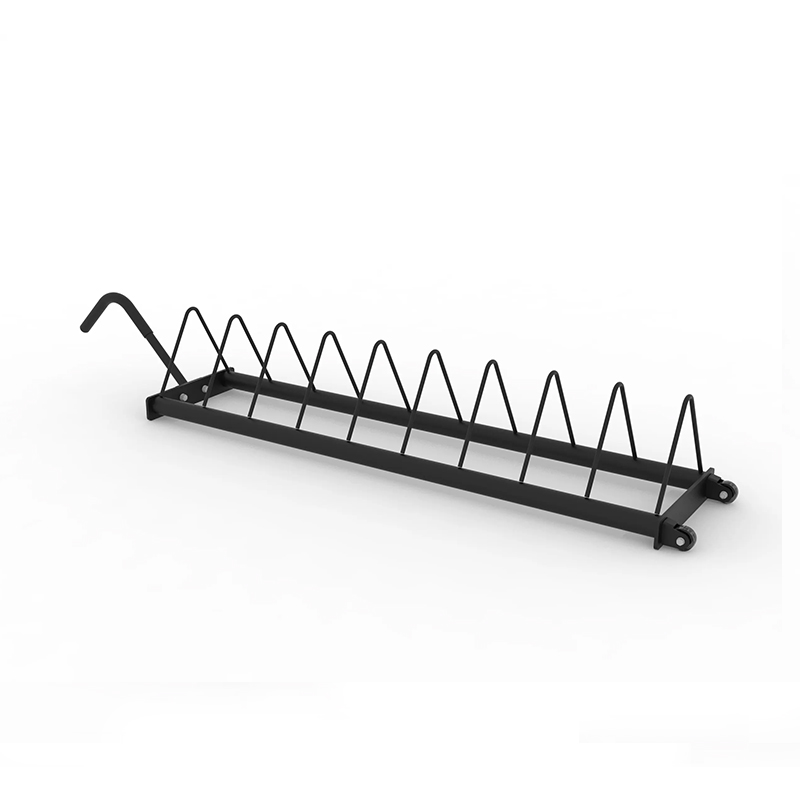
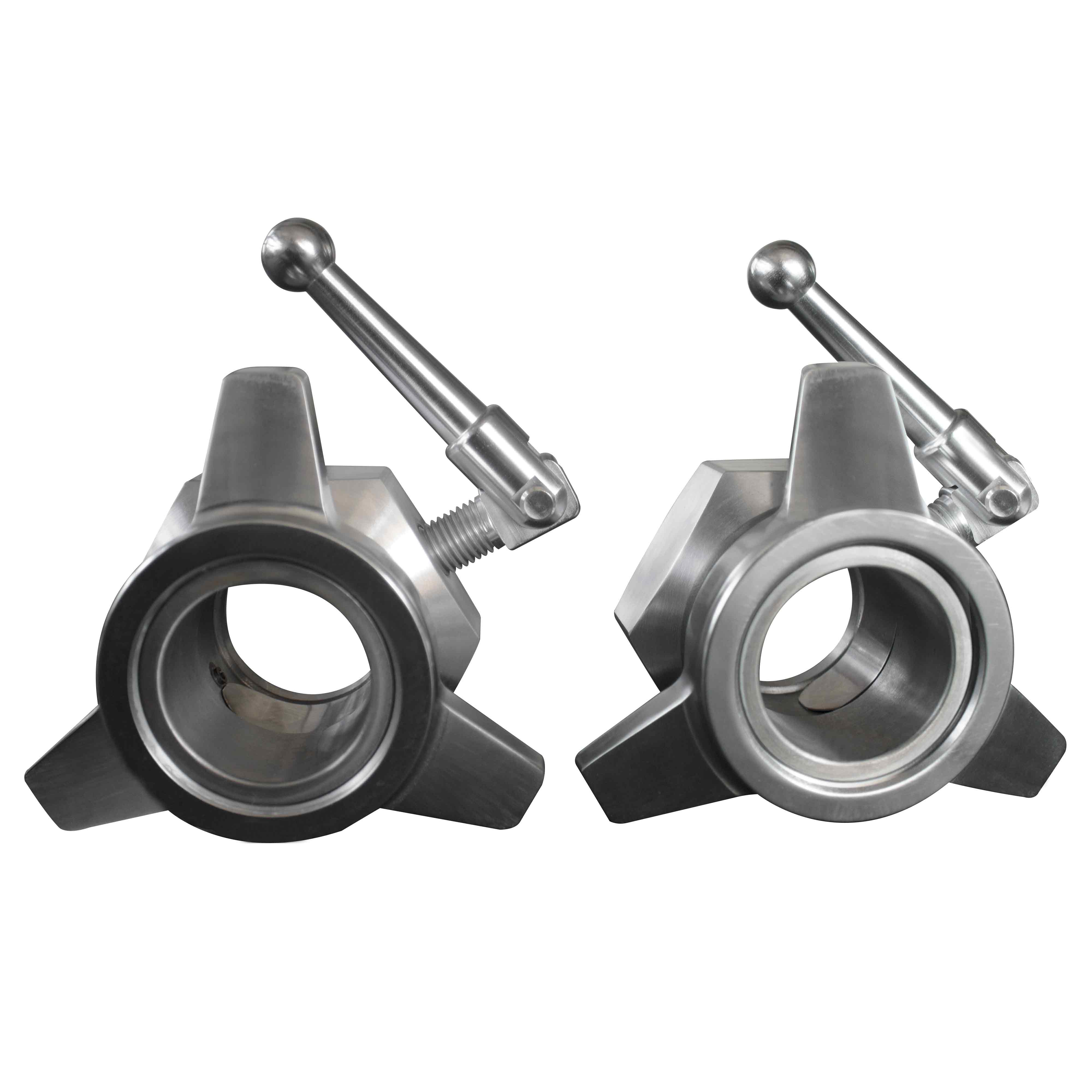
When evaluating a 55 lb barbell set for purchase or for outfitting a light-use facility like a hotel gym or youth training center, several practical factors outweigh brand considerations. Bar knurling on entry-level sets ranges from passive (almost smooth) to moderate. Passive knurling is safer for teenage hands but becomes slippery during sweaty sessions. Spring collar quality is often the weakest component—many sets include thin, easily deformed springs. Upgrading to threaded locking collars (an additional $15-20) dramatically improves plate security and user confidence. Plate storage is another consideration: the 55 lb configuration typically includes four 10 lb plates, two 5 lb plates, and two 2.5 lb plates. This allows progression in 5 lb increments, suitable for linear progression in beginners. Commercial buyers should note that these sets are not rated for repeated dropping or rack storage—they function best for controlled, low-impact movements. For facilities expecting daily group use or drop training, investing in a 2-inch Olympic set (starting at approximately 85 lbs total weight) with rubber bumper plates provides significantly higher durability. However, for personal home use, rehabilitation settings, or introductory strength programs, the 648 55 lb barbell set remains the most cost-effective entry point, typically retailing between $60 and $120 depending on plate material and included accessories.

Let our experts design the perfect gym solution for your business. Get a free consultation and quote today.