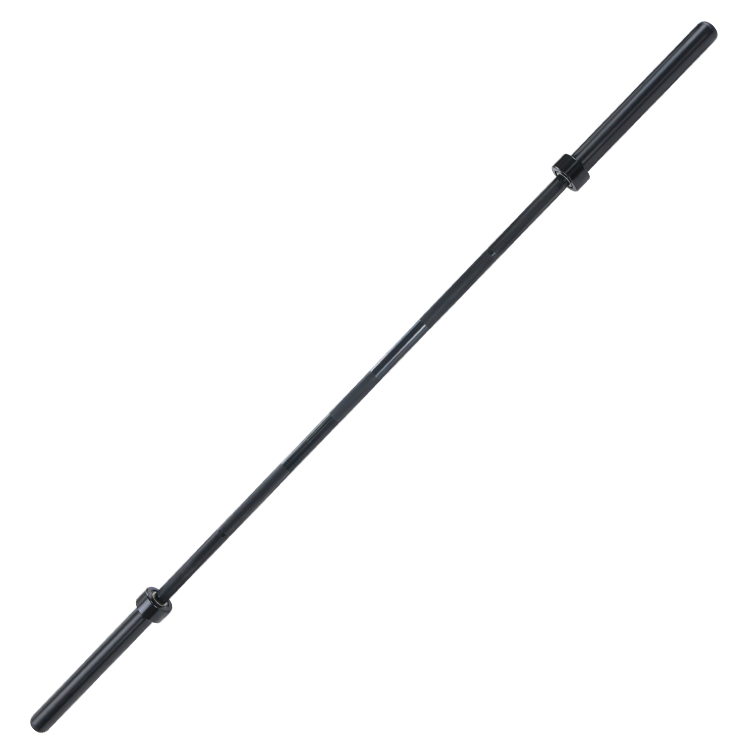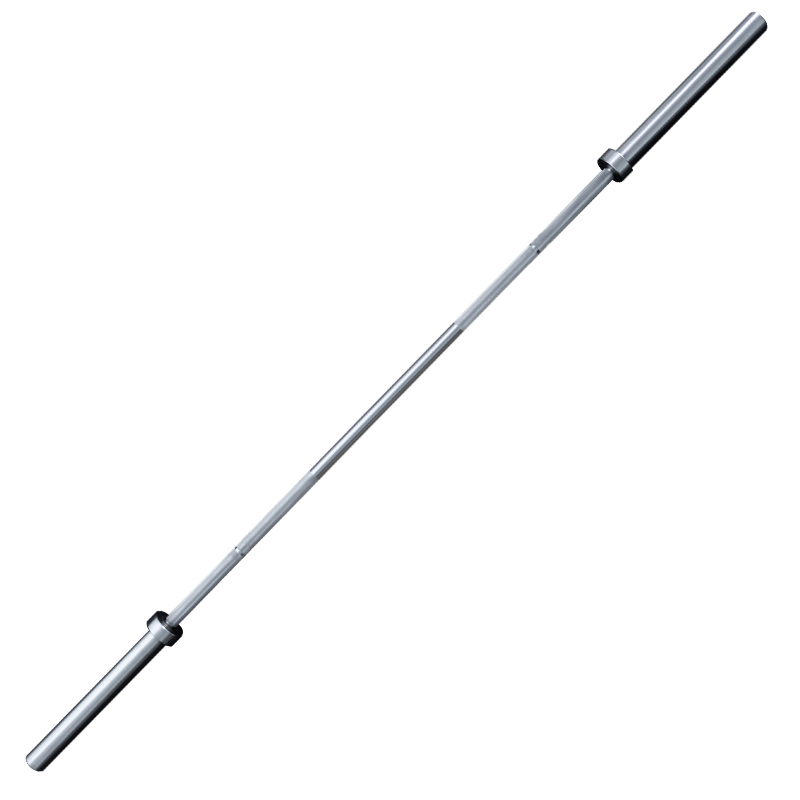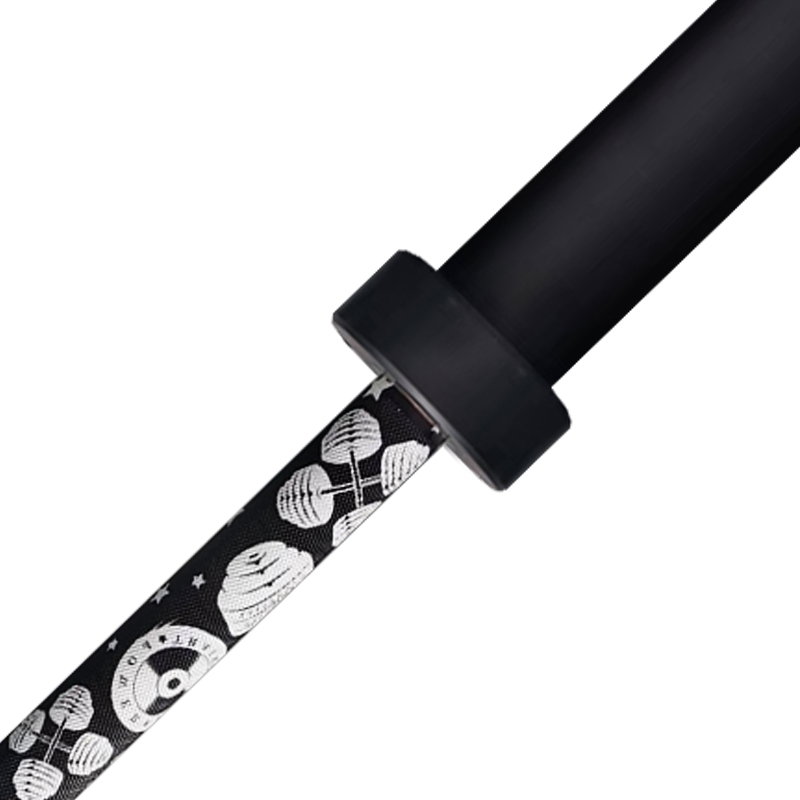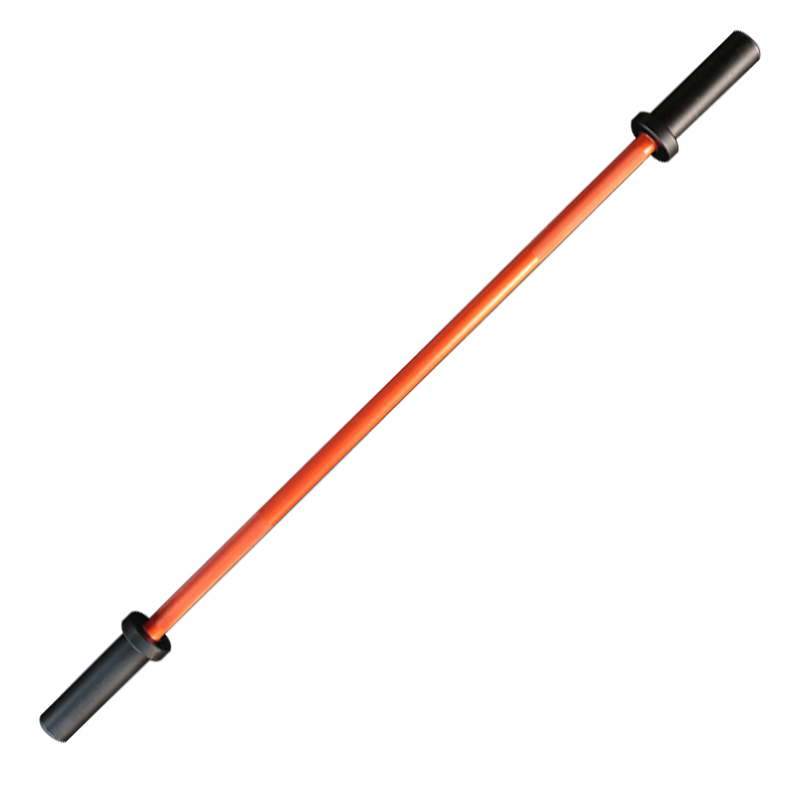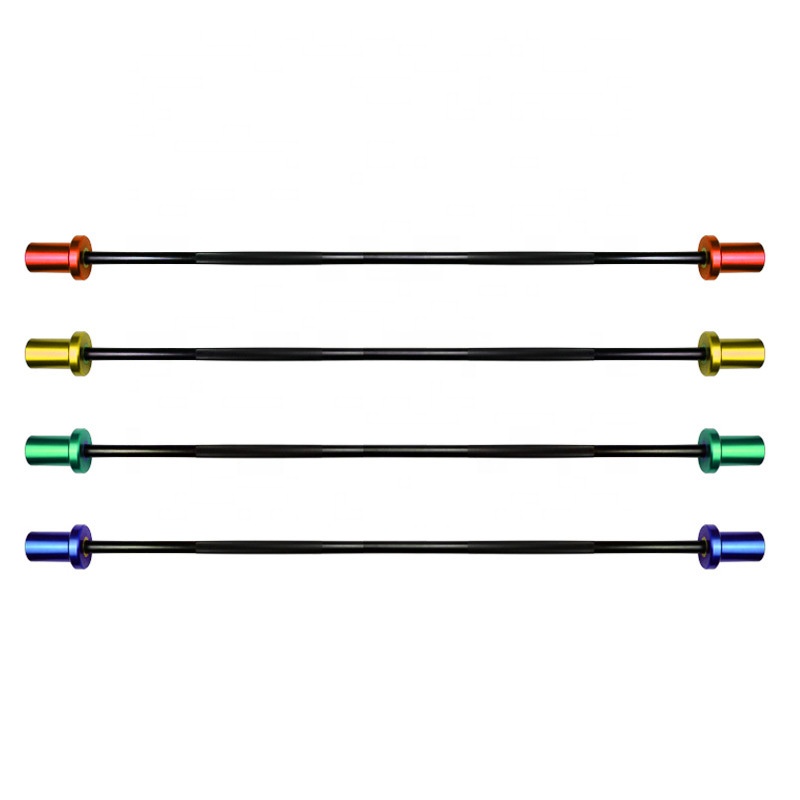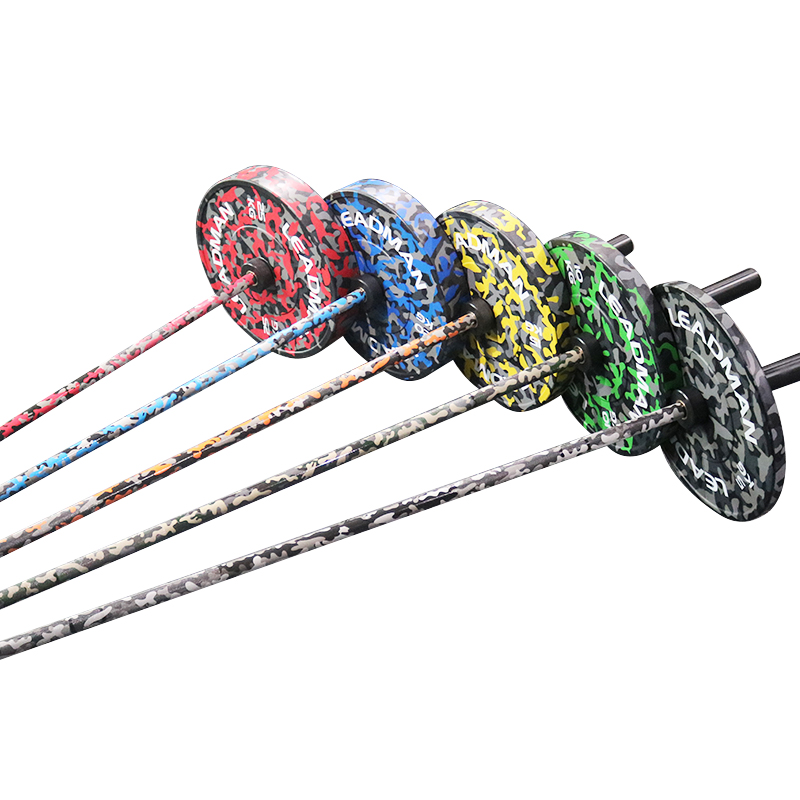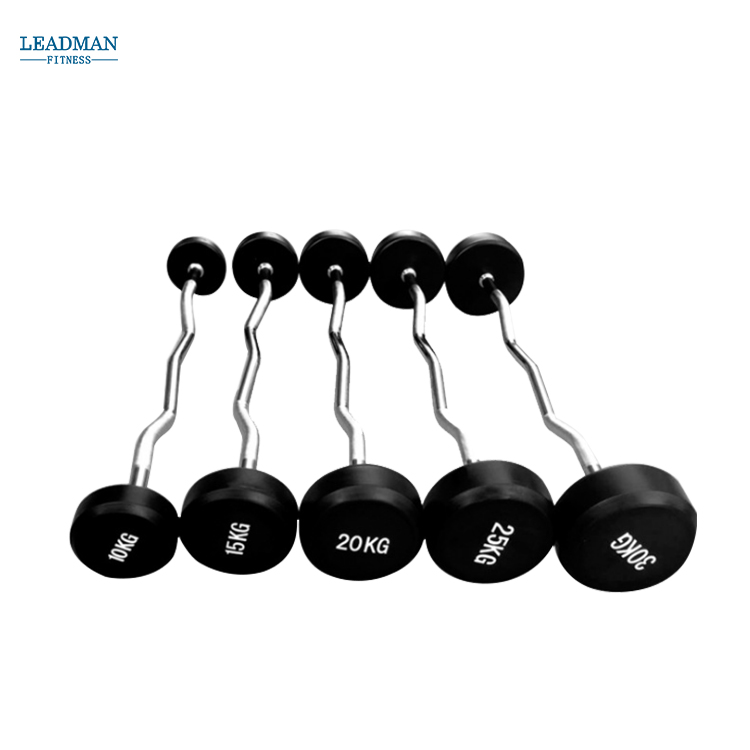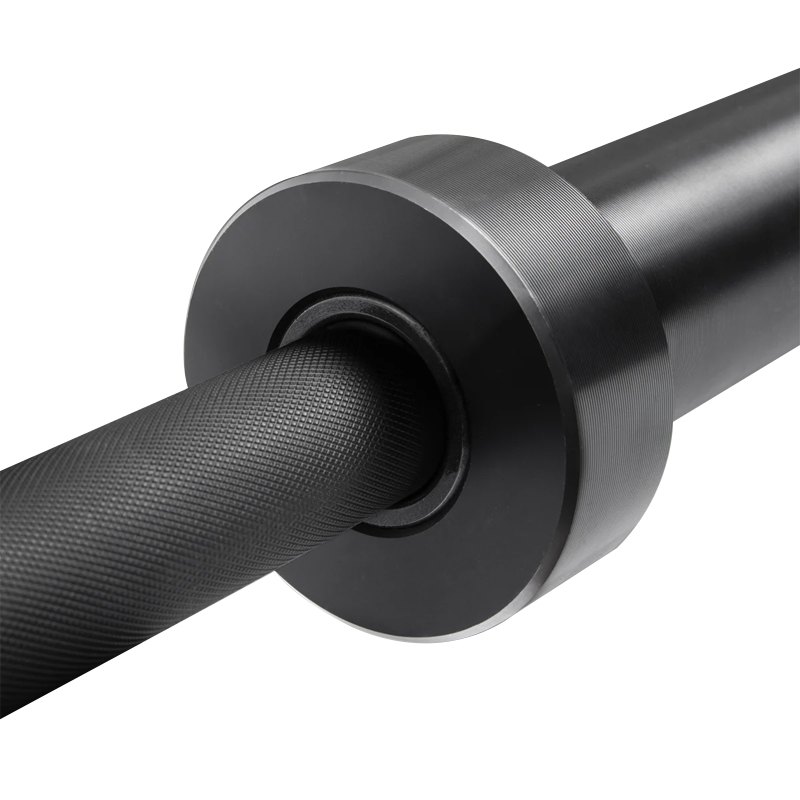
55 pound barbells occupy a specific niche between standard 45 lb Olympic bars and ultra-heavy 65+ lb specialty bars. Originally popularized by certain commercial gym brands, this weight often indicates a thicker shaft diameter (32mm vs the typical 28-29mm) or extended loadable sleeve length, both of which alter handling characteristics significantly.
The mechanism behind a 55 lb barbell's increased mass is usually either shaft density or sleeve composition. Stainless steel shafts naturally weigh more than chrome-plated carbon steel. Alternatively, some models maintain standard 28mm shafts but use longer, unsleeved loadable sections or solid steel end caps rather than hollow ones. The result is a bar that feels "dead" or less whippy—preferred by powerlifters who want minimal oscillation during maximal squats or presses.
User feedback from strength training forums indicates that lifters transitioning from 45 lb to 55 lb bars initially notice fatigue accumulation in the forearms and grip, especially on high-volume pulling exercises. However, the same survey showed that after a 4-week adaptation period, 68% of users reported feeling more stable under heavy loads due to the reduced bar vibration. For facilities serving competitive powerlifters, 55 lb bars serve as excellent competition warm-up tools when the actual meet bar is also a specialty weight.
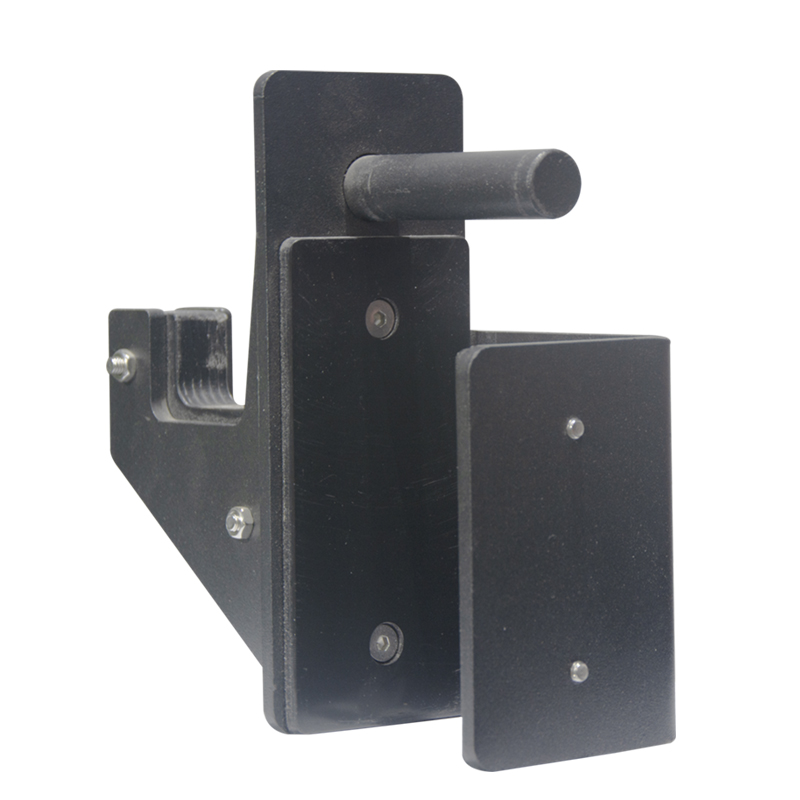
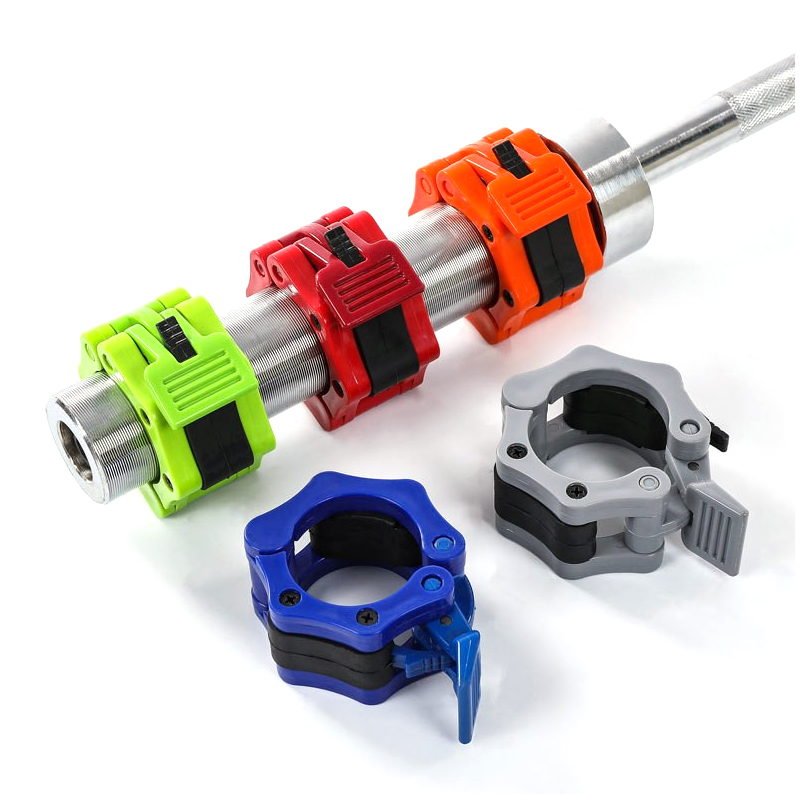
For buyers, the actionable insight is verifying compatibility with existing collars and racks. Thicker 32mm shafts require larger spring or lock-jaw collars than standard 28-29mm bars. Additionally, ensure your squat rack's j-hooks have sufficient depth—the thicker bar sits higher in the hook, potentially changing unrack mechanics. Always confirm whether the bar's weight includes center knurling, as this adds another 0.5-1 lb but critically affects squat grip security.

Let our experts design the perfect gym solution for your business. Get a free consultation and quote today.