

Optimizing A Weight Training Station for Full-Body Workouts
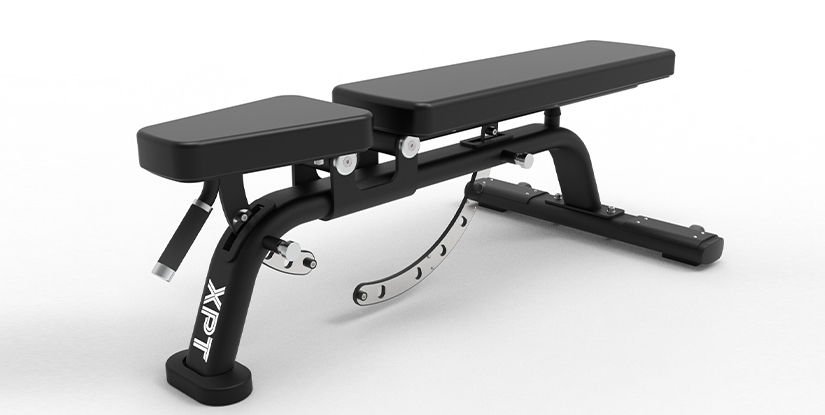
The Structural Integrity of a Weight Training Station for Full-Body Workouts
Operators and high-end home gym enthusiasts frequently encounter a critical failure mode: structural instability during high-intensity, multi-planar movements. When a weight training station is used for a full range of motion, it is subjected to lateral forces that a standard bench or simple rack cannot handle. This instability often stems from inadequate frame gauge thickness or poor weld quality, leading to a loss of confidence during heavy compound lifts.
To ensure a station remains a reliable asset, one must look beyond basic aesthetics and focus on the mechanical properties of the frame. A robust station must provide a rigid center of gravity to prevent rocking during unilateral exercises or heavy unilateral rows. Failure to address these structural requirements results in micro-oscillations that degrade the user's lifting technique and, eventually, lead to hardware fatigue. Understanding these structural demands is the first step toward selecting or maintaining a high-performance station.
Identifying Frame Deflection Issues
Before investing or conducting a deep inspection, operators should look for signs of frame deflection. If the station noticeably shifts or 'creaks' when heavy weights are loaded, the structural integrity is already compromised. This is often caused by using lightweight steel tubing in sections intended for high-load bearing. High-quality stations utilize heavy-duty steel with specific wall thicknesses to maintain rigidity under tension. Verifying the stability of the unit under load is essential before proceeding to assembly and component integration.
| Feature | Standard Residential Grade | Professional Full-Body Station |
|---|---|---|
| Steel Wall Thickness | 14-gauge or thinner | 11-gauge to 7-gauge heavy-duty steel |
| Weld Type | Standard fillet welds | Full-penetration reinforced welds |
| Base Footprint | Compact/Small | Extended for lateral stability |
| Load Capacity | Lower, limited movement | High, multi-directional stability |
Once the structural foundation is verified, the focus must shift to the mechanical components that allow for diverse movement patterns.
Precision Engineering of Pulley and Cable Systems
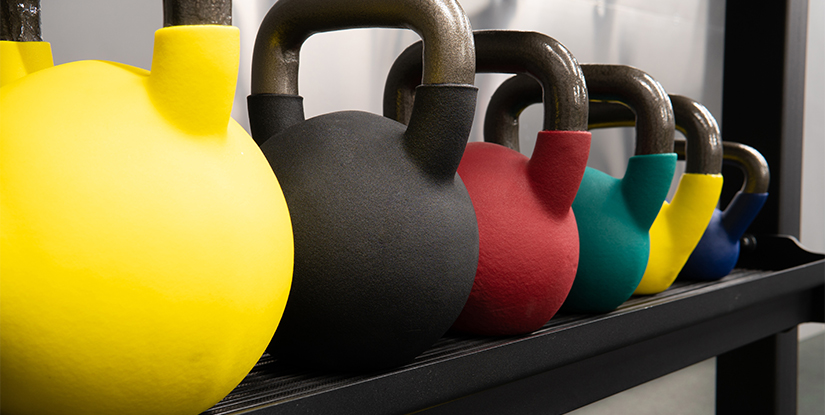
Building upon a rigid frame, the mechanical efficiency of a weight training station for full-body workouts depends heavily on the pulley and cable architecture. A common pain point for many users is the 'jerky' or non-linear motion experienced during isolation exercises. This is rarely a fault of the user's strength but is instead a technical failure of the cable system, often caused by insufficient pulley diameter or poor-quality cabling that lacks consistent flexibility.
A high-performance pulley system utilizes high-density polyethylene (HDPE) or precision bearings to ensure a smooth, constant resistance profile. When a cable moves through a pulley, it creates friction; if the pulley diameter is too small, the cable bends too sharply, increasing friction and causing uneven resistance. This can lead to muscle fatigue in the wrong areas or even sudden, jarring movements that increase injury risk. By selecting components with high-grade bearings, operators ensure a seamless transition throughout the entire range of motion.
Common Failure Modes in Cable Mechanics
- Cable Fraying: Caused by contact with sharp edges or excessive tension without proper lubrication.
- Pulley Seizure: Resulting from dust accumulation or lack of regular bearing maintenance.
- Inconsistent Resistance: Stemming from uneven cable stretch or low-quality synthetic coatings.
Maintaining a smooth mechanical flow requires a deep understanding of both the component parts and the regular inspection protocols required to keep them operational. This leads directly to the necessity of a structured maintenance schedule.
Preventative Maintenance and Inspection Protocols
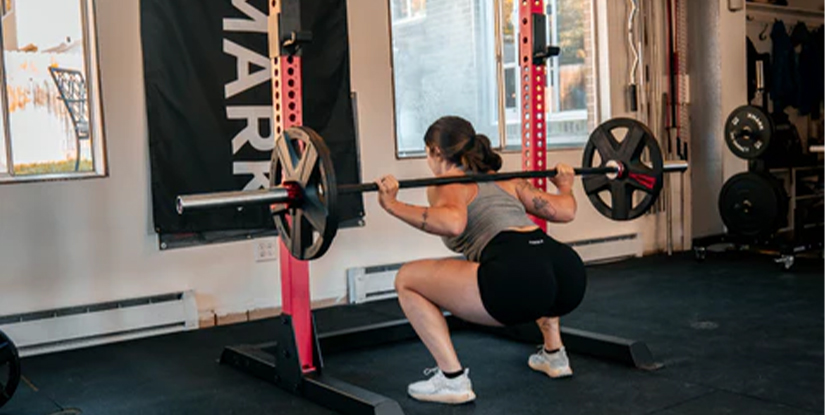
A seamless mechanical experience is only possible through a rigorous, proactive maintenance culture. Even the most expensive weight training station for full-body workouts will eventually suffer from wear and tear if the operator relies solely on reactive repairs. A reactive approach—waiting for a cable to snap or a bolt to loosen—is not only costly but inherently unsafe for the user.
Effective maintenance involves a dual-track approach: visual inspections for surface-level issues and mechanical testing for internal wear. For example, checking the tension of the cables is a critical task, but verifying the lubrication levels in the pulleys is equally vital. Without proper lubrication, the friction generated can heat the bearings, leading to premature failure. Operators should establish a monthly inspection checklist to track these variables and ensure longevity.
Monthly Maintenance Checklist for Operators
| Component | Task | Verification Method |
|---|---|---|
| Steel Frame | Bolt Torque Check | Use a torque wrench to ensure all structural bolts meet manufacturer specs. |
| Cable System | Tension & Surface Integrity | Inspect for fraying, kinking, or coating degradation. |
| Pulley Wheels | Bearing Smoothness | Manually rotate the pulley; it should spin freely without noise or resistance. |
| Upholstery/Padding | Surface Integrity | Check for tears or compression that could affect ergonomic support. |
| Weight Stacks | Selector Pin Fit | Ensure the pin fits snugly and the weight selector moves without sticking. |
Following these protocols ensures that the station remains a safe and effective tool for training, but high-performance equipment also requires an understanding of the environment in which it resides.
Environmental Considerations for Station Longevity
While maintaining the station itself is crucial, operators must also consider the external environment, as external factors significantly influence the rate of component degradation. A weight training station for full-body workouts is often subject to varying humidity levels and temperature fluctuations, especially in basement or garage installations. These environmental stressors can lead to oxidation on moving parts and the hardening of upholstery.
High humidity is the primary cause of rapid oxidation on exposed steel surfaces and unsealed weights. Even if a station is powder-coated, moisture can penetrate micro-cracks, leading to sub-surface rust. Similarly, excessive heat can cause synthetic cables to become brittle and the foam padding to lose its density. To mitigate these issues, operators should monitor the ambient environment and implement controls such as dehumidifiers or climate control where possible.
Optimizing the Training Environment
To maximize the lifespan of the equipment, consider the following environmental management strategies:
- Humidity Control: Maintain levels between 30% and 50% to prevent oxidation and cable brittleness.
- Airflow Management: Ensure adequate ventilation to prevent the buildup of sweat-related corrosive elements.
- Temperature Stability: Avoid extreme fluctuations that cause material expansion and contraction in precision parts.
When the environment is controlled and the maintenance is consistent, the user can focus entirely on the technical execution of their training, provided the ergonomics are also correctly calibrated.
Ergonomic Calibration and User Safety Limits
Once the station is structurally sound and mechanically optimized, the final layer of high-level operation involves ergonomic calibration. A weight training station for full-body workouts is designed to accommodate a wide range of human biometrics, but a 'one-size-fits-all' approach often leads to improper form and potential injury. If the seat height, pedal positions, or lever angles are not adjusted to the specific user, the mechanical advantage provided by the machine is lost.
Improper ergonomics often manifest as 'compensatory movements,' where the user uses secondary muscle groups to complete a lift because the primary movement path is poorly aligned. This isn't just an efficiency problem; it is a safety problem. For example, if a seated row station's footplates are too far away, the user may arch their lumbar spine to reach the resistance, putting undue stress on the lower back. Therefore, every adjustment must be treated as a technical setup, not an afterthought.
Verifying Ergonomic Alignment
To ensure the station is working with the human body rather than against it, operators should implement a verification process for every new user or significant change in exercise routine. This includes measuring the relative distance between the user's joints and the machine'lets pivot points. If the pivot point of the machine does not align roughly with the user's natural joint axis, the torque curves will be mismatched, leading to inconsistent resistance and potential joint strain.
| Adjustment Type | Common Mistake | Proper Implementation |
|---|---|---|
| Seat Height | Too low/High for feet | Ensure thighs are parallel to the floor during seated movements. |
| Cable Pull Angle | Pulling across the body | Align the line of pull directly with the target muscle's longitudinal axis. |
| Lever/Handle Grip | Improper wrist angle | Maintain a neutral wrist position to avoid carpal tunnel strain. |
With these ergonomic standards in place, the station is ready for full-scale operation, but the operator must always remain vigilant regarding the long-term wear that high-intensity training produces.
Troubleshooting Common Performance Degradation
Even with a rigorous maintenance and ergonomic protocol, performance degradation is an inevitable part of the equipment lifecycle. Operators must be able to diagnose problems rapidly to minimize downtime and prevent user injury. Most performance issues in a weight training station for full-body workouts fall into three categories: friction-based, tension-based, or structural-based.
For instance, a sudden increase in resistance during a movement might not mean the weight stack has changed, but rather that a pulley has become misaligned or a cable has become partially obstructed. Recognizing these subtle shifts in performance is the difference between a professional-grade operation and a subpar facility. By understanding the 'feel' of a healthy machine, an operator can intervene before a minor issue becomes a total failure.
Rapid Diagnosis Guide
When a performance anomaly is detected, use the following diagnostic hierarchy to identify the root cause:
- Symptoms: Squeaking or grinding noises. Cause: Lack of lubrication or bearing wear. Fix: Clean and lubricate pulleys or replace bearing assembly.
- Symptoms: Unstable resistance or 'dead spots'. Cause: Cable stretch or improper pulley alignment. Fix: Re-tension the cable or realign the pulley housing.
- Symptoms: Excessive shaking during heavy lifts. Cause: Loose mounting bolts or uneven floor surface. Fix: Re-torque all frame bolts and check levelness.
A well-documented troubleshooting process allows the operator to maintain a high standard of service and equipment uptime through the entire lifecycle of the machine.
Long-Term ROI and Life Cycle Management
The final stage of professional operation is understanding the long-term Return on Investment (ROI) through life cycle management. A high-quality weight training station for full-body workouts is a significant capital expenditure. To justify this cost, the operator must view the machine not as a static purchase, but as a dynamic system that requires ongoing management to preserve its value.
The true ROI is realized through the longevity of the machine and the consistency of the training experience. A station that is neglected will see its value plummet within three years due to rust, worn cables, and degraded upholstery. Conversely, a station that is meticulously maintained, stored in a controlled environment, and operated within ergonomic limits can serve as a reliable asset for over a decade. This approach moves the conversation from 'cost of purchase' to 'cost of ownership' over the long term.
Lifecycle Value Drivers
To maximize the value of your equipment investment, focus on these three pillars of long-term management:
- Asset Tracking: Keeping a log of all repairs and parts replacements to identify recurring failure points.
- Scheduled Upgrades: Replacing high-wear parts (like cables and pads) before they fail, rather than after.
- User Education: Ensuring all users understand the correct way to interact with the machine to minimize mechanical stress.
By treating the weight training station as a precision instrument rather than a simple piece of metal, you ensure that it remains a cornerstone of a successful training regimen for years to come.