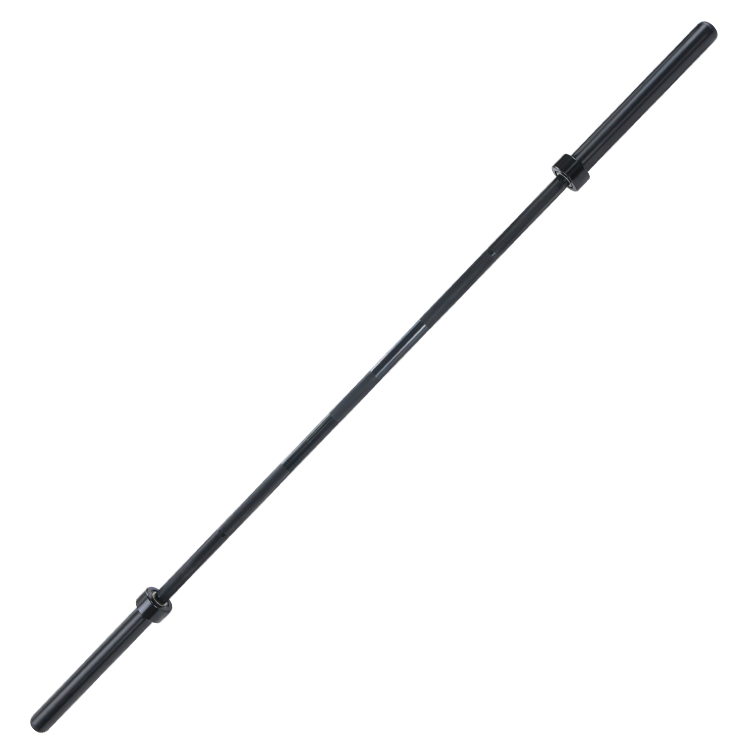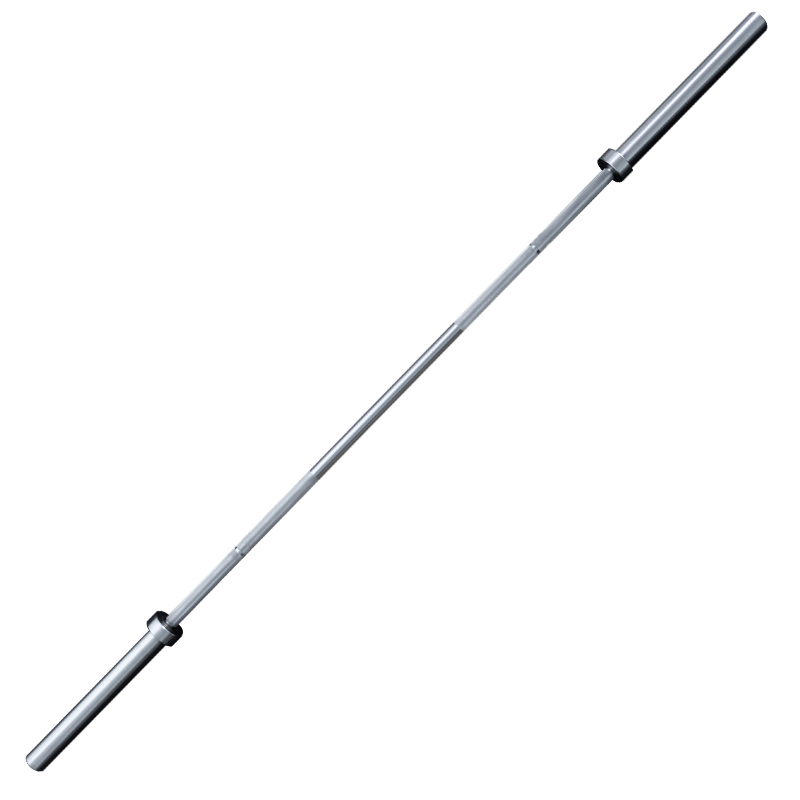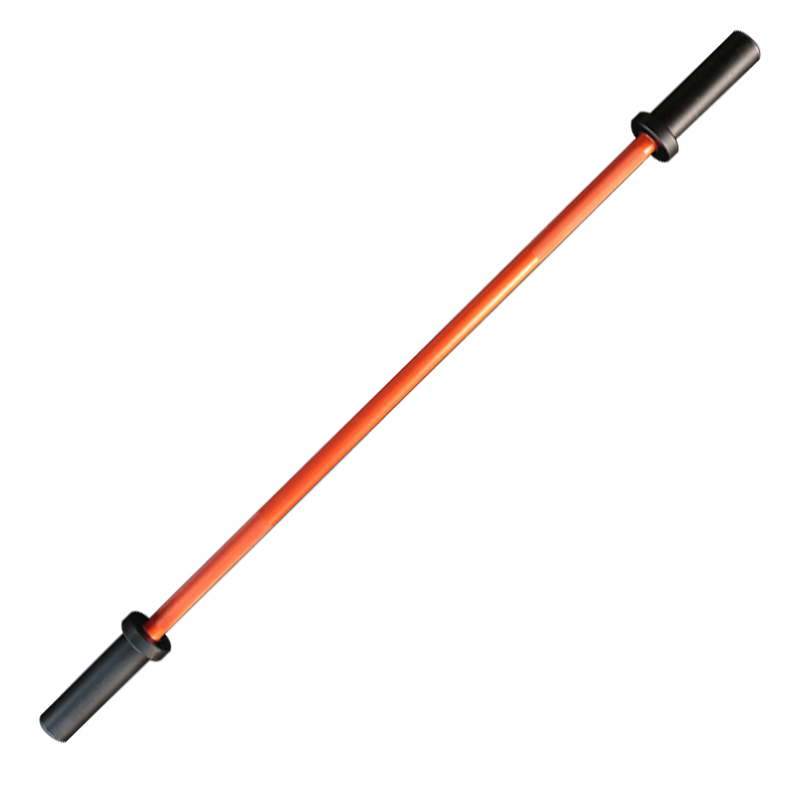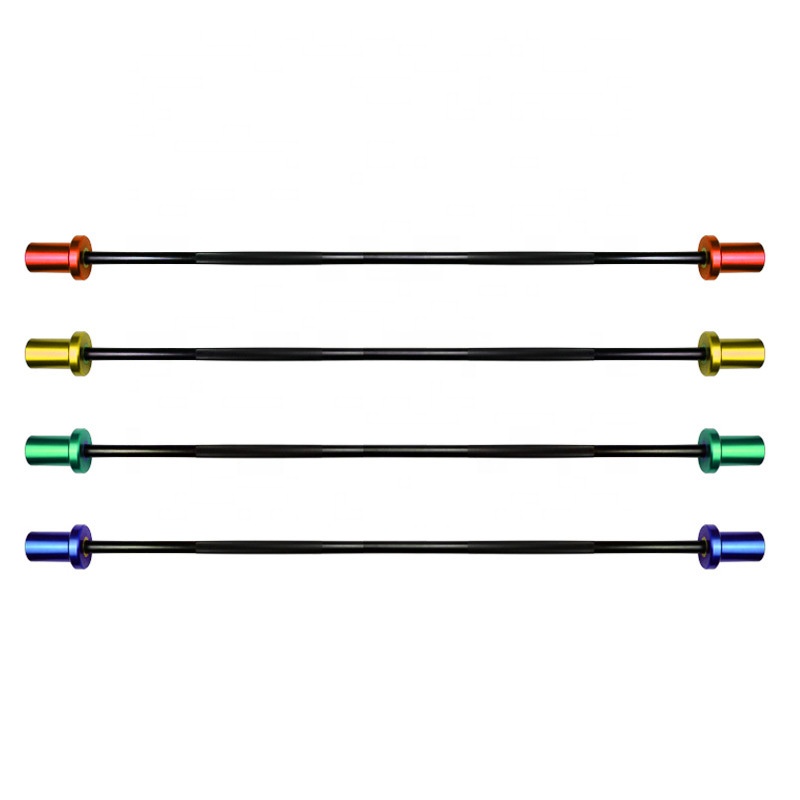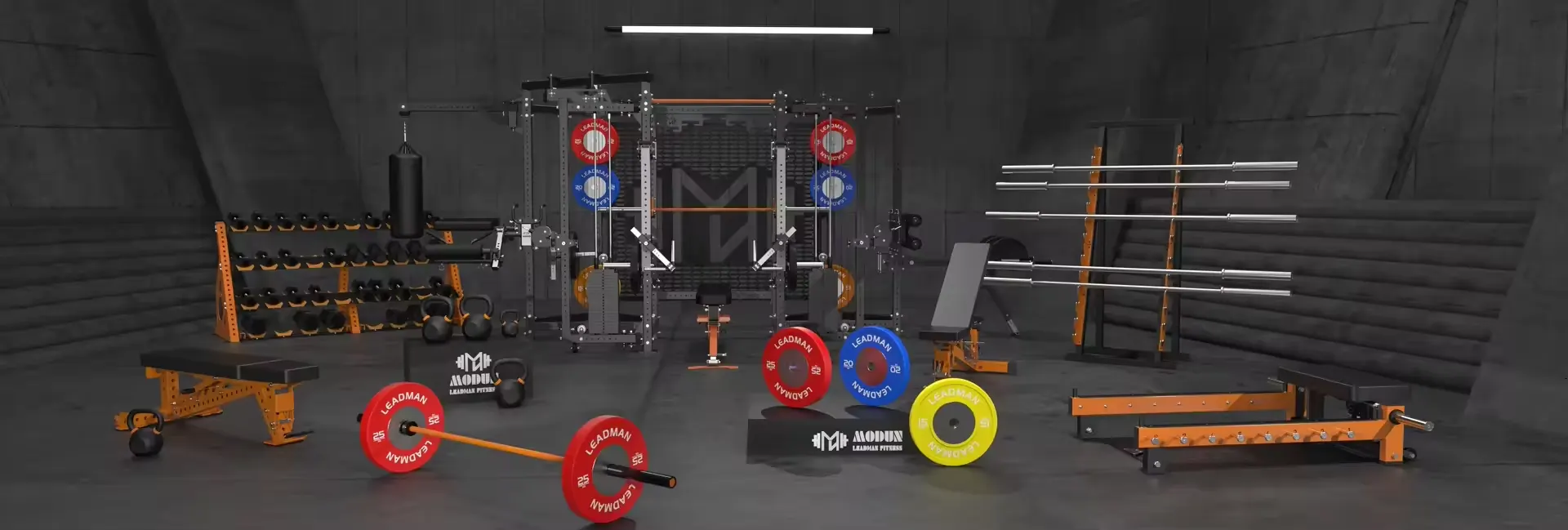
For any strength training enthusiast or facility manager, understanding the precise weight of a barbell rod in kilograms is fundamental to accurate programming and load management. The standard Olympic barbell, which forms the cornerstone of most serious training environments, has a universally recognized weight of 20 kilograms (approximately 44.1 pounds) for the men's model. This standardized weight ensures consistency across competitions and training platforms, allowing athletes to track their progress with precision and compete on a level playing field. The barbell's mass is not an arbitrary figure but a carefully calculated standard that influences lifting mechanics and safety.
The 20-kilogram men's barbell is characterized by a 28-millimeter shaft diameter, which is optimal for grip security and performance in the snatch and clean and jerk. This specific diameter provides the ideal balance between tensile strength and the ability to rotate smoothly in the hands. In contrast, the women's Olympic barbell weighs 15 kilograms and features a 25-millimeter shaft, designed to accommodate smaller hand sizes and provide a more natural feel for female athletes. This distinction is crucial for ensuring that the barbell's mechanics, including its whip and spin characteristics, are properly matched to the lifter's physique, thereby optimizing technique and minimizing injury risk.
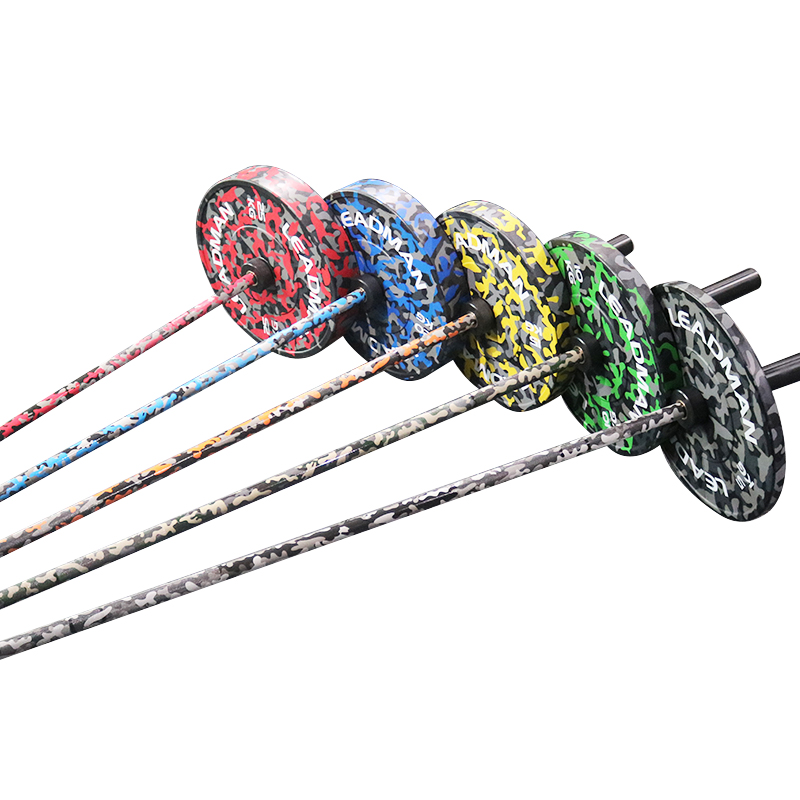
The weight of a barbell rod is not solely determined by its length and diameter but is also influenced by the material composition and the precision of its manufacturing. High-quality barbells are constructed from high-grade steel alloys, often heat-treated to achieve the required tensile strength, which can reach up to 190,000 PSI or more. This heat treatment process ensures the bar can withstand the immense forces generated during heavy lifts without permanently deforming. The sleeves, which are the rotating ends where the weight plates are loaded, are also carefully engineered to precise dimensions, contributing to the overall mass of the barbell.
The significance of the barbell's weight extends beyond the simple act of loading plates; it is integral to the fundamental principles of progressive overload. When a lifter records a personal best of 100 kilograms in the clean and jerk, that figure inherently includes the 20-kilogram barbell. Accurate record-keeping and training progression rely on this understanding. For beginners, the 20-kilogram barbell itself is a significant training load, and correctly identifying its mass is essential for selecting appropriate starting weights and avoiding injury.
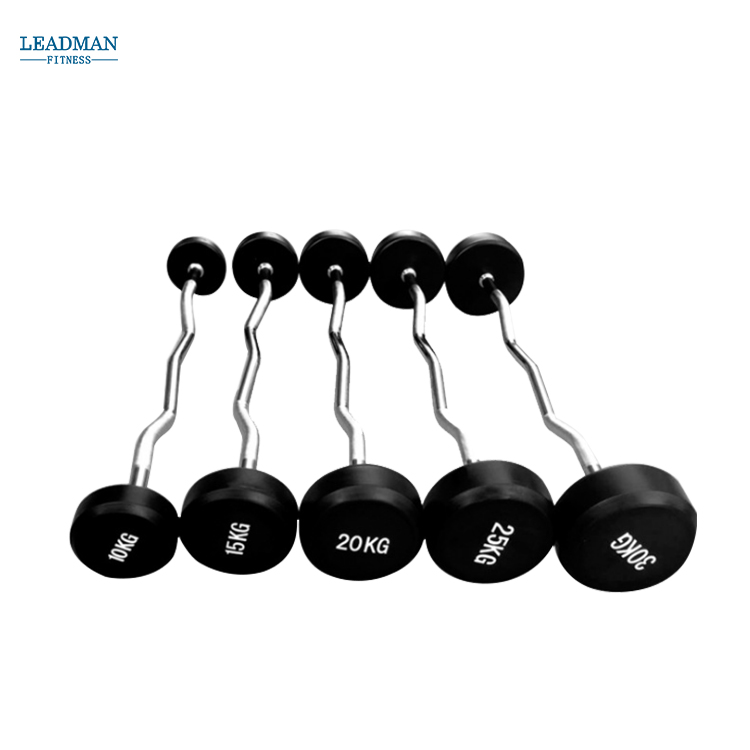
Understanding the precise weight in kilograms is also critical for proper gym management and equipment specification. For commercial gyms, ensuring that all barbells meet the 20-kilogram standard is essential for maintaining a professional environment and providing a consistent training experience for all members. This consistency is particularly important in facilities that host competitions or cater to competitive athletes, where adherence to these international standards is a matter of protocol and performance legitimacy.

Let our experts design the perfect gym solution for your business. Get a free consultation and quote today.