For any serious strength training facility, the weight lifting platform serves as the critical interface between athlete, barbell, and the building's structural foundation. More than a simple flooring solution, this purpose-built platform is designed to absorb the tremendous forces generated during Olympic lifts and heavy deadlifts, protecting both the subfloor and the equipment from damage. The strategic integration of shock-absorbing rubber tiles with a robust wooden deck creates a stable, resilient surface that enables athletes to perform at their peak while ensuring the long-term integrity of the facility.
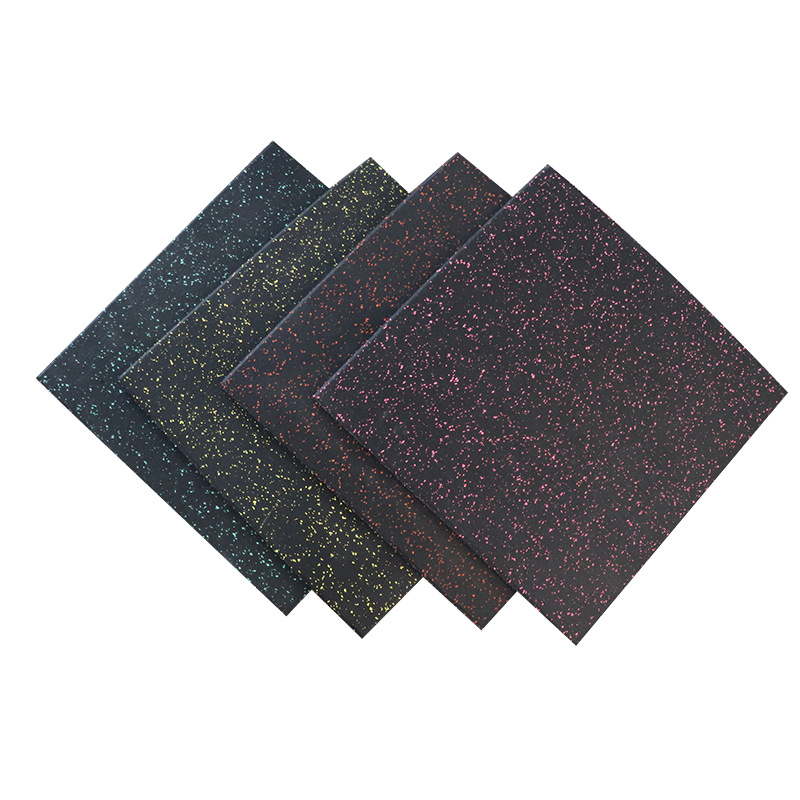
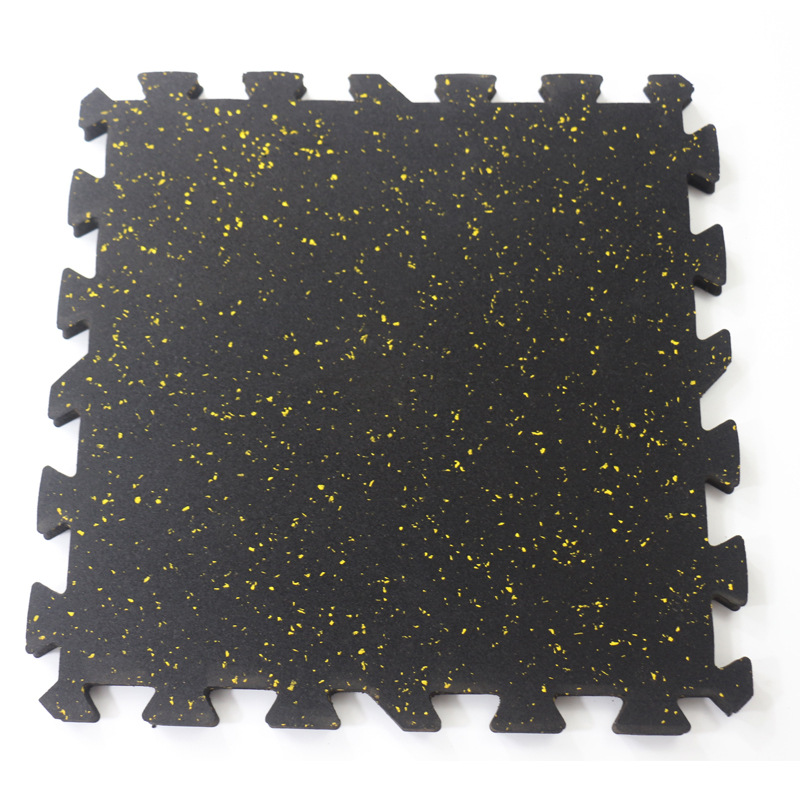
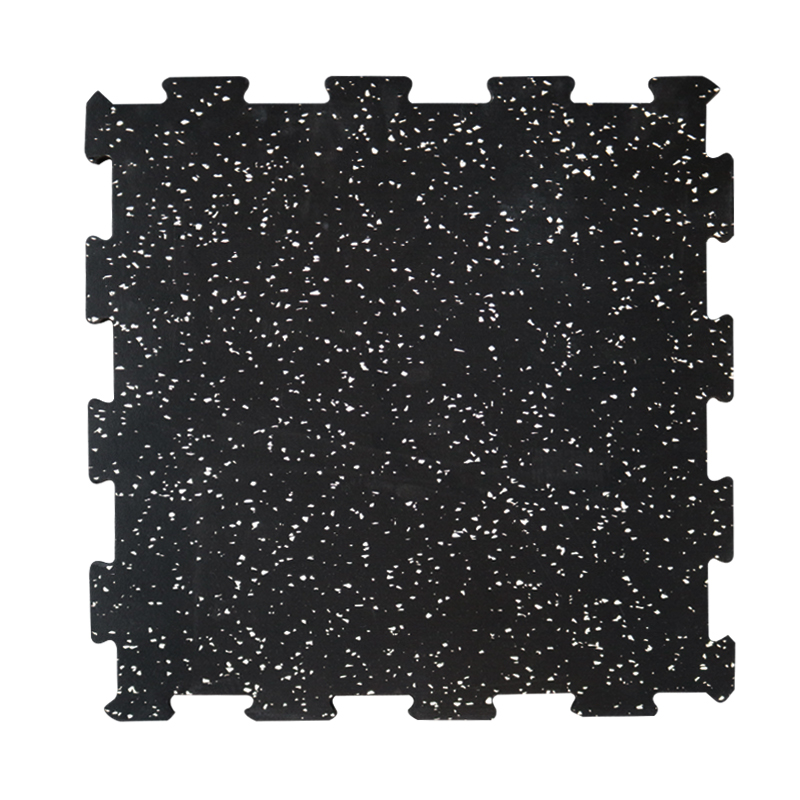
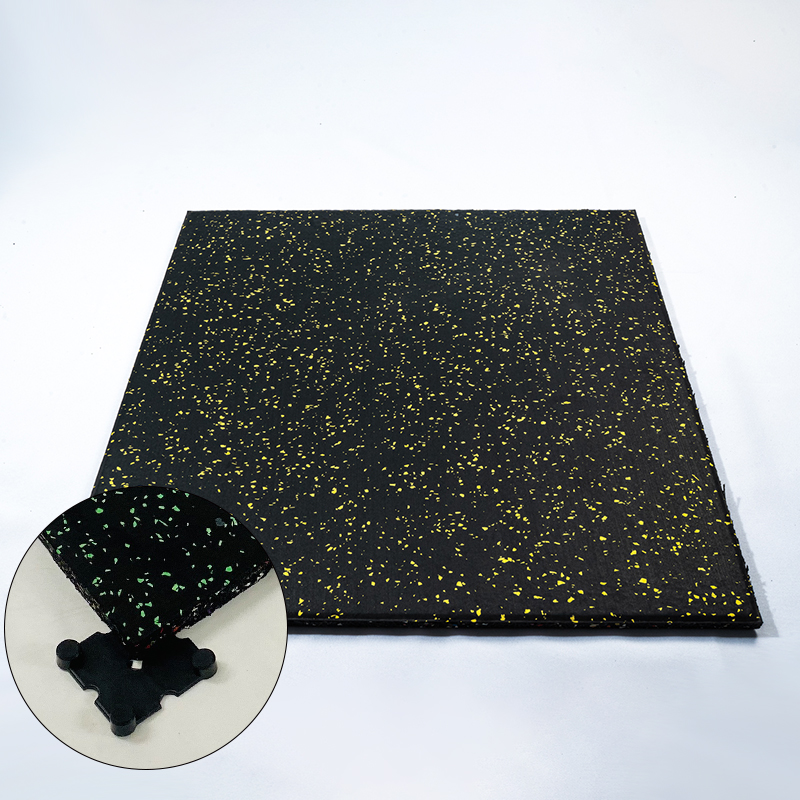
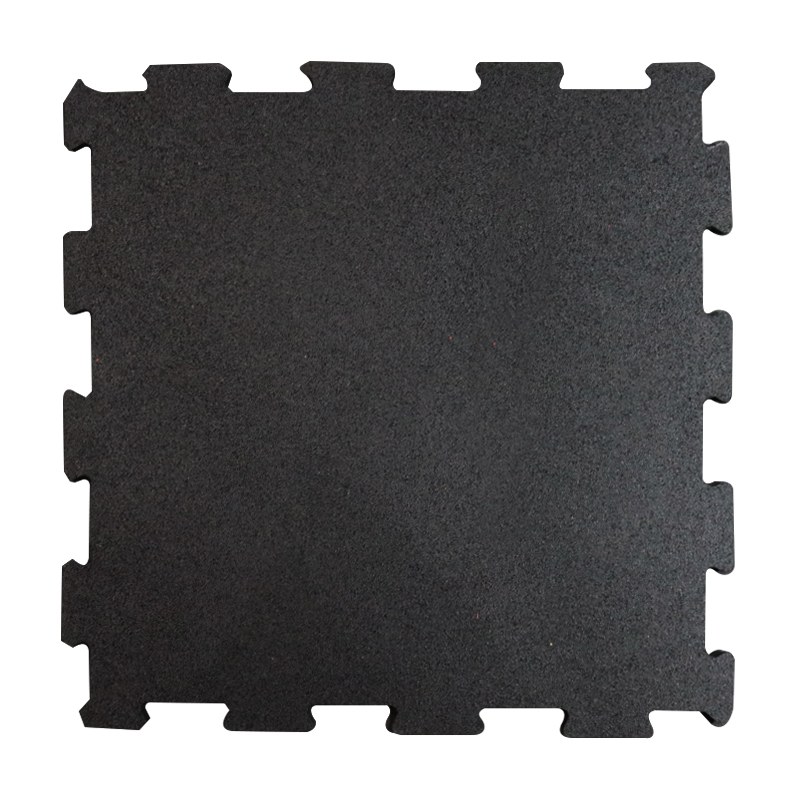
The engineering of a high-performance weight lifting platform is defined by its multi-layered construction, which balances impact absorption with stability. A typical platform features a solid wooden core, often constructed from multiple layers of high-density plywood, which provides a durable and sturdy foundation for lifting. This wooden deck is then partially or fully covered with high-density rubber tiles, strategically placed in the drop zones to protect the wood from the impact of dropped weights. This combination of materials ensures that the platform remains flat and stable, minimizing the risk of tripping or uneven footing, while also offering a forgiving surface for the barbell to land on.
The dimensions and thickness of the platform are tailored to accommodate the specific needs of Olympic weightlifting and powerlifting. A standard competition platform is typically 4 meters by 4 meters, providing ample space for athletes to move laterally during a snatch or clean and jerk. The rubber tiles are carefully selected for their density and rebound characteristics; they must be firm enough to provide a solid stance yet soft enough to absorb the shock of a dropped barbell, reducing noise and vibration. A well-constructed weight lifting platform is not just an accessory; it is an integral component of a safe, efficient, and professional training environment.
The installation of a weight lifting platform is a straightforward yet essential process, often requiring professional expertise to ensure it is properly leveled and secured. For facilities with limited space, modular platform systems offer a practical solution, allowing for easy assembly and disassembly as needed. The platform should be positioned in a dedicated area that provides adequate clearance around it, ensuring safe access and movement. This dedication to proper installation and spatial arrangement is a hallmark of a professionally run facility that prioritizes athlete safety and equipment longevity.
The maintenance of a weight lifting platform is essential to its longevity. Regular sweeping and mopping to remove chalk and debris will prevent the rubber surface from becoming slippery or damaged. Periodic inspections for wear and tear, such as loose rubber tiles or warped wood, will allow for timely repairs, maintaining the platform's performance and safety. By investing in a high-quality weight lifting platform and adhering to a consistent maintenance schedule, gym operators can ensure their training environment remains at the highest standard.
Let our experts design the perfect gym solution for your business. Get a free consultation and quote today.