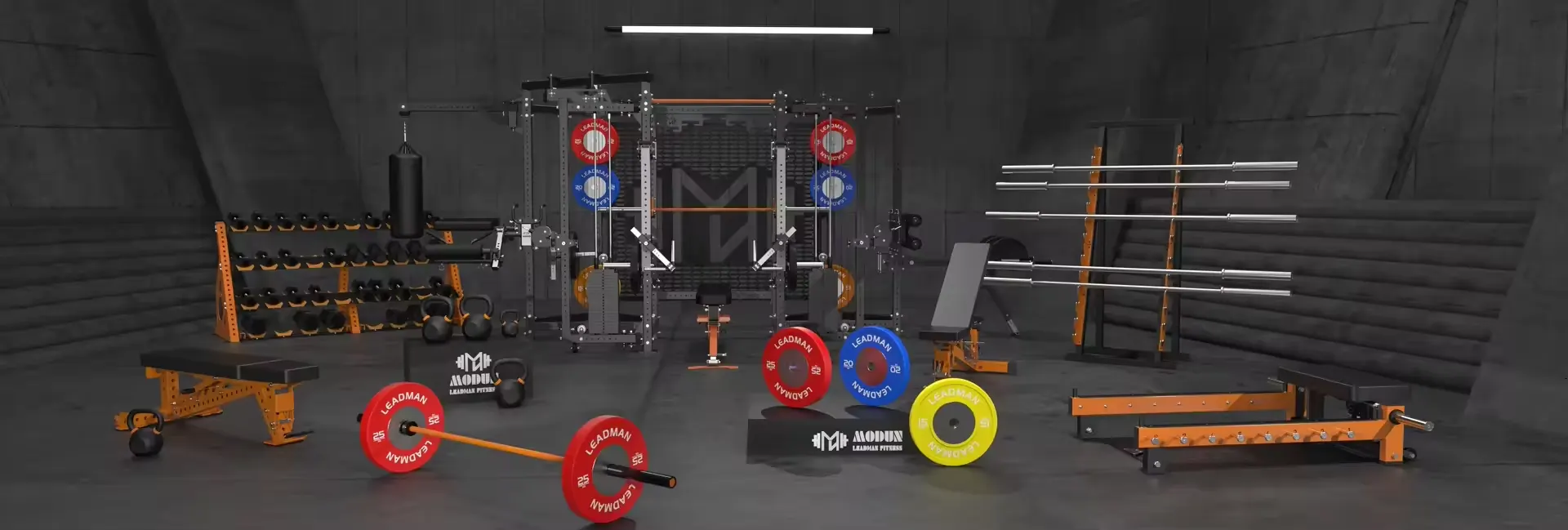
The term "top barbells" in the fitness equipment industry does not point to a single product but rather a curated tier of implements distinguished by precision engineering, premium metallurgy, and specialized performance characteristics that justify their position at the apex of the market. These are not merely heavy steel rods; they are high-tensile instruments calibrated for specific disciplines, offering elite lifters and discerning commercial facilities a tactile and mechanical advantage that standard bars cannot replicate. The distinction lies not in marketing claims but in measurable specifications and observable performance under intense training loads.
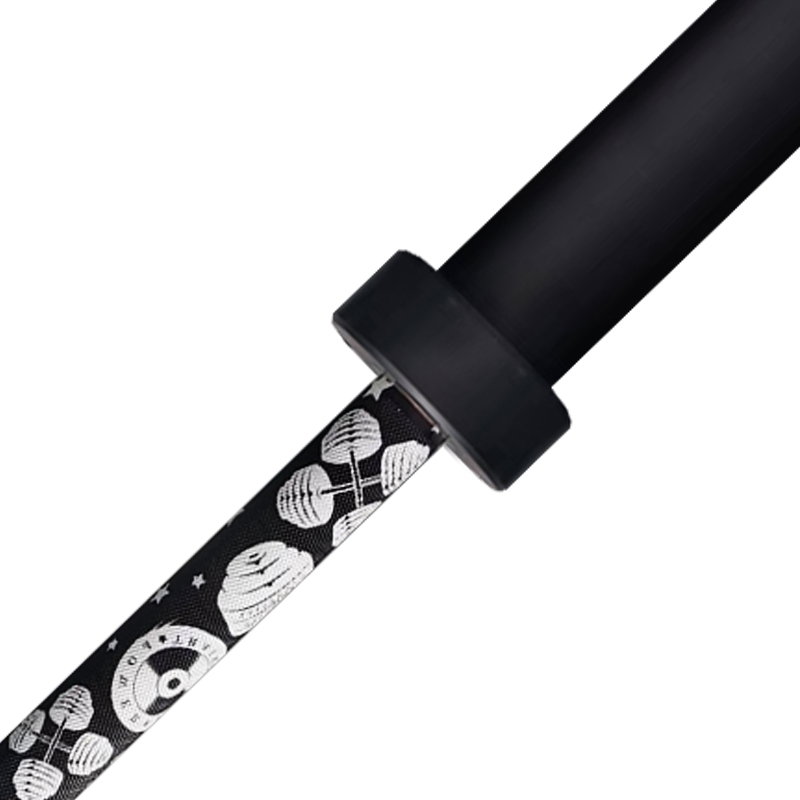
Defining what constitutes a top-tier barbell begins with its metallurgical composition and manufacturing precision. Leading bars utilize steel with tensile strengths ranging from 190,000 to over 220,000 PSI, significantly exceeding the industry baseline of 150,000 PSI. This elevated tensile rating ensures the bar maintains its structural integrity and straightness even after thousands of heavy repetitions or accidental drops. Complementing this is the bearing system; top models feature high-grade needle bearings rather than bushings, with some incorporating 8 to 10 bearings per sleeve for exceptionally smooth rotation, reducing wrist strain during the rapid turnover of a clean or snatch. The knurling on these premium bars is not uniform but features specific patterns—volcano or diamond-knurled textures—designed for optimal grip without tearing the lifter's hands, a critical balance for high-volume training.
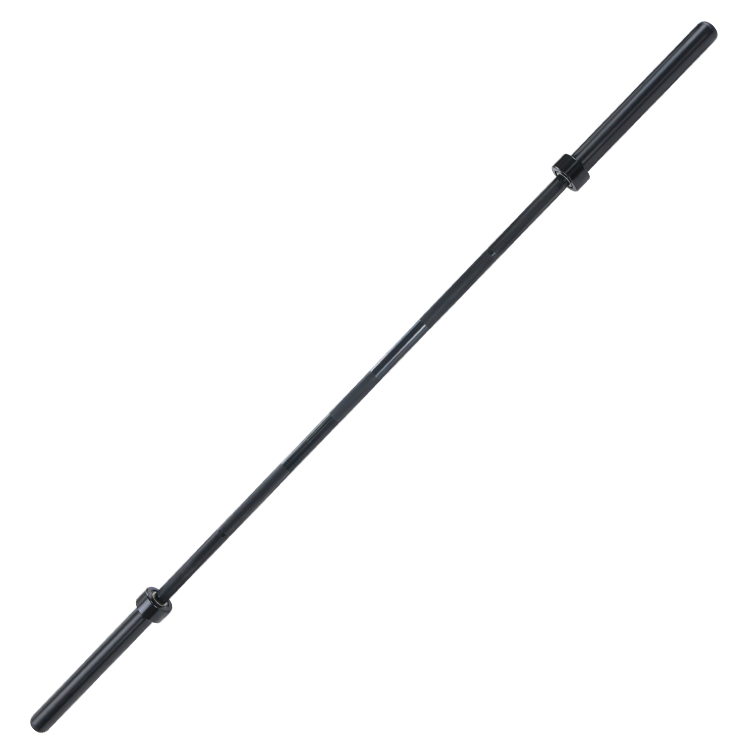
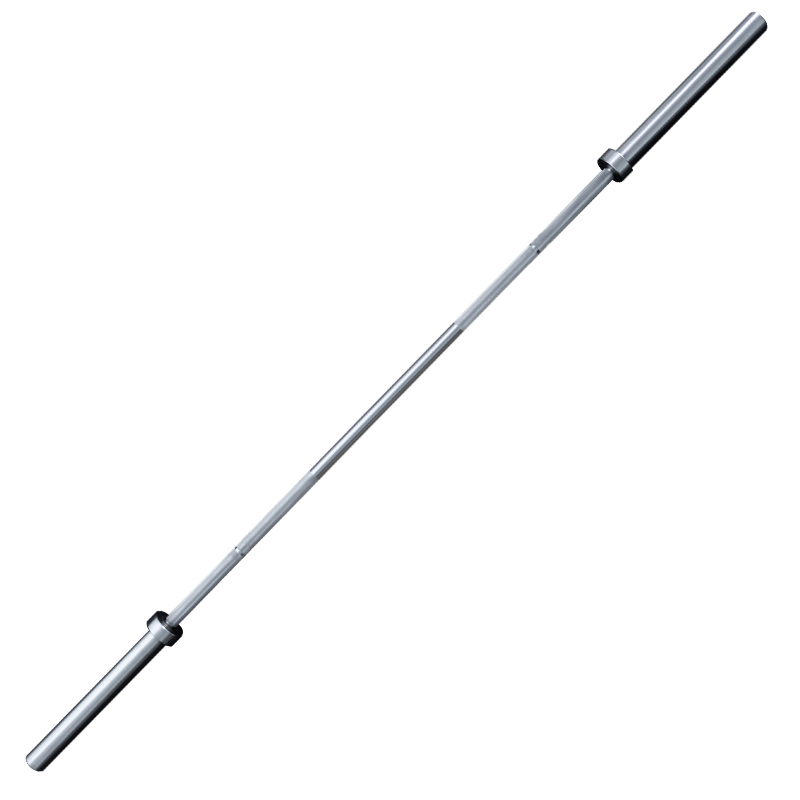
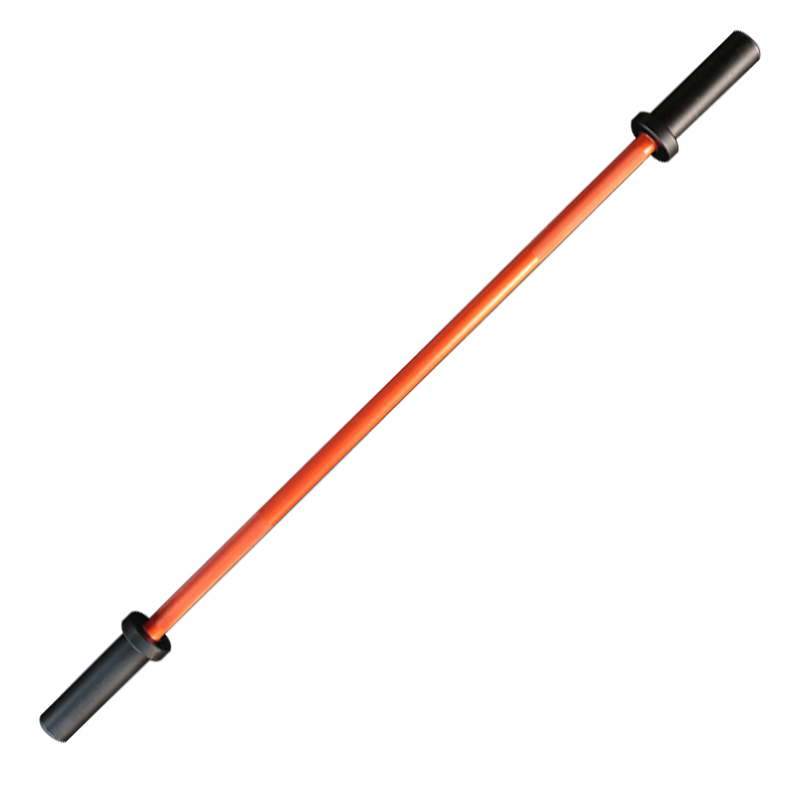
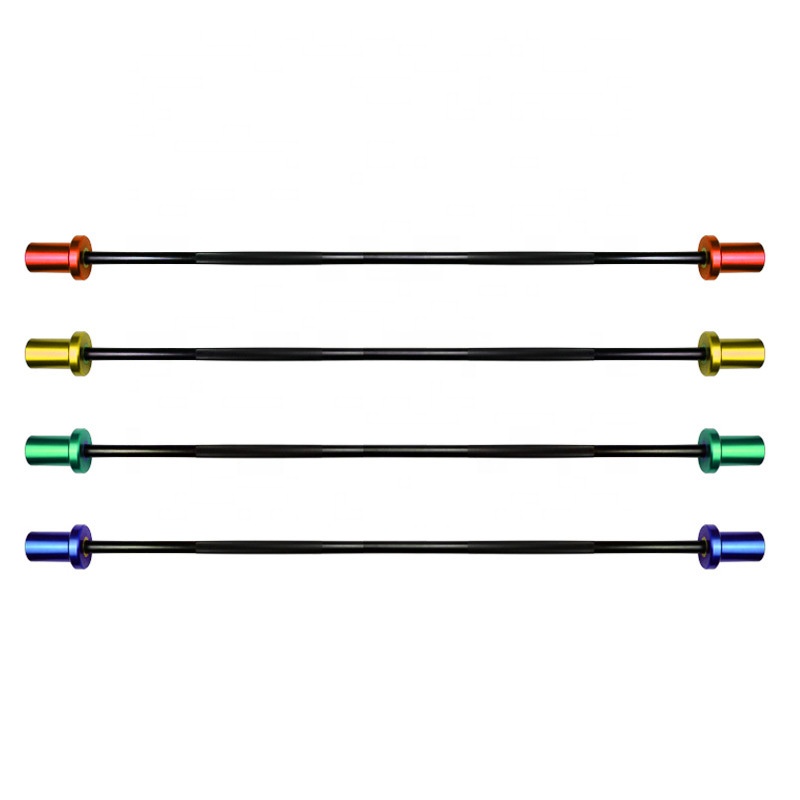
The market segments "top barbells" into distinct categories based on lifting discipline, each with its own engineering priorities. Weightlifting bars (for snatch and clean & jerk) prioritize aggressive knurling, maximum whip (flexibility), and rapid spin, with men's models at 28mm and women's at 25mm diameter. Powerlifting bars are designed for rigidity over flexibility, featuring a 29mm shaft, deeper knurling, and a center knurl mark for squat positioning, minimizing the whip to maintain stability during heavy squats and bench presses. Multi-purpose bars attempt to bridge these worlds, often with moderate knurling and whip, but true top-tier bars are typically specialized. This specialization influences price; premium weightlifting bars from renowned manufacturers can command prices exceeding $500-$800, reflecting the advanced materials and meticulous quality control required.
For commercial gym owners and serious collectors, the investment in top barbells is justified by their longevity and performance consistency. A premium bar, properly maintained, will retain its spin, knurling sharpness, and structural straightness for a decade or more, even under daily, heavy use. This contrasts sharply with budget bars, which may develop permanent bends, lose sleeve rotation, or have their knurling wear smooth within months. Additionally, top bars often come with documented load rating certifications and tight weight tolerances (+/- 1%), providing the accuracy necessary for competition preparation and precise programming. Selecting from the top tier is a commitment to quality that directly impacts athlete performance, safety, and the professional reputation of the facility.
Let our experts design the perfect gym solution for your business. Get a free consultation and quote today.