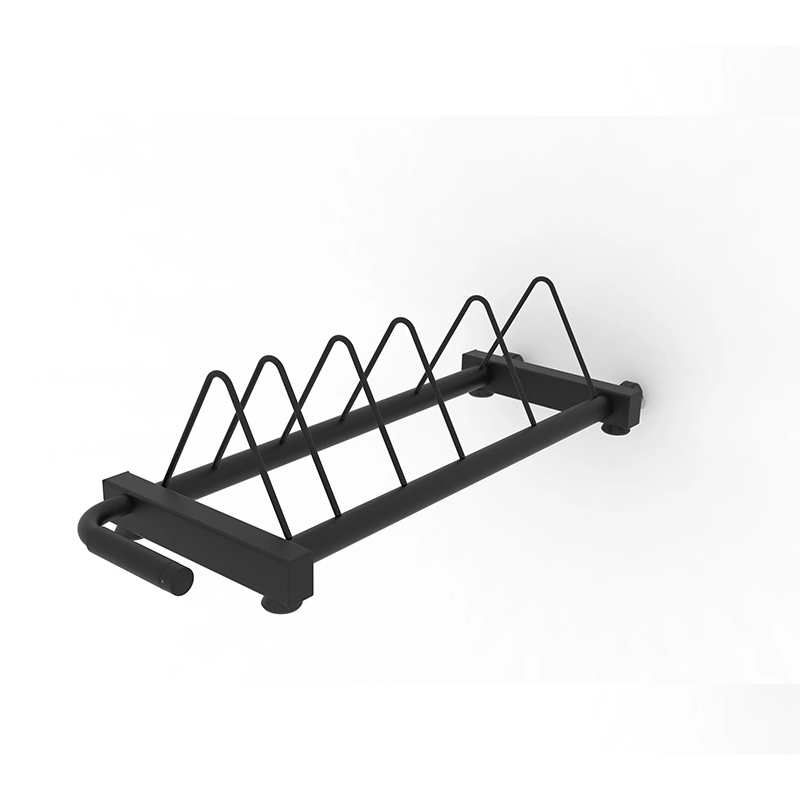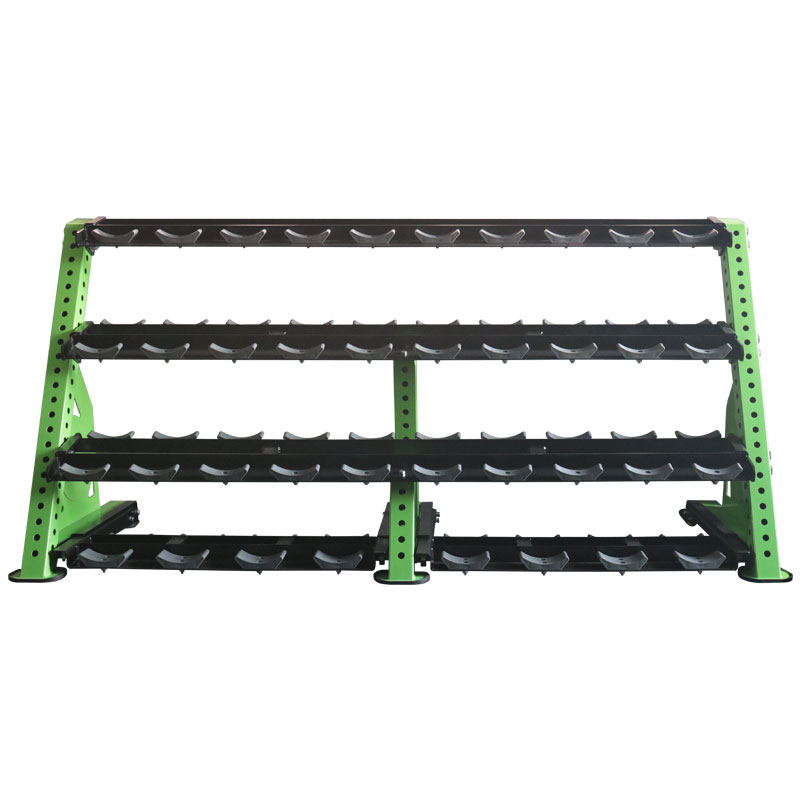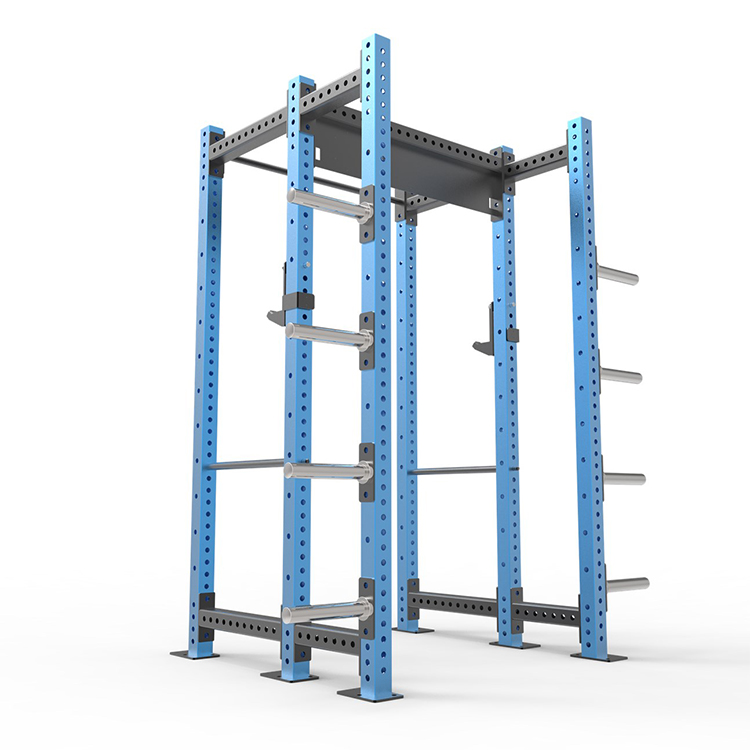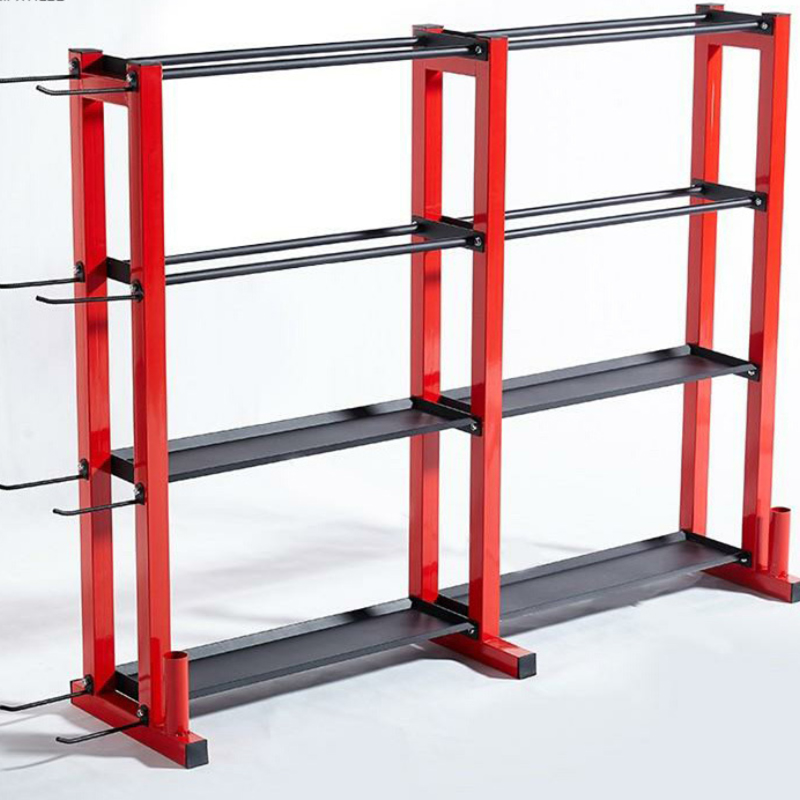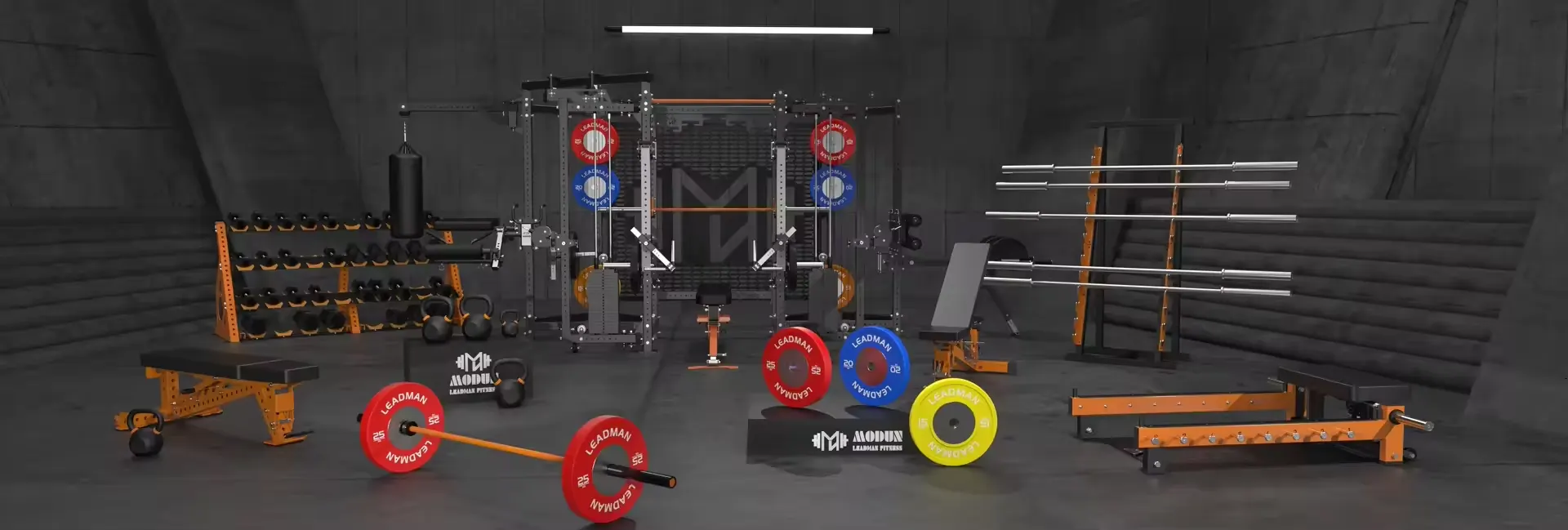
The gym equipment industry has experienced a significant transformation over recent years, moving beyond simple weight stacks and pin-loaded machines toward sophisticated, data-driven training systems. For commercial facility operators and procurement specialists, understanding the full spectrum of available equipment—from traditional strength apparatus to emerging smart technologies—is essential for making informed capital investment decisions. The contemporary fitness landscape demands equipment that not only delivers effective training outcomes but also integrates seamlessly with facility management software, enhances member engagement, and demonstrates measurable return on investment through improved retention and utilization metrics.
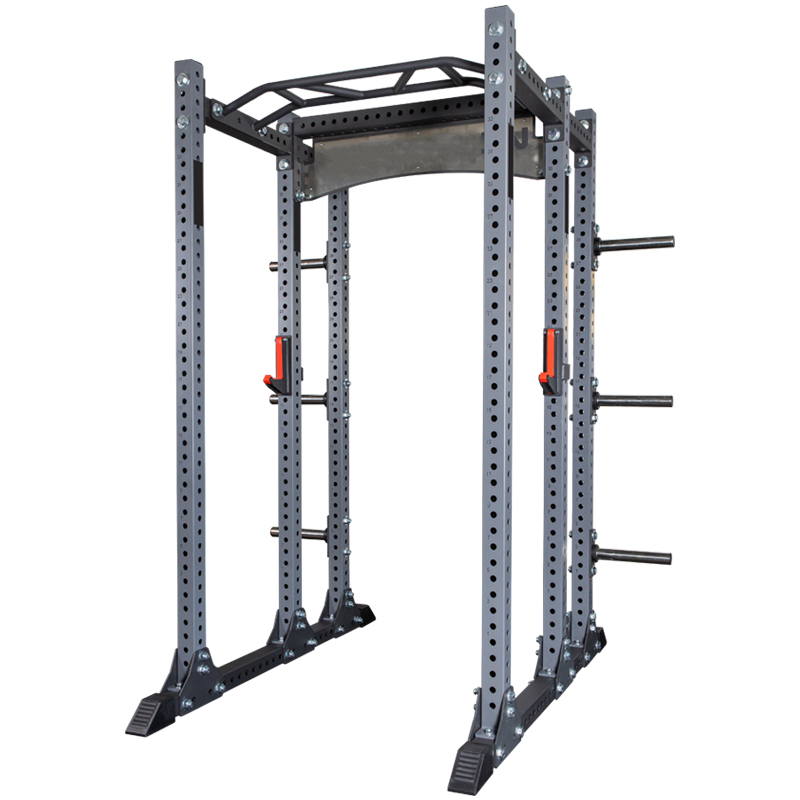
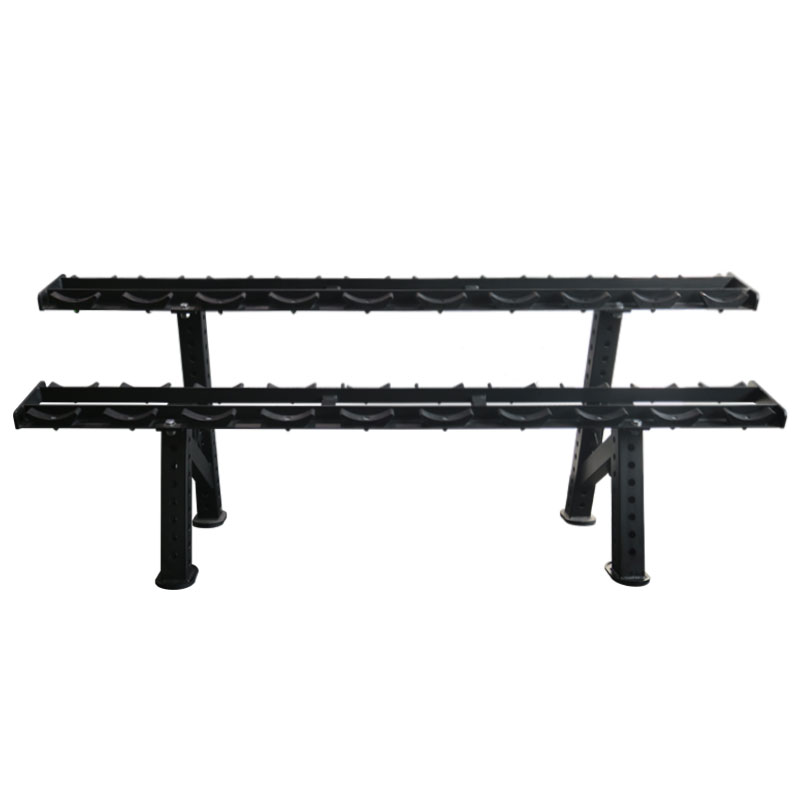
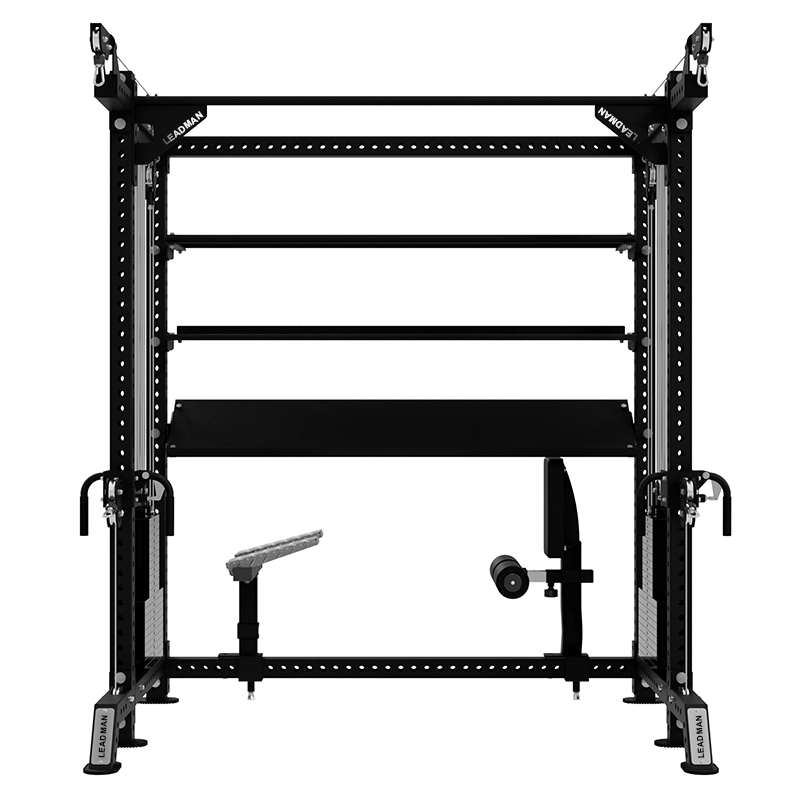
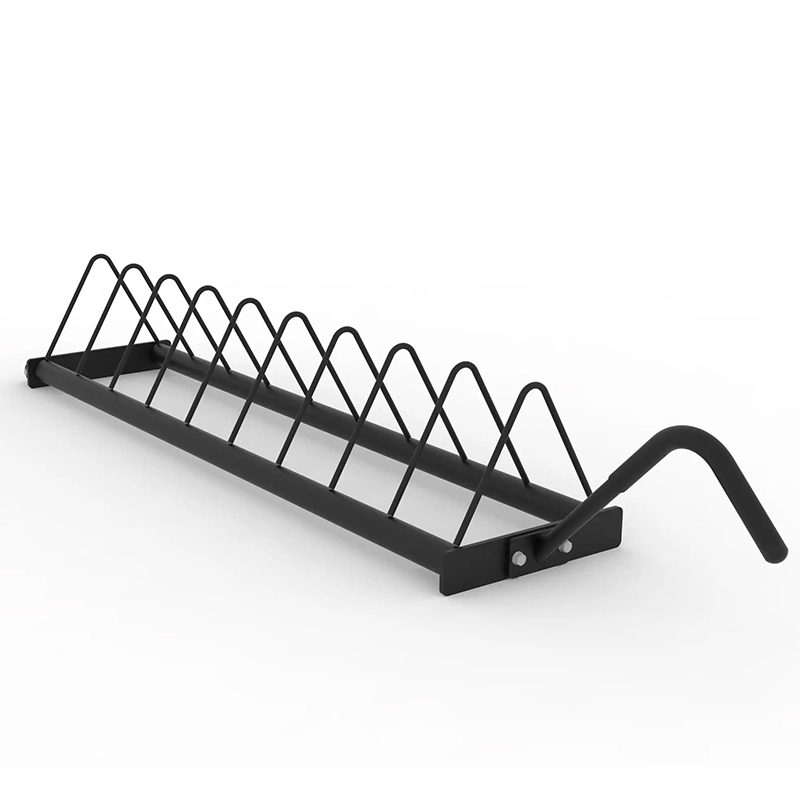
From a procurement perspective, the gym equipment ecosystem can be segmented into distinct categories, each serving specific training modalities and member demographics. Strength equipment encompasses everything from selectorized machines—featuring weight stacks with pin-selected resistance—to plate-loaded apparatus and functional training systems. Selectorized machines offer member familiarity and ease of use, with commercial-grade units typically featuring 300-500lb weight stacks and ergonomic cam designs that replicate natural strength curves. Plate-loaded equipment appeals to more experienced lifters seeking progressive overload, with heavier construction tolerances and greater resistance ranges. Free weights—dumbbells, barbells, and kettlebells—remain essential for foundational strength training, offering unparalleled movement versatility. Cardiovascular equipment, including treadmills, ellipticals, and stationary cycles, now often incorporates screen-based entertainment and performance tracking to enhance member experience and workout adherence.
The operational considerations for gym equipment selection extend beyond individual machine specifications to include comprehensive facility planning and lifecycle management. Equipment layout must accommodate traffic flow patterns, provide adequate clearance for exercise execution, and ensure compliance with accessibility regulations. Maintenance protocols should address both routine servicing—lubrication, cable replacement, and pulley alignment—and reactive repair needs, with equipment uptime being a primary operational metric. For facilities planning significant equipment investment, establishing relationships with suppliers offering comprehensive warranties and responsive technical support is essential for minimizing downtime and maximizing equipment longevity.

Let our experts design the perfect gym solution for your business. Get a free consultation and quote today.