To supply gym equipment successfully—whether as a manufacturer, distributor, or full-service vendor—requires managing sourcing, quality assurance, logistics, and after-sales support as an integrated system. Unlike one-off product sales, equipment supply involves ongoing relationships with commercial operators who depend on uptime, safety, and predictable replacement cycles.
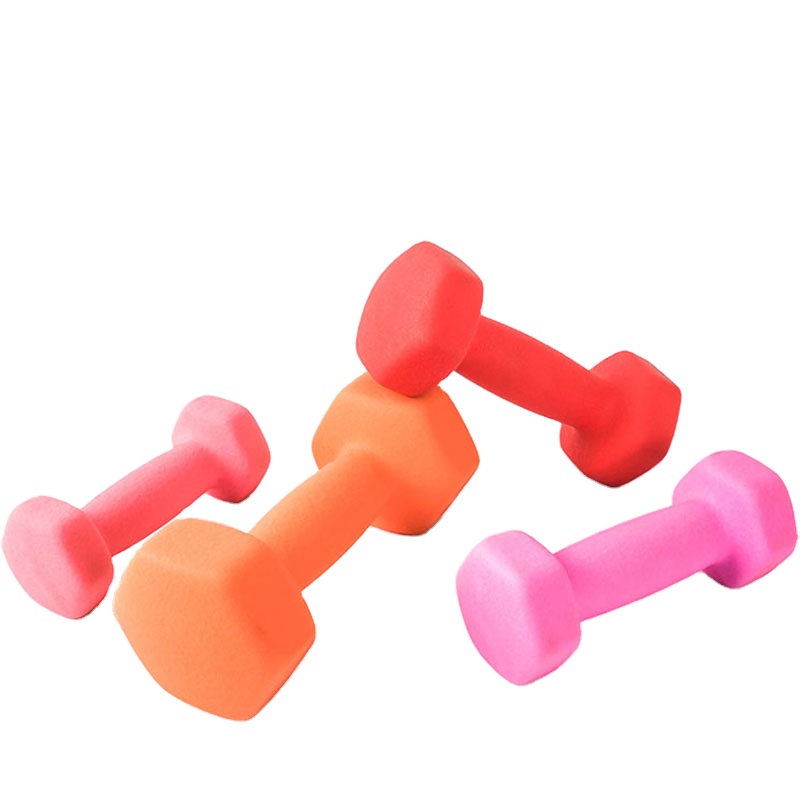
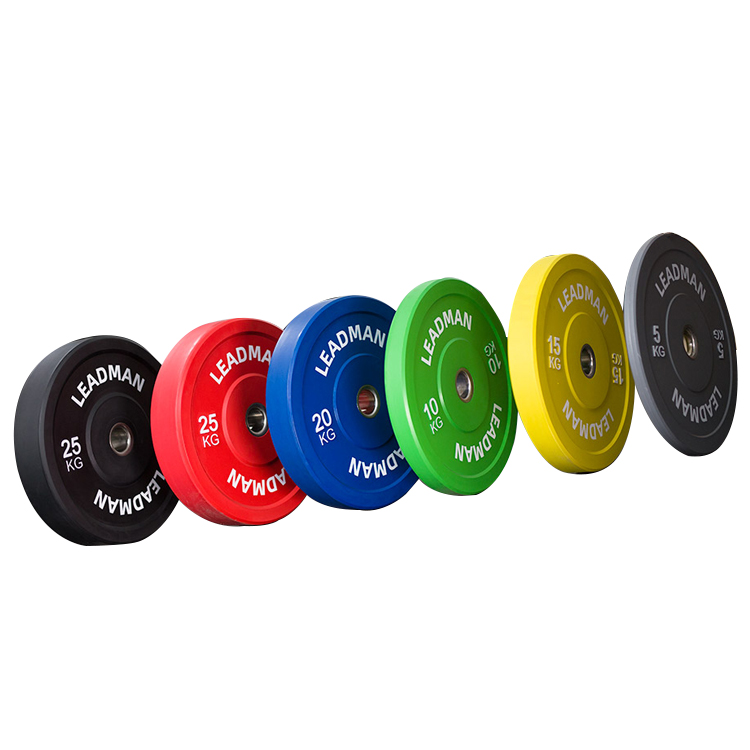
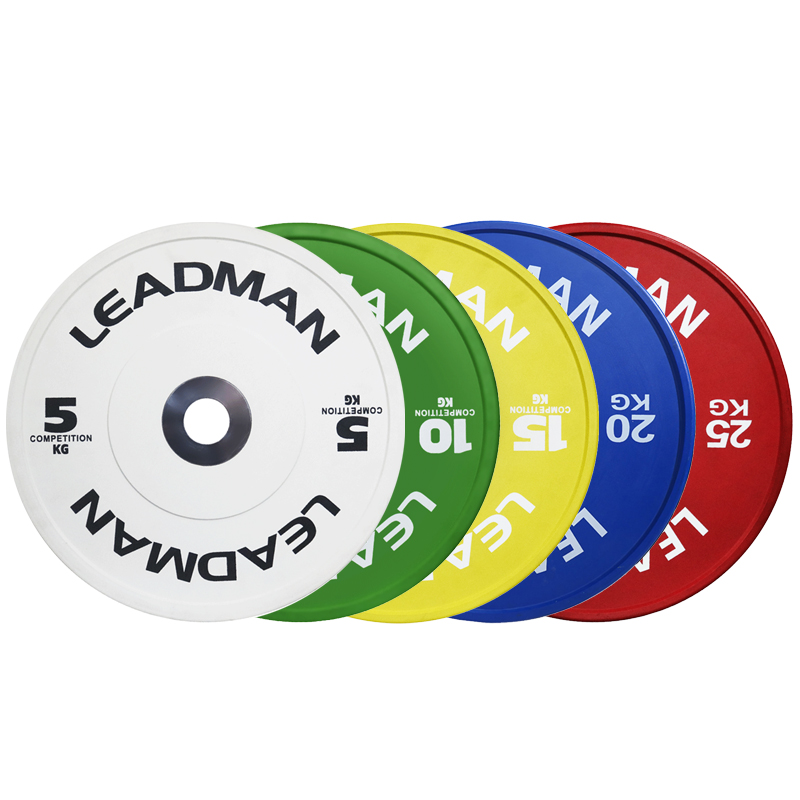
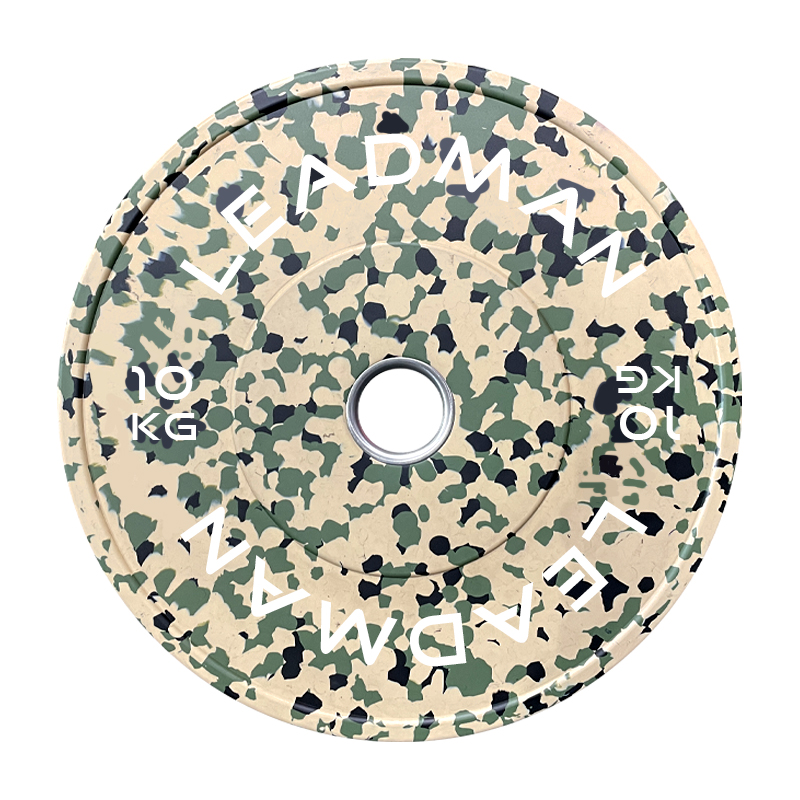
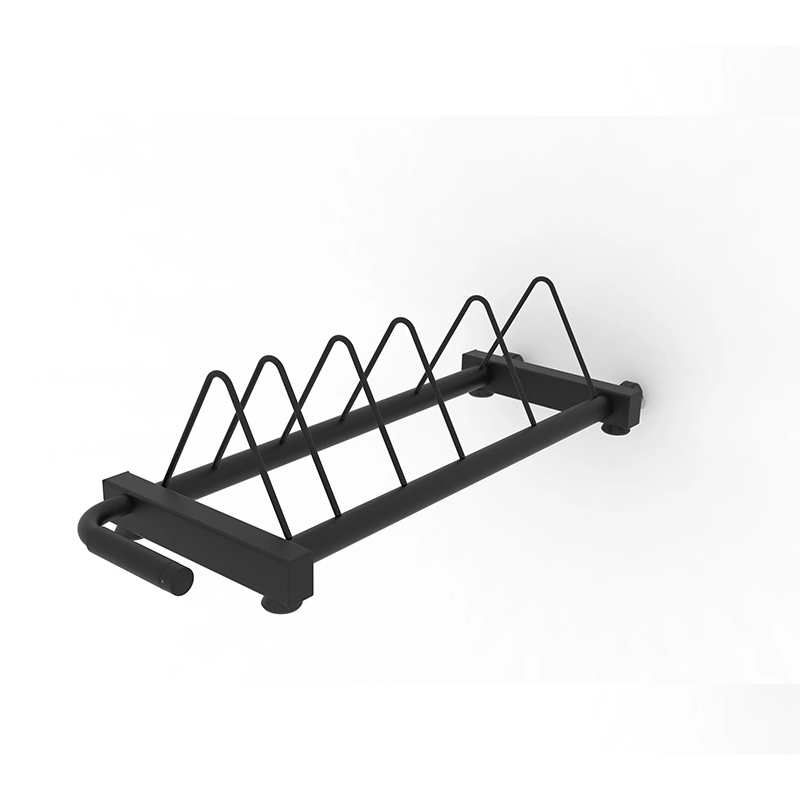
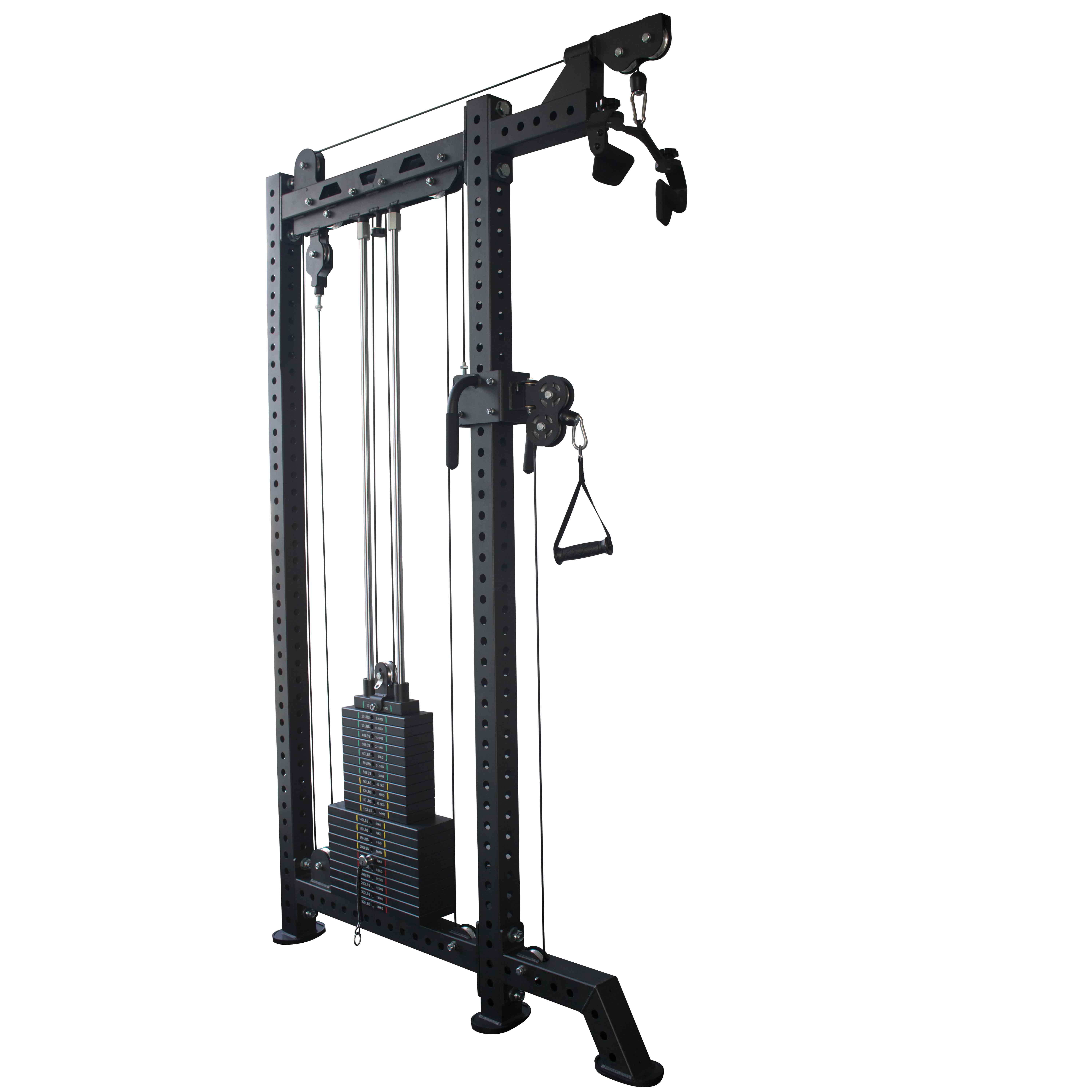
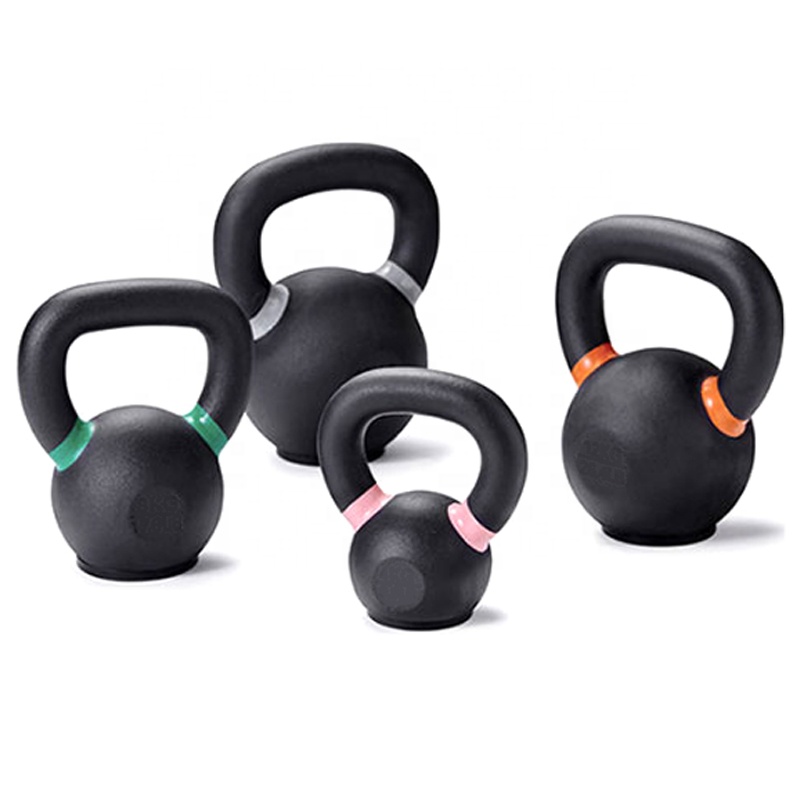
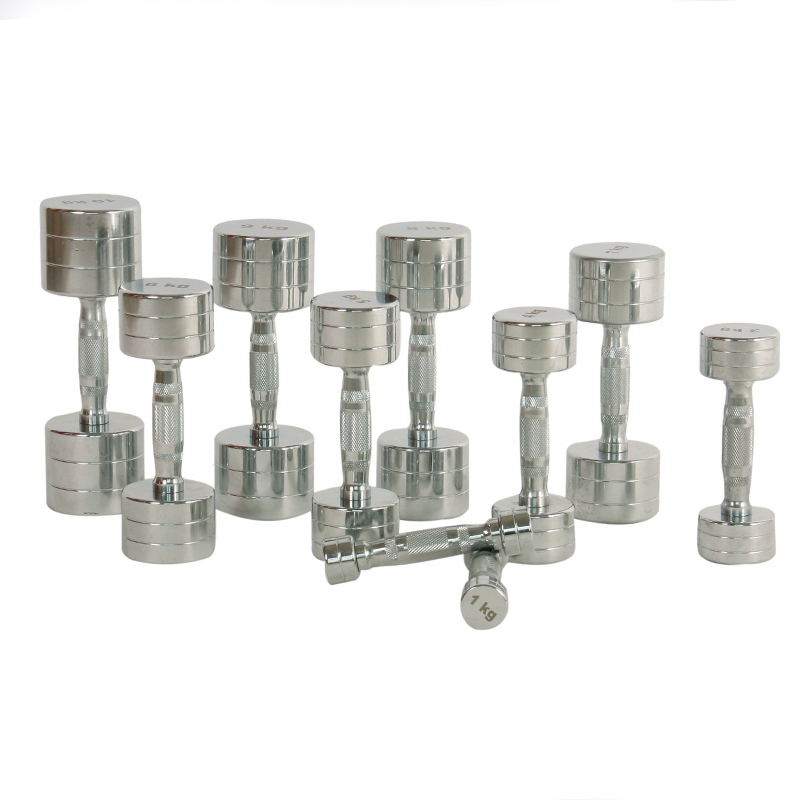
The operational backbone of gym equipment supply is inventory stratification and demand forecasting. High-volume items (rubber hex dumbbells, Olympic plates, weight benches) require regional warehousing to meet 24-48 hour B2B delivery expectations. Low-volume, high-complexity items (selectorized machines, plate-loaded leg presses, functional trainers) are typically made-to-order with 4-8 week lead times. Suppliers who fail to separate these categories risk either stockouts of popular SKUs or capital tied up in slow-moving specialty equipment. A 2023 distribution study found that suppliers using demand forecasting software reduced stockouts by 34% and inventory carrying costs by 18%.
Industry data reveals that equipment suppliers with integrated value-added services achieve 2-3x higher customer retention. Basic suppliers offer only product delivery. Mid-tier suppliers add assembly, installation, and basic maintenance training. Premium suppliers provide space planning, equipment layout CAD services, financing options, and scheduled preventive maintenance programs. A survey of 500 gym owners indicated that 72% would pay 15-20% higher prices for a supplier offering installation and 12-month parts support compared to drop-ship only.
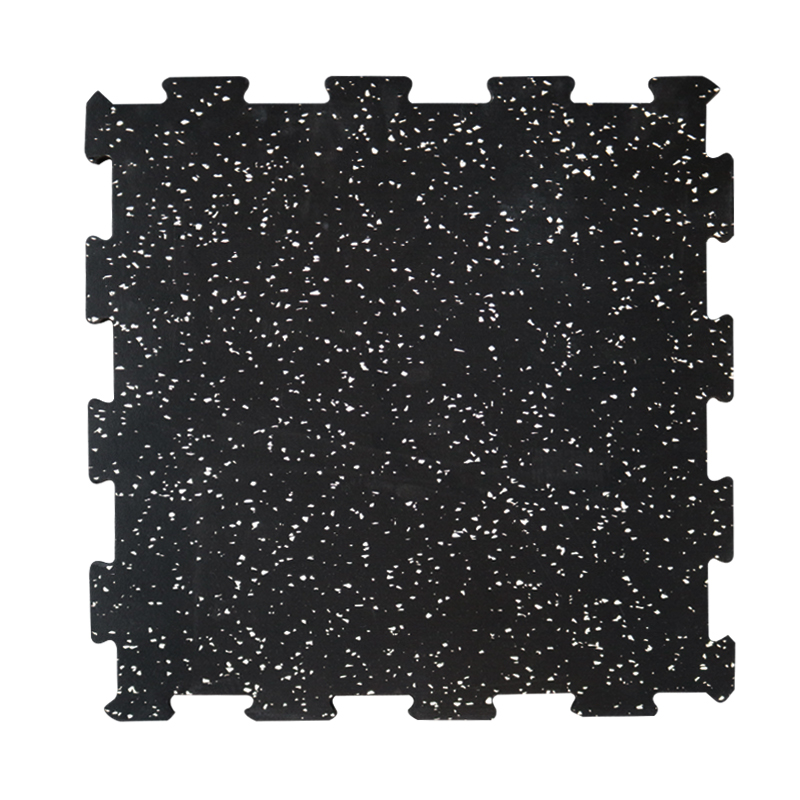
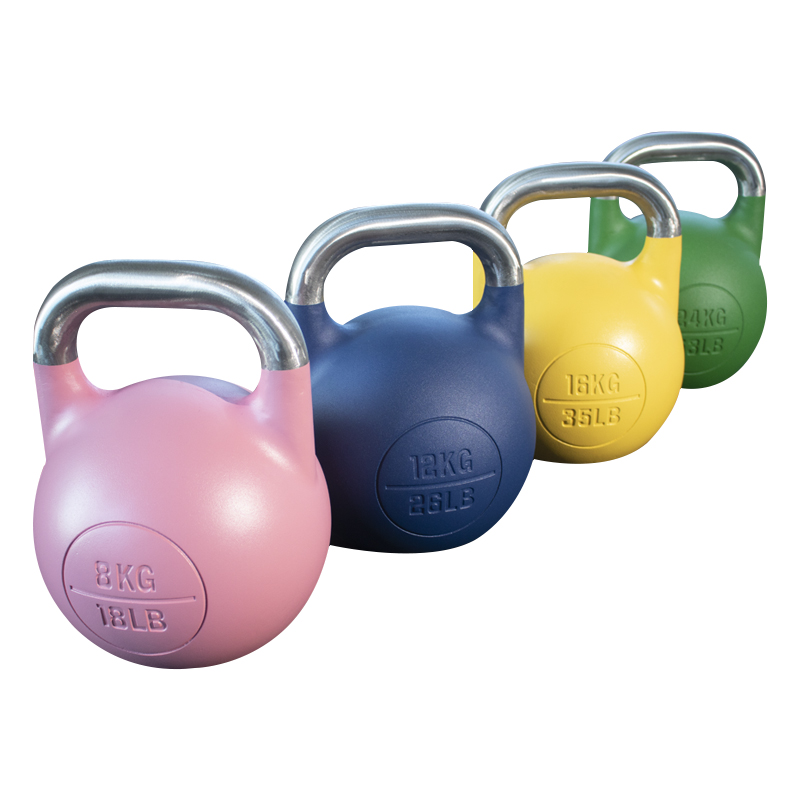
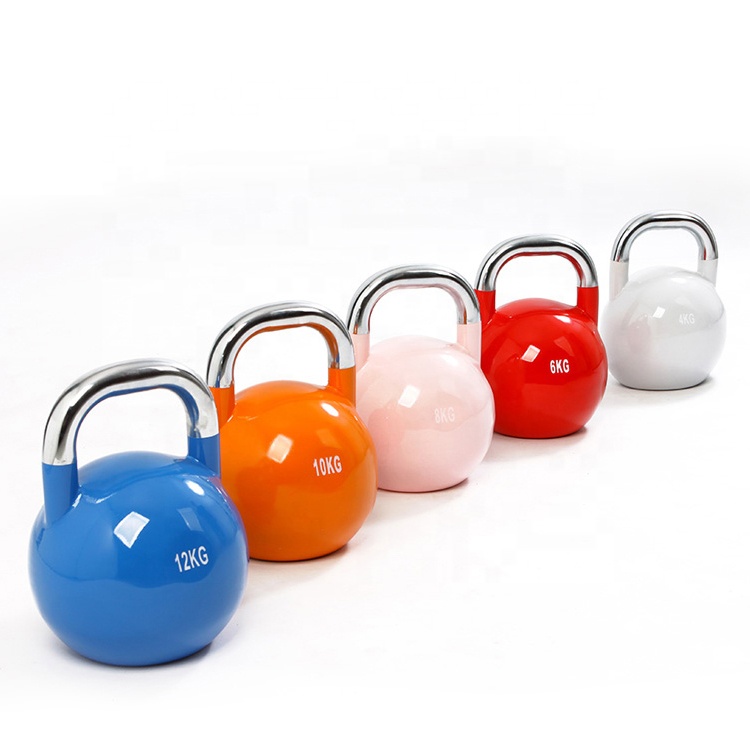
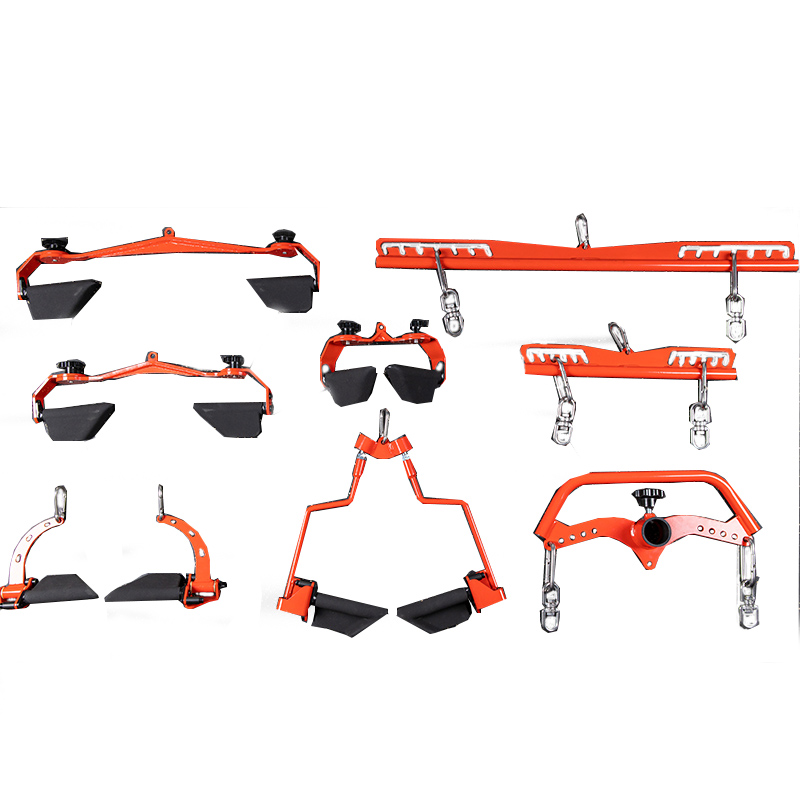
For buyers evaluating gym equipment suppliers—or for suppliers structuring their operations—assess four core capabilities. First, product breadth and depth: does the supplier cover cardio, strength, flooring, and accessories, or only narrow categories? Second, logistics network: do they operate regional hubs or ship everything from a single national warehouse? Third, compliance documentation: are EN, ASTM, or CE certificates available per product line? Fourth, post-sale support structure: is there a dedicated warranty team, spare parts inventory, and documented RMA process? For commercial buyers, request at least three facility references of similar size and type to your operation before committing. For suppliers, investing in CRM and parts-tracking systems yields measurable ROI through reduced service call times and improved reorder rates.

Let our experts design the perfect gym solution for your business. Get a free consultation and quote today.