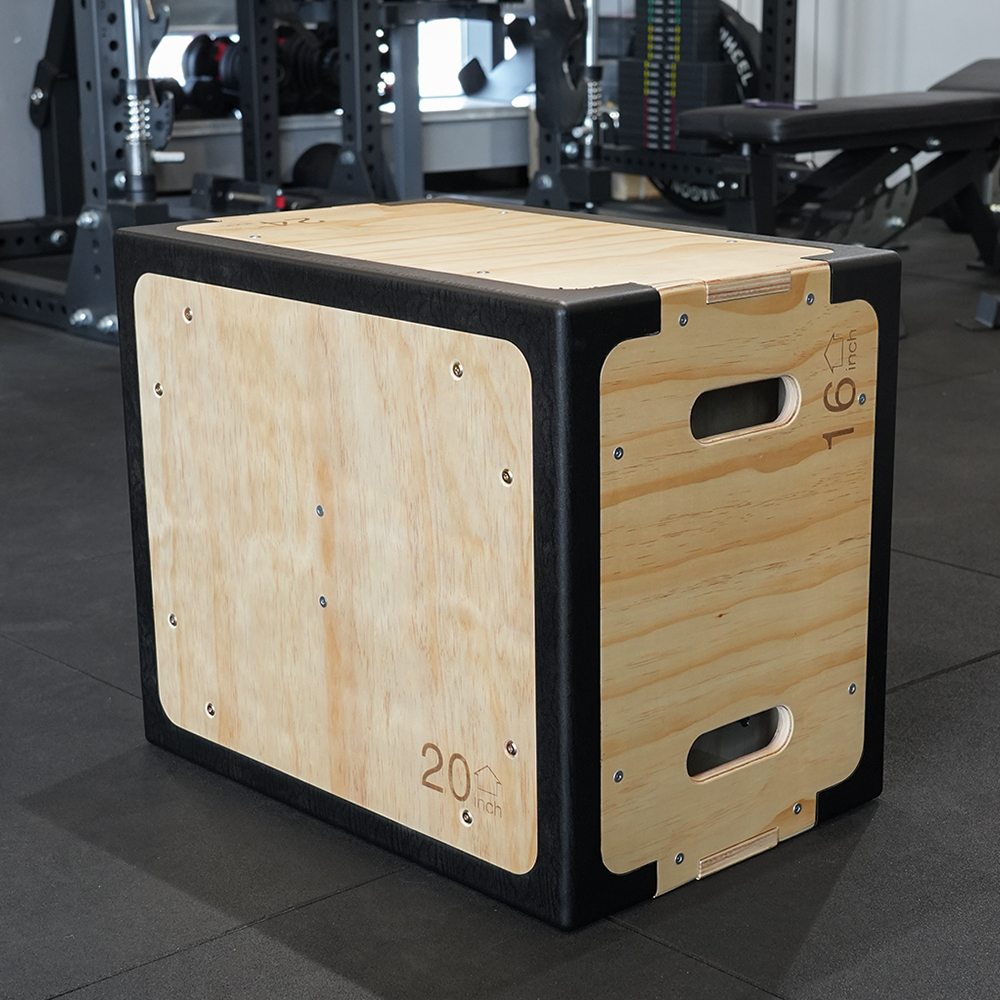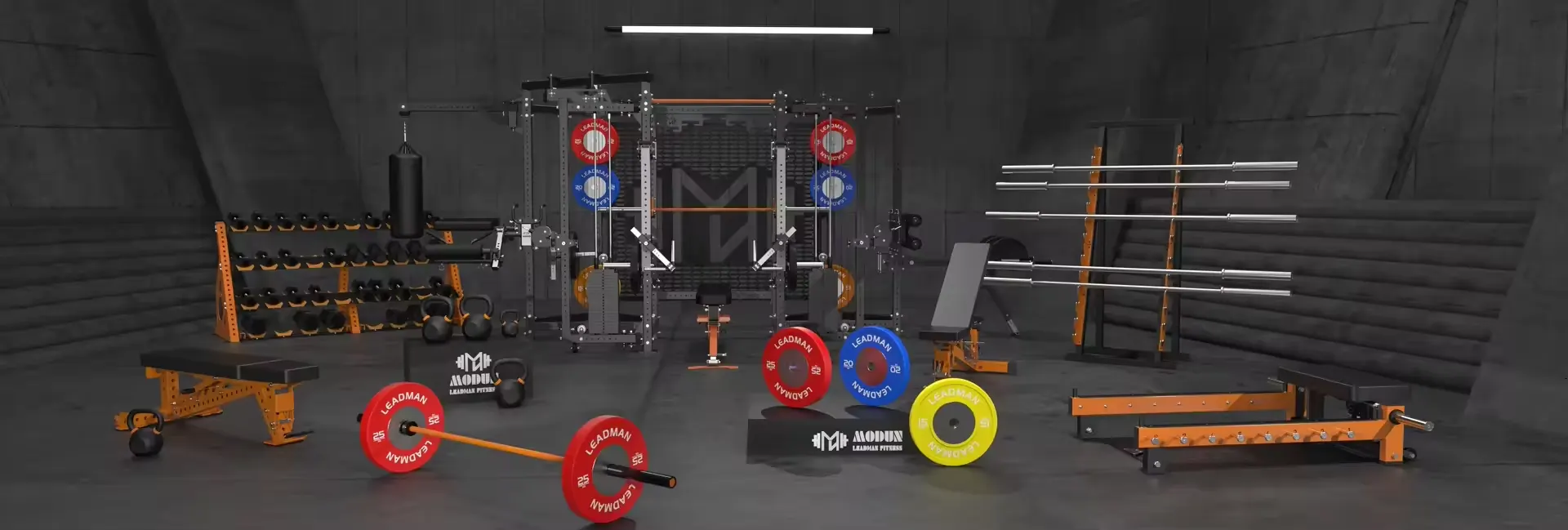
In the competitive world of commercial fitness, the strategic selection of strength gym equipment is a fundamental driver of member satisfaction and operational success. This category extends far beyond simple weights and benches, encompassing a sophisticated ecosystem of power racks, plate-loaded machines, functional trainers, and specialized strongman implements. The caliber of the equipment directly influences the facility's ability to attract and retain a diverse clientele, ranging from competitive powerlifters and Olympic weightlifters to general fitness enthusiasts seeking to build muscle and improve their overall health. A well-curated strength training floor signals to members that the facility is invested in their long-term success.
The engineering and construction of premium strength gym equipment are defined by the use of high-grade materials and precision manufacturing processes. Commercial-grade machines are fabricated from structural steel with a high tensile strength, often featuring a durable powder-coat finish to resist chipping and corrosion. Critical components, such as pivot points and load-bearing joints, are engineered with precision bushings or sealed bearings to ensure smooth, consistent movement patterns over millions of repetitions. This dedication to robust construction is not merely an aesthetic choice; it is a functional necessity that ensures the equipment can withstand the relentless demands of a high-traffic commercial environment without compromising performance or safety.
Biomechanical design is a cornerstone of effective strength gym equipment, ensuring that each machine accommodates natural joint movement and muscle activation. Machines are engineered to follow specific strength curves, optimizing resistance at the point of peak muscular contraction. This attention to biomechanics reduces the risk of injury by promoting proper form and minimizing undue stress on joints and connective tissues. The adjustability of features such as seat height, arm length, and starting position further enhances the equipment's versatility, allowing it to be tailored to a wide range of body types and training needs, thereby maximizing its utility for a diverse member base.
The role of strength gym equipment in fostering a professional training environment extends to its aesthetic impact. Equipment that is visually cohesive, featuring consistent color schemes and clean lines, contributes to a polished and inviting atmosphere. Facilities can further leverage this by incorporating equipment with customizable branding options, such as logo plaques or color-matched upholstery, reinforcing brand identity throughout the gym floor. This visual consistency not only enhances the member experience but also serves as a powerful marketing tool, projecting an image of quality and professionalism.
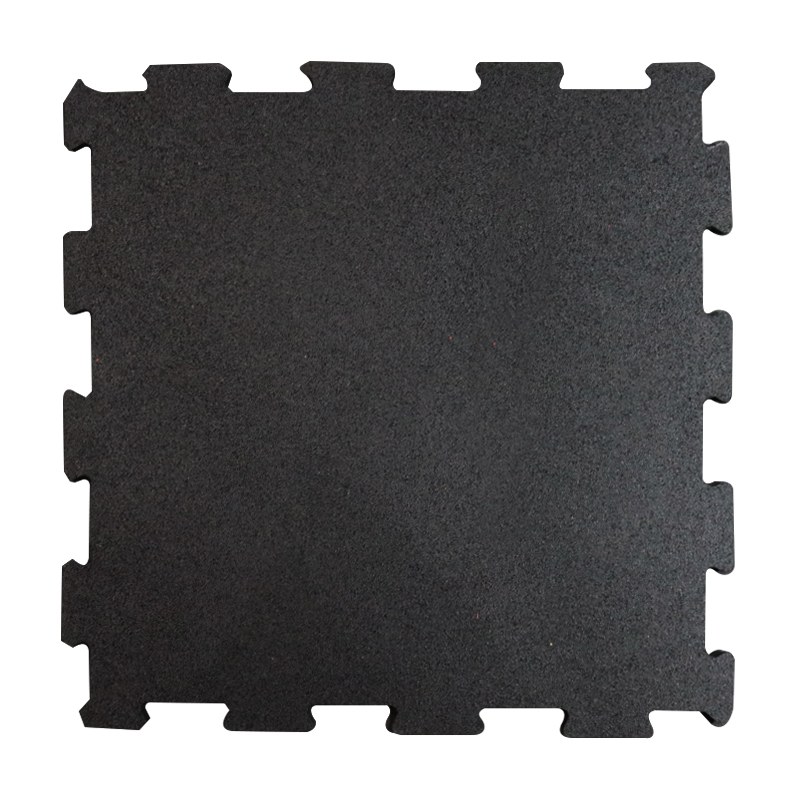
The strategic investment in strength gym equipment also necessitates a comprehensive understanding of facility layout and space optimization. Effective floor planning ensures that equipment is organized to promote a logical workout flow, minimize congestion, and provide adequate clearance for safe movement. This includes the strategic placement of mirrors, the selection of appropriate flooring to protect against dropped weights, and the integration of functional training zones. By prioritizing these considerations, gym operators can create an environment that is both functional and inspiring, encouraging members to achieve their fitness goals.
Let our experts design the perfect gym solution for your business. Get a free consultation and quote today.