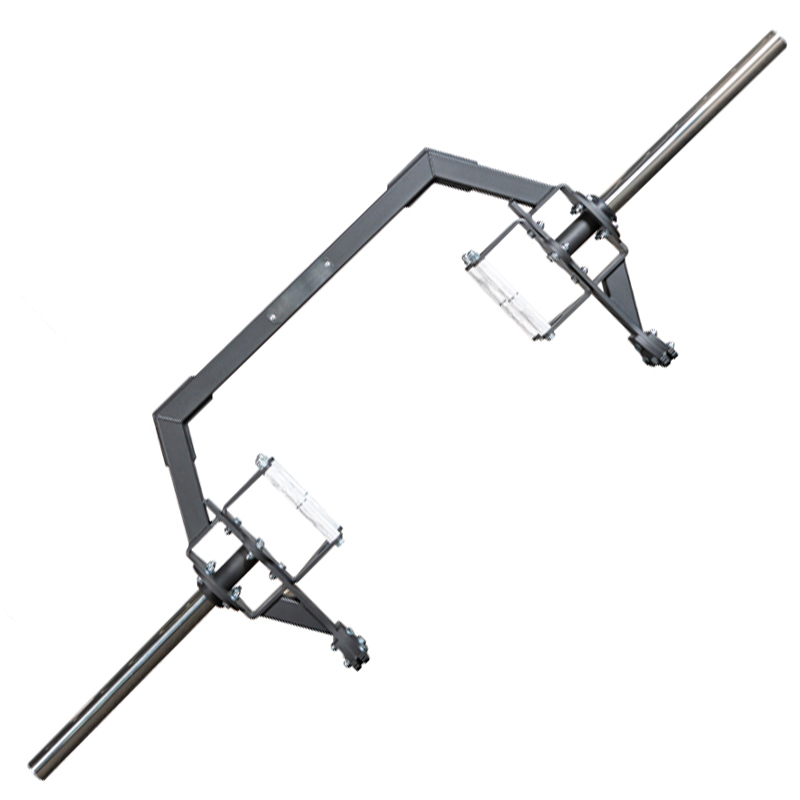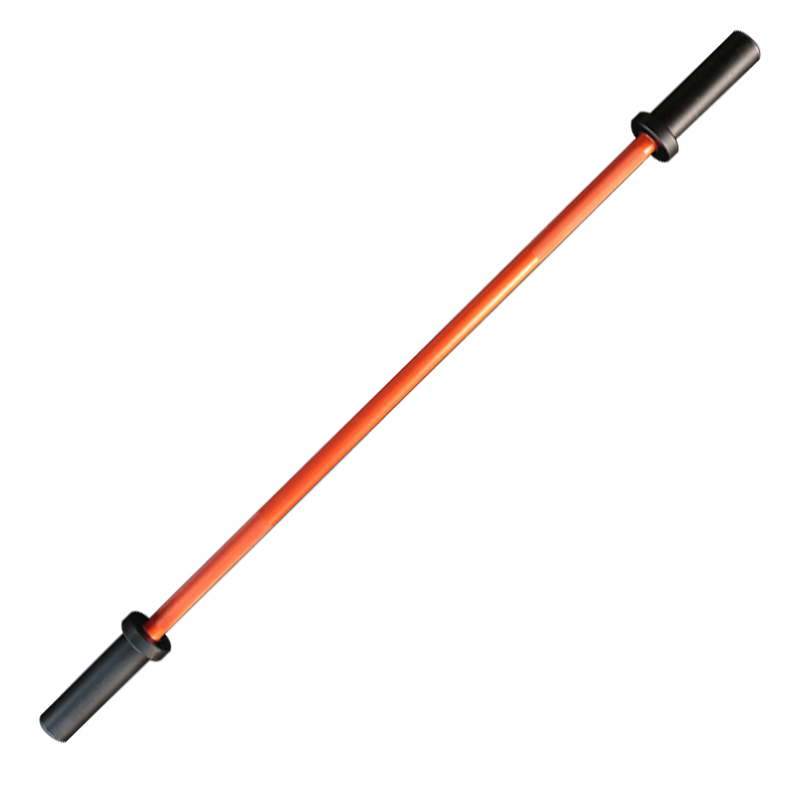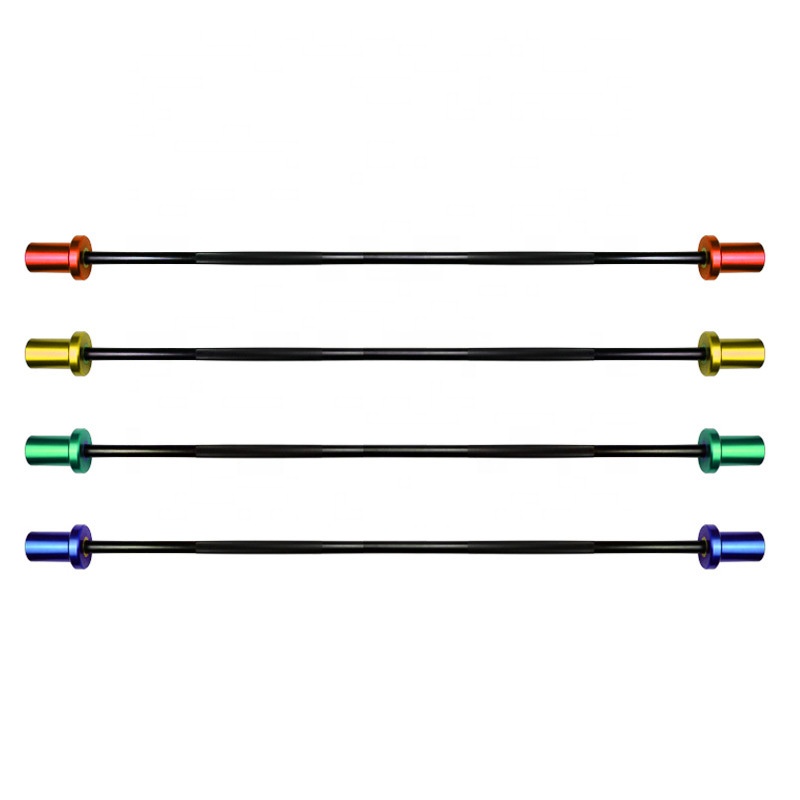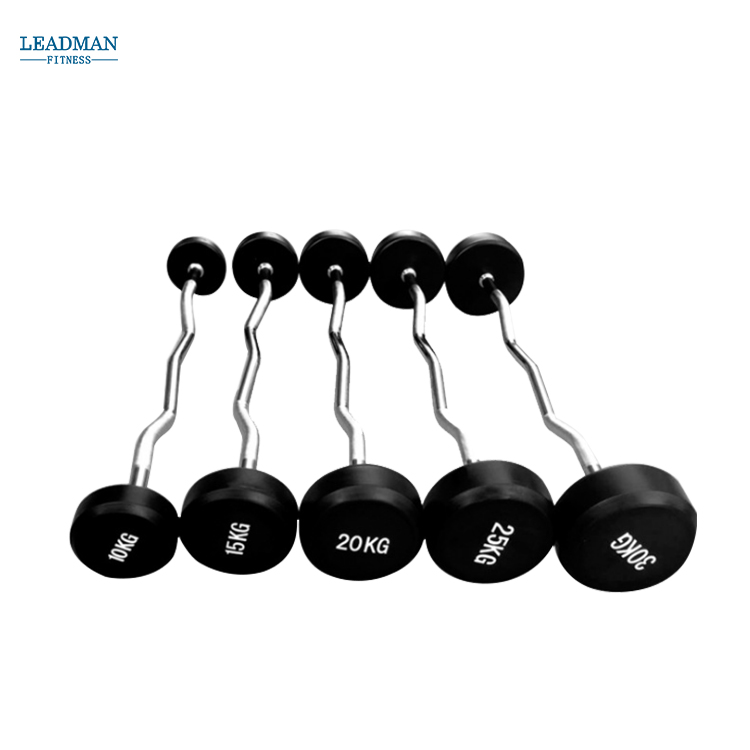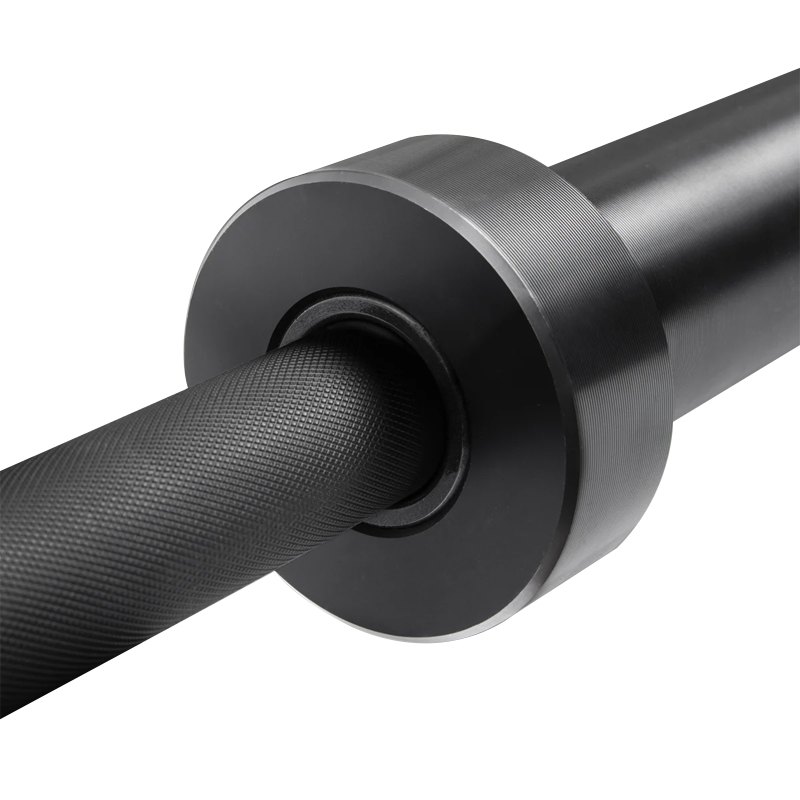
For strength coaches and athletes alike, the squat safety bar represents a paradigm shift in how heavy squatting is approached, particularly for individuals with shoulder mobility restrictions or those recovering from upper-body injuries. Unlike a traditional straight barbell, this specialized implement features a cambered design and a unique pad system that shifts the load to the lifter's hips and posterior chain, effectively bypassing the shoulders and wrists. The result is a squat that can be executed with a more upright torso, reducing shear forces on the lumbar spine while maintaining high loading intensity.
The engineering principles behind a robust squat safety bar are grounded in biomechanical load distribution. The bar's signature forward-curved handle configuration allows the lifter to grip the handles at chest height, with the arms acting as passive stabilizers rather than primary weight-bearing structures. This design redistributes a significant portion of the barbell's weight away from the cervical spine and brachial plexus, areas particularly vulnerable to compression injuries in conventional squats. Research published in the Journal of Sports Rehabilitation suggests that the safety bar can reduce shoulder flexion torque by over 40%, making it an indispensable tool for athletes managing chronic overhead impingement.
Structural integrity remains paramount, given the heavy loads involved in safety bar training. Commercial squat safety bar models typically feature a solid steel shaft—often with a tensile strength exceeding 200,000 PSI—paired with a durable urethane or high-density foam pad that distributes pressure evenly across the trapezius muscle. The pad's density directly affects user comfort and stability; optimally, it should compress sufficiently to contour to the lifter's shoulders while maintaining enough rigidity to prevent excessive shifting during unracking and reracking phases.
An often-overlooked element is the bar's camber angle and depth. Progressive squat safety bar designs incorporate a deeper camber, ranging between 50 and 70 degrees, which lowers the center of gravity relative to the lifter's hips. This geometry enhances hip engagement and knee tracking, encouraging a more glute-dominant squat pattern. The handle width also warrants scrutiny—an optimal span between 28 and 32 inches accommodates varied shoulder widths and permits a neutral wrist position, reducing unnecessary torque at the hands and forearms.
Practical utility cements the squat safety bar's place in the modern commercial gym. Beyond its rehabilitative applications, the bar proves exceptionally beneficial for accommodating resistance training with bands or chains, as its unique shape provides ample clearance for looped attachments. Squat safety bars also serve as a gateway for athletes transitioning between high-bar and low-bar squats, offering an alternative that balances spinal mechanics with loading potential. For facility owners, investing in this implement expands the service offering for rehabilitation-minded clientele while providing advanced athletes with a novel stimulus to break through training plateaus.

Let our experts design the perfect gym solution for your business. Get a free consultation and quote today.