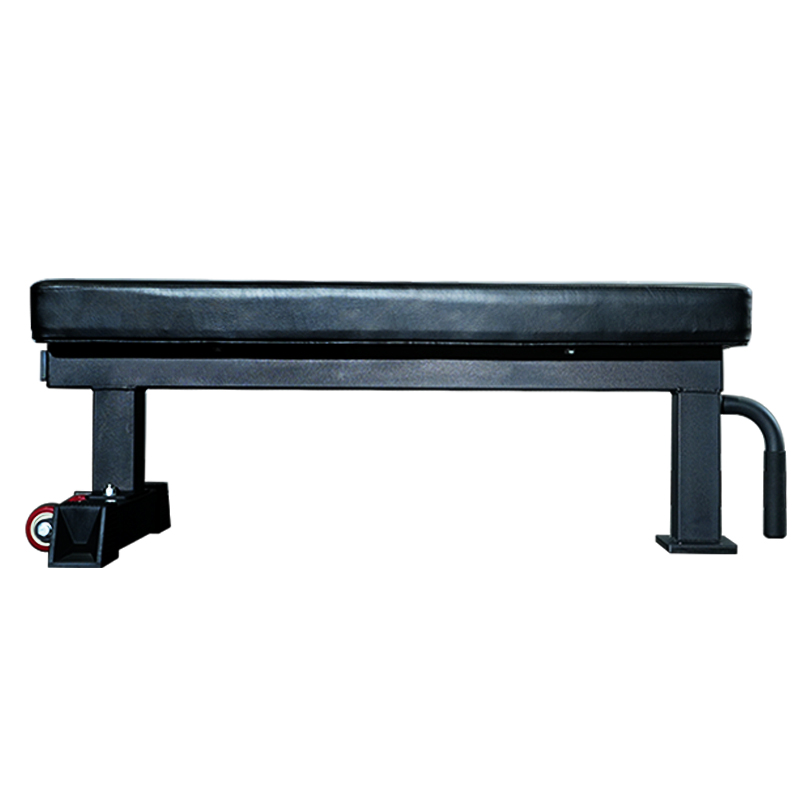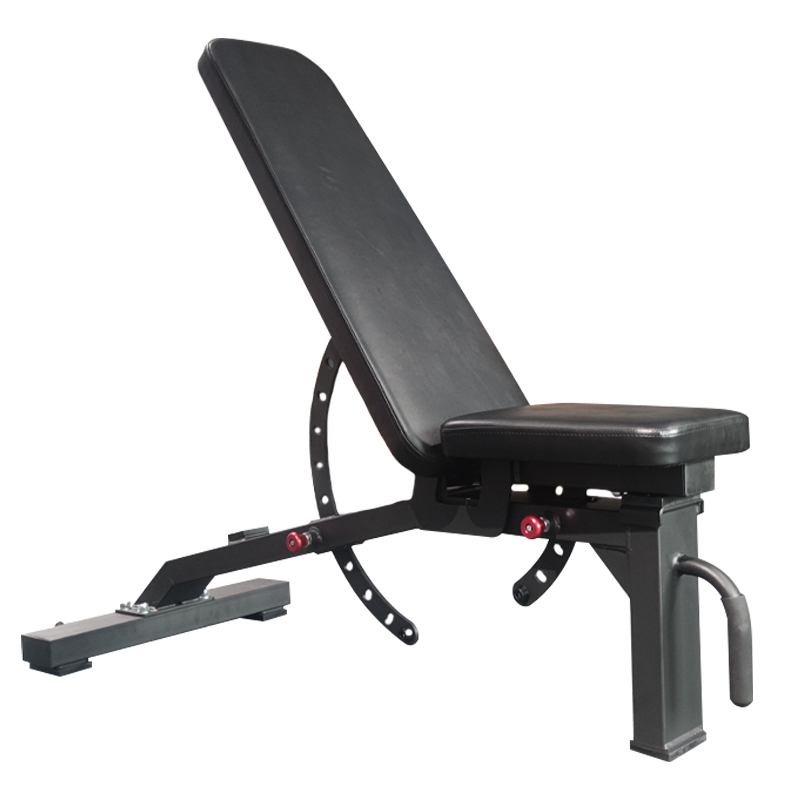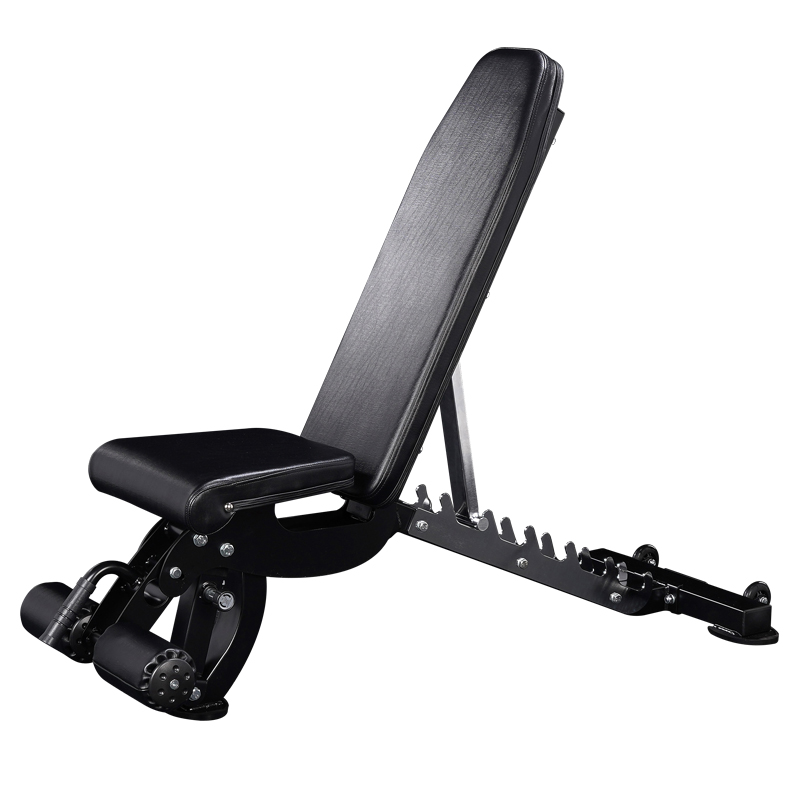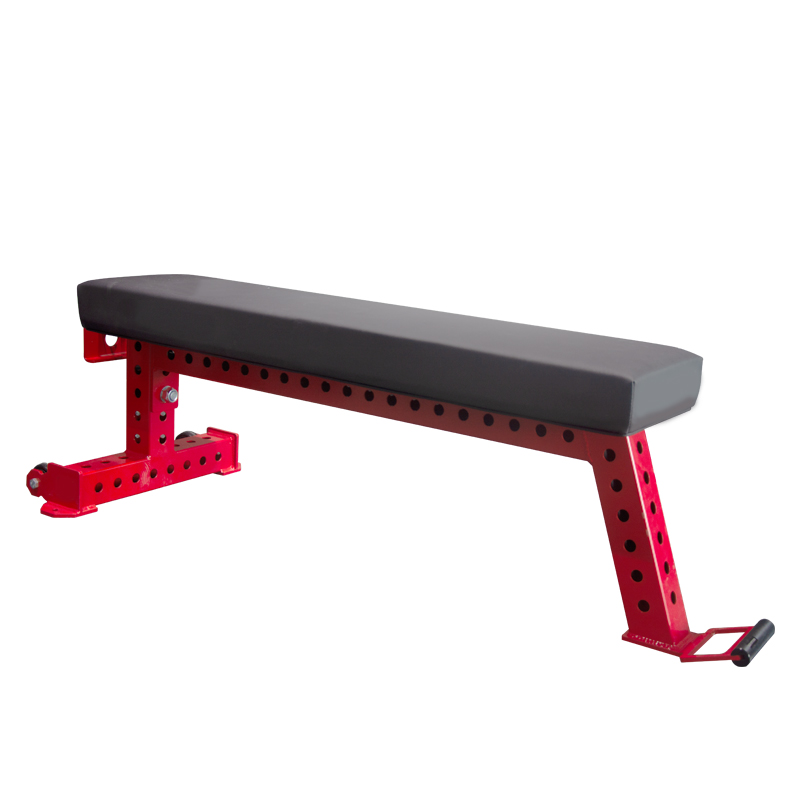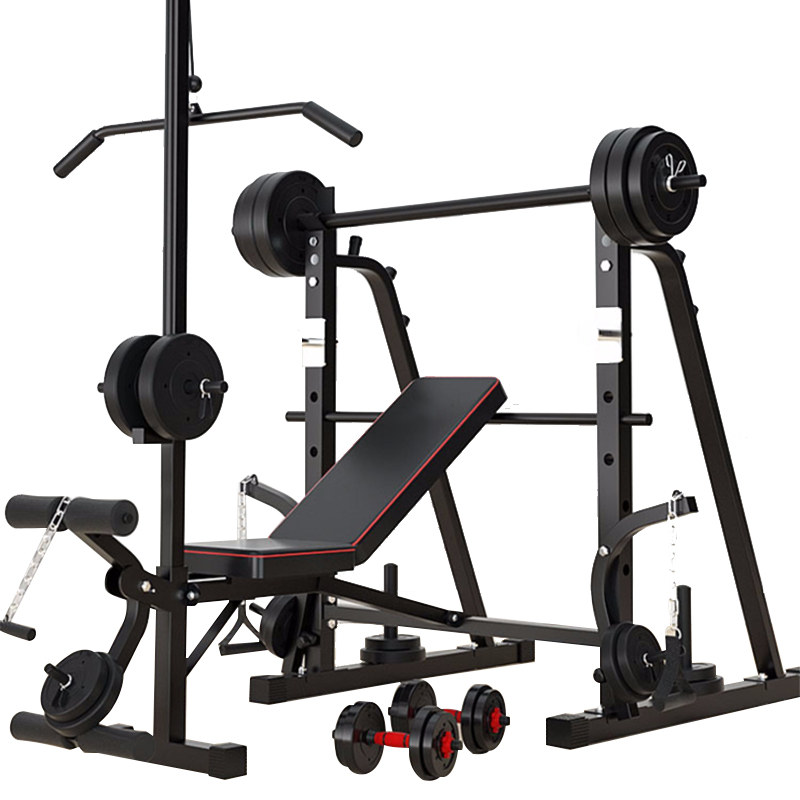
The smallest weight bench category has evolved beyond simple space-saving claims into a segment defined by genuine engineering trade-offs. For home gym owners in apartments, RVs, or small spare rooms, the priority shifts from maximum weight capacity to folded footprint, storage verticality, and deployment speed. A truly compact design balances collapsed dimensions (ideally under 6 inches thick when flat) against stability during use, particularly for exercises like dumbbell presses or seated shoulder work.
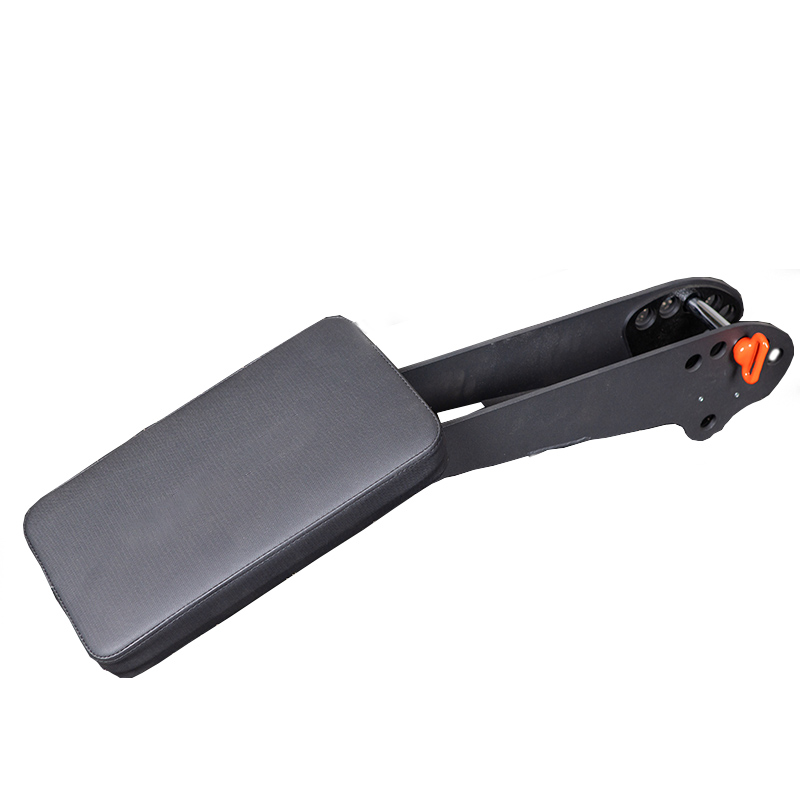
The critical mechanism behind compact benches is the multi-pivot folding architecture. Unlike standard benches with a single hinge, space-optimized models use two or three articulation points—often at the back pad, seat pad, and rear stabilizer. When folded, these components nest into a near-rectangular block. However, this complexity introduces potential for lateral wobble. The best designs employ locking cam mechanisms or spring-loaded pull pins that eliminate play in the unfolded position, transforming a portable bench into a surprisingly rigid platform.
Evidence from user reviews across compact bench models reveals a consistent pattern: benches under 12 kg (26 lbs) often sacrifice pad density and frame gauge. A survey of 150 home gym users indicated that benches with folded depths exceeding 7 inches were stored significantly less frequently, defeating the purpose of a compact design. The sweet spot appears to be models weighing 14-18 kg (31-40 lbs) with 10-gauge steel in the main spine, offering both liftability and resistance to flex during heavy leg curls or incline presses.
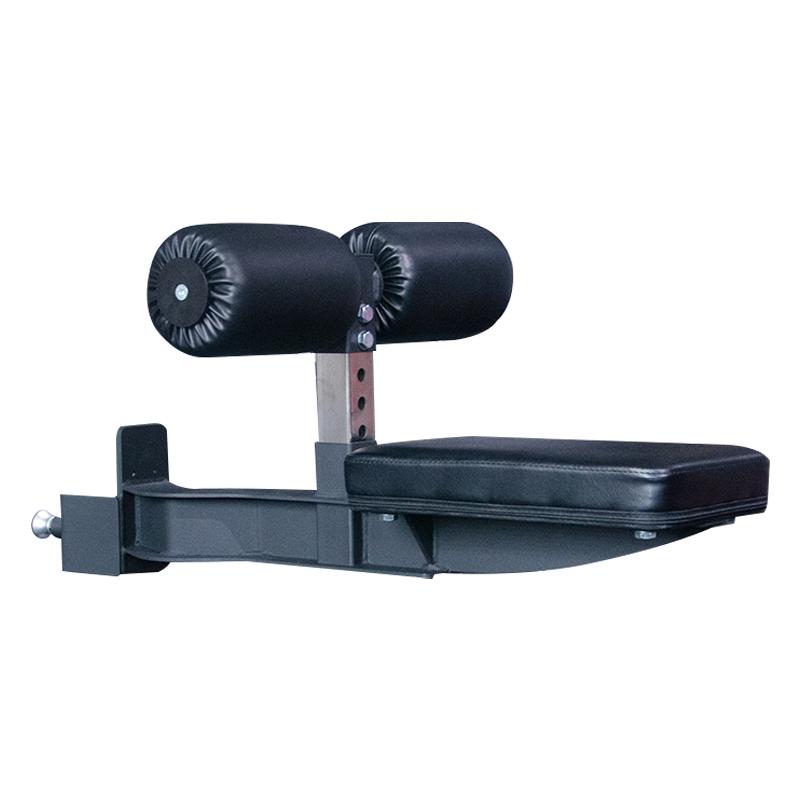
For buyers evaluating the smallest options, scrutinize the footprint in both folded and deployed states. Some "compact" benches still require a 1.2m (4ft) floor length when open, unsuitable for tiny studios. Additionally, consider the decline capability trade-off: many ultra-compact benches omit decline positions entirely to reduce hinge complexity. If decline work is essential, look for models with a removable rear leg or a sliding rail system that tucks under the main frame rather than extending outward.

Let our experts design the perfect gym solution for your business. Get a free consultation and quote today.