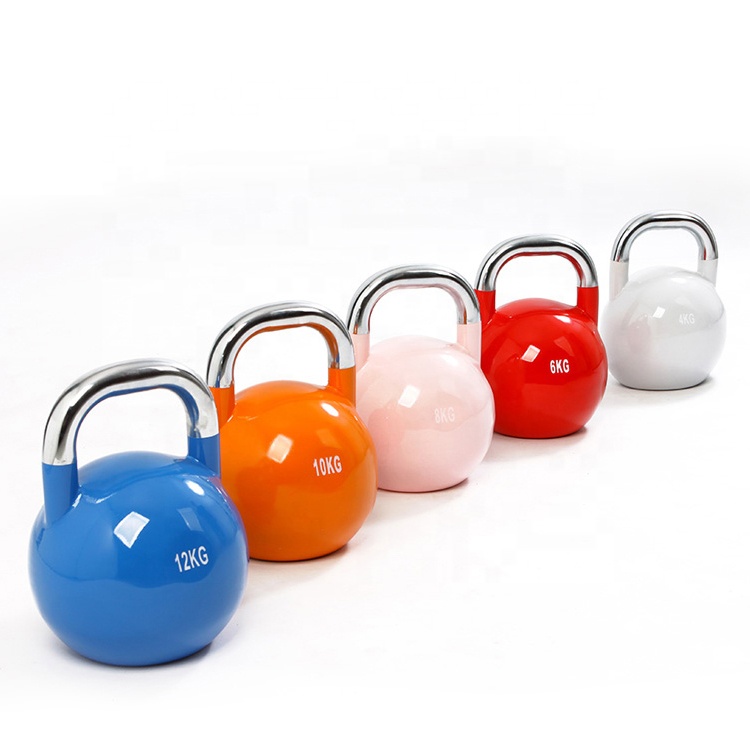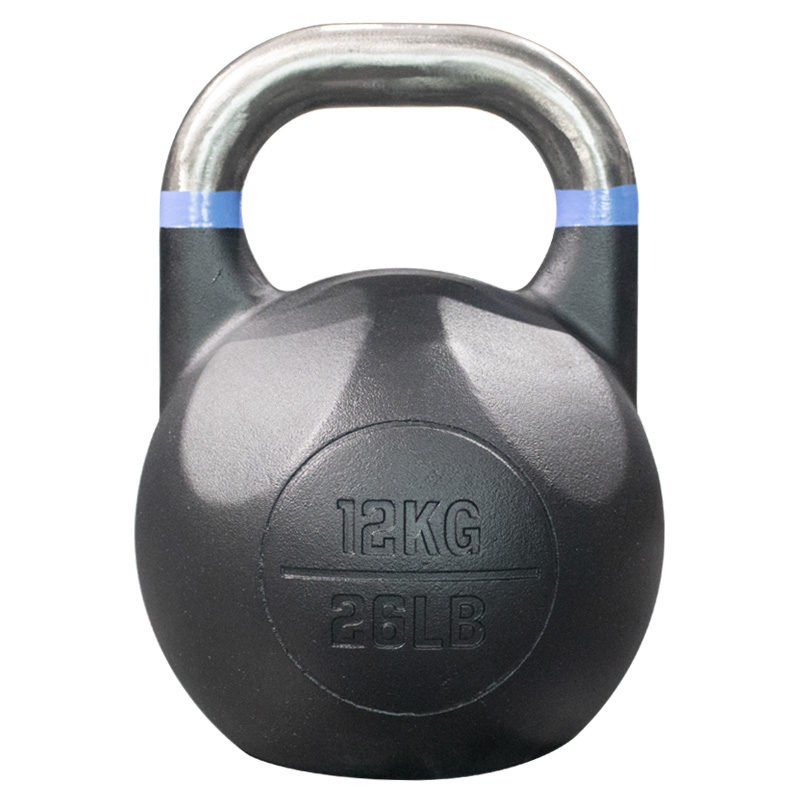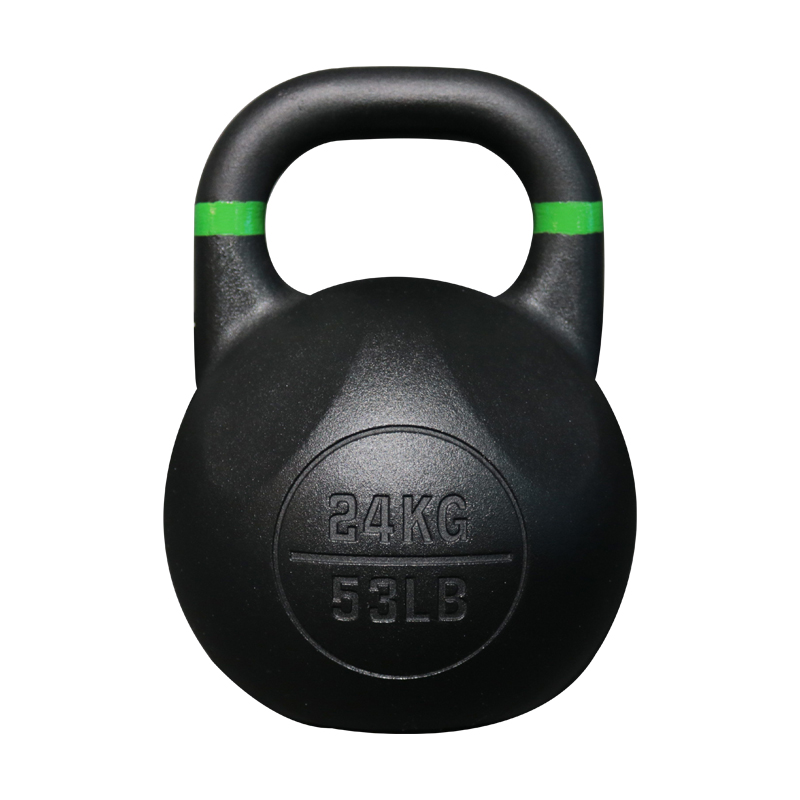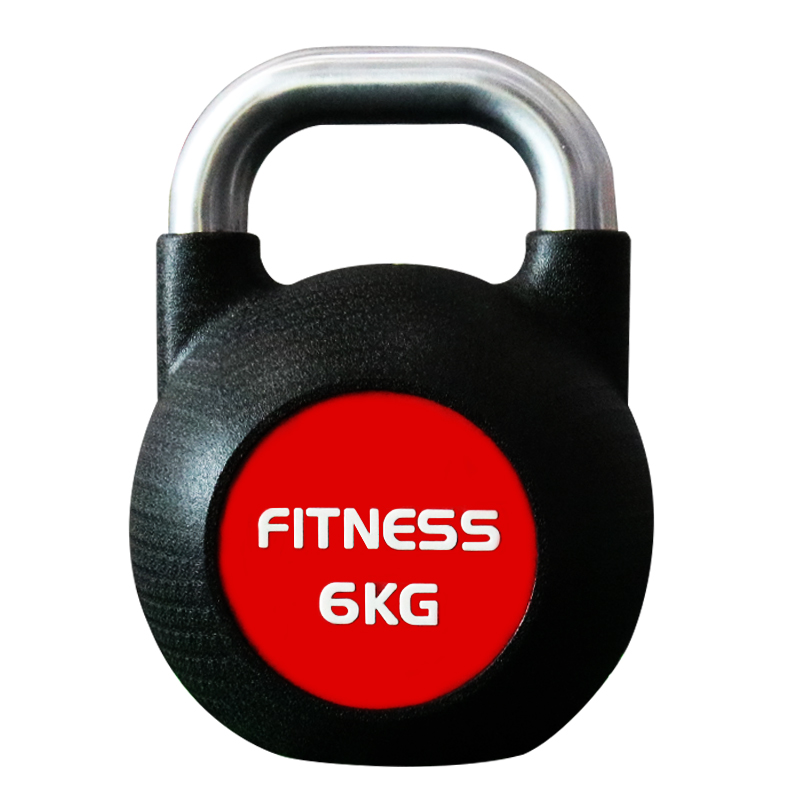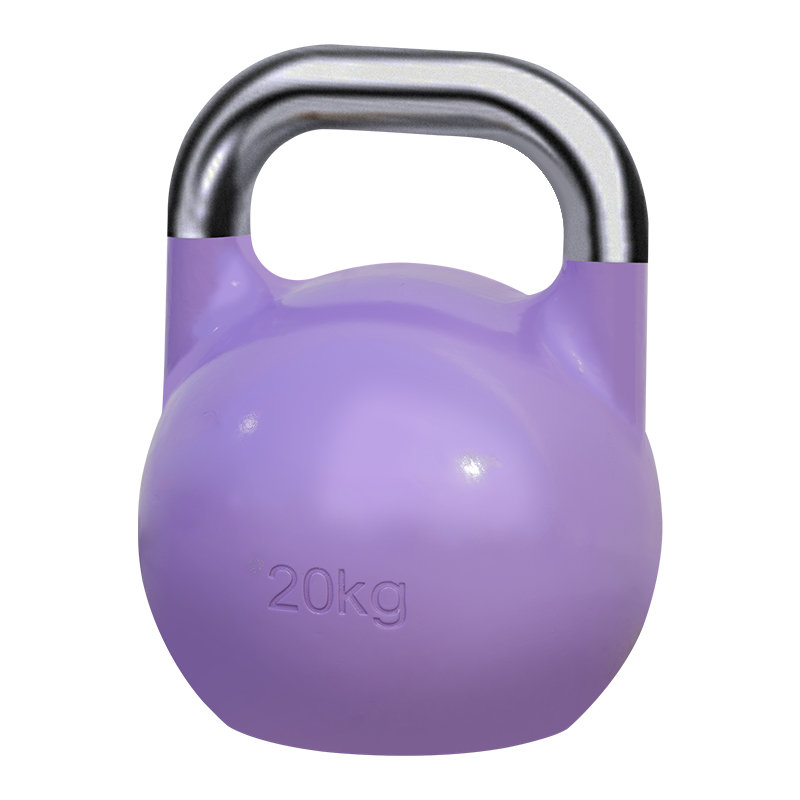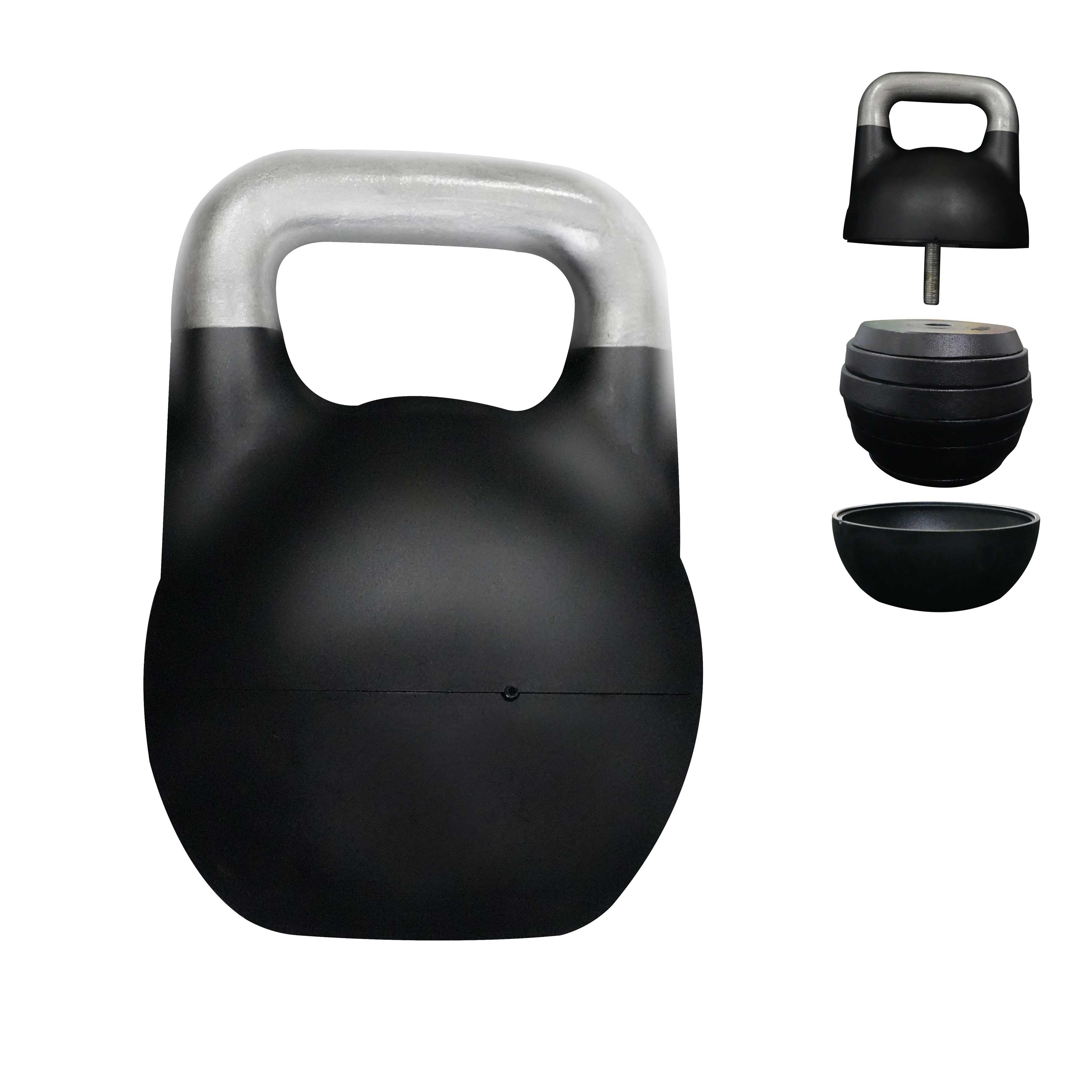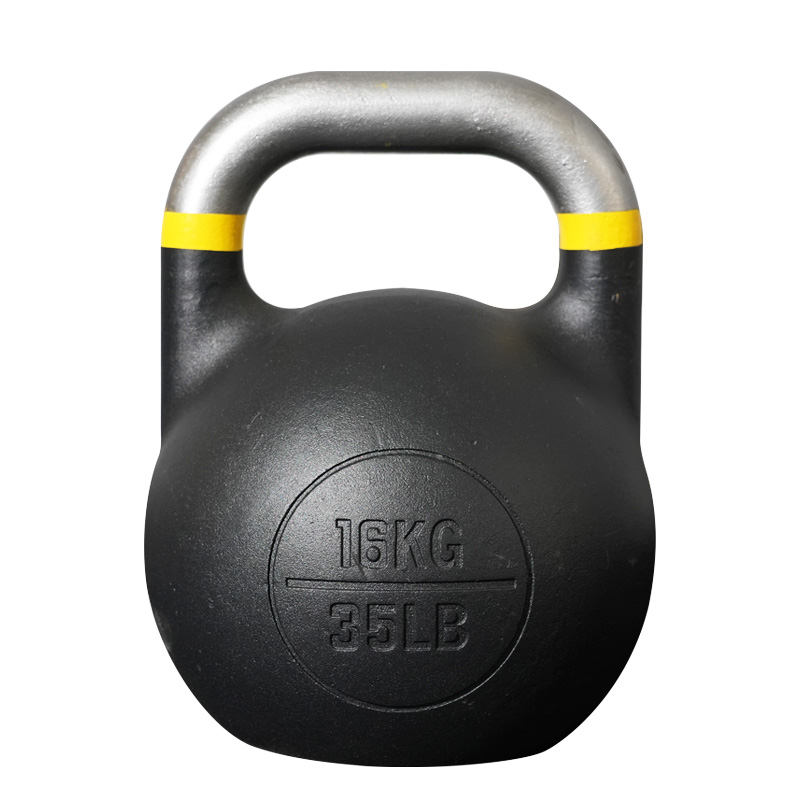
The rubber kettlebell has emerged as a cornerstone of functional fitness, bridging the gap between traditional strength training and dynamic, movement-based conditioning. For commercial gym operators, selecting the right rubber kettlebell involves evaluating not only its material composition but also its handle geometry, impact resistance, and long-term durability under daily drops and high-volume use. The hallmark of a premium rubber kettlebell lies in its seamless construction—high-quality models utilize a solid cast iron core encased in a thick, vulcanized rubber shell that bonds chemically to the metal, eliminating the risk of delamination that plagues cheaper alternatives.
From a performance engineering perspective, the handle profile is the most critical determinant of user experience and safety. Anatomically optimized handles feature a smooth, flat top that reduces pressure points during rack positions, while the width is calibrated to accommodate both double-handed and single-handed grips without excessive spacing. Surface treatment also plays a pivotal role—micro-textured rubber or integrated knurling patterns provide secure tactile feedback when hands are sweaty, without causing abrasion or compromising grip during high-rep sessions. Commercial-grade kettlebells typically incorporate a wider handle base to enhance stability during floor transitions, minimizing wobble and reducing the risk of wrist strain during complex ballistic movements.
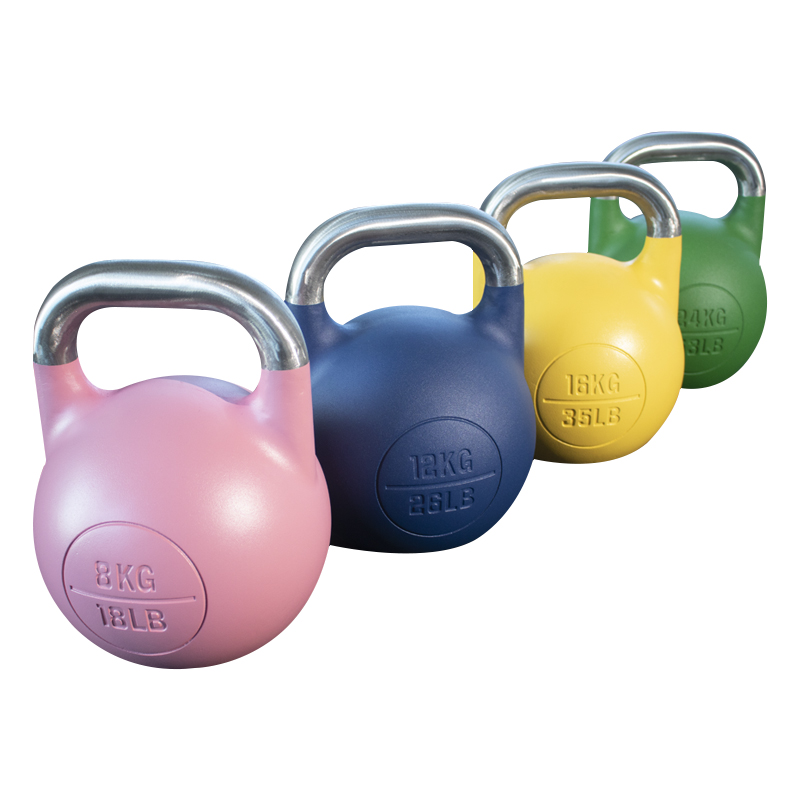
For procurement managers, understanding the density and compression characteristics of the rubber shell is essential for floor protection and noise reduction. Virgin rubber compounds with a Shore durometer rating between 60 and 80 provide optimal shock absorption while maintaining their structural integrity across temperature fluctuations. In contrast, recycled rubber blends may harden or soften unpredictably, affecting both the kettlebell's bounce characteristics and its protective capabilities for gym flooring. Bulk purchasers should also verify that the color-coded system aligns with industry standards—most manufacturers adopt a graduated color scheme where lighter shades correspond to lighter weights, facilitating quick visual identification across a busy gym floor and reducing the cognitive load on members selecting equipment.

Let our experts design the perfect gym solution for your business. Get a free consultation and quote today.