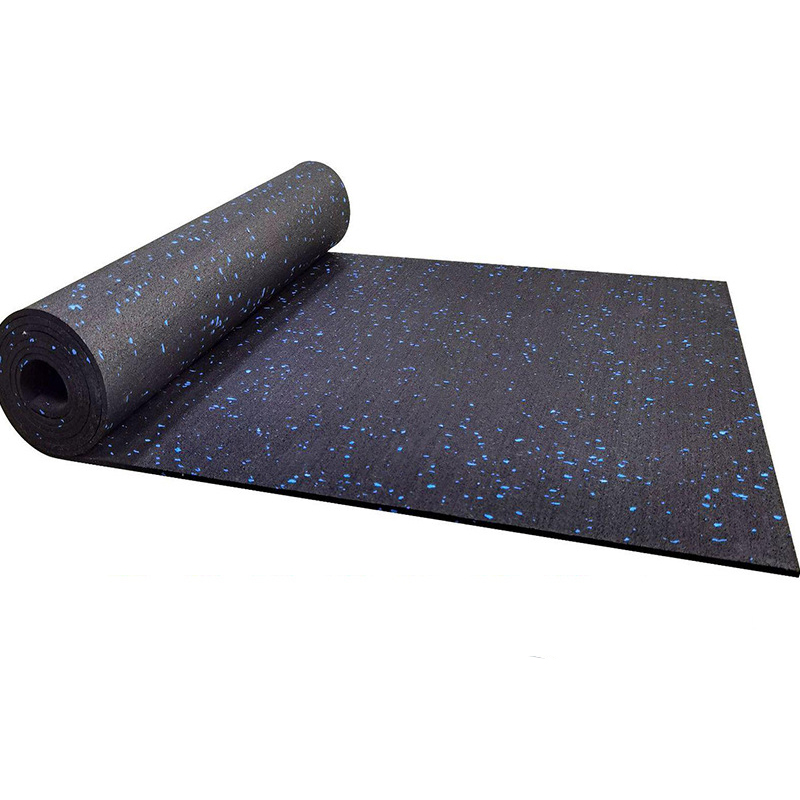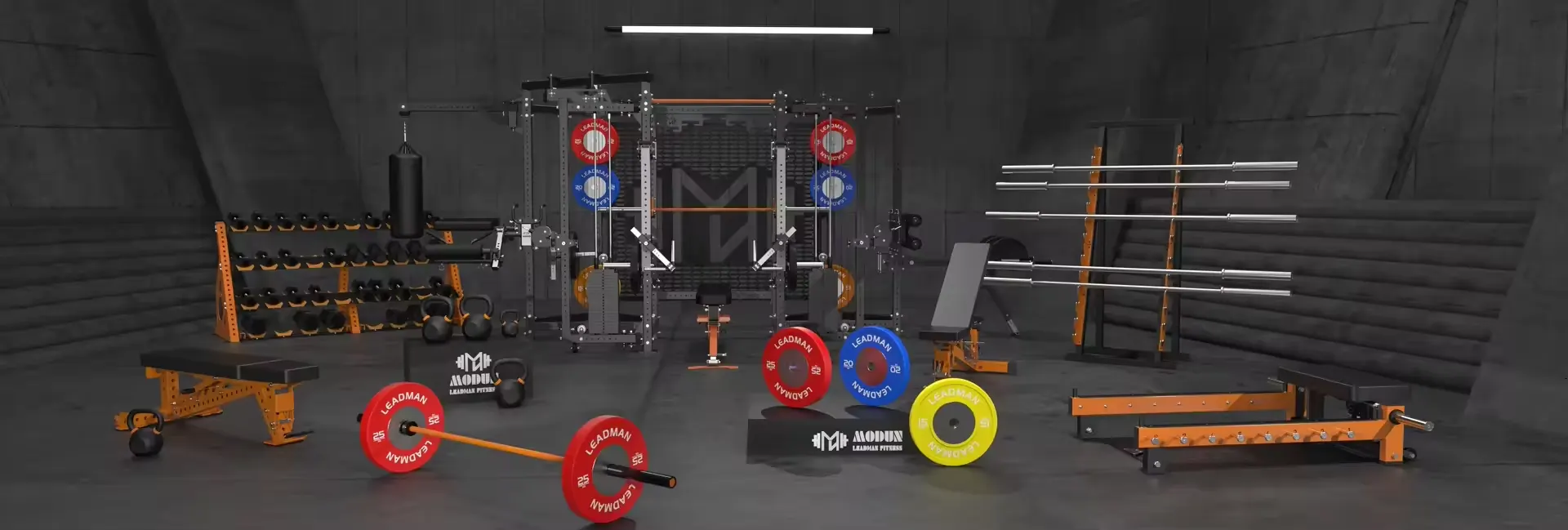
In the demanding ecosystem of a commercial gym, rubber flooring serves as the silent, unsung hero that protects both the facility's structural integrity and its members' safety. This foundational surface layer absorbs the relentless impact of dropped weights, dampens acoustic disturbances, and provides a stable, non-slip interface for athletes performing explosive movements. The decision to invest in high-quality rubber flooring is often considered the most critical infrastructure choice for any commercial fitness facility.
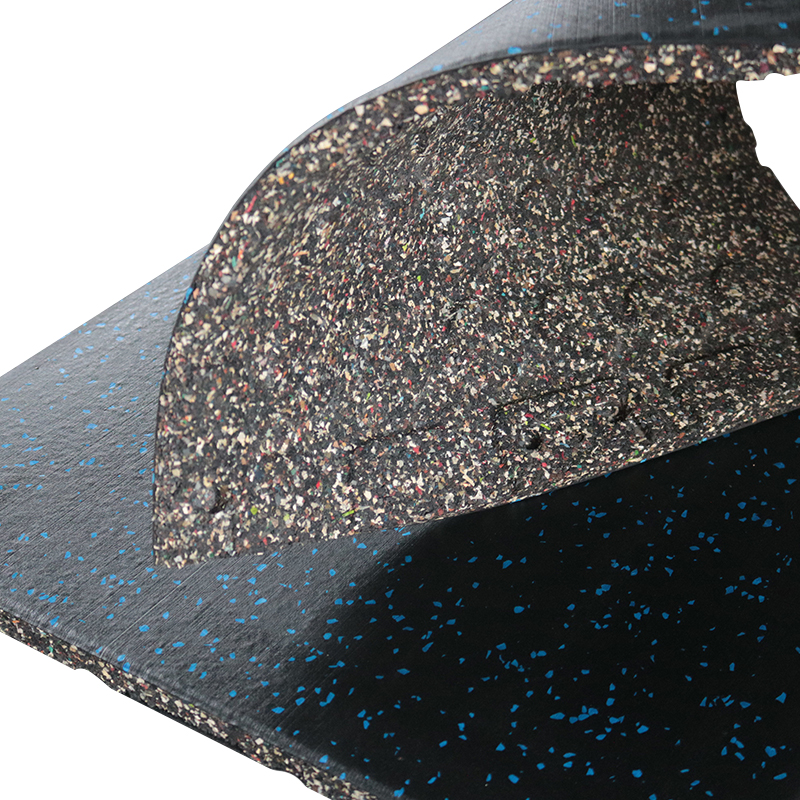
The technological sophistication behind modern rubber flooring for gym extends far beyond simple recycled tire mats. Premium commercial products are manufactured using advanced vulcanization processes that bond rubber polymers into dense, durable sheets or tiles. The material composition—typically a blend of SBR (styrene-butadiene rubber) or EPDM (ethylene propylene diene monomer)—determines the flooring's resilience, compression resistance, and longevity. EPDM-based products offer superior weather resistance and color stability, making them ideal for facilities in extreme climates or those requiring consistent aesthetics across sunlit areas.
Thickness selection represents a crucial specification decision for gym operators. For facilities predominantly focused on cardio and functional training, a 3/8-inch thickness may suffice. However, commercial gym rubber flooring in weightlifting zones demands 3/4-inch or even 1-inch thickness to adequately absorb the kinetic energy of heavy barbell drops and prevent concrete degradation beneath. Shock absorption ratings—measured in impact attenuation or force reduction—directly correlate with thickness and material density, with premium products achieving up to 40% force reduction.
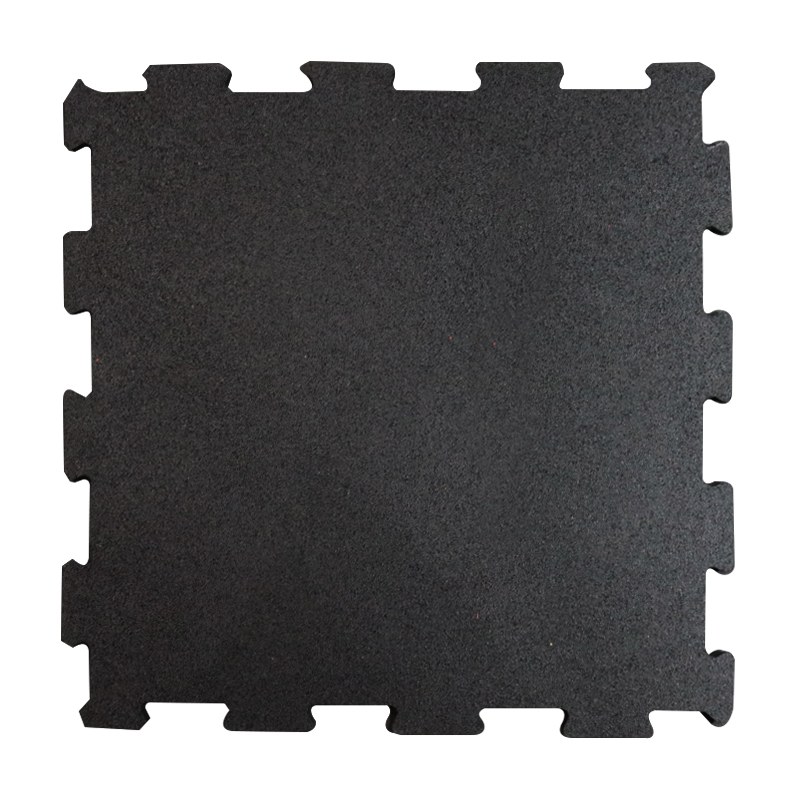
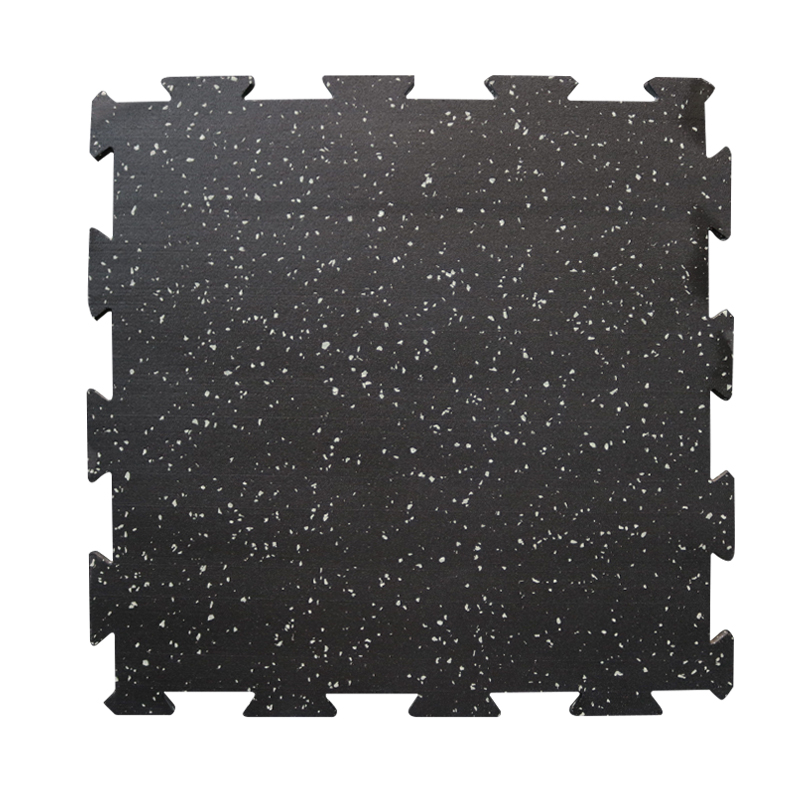
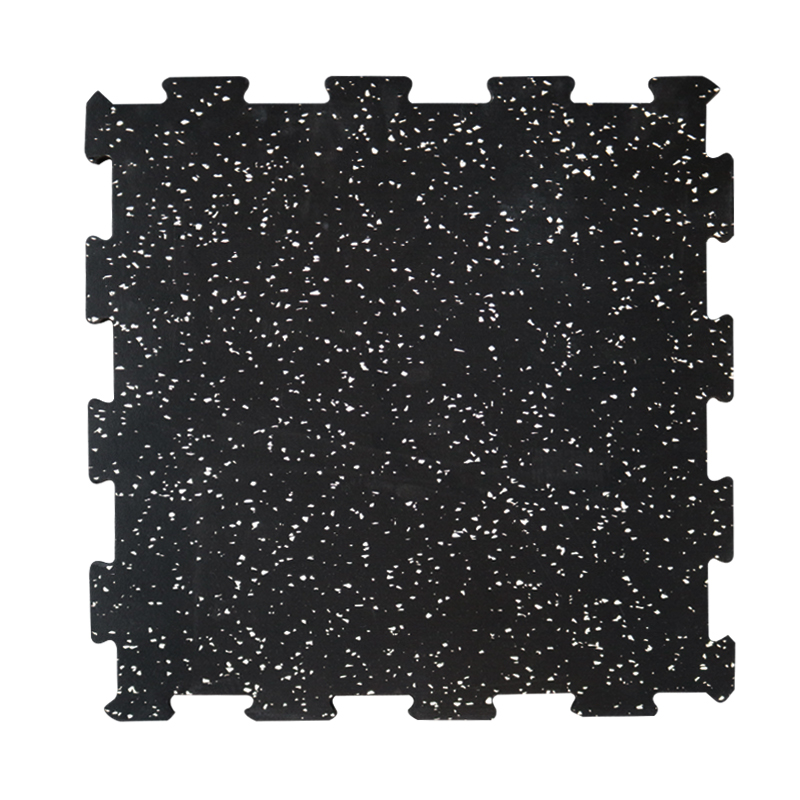
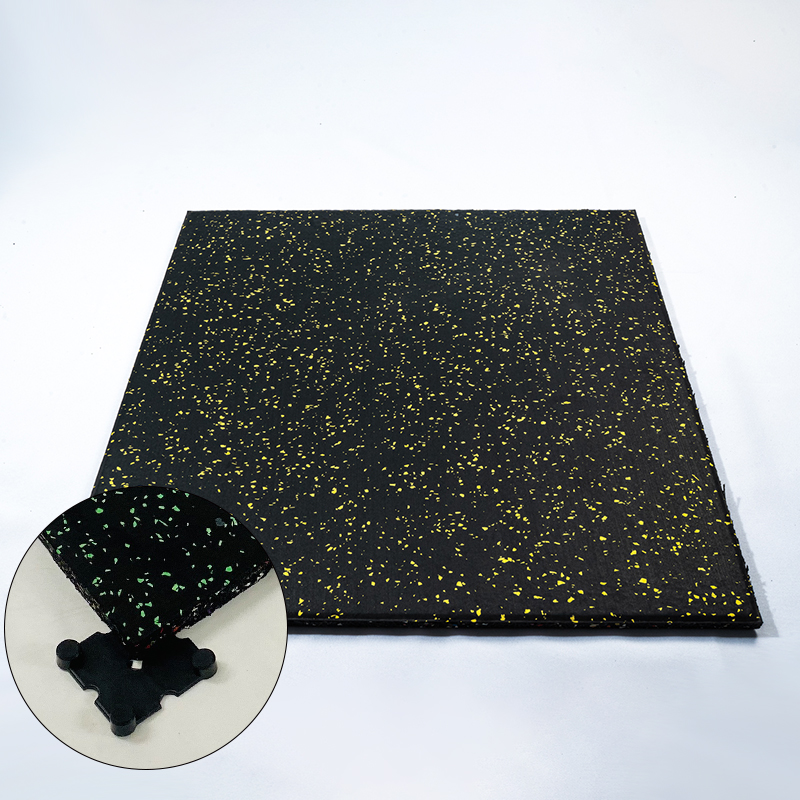
Installation methodologies significantly influence the flooring's long-term performance and appearance. Interlocking rubber tiles, available in various edge configurations, offer flexibility for facilities anticipating frequent reconfiguration. The interlocking system creates a continuous, seamless surface that is resistant to curling or separation under foot traffic and rolling loads. Gym flooring tiles with a tongue-and-groove or dovetail design provide a secure union between individual tiles, creating a unified appearance that enhances the facility's professional presentation while maintaining structural integrity.
Acoustic management has become a primary driver for rubber flooring investment in multi-story commercial gyms. Properly designed gym floor mats reduce noise transmission to lower floors, minimizing disruptions and ensuring a positive experience for all building occupants. Underlayment layers, such as acoustic foam or specialized pads placed beneath the rubber surface, can further enhance sound dampening properties. Additionally, resilient flooring reduces mechanical vibrations, protecting neighboring businesses from unwanted noise and vibration disruptions during peak training hours.
Maintenance requirements for commercial rubber floors are typically straightforward but essential for preserving appearance and performance. Regular sweeping and mopping with pH-neutral cleaners remove chalk, sweat, and dust that can accumulate and compromise traction. Deep cleaning, performed periodically by professional equipment, restores the floor's original appearance and prevents the buildup of ground-in dirt that can dull the surface. Proper maintenance not only extends the floor's useful life but also maintains the safe, hygienic environment that members expect from a high-quality facility.

Let our experts design the perfect gym solution for your business. Get a free consultation and quote today.