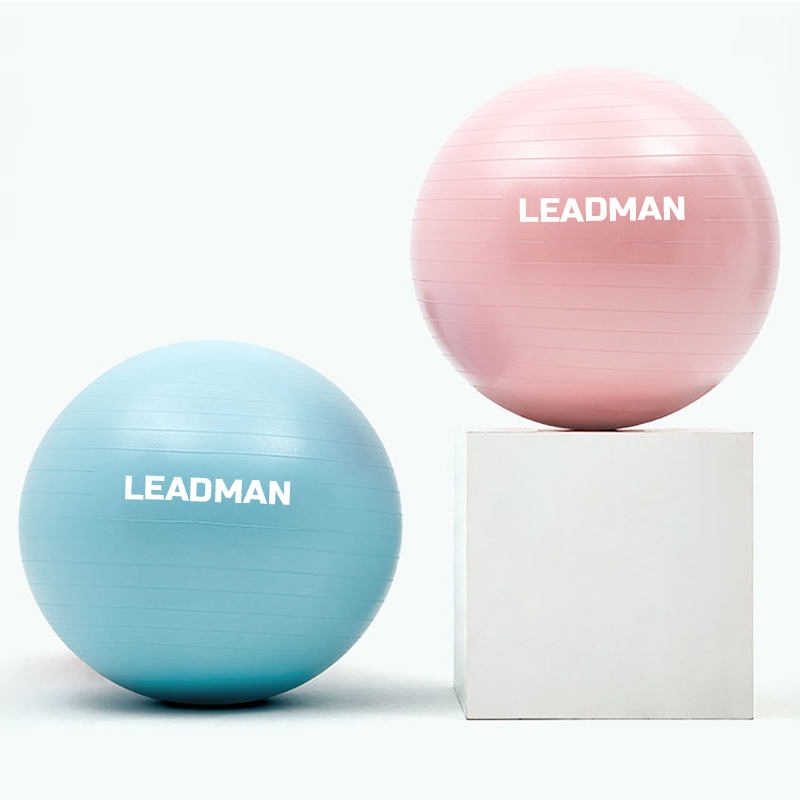
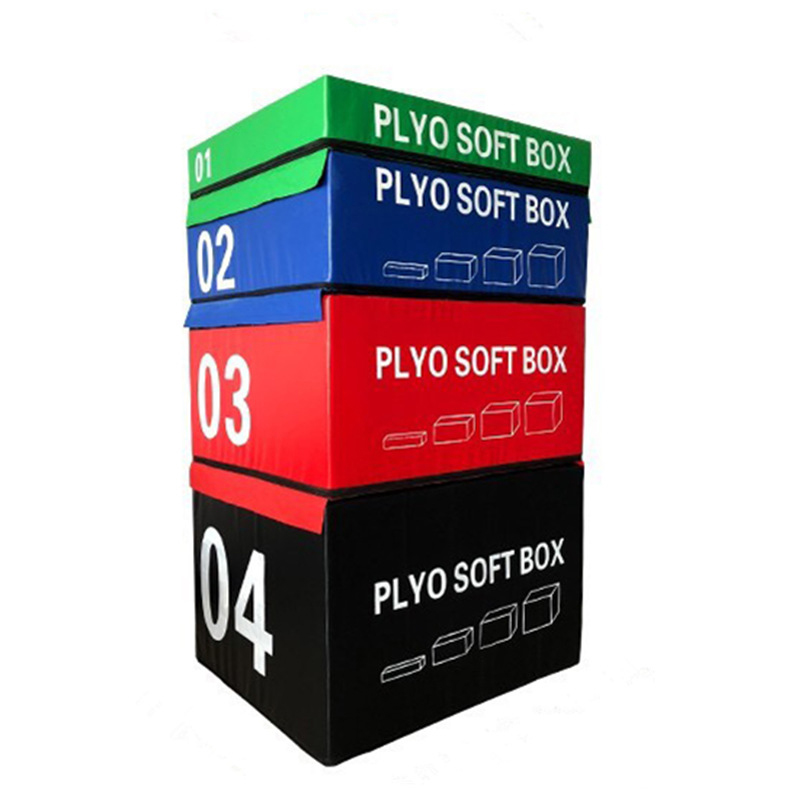
Integrating rehabilitation exercise equipment into commercial gym environments requires a strategic balance between medical-grade precision and commercial-grade durability. As the fitness industry shifts toward holistic wellness and longevity, facilities are increasingly incorporating specialized tools to support clients transitioning from clinical physical therapy to functional strength training.
Core Categories of Rehabilitation Equipment
Modern rehabilitation-focused gyms typically require a diverse inventory to address various physiological recovery needs. Key categories include:
- Proprioception and Balance Tools: Equipment such as BOSU trainers, wobble boards, and stability cushions designed to improve neuromuscular control and joint stability.
- Resistance-Based Recovery Systems: Adjustable tension cables, pneumatic resistance machines, and high-quality elastic resistance bands that allow for low-impact, progressive loading.
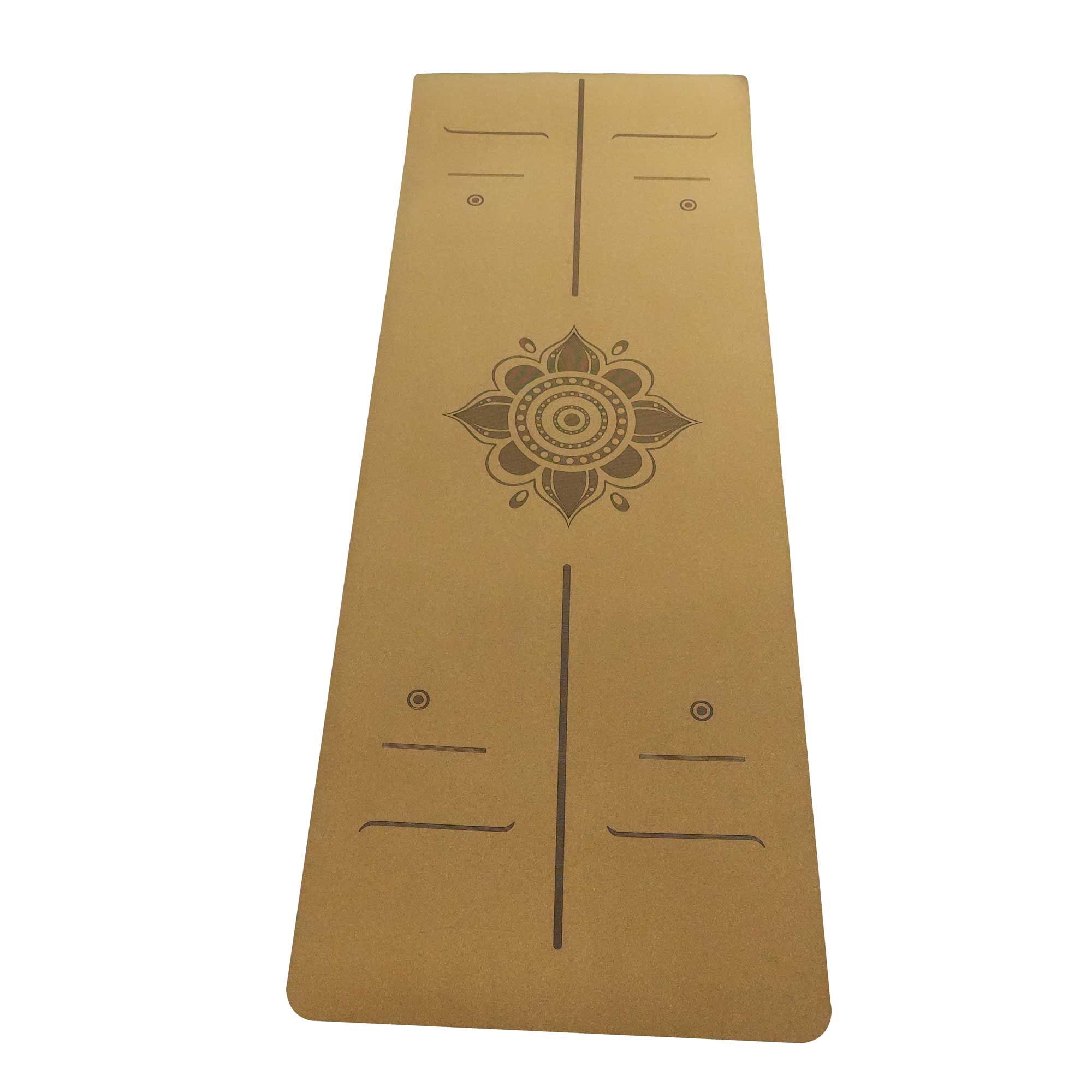
- Mobility and Flexibility Apparatus: Specialized stretching stations, foam rollers, and myofascial release tools essential for soft tissue recovery and range-of-motion maintenance.
- Functional Strength Recovery: Low-impact strength machines that focus on isolated muscle groups without excessive joint shear, such as seated leg extension or specific cable-driven pulley systems.
Critical Procurement Criteria for Commercial Gyms
When sourcing equipment for a professional fitness or medical-fitness setting, buyers must look beyond basic functionality. Technical specifications should prioritize the following:
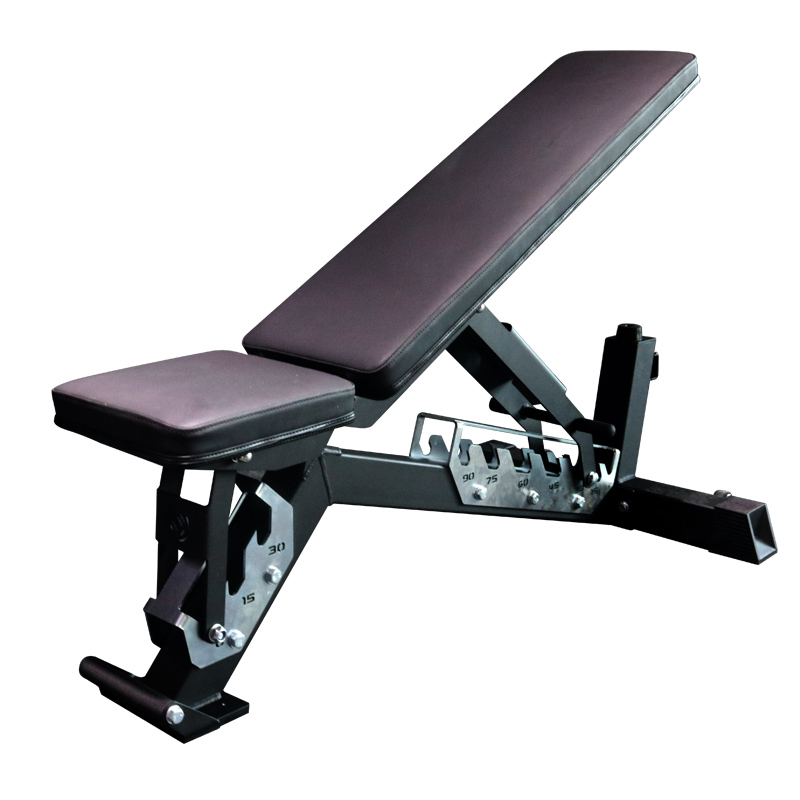
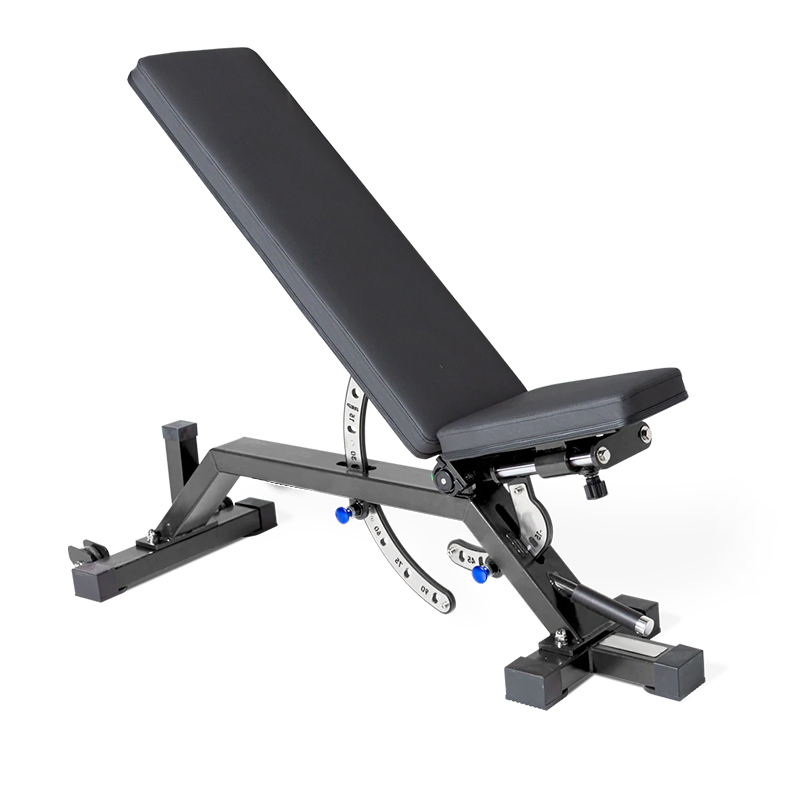
- Adjustability and Ergonomics: Rehabilitation users often possess limited range of motion. Equipment must offer micro-adjustments to accommodate varied anatomical requirements and varying stages of injury recovery.
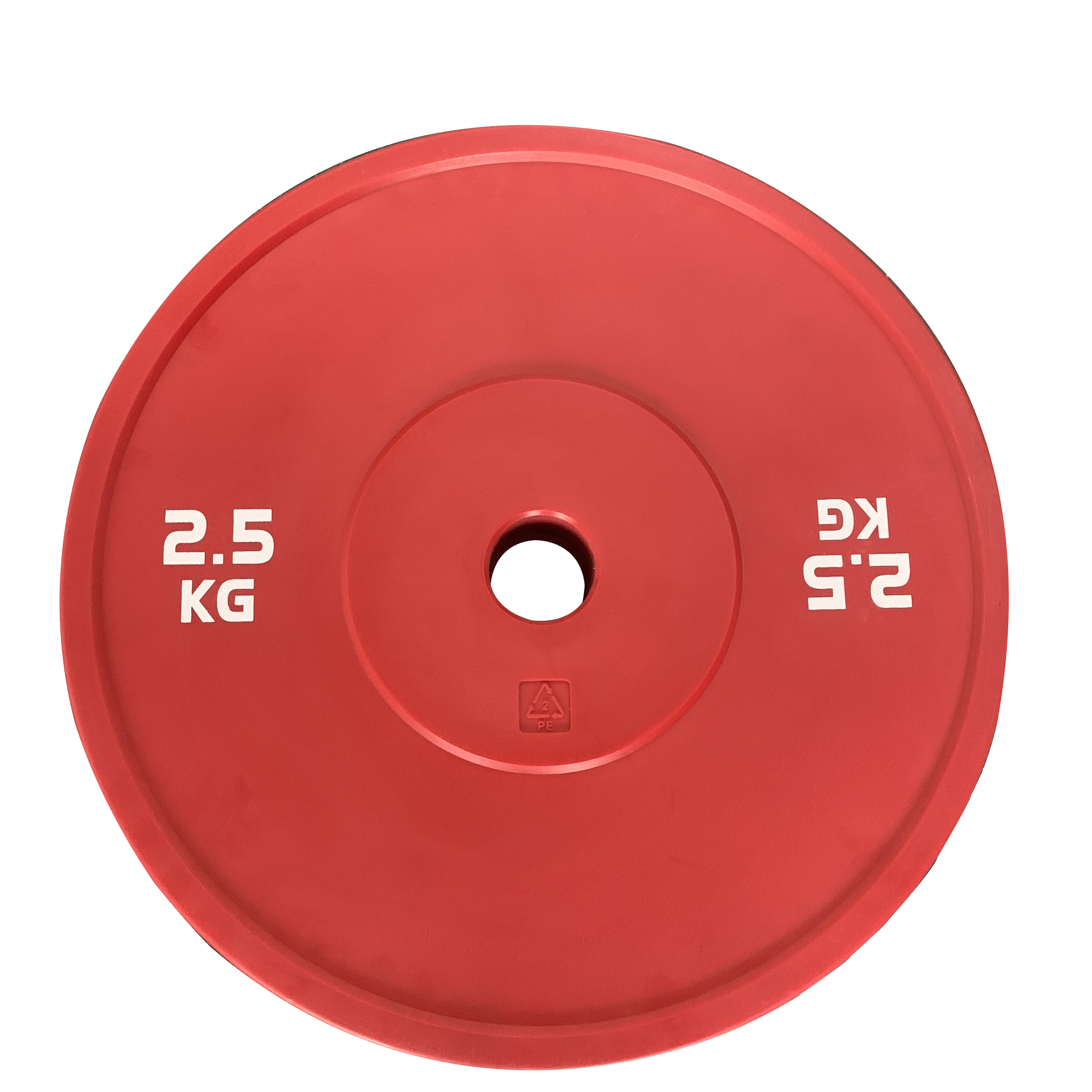
- Load Gradation: The ability to provide highly granular resistance increments is vital. This allows practitioners to move a client from minimal activation to functional load without abrupt changes in intensity.
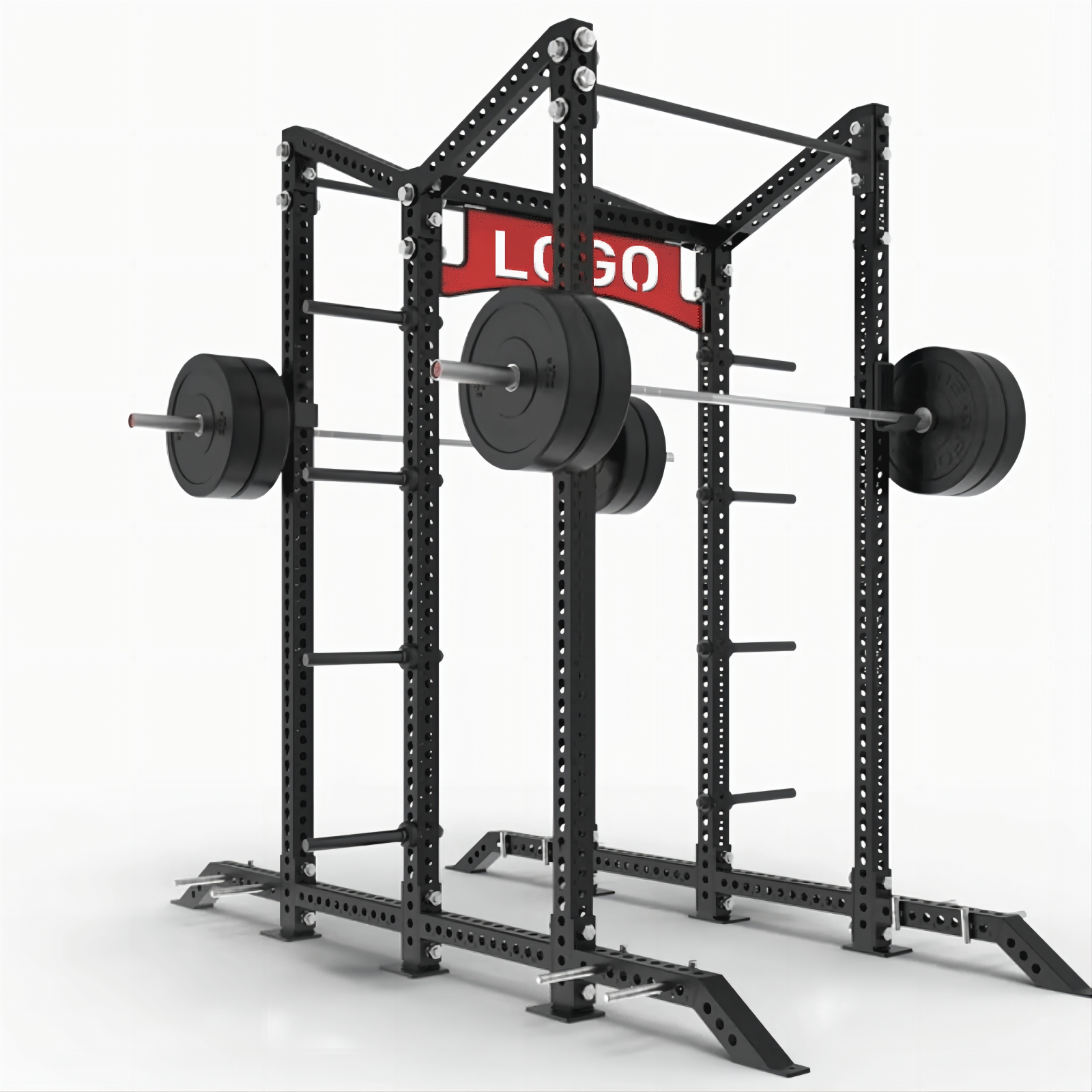
- Structural Stability: Given that many rehabilitation exercises involve balance challenges, the base of the machine or tool must be exceptionally stable to prevent secondary injury during use.
- Durability and Maintenance: Unlike standard commercial fitness machines, rehab-focused equipment often undergoes high-frequency, low-impact usage. Ensure all moving parts and upholstery are designed for high-use environments.
Target Use Cases
Incorporating these specialized tools allows gym operators to expand their service offerings. This equipment is highly effective in medical fitness centers, sports performance clinics, and wellness-oriented boutique gyms where the goal is long-term physical maintenance and injury prevention. By providing professional-grade rehabilitation tools, facilities can successfully bridge the gap between clinical rehabilitation and mainstream physical conditioning.