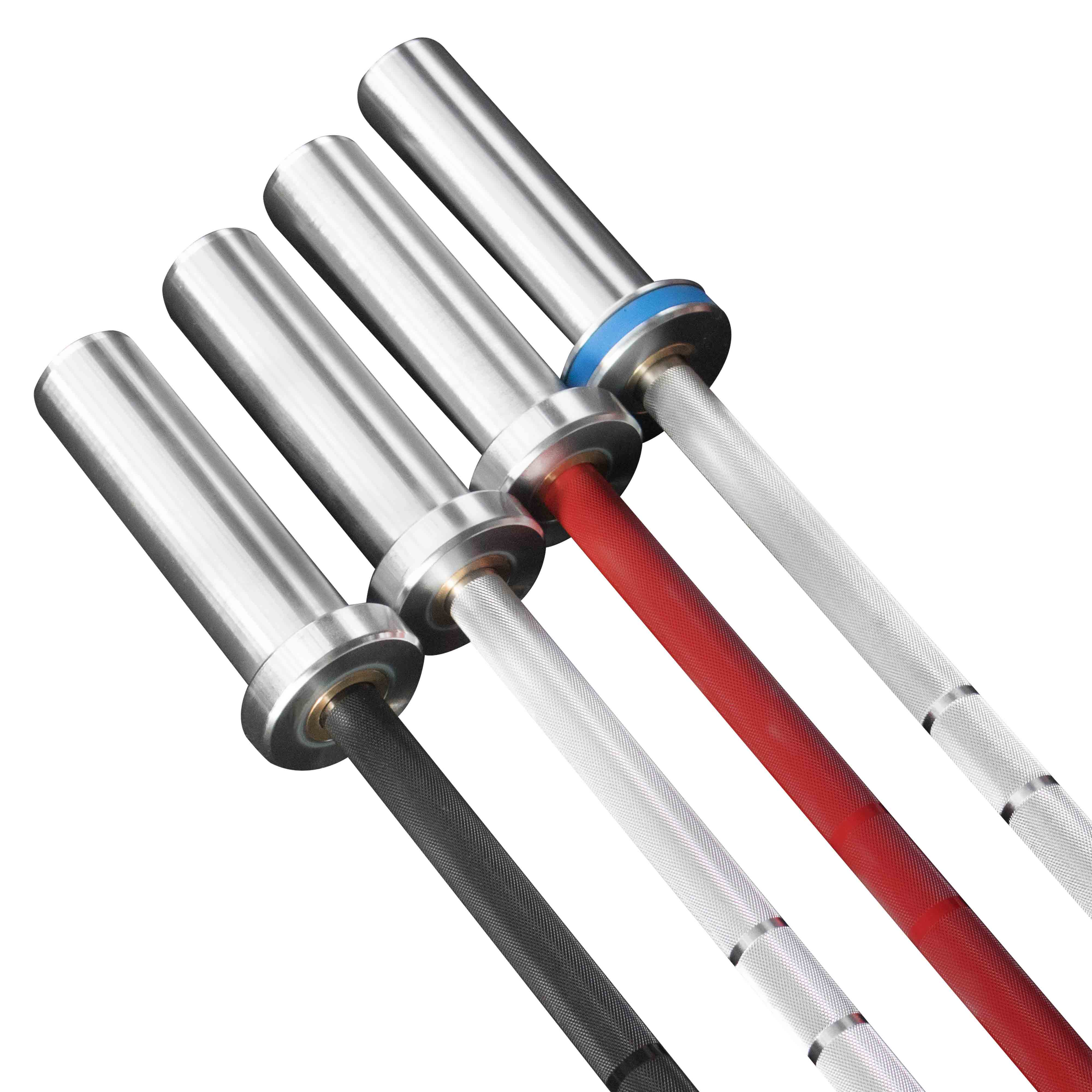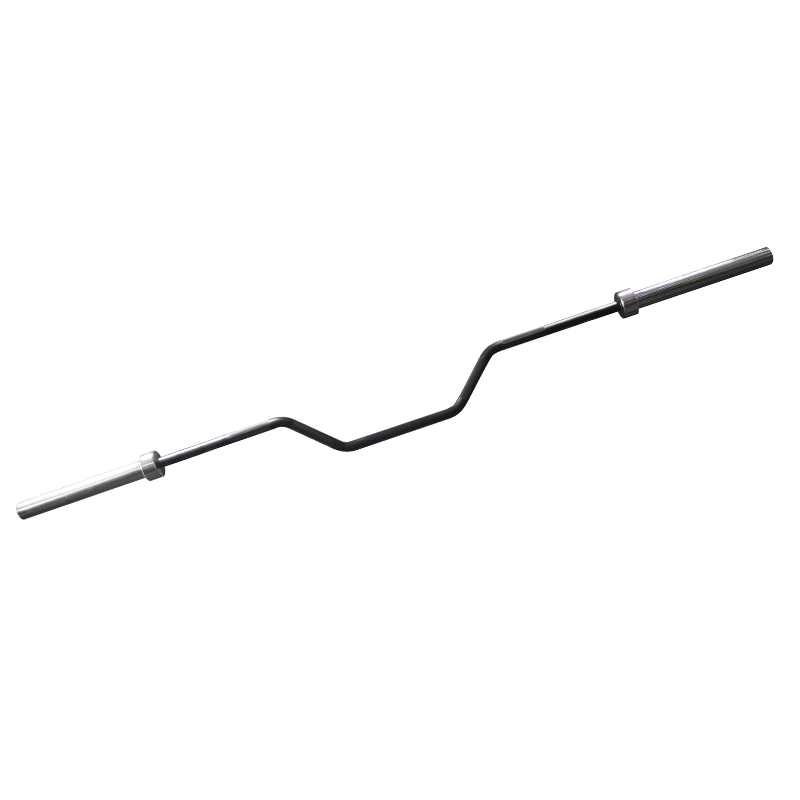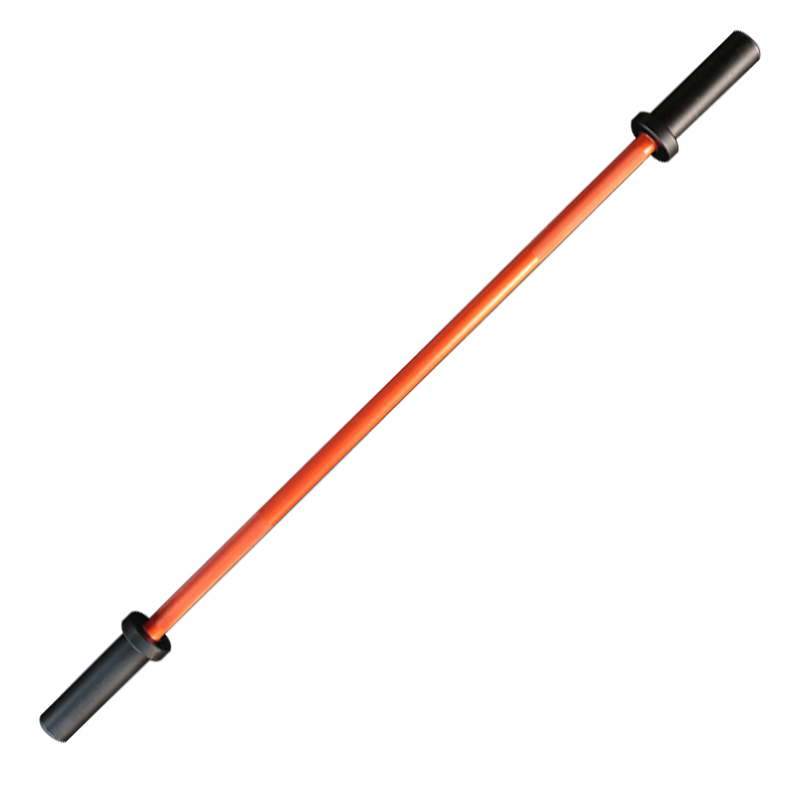
Selecting a pull up bar supplier requires evaluating manufacturing precision, mounting hardware quality, and finish durability—factors that separate commercial-grade units from disposable home models. Unlike many fitness products, pull up bars carry the user's full body weight dynamically, making weld integrity and material specifications non-negotiable for safety.
The manufacturing differentiator among pull up bar suppliers is tubing gauge and welding process. Commercial suppliers use 11-gauge or thicker steel (2.3-3.0mm) for the main bar and mounting brackets. Entry-level suppliers cut corners with 14-16 gauge tubing, which flexes under heavy users or shows fatigue cracks within months. Similarly, full-penetration welds at the bar-to-bracket junction indicate quality; spot welds or shallow MIG beads fail under dynamic loading, particularly during kipping or swinging motions common in cross-training environments.
Industry sourcing data indicates that suppliers offering UL or ASTM certification on mounting hardware represent less than 15% of the market, yet account for over 80% of commercial gym specifications. A 2022 equipment safety report noted that 73% of pull up bar failures traced to bracket bolts—either low-grade Chinese steel (4.8 grade) or incorrect sizing. Reliable suppliers specify grade 8.8 or 10.9 hardware with zinc plating and provide torque specifications for installation.
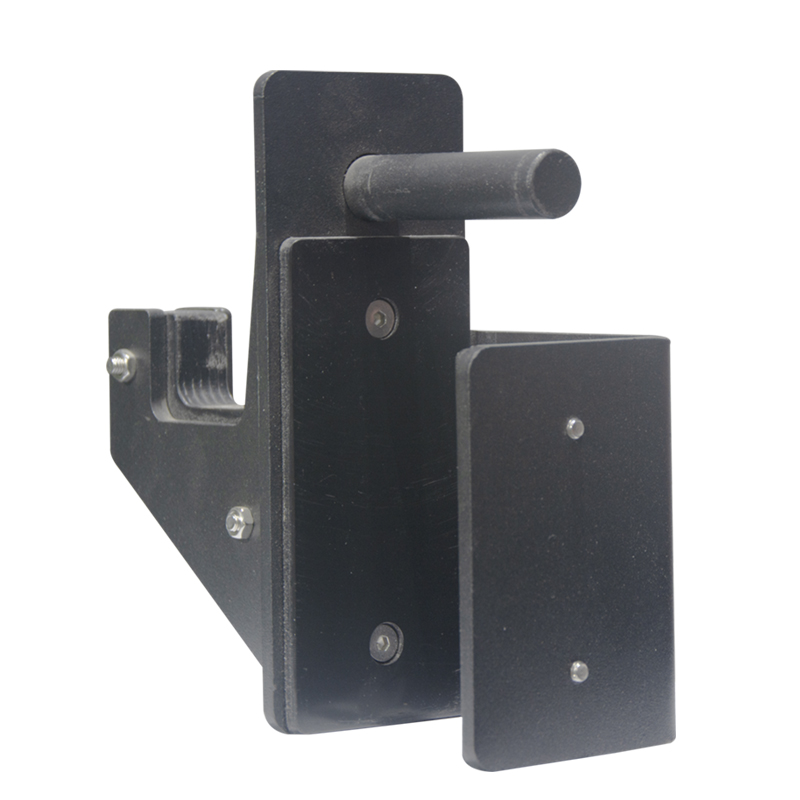
For buyers evaluating pull up bar suppliers, request finish testing documentation. Powder-coated bars with 80-100 micron thickness resist rust in humid gym environments. Chrome-plated bars need proper copper-nickel-chrome layering (minimum 20 microns nickel) to prevent flaking. Additionally, ask about mounting bracket compatibility: wall-mounted vs ceiling-mounted vs door-frame designs each require different anchoring solutions. Always order a sample bracket to test against your facility's wall construction before bulk purchasing.