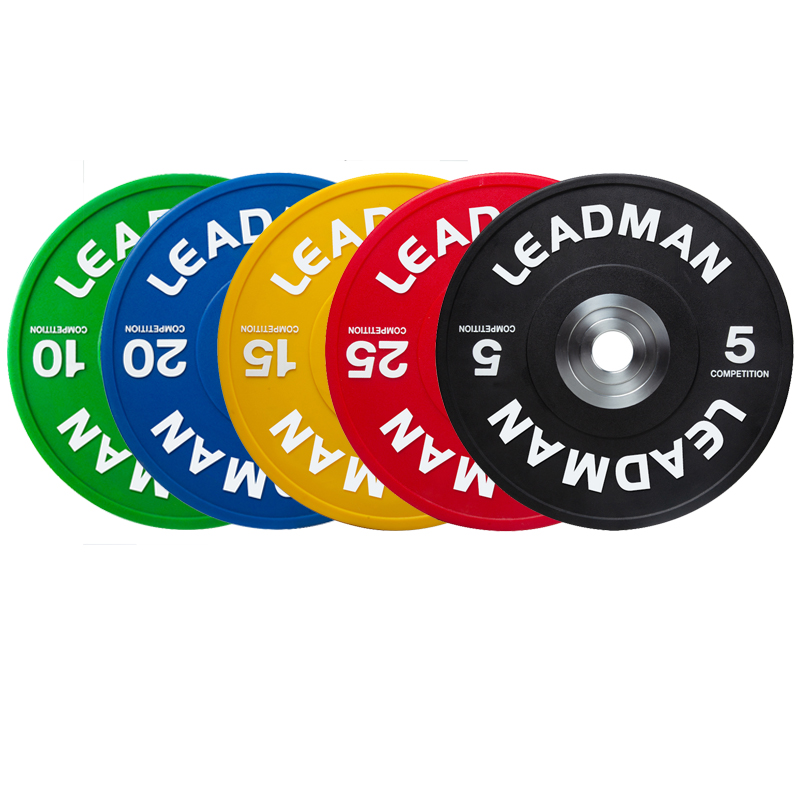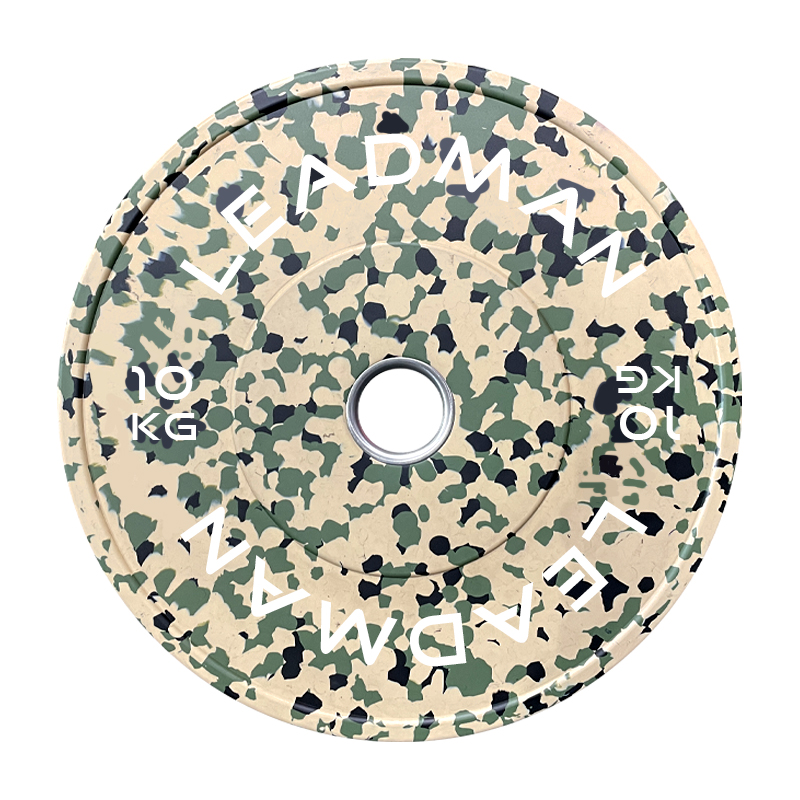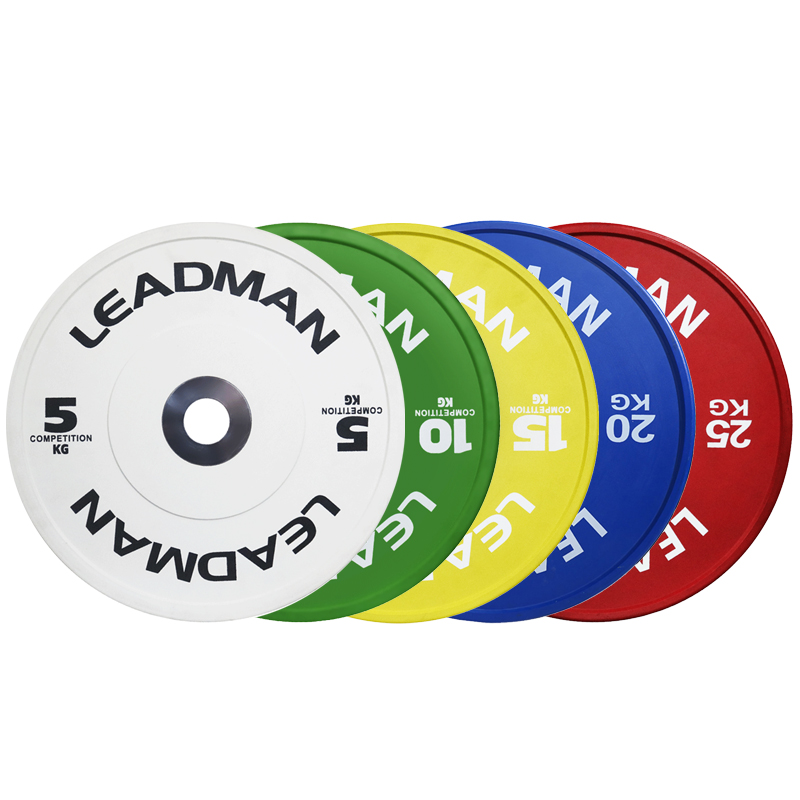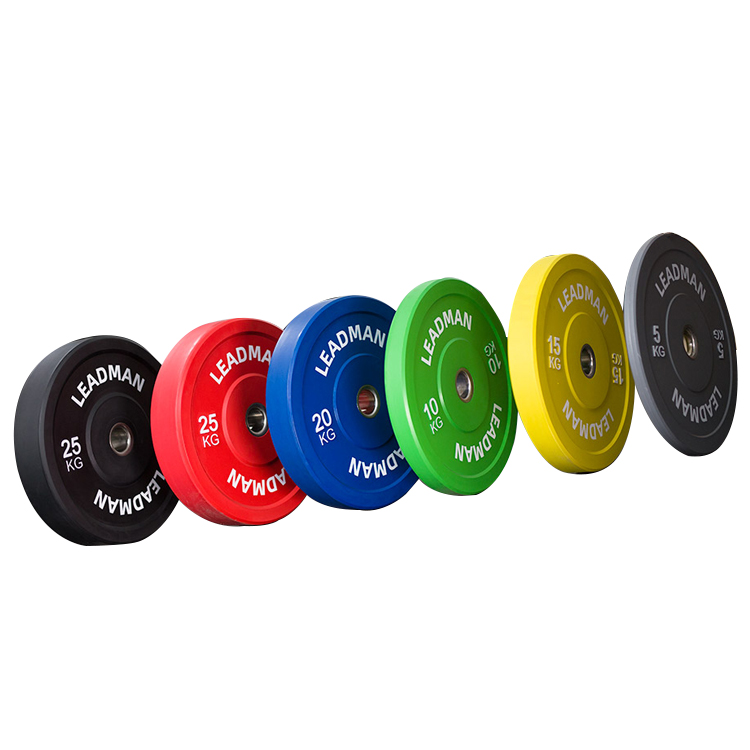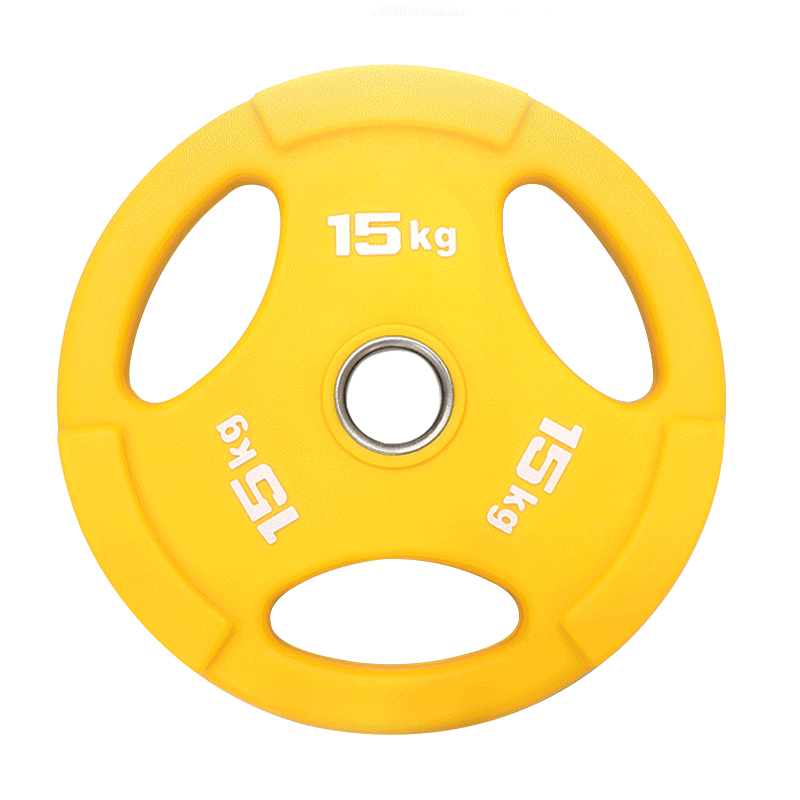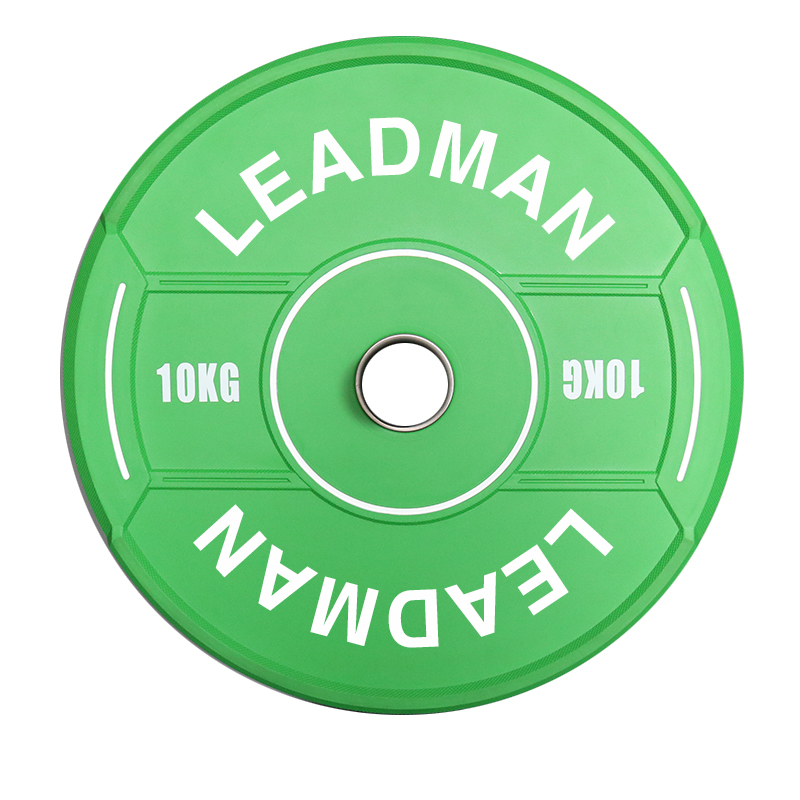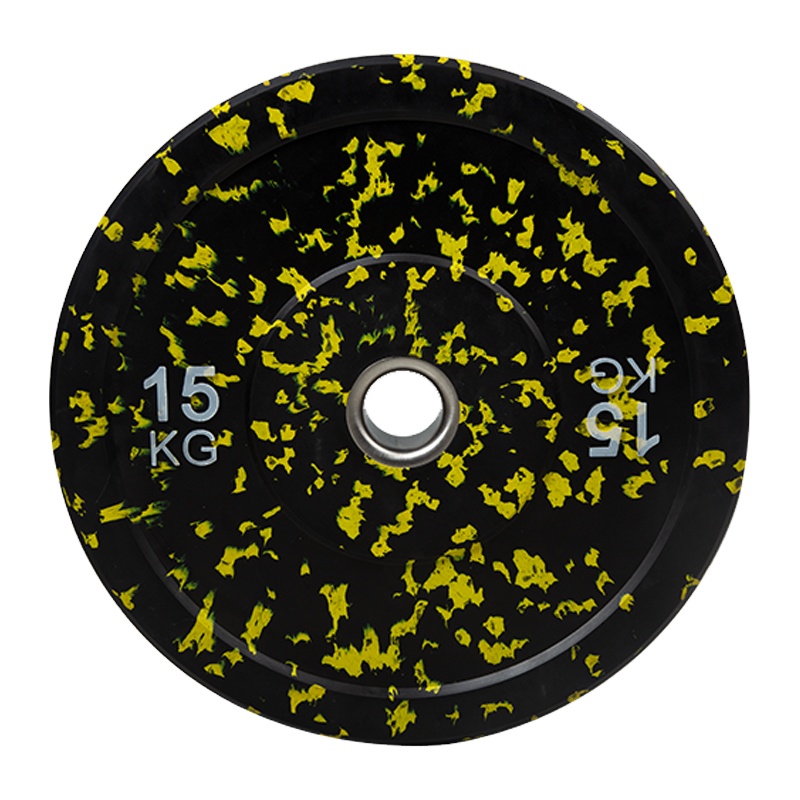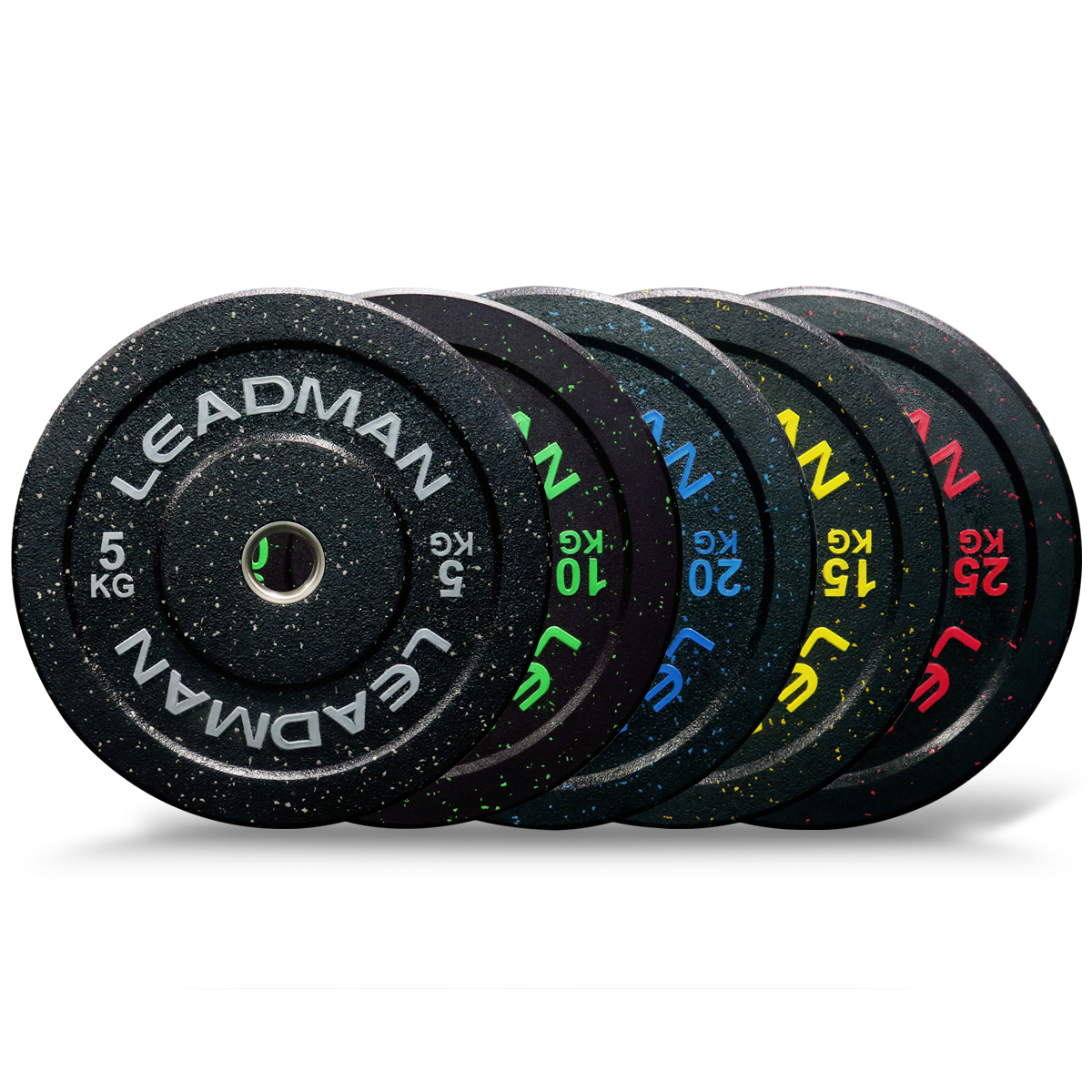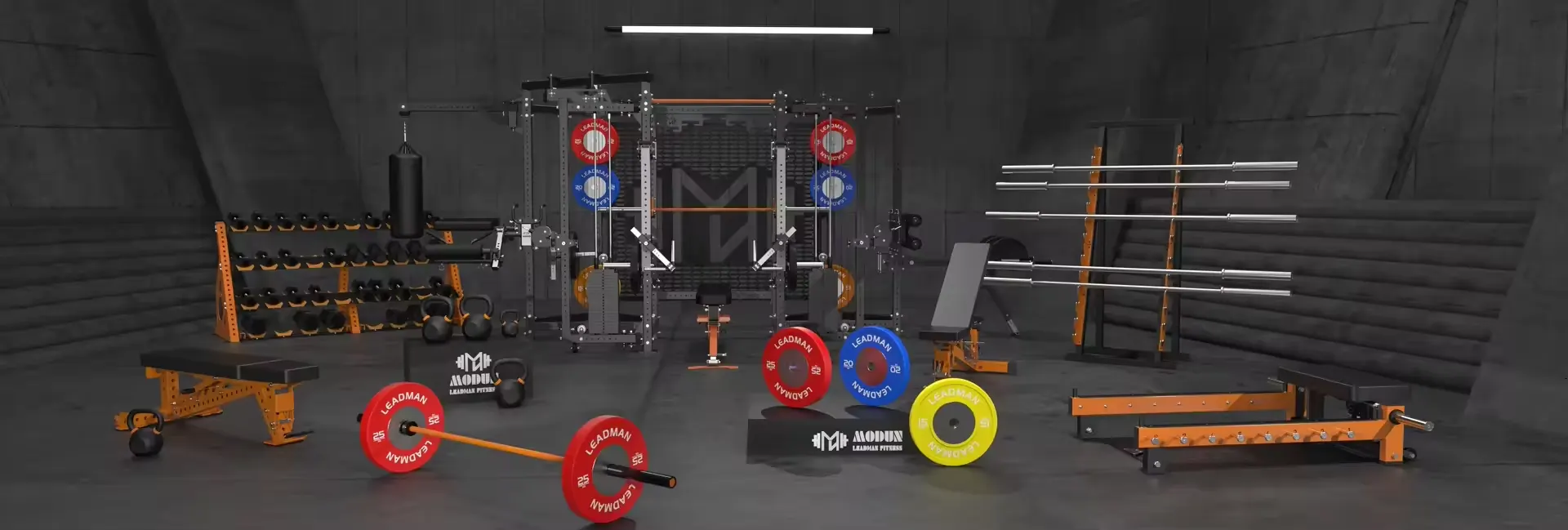
Powerlifting calibrated plates are precision-machined weight plates engineered to IPF (International Powerlifting Federation) specifications, featuring a weight tolerance of ±15 grams for kilogram plates and a uniform 450mm diameter (17.72 inches) for all plates 10kg and above. Unlike standard cast iron plates that vary by ±3%, calibrated plates ensure that a 25kg plate on one end of the bar weighs identically to its counterpart, eliminating bar tilt during maximal deadlifts and squats. Construction is typically from machined steel with a hard chrome or black oxide finish, or from high-density urethane over a steel core. The thin profile—a 25kg calibrated steel plate measures 25-30mm thick—allows loading 8-10 plates per sleeve for record attempts. The center hole is precision-ground to 50.4mm +0.05/-0.00mm for a smooth fit on Olympic sleeves without binding. Color coding follows IPF standards: red=25kg (55lb), blue=20kg (45lb), yellow=15kg (35lb), green=10kg (25lb), white=5kg (10lb), black=2.5kg (5.5lb) and 1.25kg (2.75lb). Each plate is individually weighed and marked with its actual weight (e.g., "24.98kg"). Calibrated plates are required for IPF-affiliated competitions and for any lifter tracking progress with precision. However, they are not drop-safe—steel calibrated plates will chip or deform if dropped from overhead. For powerlifting (where the bar is not dropped), this is acceptable. For Olympic weightlifting, urethane or rubber competition plates are preferred. Maintenance involves keeping plates dry (chrome finishes resist rust, but black oxide requires light oiling) and storing on vertical plate trees. The cost is 4-8× that of cast iron plates, but calibrated steel plates last indefinitely and retain resale value.
Let our experts design the perfect gym solution for your business. Get a free consultation and quote today.