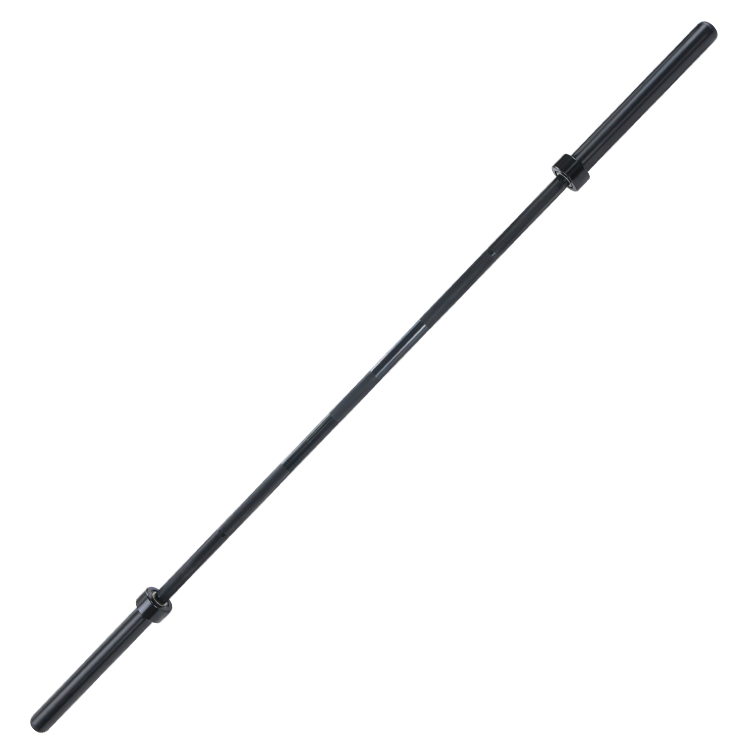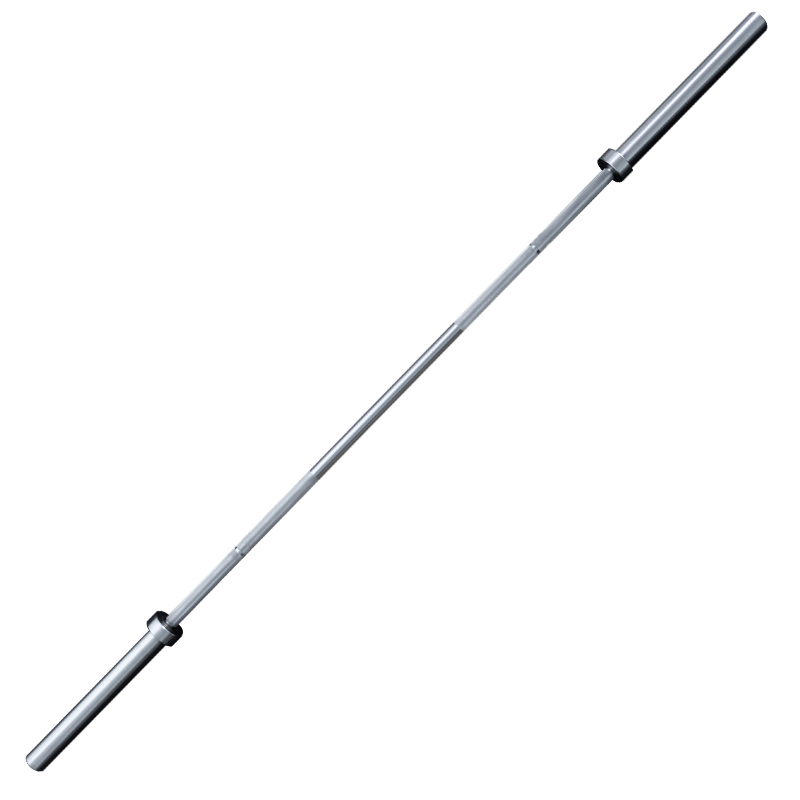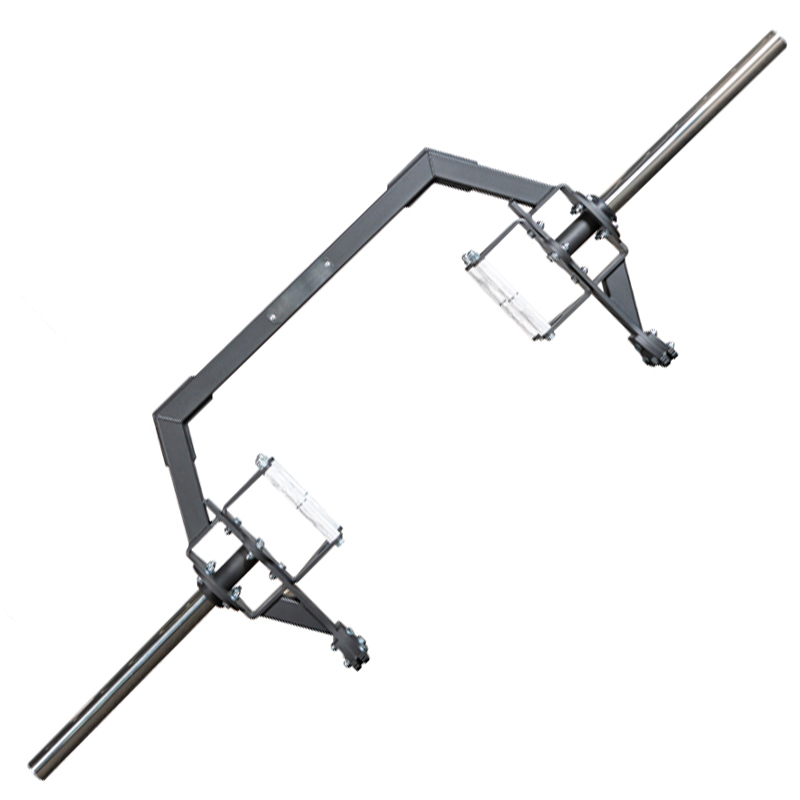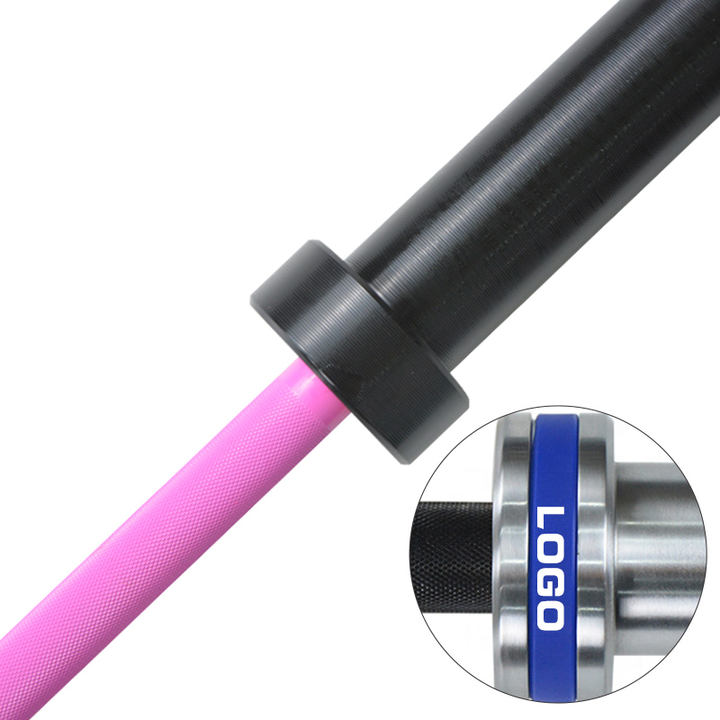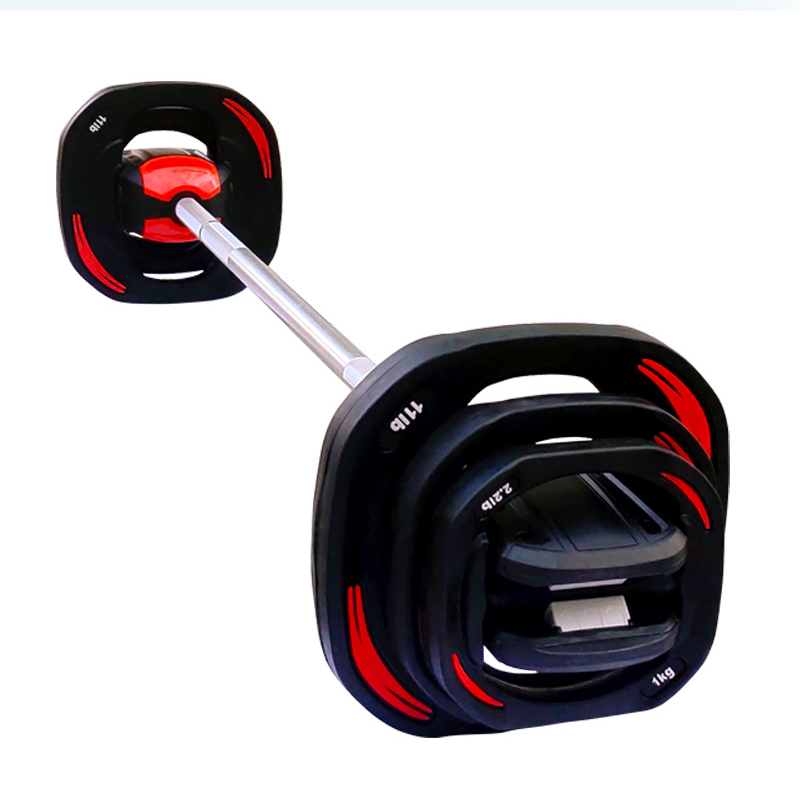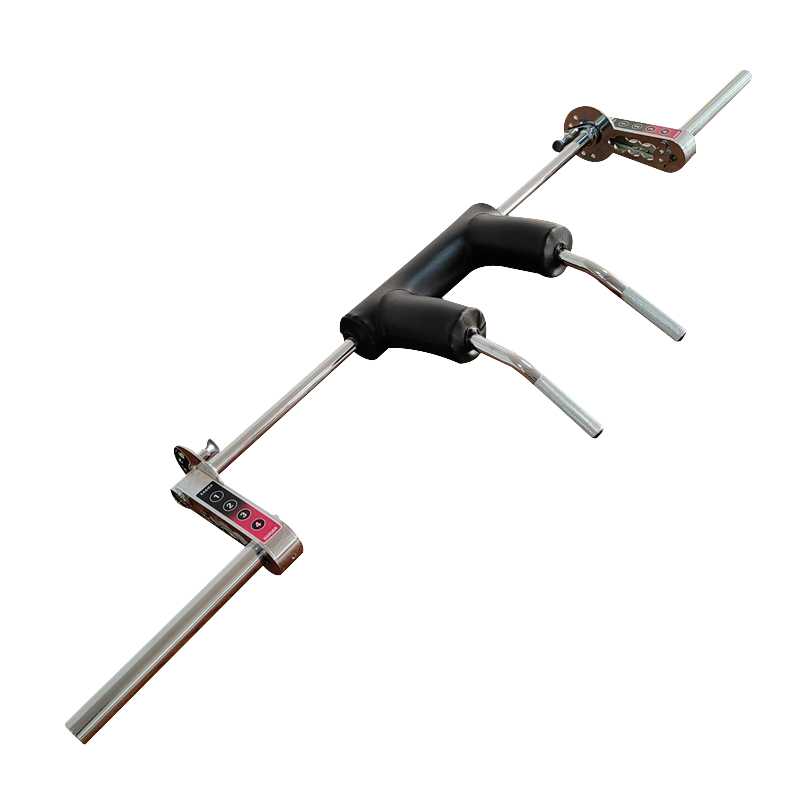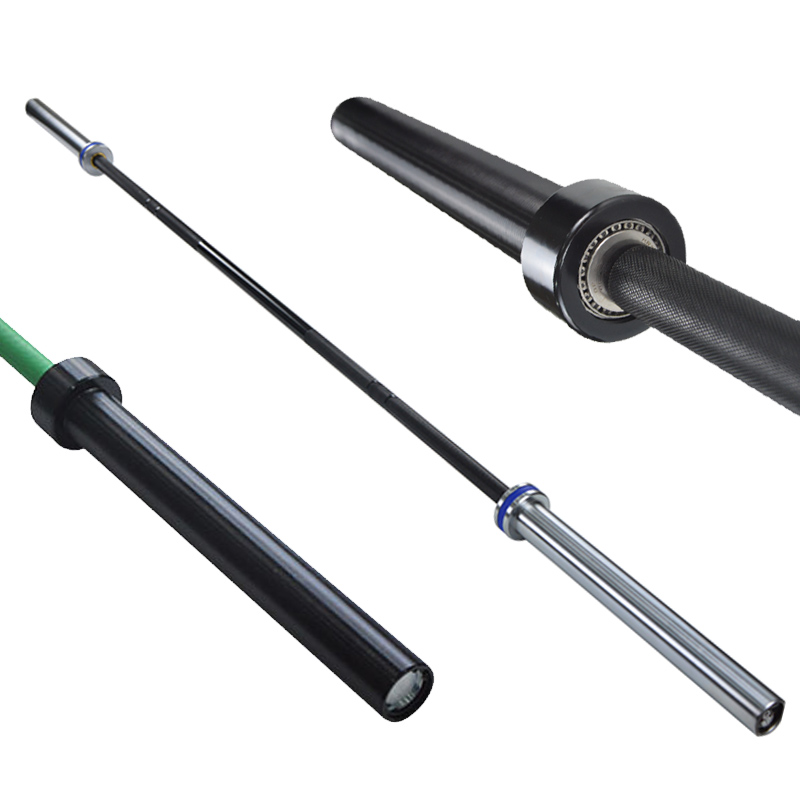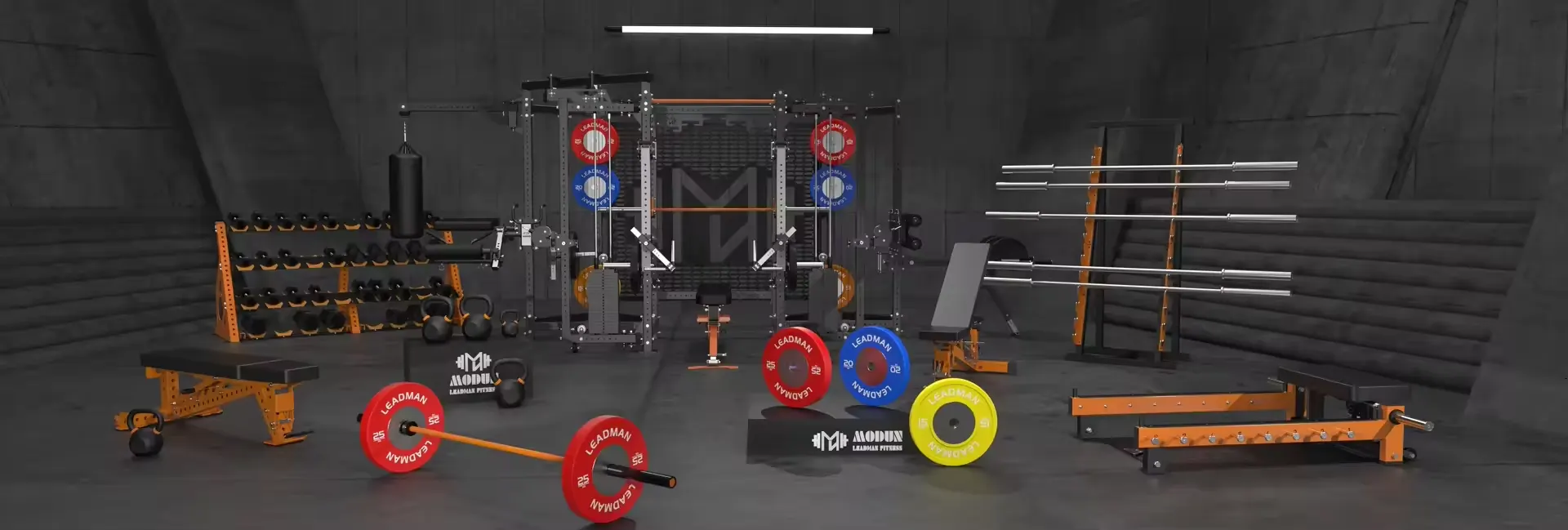
Across the commercial fitness landscape, the humble barbell remains the undisputed cornerstone of strength training, yet the term "pound barbells" encompasses a far broader spectrum than simple weight measurements. From the precision-engineered Olympic barbells used in competitive weightlifting to specialised powerlifting bars, technique bars, and women's bars, each variant delivers distinct mechanical properties optimised for specific movement patterns and athlete profiles. The fundamental distinction lies in bar diameter, knurling aggressiveness, and tensile strength—factors that collectively determine how the bar performs under maximal loads, how it feels in the athlete's hands, and how long it withstands repeated impact and flex cycles.
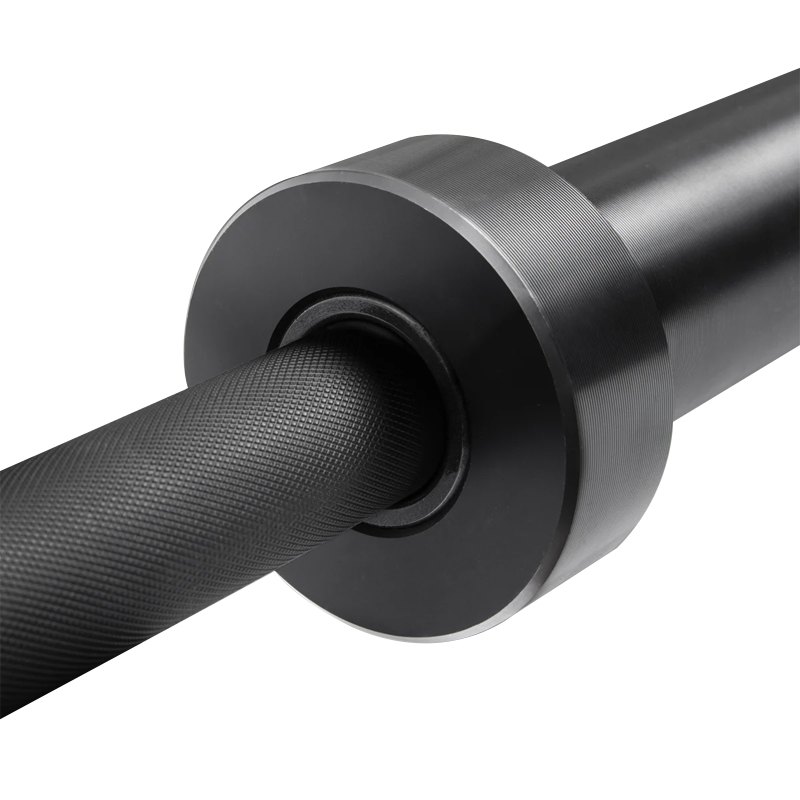
At the core of barbell engineering is steel composition and heat treatment. Premium Olympic barbells utilise chromoly or high-carbon steel with tensile strengths exceeding 190,000 PSI, enabling them to withstand repeated 300–500kg loads without permanent deformation. The whip or flex of the bar—its ability to bend and recover during heavy squats or deadlifts—is carefully calibrated by varying the shaft diameter and shoulder placement. Conversely, powerlifting barbells feature thicker shafts (29mm versus 28mm for Olympic bars) and aggressive knurling to enhance grip security during low-rep, high-intensity lifts, sacrificing whip for rigidity. These engineering trade-offs directly influence performance, safety, and user experience across different training modalities.
Bar weight classifications further expand the landscape. Men's Olympic bars weigh 20kg (44lb) with a 28mm shaft and medium knurling; women's bars weigh 15kg (33lb) with a 25mm shaft and finer knurling. Technique bars at 5–10kg and junior bars at 7.5kg serve developmental athletes and youth programmes, while deadlift bars feature extended length and increased whip to reduce the starting pull distance. Each variant adheres to specific load ratings and dimensional standards, ensuring compatibility with standard 50mm diameter plates and competition collars. Commercial facility operators must align barbell selection with their clientele's training levels, lifting frequency, and discipline specialisation to maximise equipment utility and safety compliance.
Maintenance and lifespan considerations add another layer to procurement decisions. High-quality barbells with hard chrome or black oxide finishes resist corrosion and maintain rotational performance for 5–7 years of commercial use, provided sleeve bushings or bearings are lubricated periodically. Facilities with heavy Olympic lifting traffic often designate competition bars exclusively for platform use, while dedicating lower-cost training bars for general conditioning—a strategy that extends premium bar longevity. Ultimately, barbell selection should reflect both the technical demands of the training population and the facility's operational budget, recognising that the barbell is not merely a tool but the fundamental interface between athlete and load, where precision engineering directly translates to training efficacy and user confidence.
Let our experts design the perfect gym solution for your business. Get a free consultation and quote today.