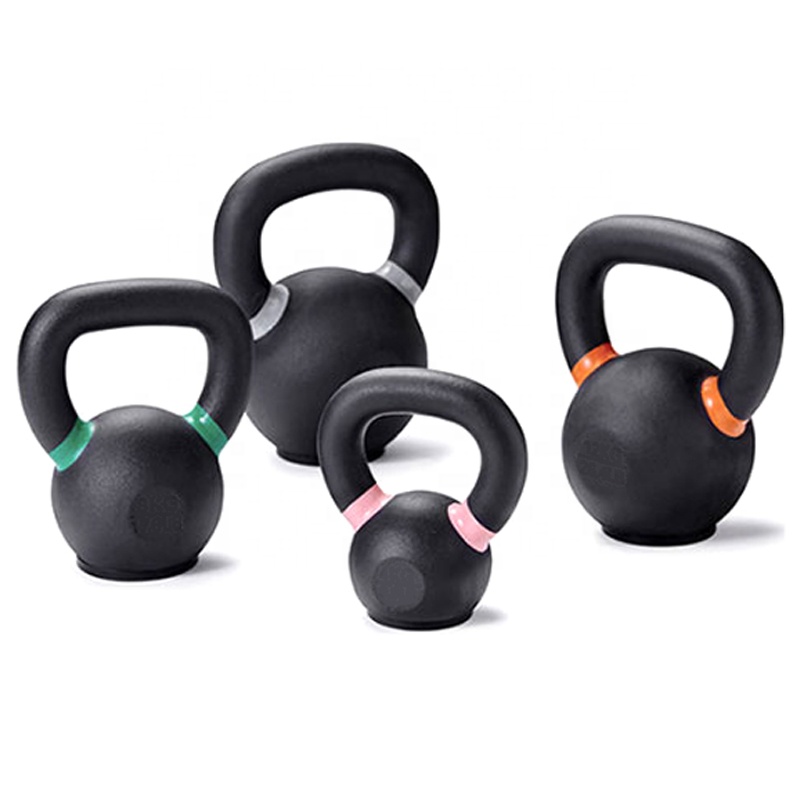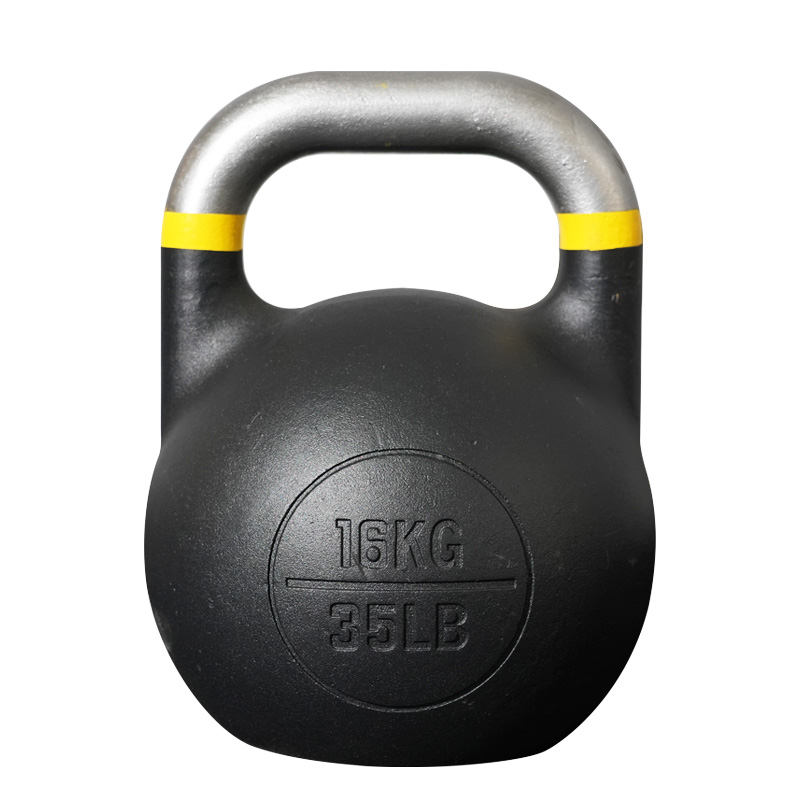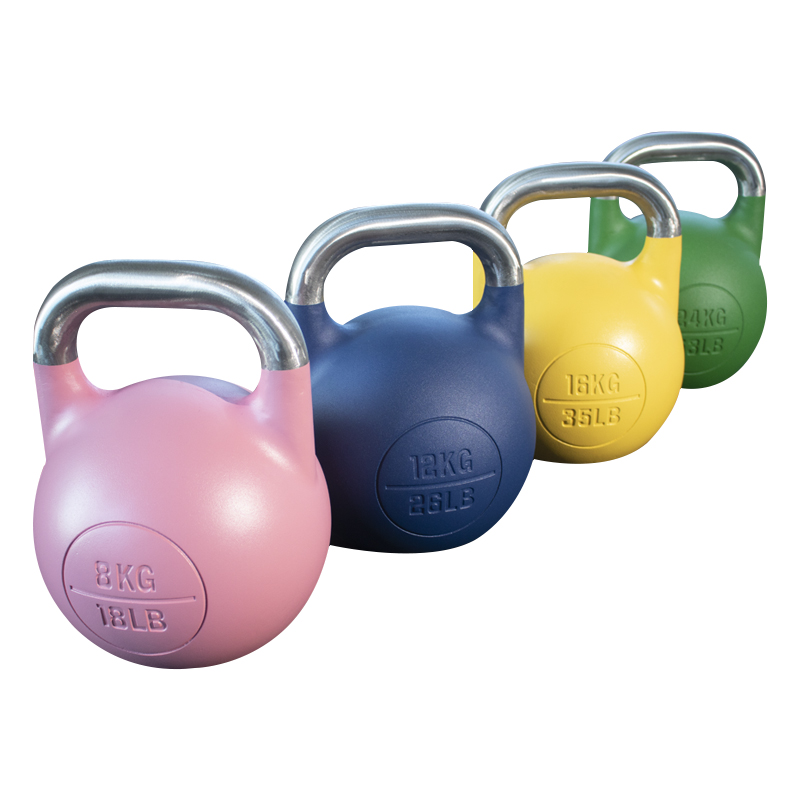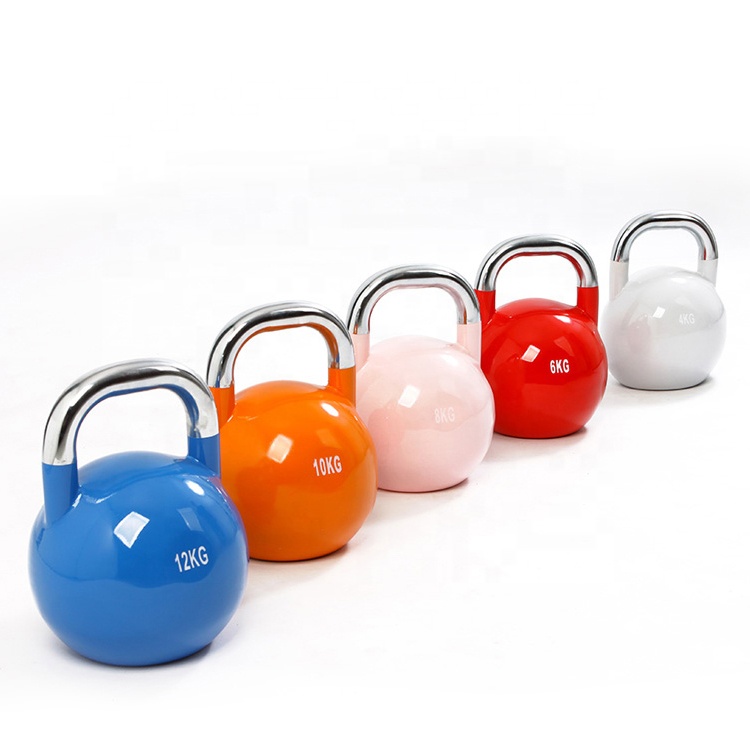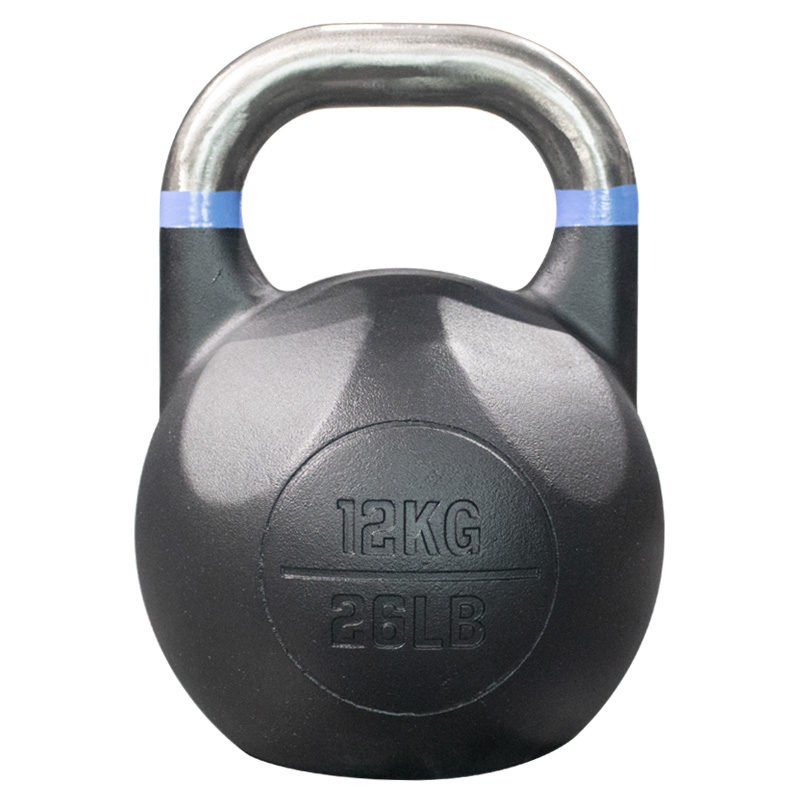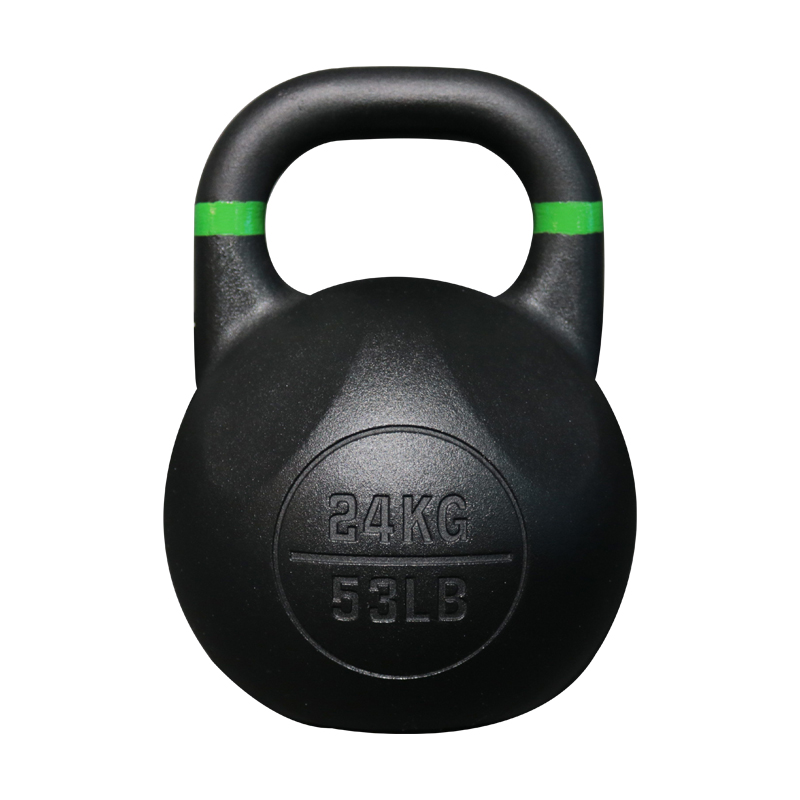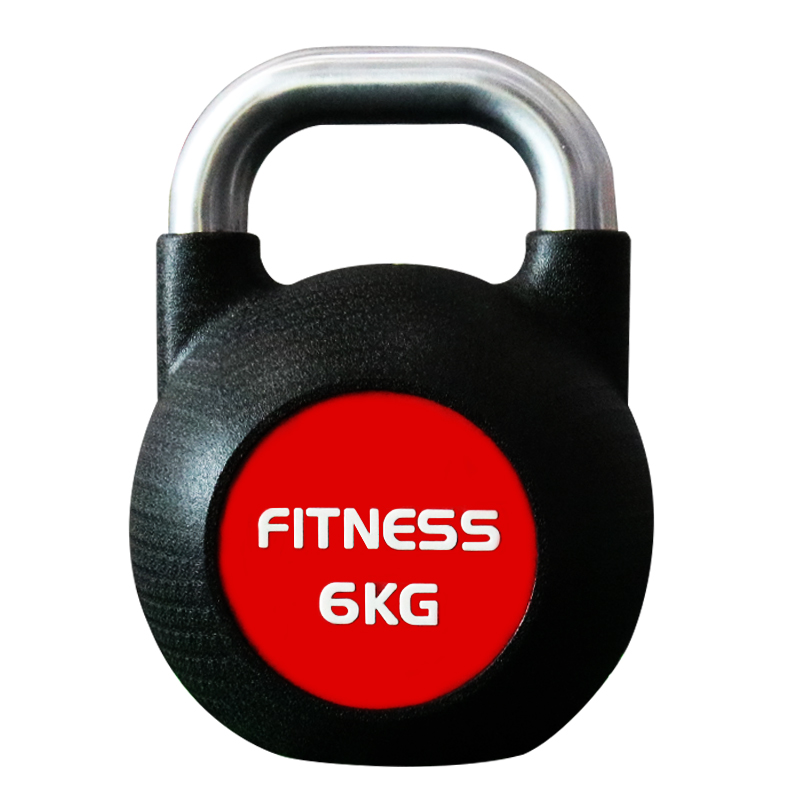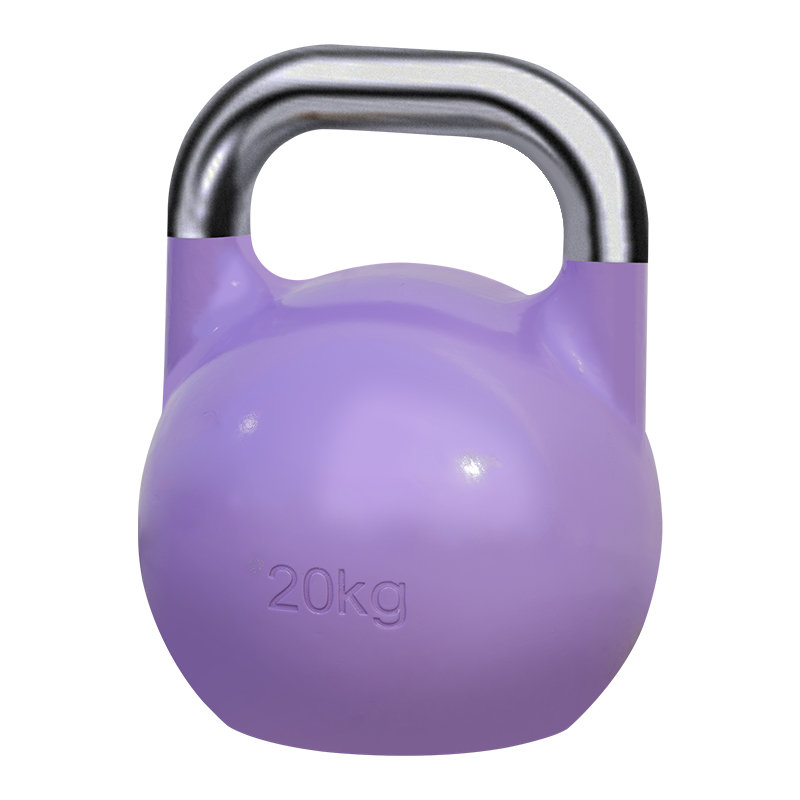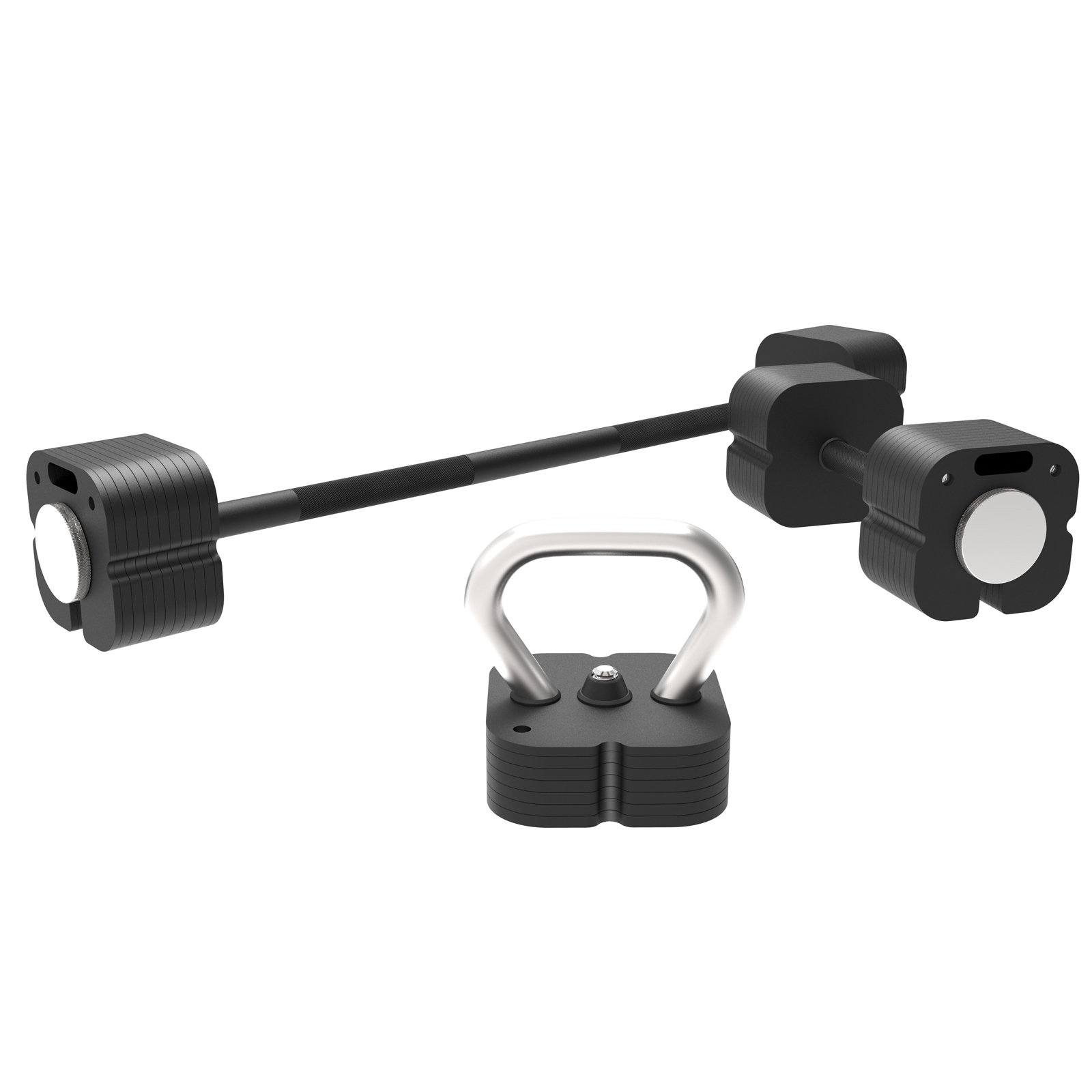
Kettlebell exercises have revolutionized how both amateur and professional athletes approach strength training, conditioning, and mobility. This unique type of weight, characterized by its off-center gravity and solid cast-iron construction, enables a dynamic form of training that few other tools can match. Unlike traditional dumbbells, where the weight is centered, the asymmetrical balance of the kettlebell challenges the entire chain of stabilizing muscles, from ankles and knees to hips, spine, and shoulders. This fundamental mechanics makes kettlebell exercises indispensable for athletes seeking explosiveness, endurance, and injury prevention. Whether the goal is to build raw strength, improve cardiovascular capacity, or rehabilitate old injuries, kettlebell training offers a versatility and efficiency that makes it a cornerstone of modern training.
To master kettlebell techniques, the practitioner must internalize the principles of force transfer from the ground up. Core exercises like the kettlebell swing activate the glutes and hamstrings in an explosive hip hinge, far more than a conventional squat. This movement generates not only immense strength but also a significant cardiovascular load, making the swing a time-efficient fat-burning exercise. Mastering kettlebell snatches and kettlebell clean and jerks requires full-body coordination in a fluid sequence, where power starts in the hips and transfers through the core to the shoulder joint. This movement places high demands on shoulder stability and grip strength, helping to develop a stronger, more robust upper body. Proper technique is crucial to avoid injuries, especially in the lower back, and beginners are recommended to start with lighter weights (4–8 kg) to build correct muscle memory.
Advanced athletes often integrate full-body kettlebell exercises into a form of high-intensity interval training, where compound movements are performed with minimal rest between sets. For example, kettlebell swings can be combined with squats and renegade rows in a circuit to maximize both strength and endurance within a 20–30 minute timeframe. Kettlebell training's natural focus on explosiveness and eccentric control makes it ideal for sports such as martial arts, tennis, and football, where fast, multi-directional movements are crucial. Experienced trainers often recommend the kettlebell swing as one of the most effective single exercises for improving hip mobility and glute strength, which is critical for preventing common lower back pain. Research has shown that a regular kettlebell practice can increase maximal oxygen uptake (VO2max) by up to 15% in previously trained individuals.
To achieve maximum benefits from kettlebell programs, athletes must focus just as much on mobility and warm-up as on the main exercises themselves. A dynamic warm-up with hip openers, arm circles, and light swings prepares the joints for the loads that follow. After the main workout, a cool-down with static stretching and active mobilization exercises is essential to maintain flexibility and reduce stiffness. For those wishing to develop a complete routine, kettlebell strength exercises such as the military press, get-ups, and endurance lifts can be performed in a progressive system, where the weight is gradually increased alongside technical mastery. Kettlebell training thus provides a holistic approach that enhances strength, mobility, and endurance alike.

Let our experts design the perfect gym solution for your business. Get a free consultation and quote today.