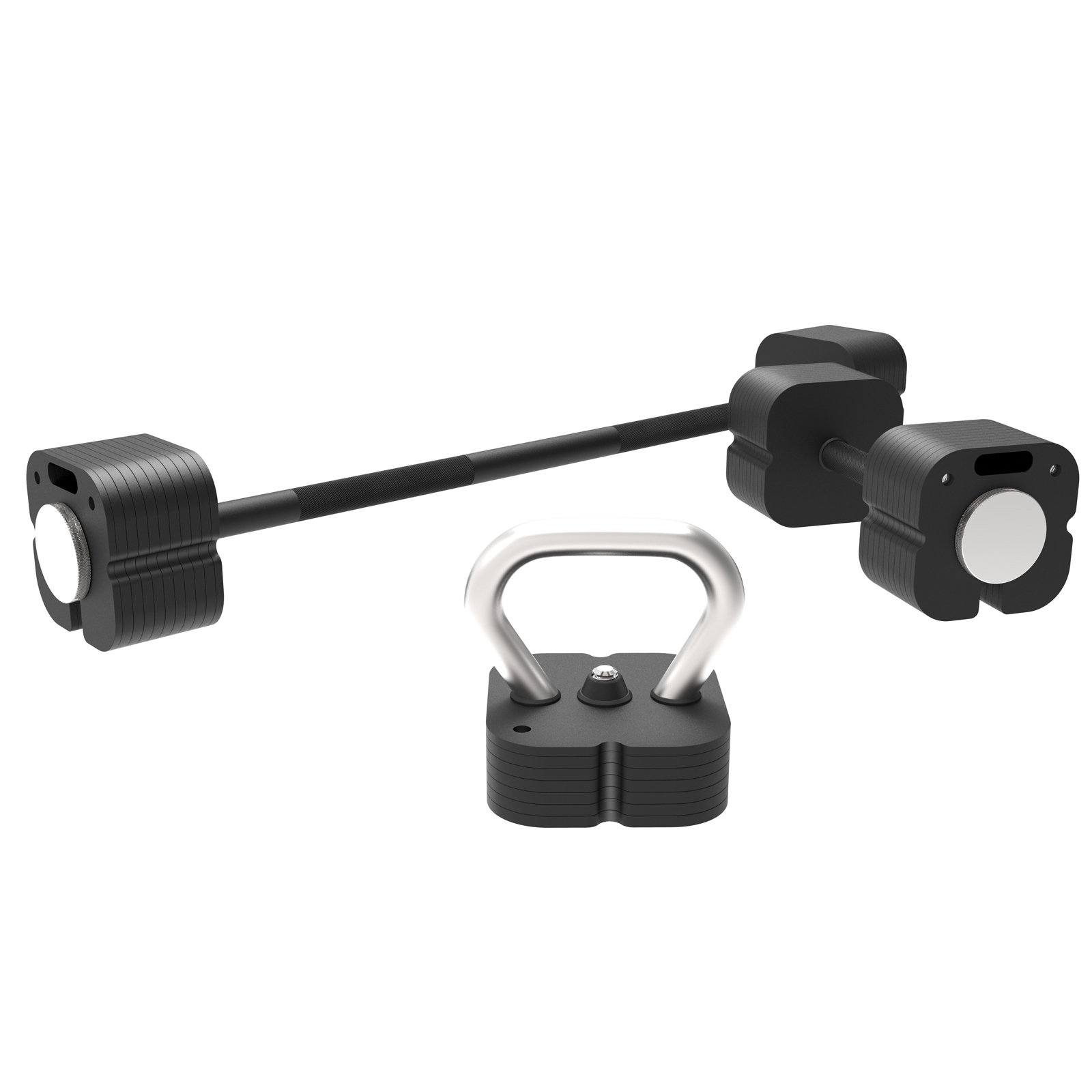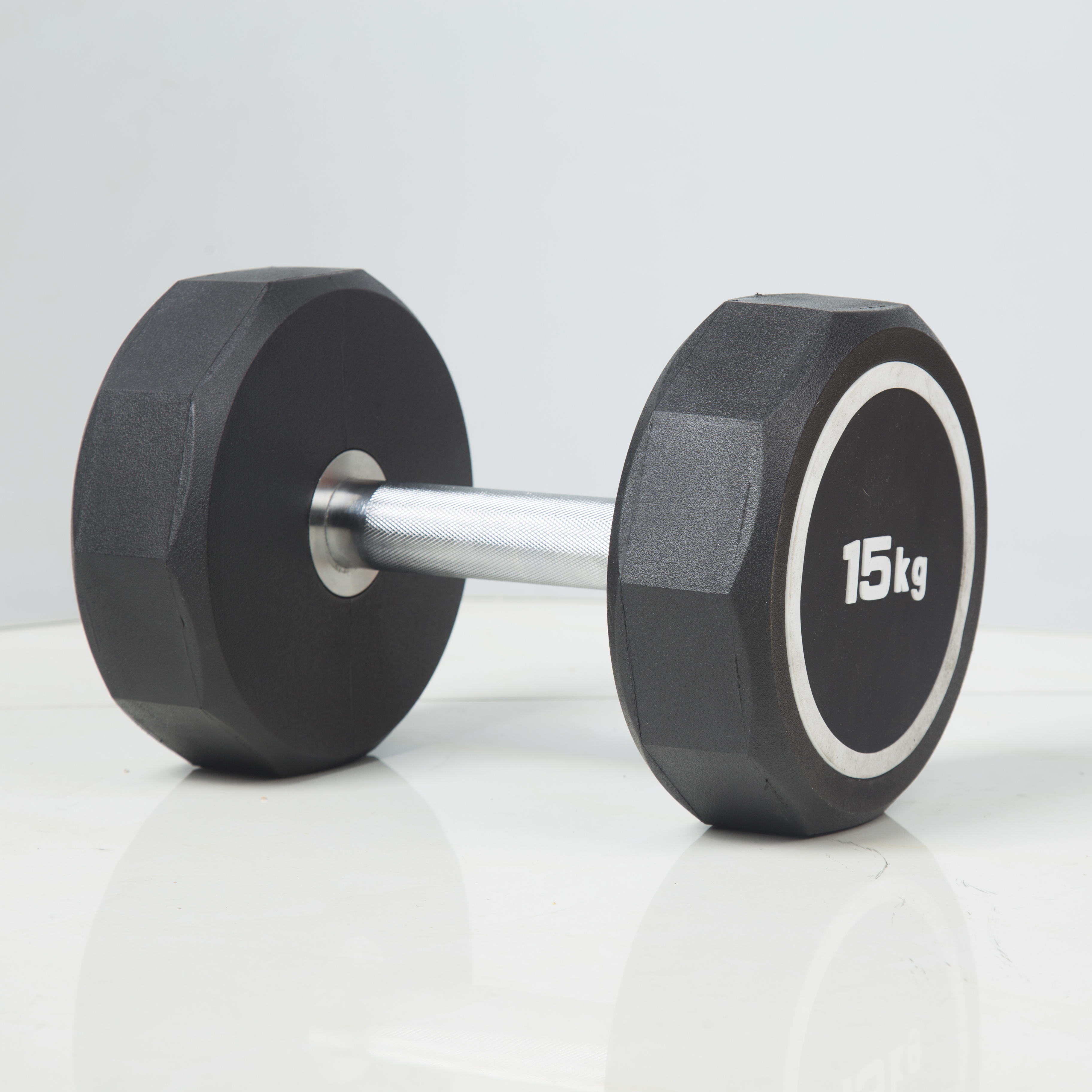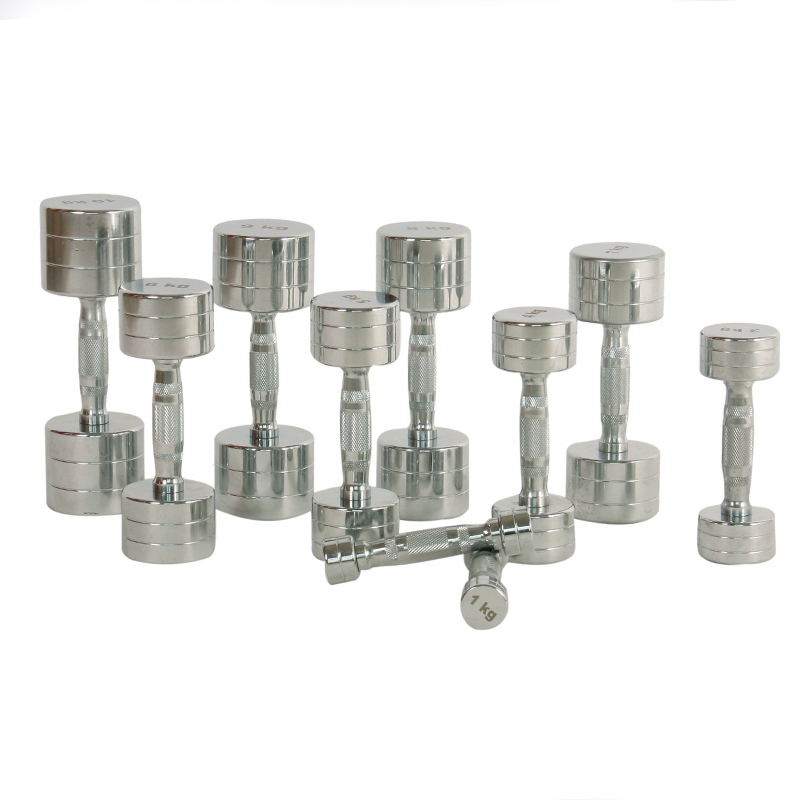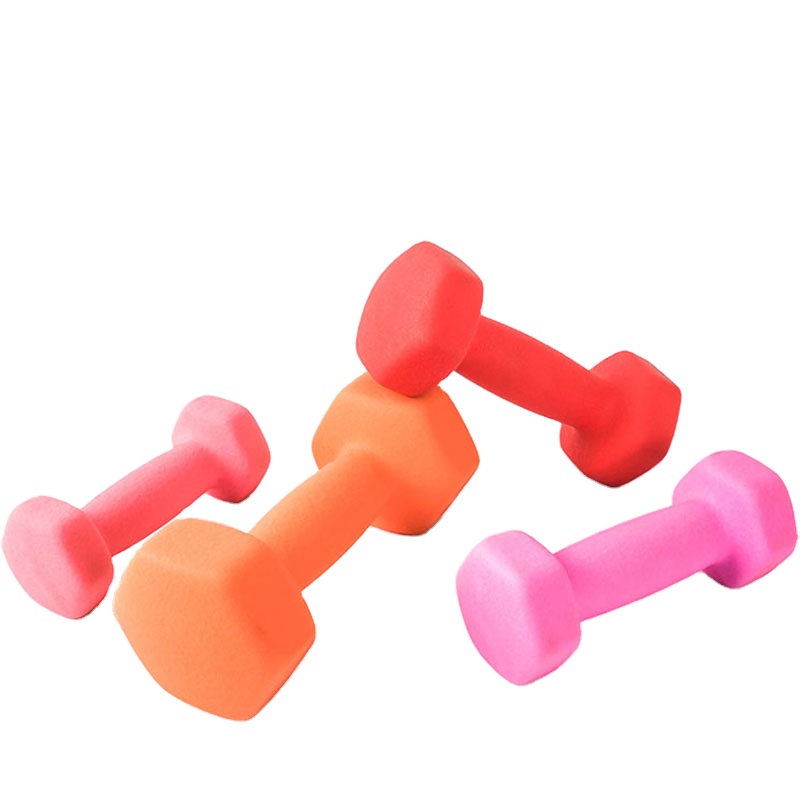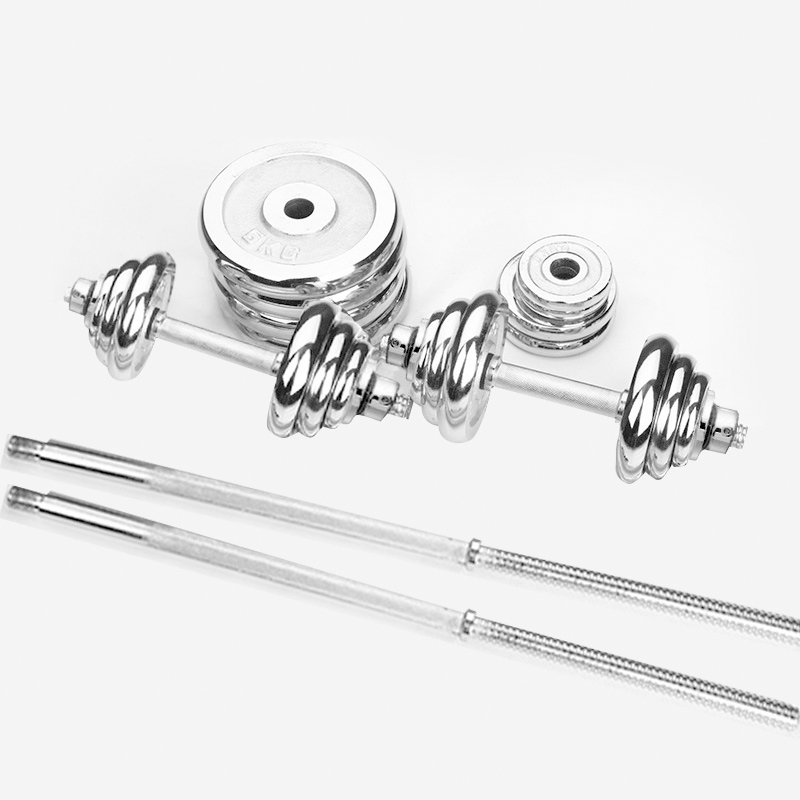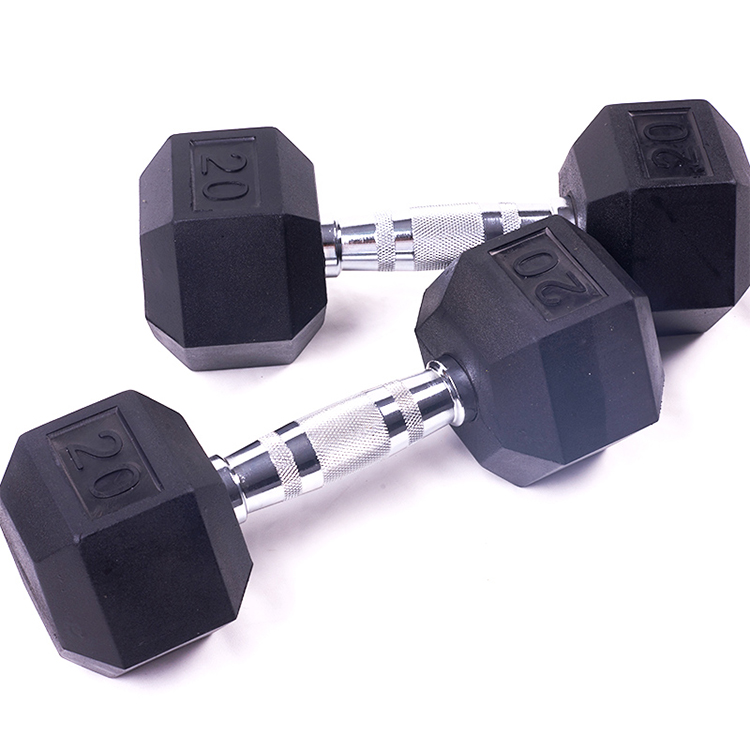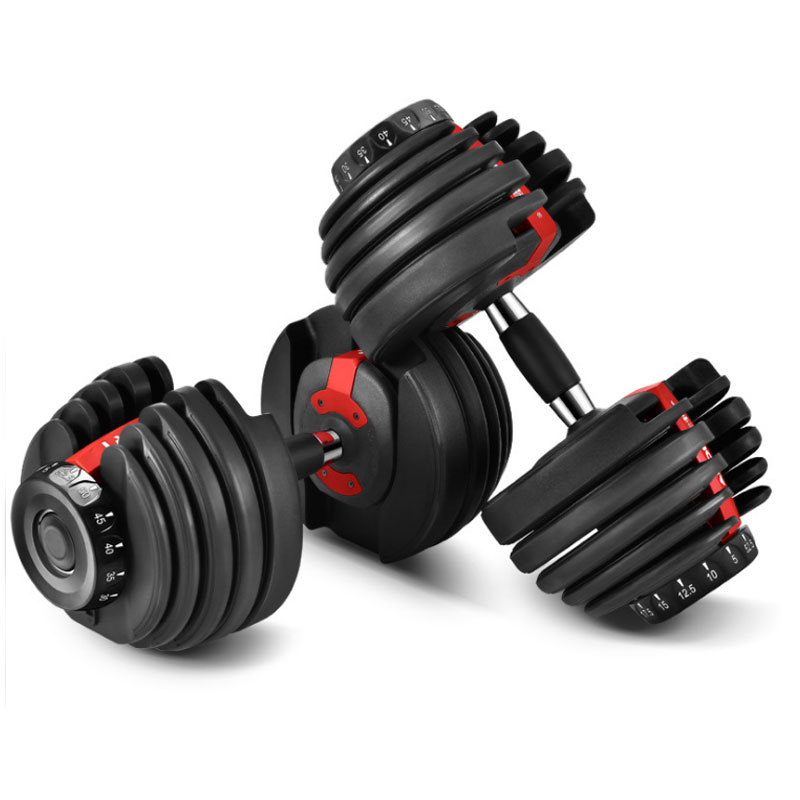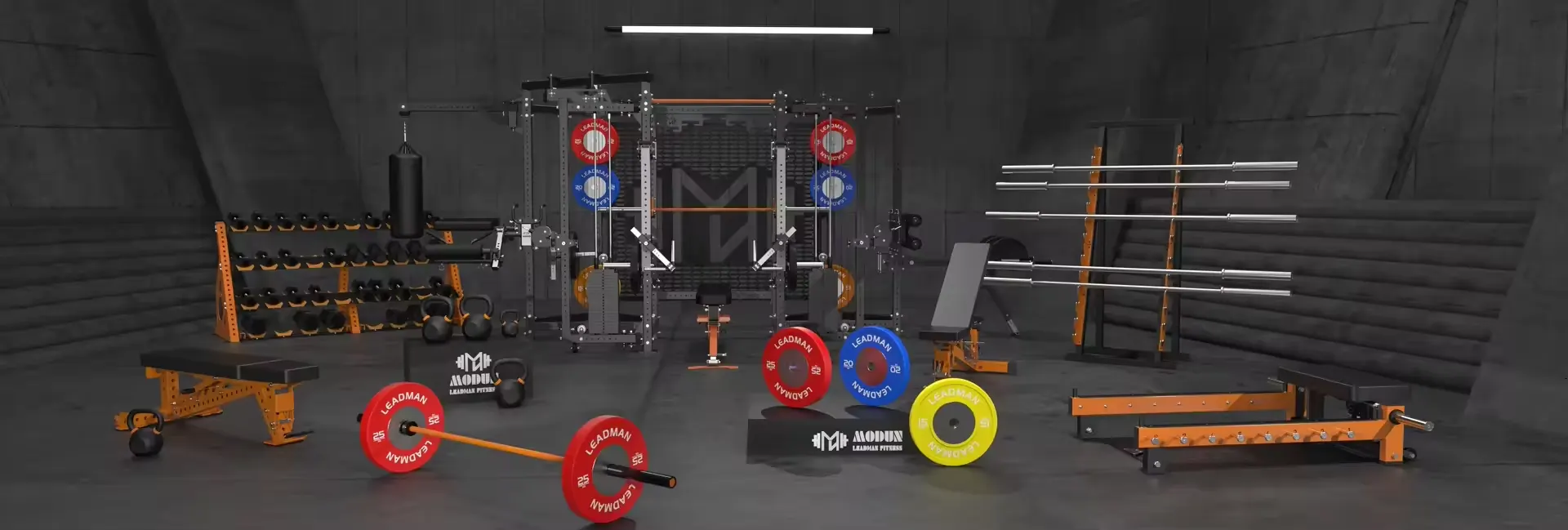
Olympic dumbbells represent a distinct category of free weights engineered to accept standard 50mm Olympic barbell plates, combining the biomechanical advantages of traditional dumbbells with the versatility and load scalability of plate-loaded systems. Unlike fixed-weight commercial dumbbells, which are limited to a single mass, Olympic dumbbells allow users to incrementally adjust resistance by swapping plates, making them indispensable for facilities with diverse training populations or those requiring precise micro-loading for progressive overload. The defining feature is the rotating sleeve mechanism—mirroring the Olympic barbell—which minimizes torque on the wrists and elbows during dynamic movements, reducing injury risk and enabling smoother execution for cleans, snatches, and overhead presses.
The engineering of high-quality Olympic dumbbells centers on the hub and sleeve interface. A precision-machined steel core accepts 50mm Olympic plates, secured by a spring-loaded collar or locking clip. Premium models feature a chromium-plated or stainless steel sleeve with a knurled grip area that provides secure hand placement; some incorporate rotating sleeves via needle bearings or bronze bushings to achieve independent rotation. This rotational independence is critical for high-velocity lifts, where non-rotating handles can transmit harmful torque to the wrist joint. The handle itself—typically 30–50cm in length—must accommodate multiple plates while maintaining a balanced center of gravity. The best designs achieve load symmetry by keeping the hand-grip zone centered relative to the plate-loading sleeves, ensuring that the user feels the same balance characteristics regardless of plate combination.
Market trends show Olympic dumbbells gaining traction in boutique facilities, CrossFit boxes, and specialized strength studios due to their space-saving nature and relative cost efficiency compared to full fixed-dumbbell racks. Instead of purchasing entire fixed-weight sets ranging from 2.5kg to 50kg, a facility can invest in a smaller number of handles and a comprehensive plate inventory, achieving equivalent programming capacity at roughly 60–70% of the capital cost. Furthermore, Olympic dumbbells occupy significantly less floor space when stored vertically or on dedicated stands, making them ideal for compact training environments. One functional fitness facility in Chicago reported that replacing fixed dumbbells with Olympic plate-loaded alternatives saved 12 square meters of floor space while allowing members access to incremental weights from 5kg to 45kg—far exceeding their previous 2.5–25kg fixed range.
Selecting the optimal Olympic dumbbell solution requires careful attention to compatibility, user experience, and facility logistics. Verify that the sleeve diameter accepts standard Olympic plates (50mm) and that the locking mechanism—whether clip, collar, or screw-thread—provides firm retention without damaging plate hubs. Evaluate the knurling pattern and handle diameter; a medium-depth, 32–34mm grip suits most users, but consider options with aggressive knurling for competitive environments. Assess the overall length: compact handles (under 40cm) are easier to maneuver for overhead pressing, while longer handles (45cm+) accommodate multiple plates for heavy deadlifts. For facilities with mixed plate inventories, test plate compatibility; some budget Olympic dumbbells have shorter sleeves that do not accommodate thicker bumper plates. Also factor in storage—rack-mounted vertical stands with individual handle slots minimize plate swapping time and improve organization. For high-turnover settings, consider quick-change collars with finger-tight operation to reduce transition delays between sets.
Let our experts design the perfect gym solution for your business. Get a free consultation and quote today.