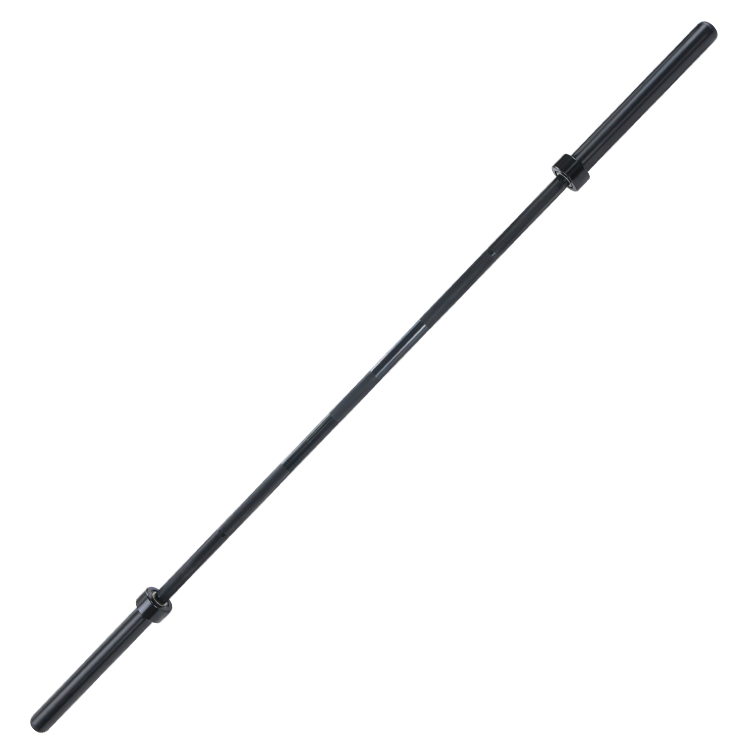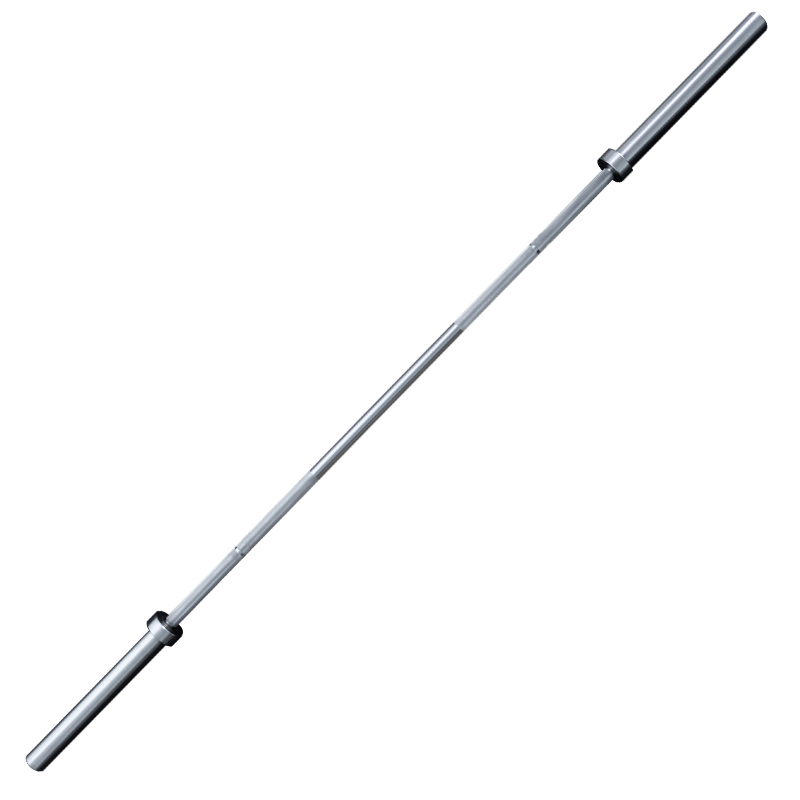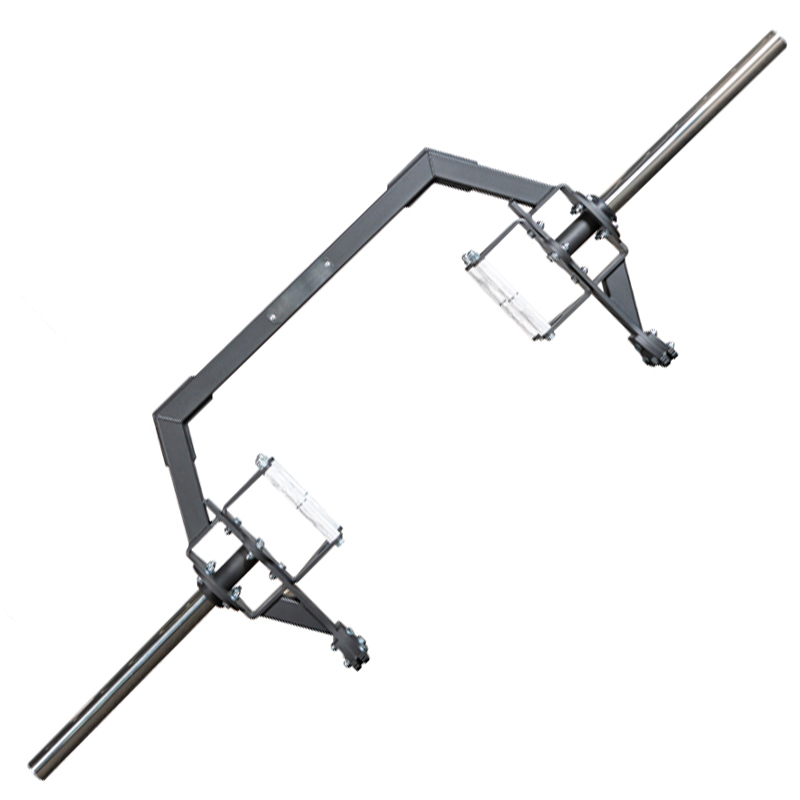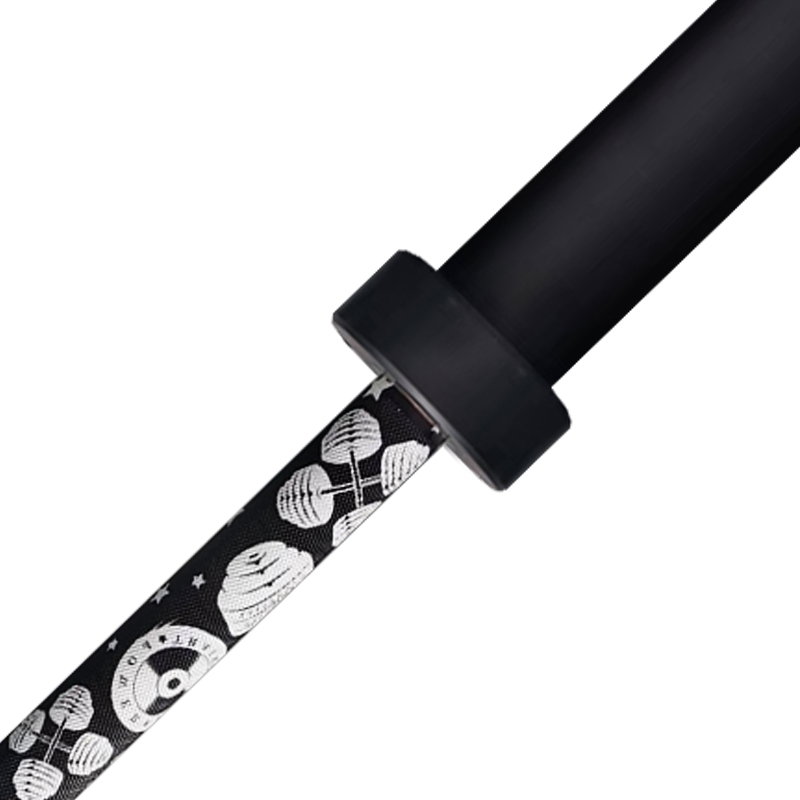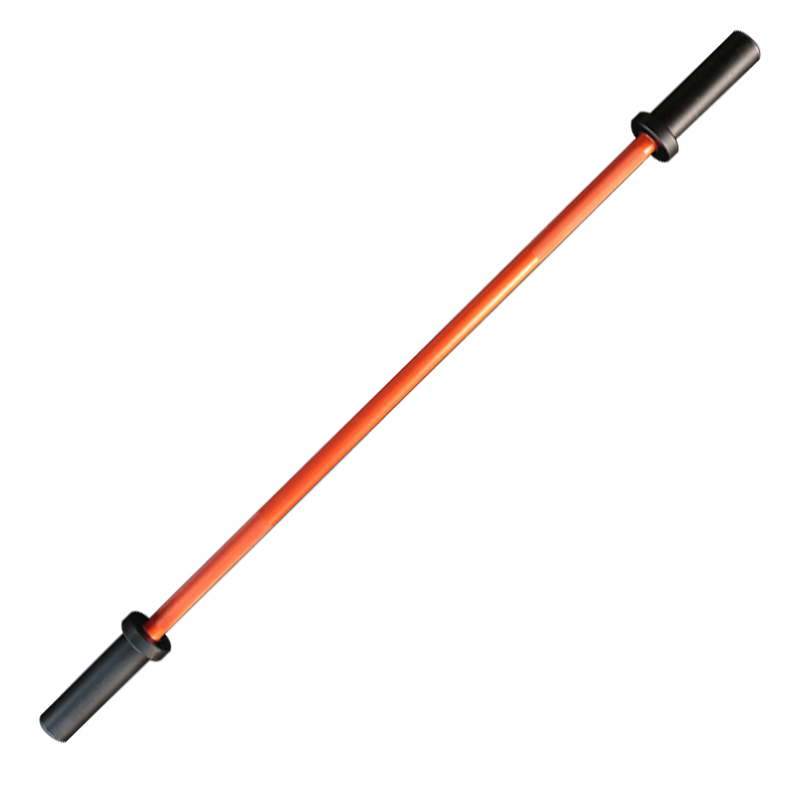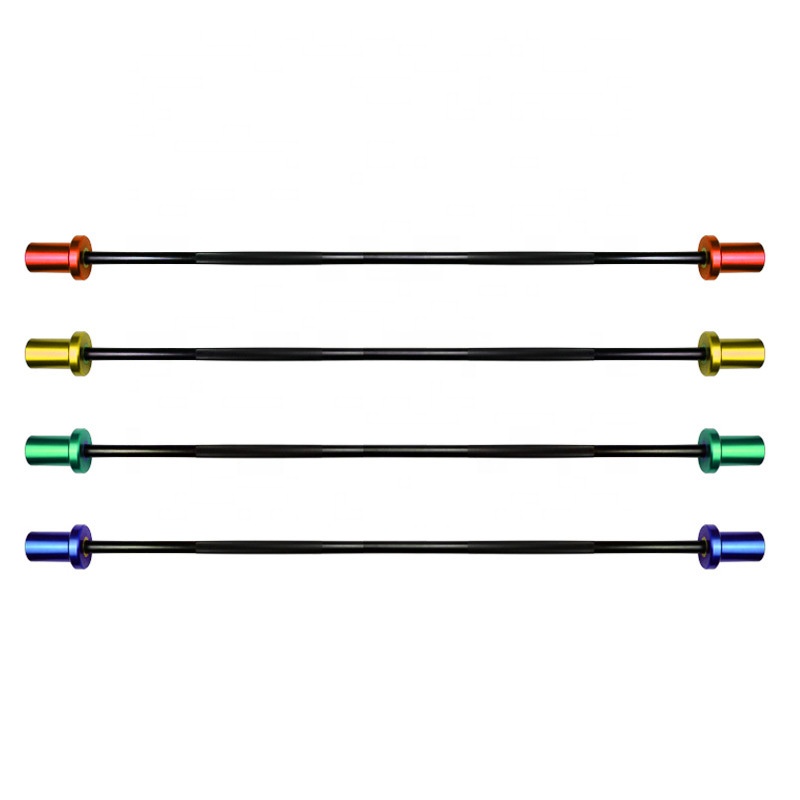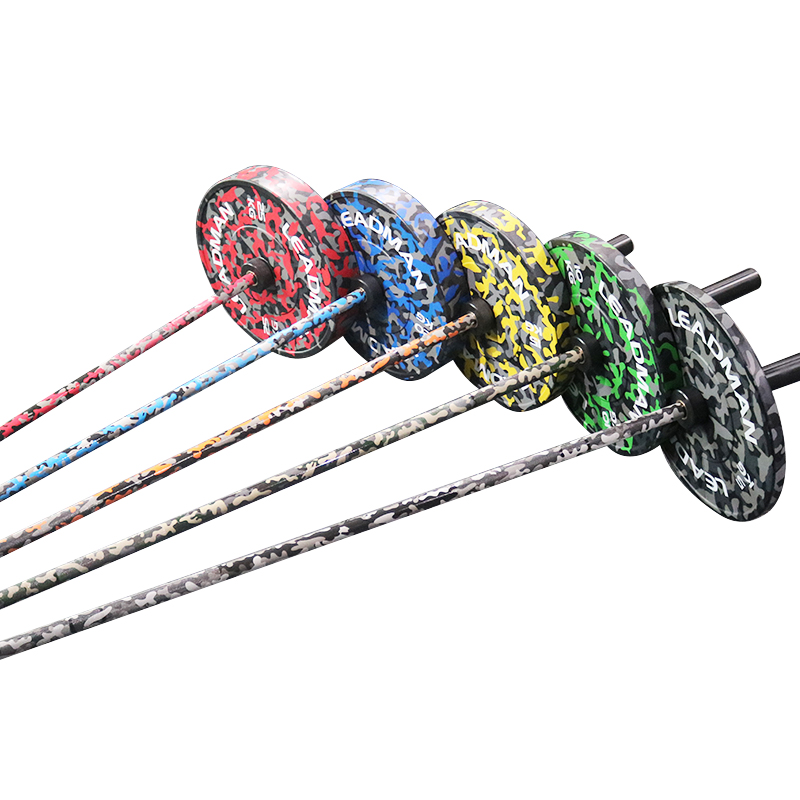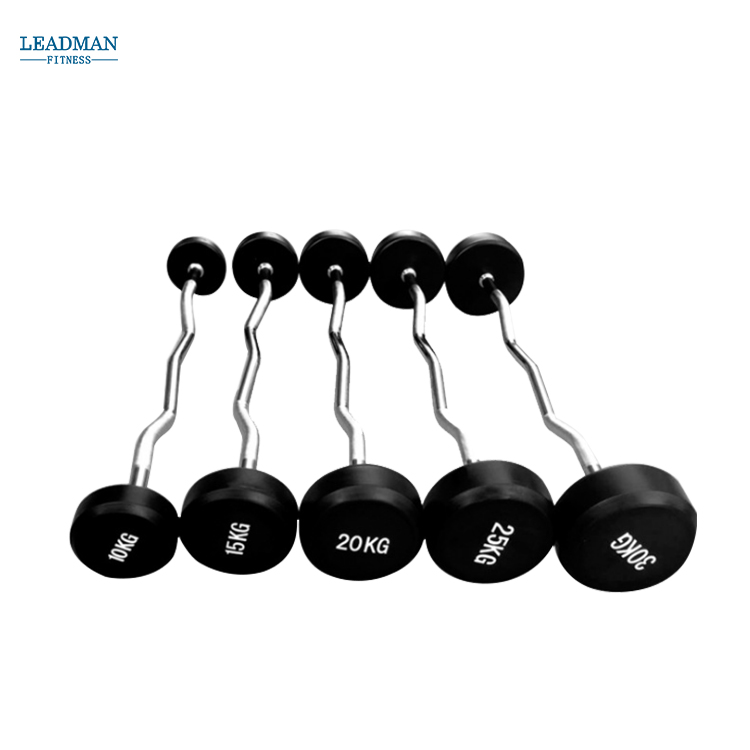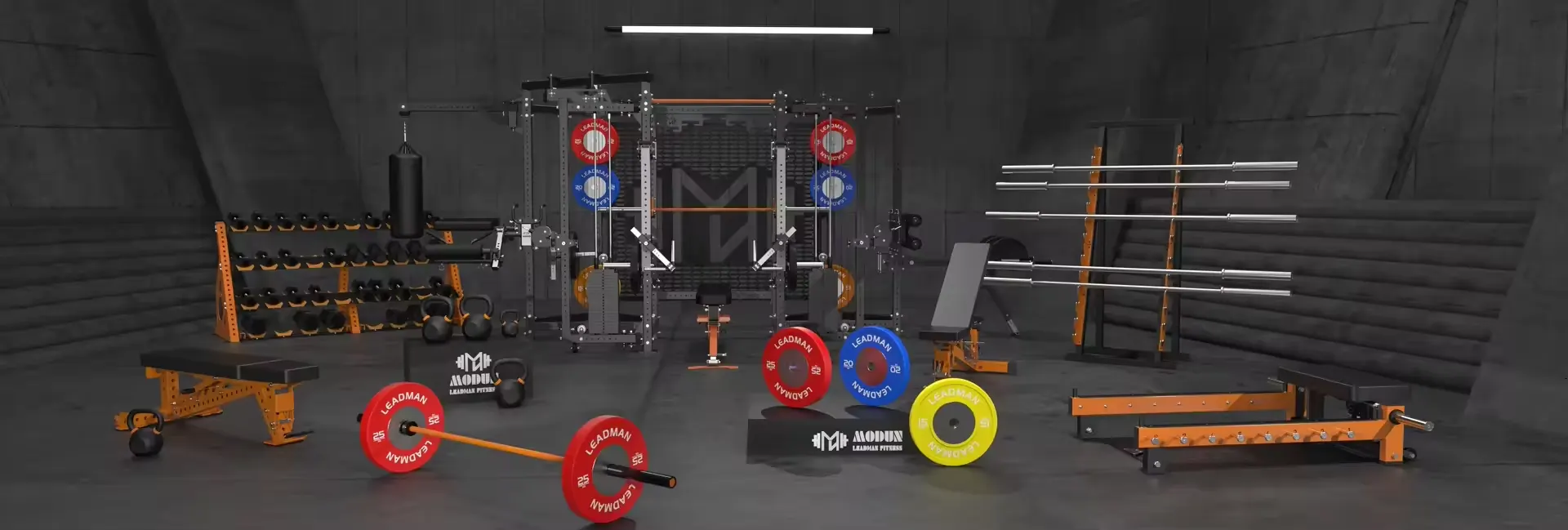
Olympic barbell manufacturers form a specialized segment of the global fitness supply chain, distinguished by their capacity to produce equipment that meets the rigorous dimensional, weight, and performance specifications set by the International Weightlifting Federation (IWF). This is not a mass-production commodity; it is precision engineering where tolerances are measured in fractions of a millimeter, and steel tensile strength directly impacts the bar's safety and functionality under extreme loads. The manufacturing landscape spans from established Western brands with decades of competition heritage to high-volume Asian producers offering cost-competitive alternatives, each serving distinct market tiers.
An understanding of the manufacturing process itself is critical for evaluating a supplier's capability. At the heart of a quality bar is the steel selection and heat treatment; top-tier manufacturers source high-grade alloy steel and subject it to rigorous quenching and tempering processes to achieve the desired tensile strength (190,000-220,000 PSI) without compromising ductility. The precision machining of the shaft and sleeves ensures a perfectly straight bar with consistent diameter, vital for smooth plate loading and secure collaring. The bearing or bushing assembly is a key differentiator; needle bearings provide the superior spin required for dynamic Olympic lifts, while bushings offer a more affordable, durable, albeit less fluid, rotation suitable for general strength training. Leading manufacturers often use proprietary coating technologies, such as hard chrome or cerakote, to enhance corrosion resistance and durability.
Manufacturers typically align their product portfolios with specific market segments. Premium, competition-grade manufacturers focus on IWF-certified bars, using the finest materials and the most stringent quality control. Their products are the gold standard for professional athletes and elite facilities, but come with a correspondingly high price point and often longer lead times. Mid-tier commercial manufacturers produce bars that balance quality with cost, offering durable equipment suitable for high-volume commercial gyms and CrossFit boxes, often with a focus on versatile, multi-purpose bars. Value/budget manufacturers, frequently based in Asia, provide entry-level or private-label options, prioritizing affordability and volume production, making them attractive for large-scale procurement and start-up facilities.
Evaluating an Olympic barbell manufacturer goes beyond product sampling; it necessitates a deep dive into their quality assurance protocols, production capacity, and supply chain management. A transparent manufacturer will provide documented load testing results, material certifications, and clear warranty terms. For commercial buyers, a supplier's ability to maintain consistent product runs and reliable lead times is as important as the initial product quality. Ultimately, the choice of manufacturer is a strategic decision, balancing immediate budget constraints against long-term performance and equipment longevity, and directly shaping a facility's reputation for quality and professionalism.
Let our experts design the perfect gym solution for your business. Get a free consultation and quote today.