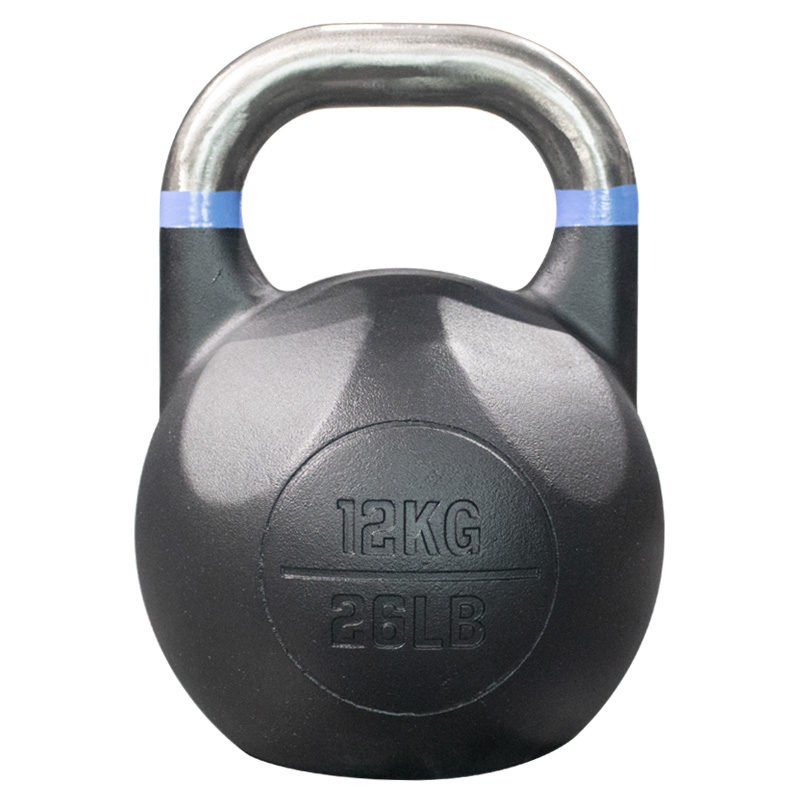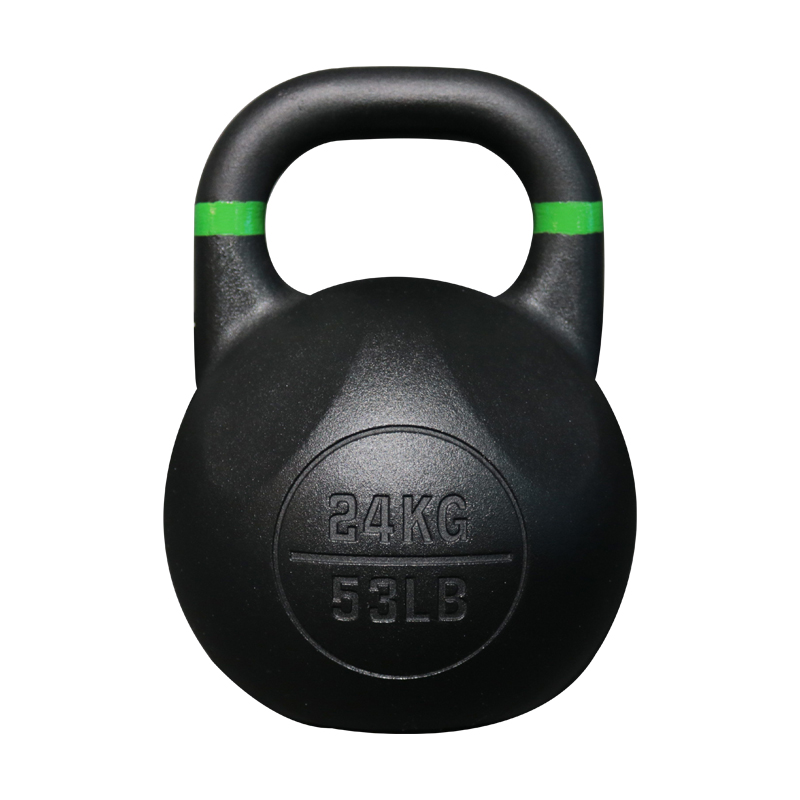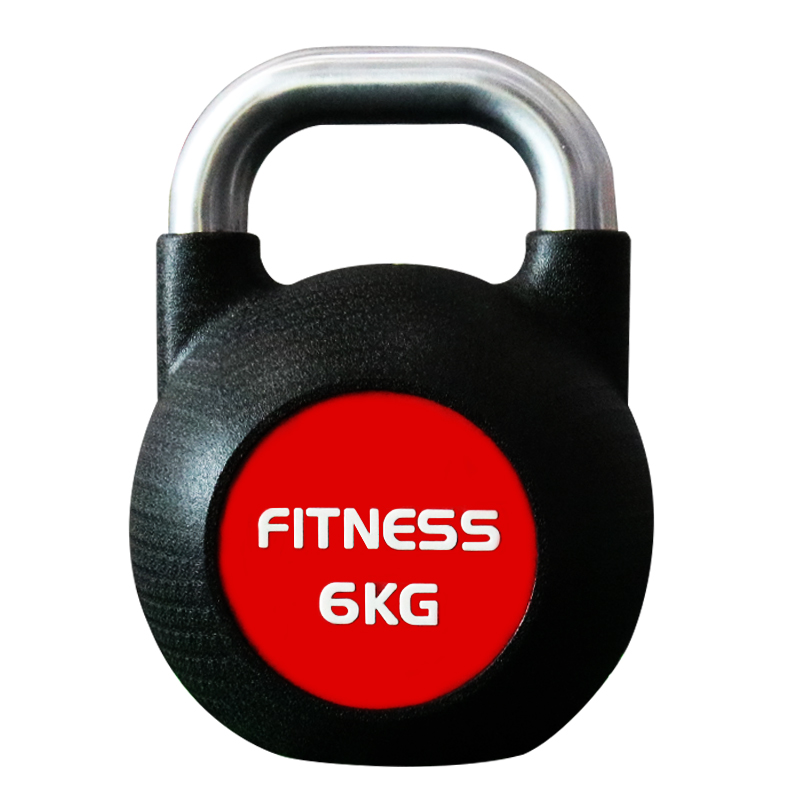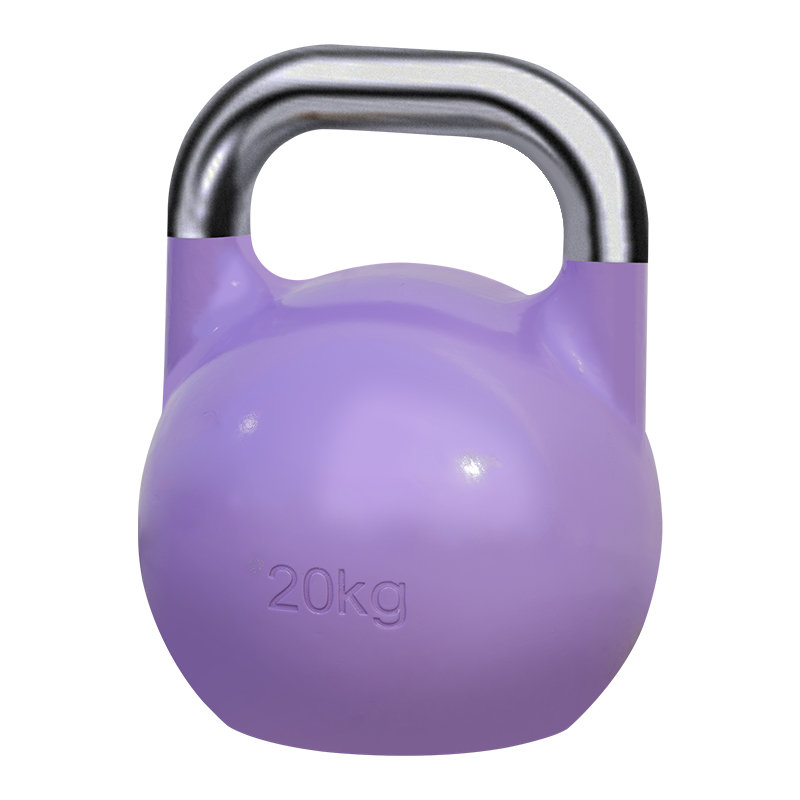
Few exercises in the strength and conditioning realm command the respect and deliver the comprehensive benefits of the kettlebell swing. This fundamental, explosive hip-hinge movement is a cornerstone of functional fitness, renowned for its unparalleled ability to develop posterior chain power, elevate cardiovascular conditioning, and incinerate calories in a remarkably short period. Unlike a squat, which relies primarily on knee flexion, the swing is driven by the hips, engaging the glutes, hamstrings, and lower back in a coordinated, ballistic sequence that builds raw strength and muscular endurance simultaneously.
The mechanical perfection of the kettlebell swing lies in its exploitation of the kettlebell's unique center of mass. As the bell arcs between the legs and up to chest height, the lifter must engage the core to resist rotation and maintain a rigid spine, transforming the swing into a full-body coordination exercise. The movement demands precise timing and bracing, teaching the body to generate force from the ground up—a transferable skill that enhances performance in sports and daily activities. This emphasis on timing and power generation is what makes the swing a superior training tool for athletes across numerous disciplines.
Executing a technically proficient swing requires disciplined attention to the hip hinge. The movement is initiated by breaking at the hips—pushing them backward as if to close a car door with the glutes—while keeping the chest up and the spine in a neutral position. The kettlebell is then thrust forward explosively by driving the hips forward and squeezing the glutes at the top of the movement. The bell should float up to chest level, propelled entirely by hip power, not by the shoulders or arms. This technique ensures that the hamstrings and glutes are the primary movers, maximizing the exercise's effectiveness and protecting the lower back from injury.
The versatility of the kettlebell swing makes it adaptable to a wide range of training goals. The single-arm variation introduces an element of anti-rotational core training and challenges shoulder stability, while the double-bell swing increases the load and intensity, building exceptional strength endurance. The swing can be incorporated as a dynamic warm-up, a main conditioning piece, or a finisher at the end of a workout. When performed in high-intensity intervals, it provides a potent stimulus for metabolic conditioning, elevating the heart rate rapidly and sustaining it through the set, leading to significant improvements in cardiovascular health and body composition.
For commercial facilities, integrating the kettlebell swing into group classes and personal training programs is a strategic move to attract a diverse clientele. Its low barrier to entry—requiring only a kettlebell and sufficient space—makes it accessible to all fitness levels, yet its scalability and technical demands ensure that advanced athletes remain challenged. By promoting this fundamental movement, gyms can foster a culture of functional strength and empower members to achieve their fitness goals efficiently.

Let our experts design the perfect gym solution for your business. Get a free consultation and quote today.