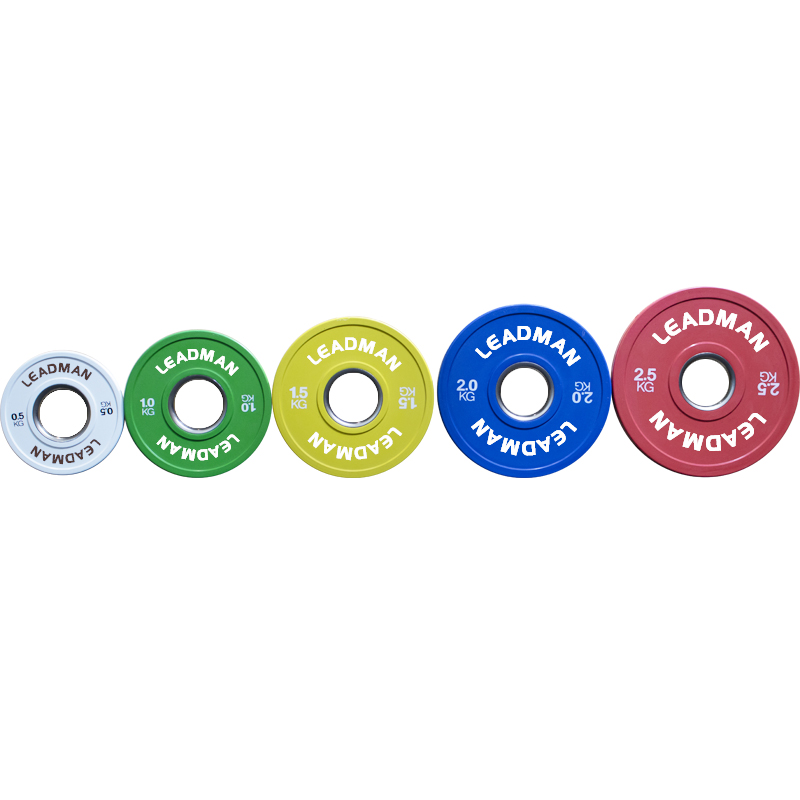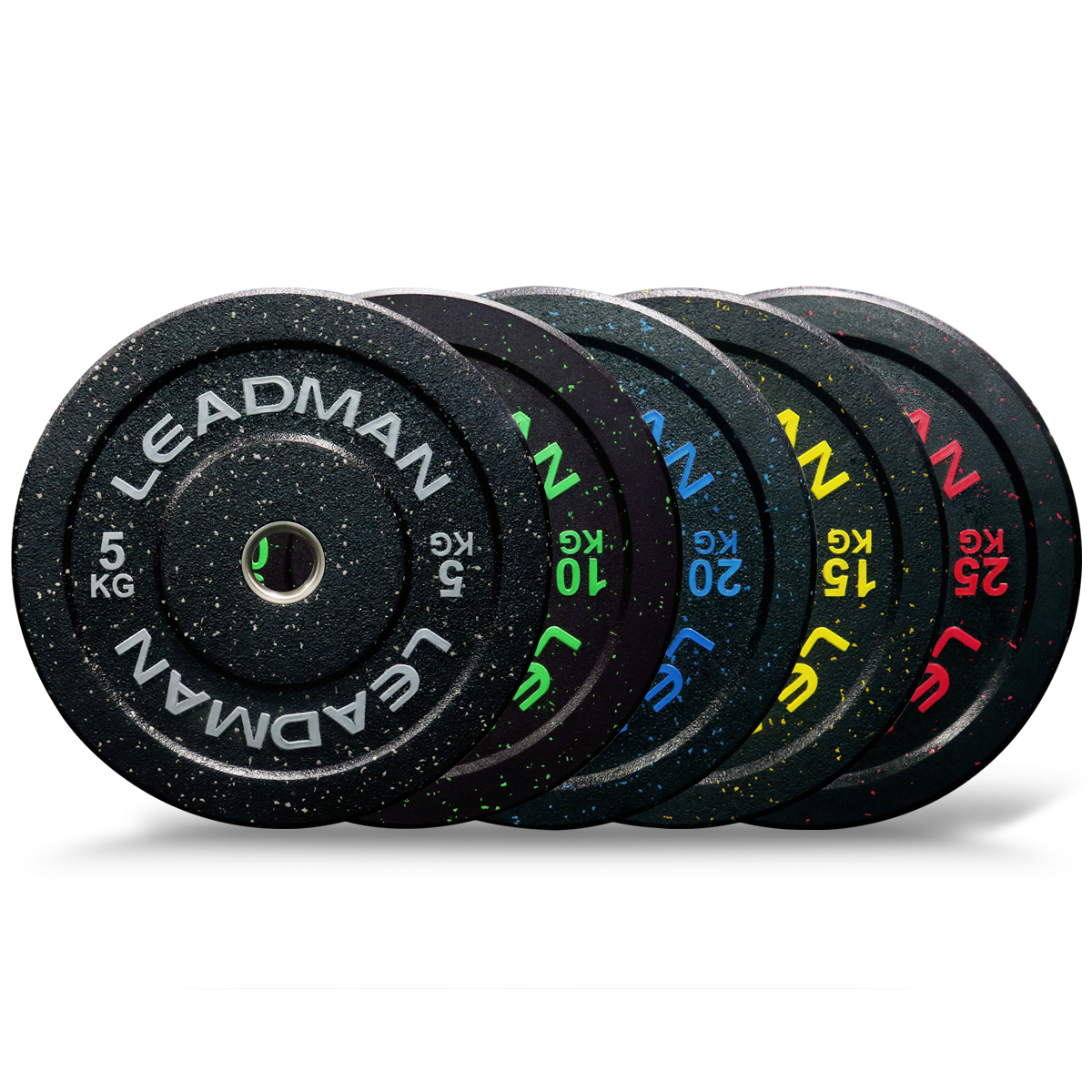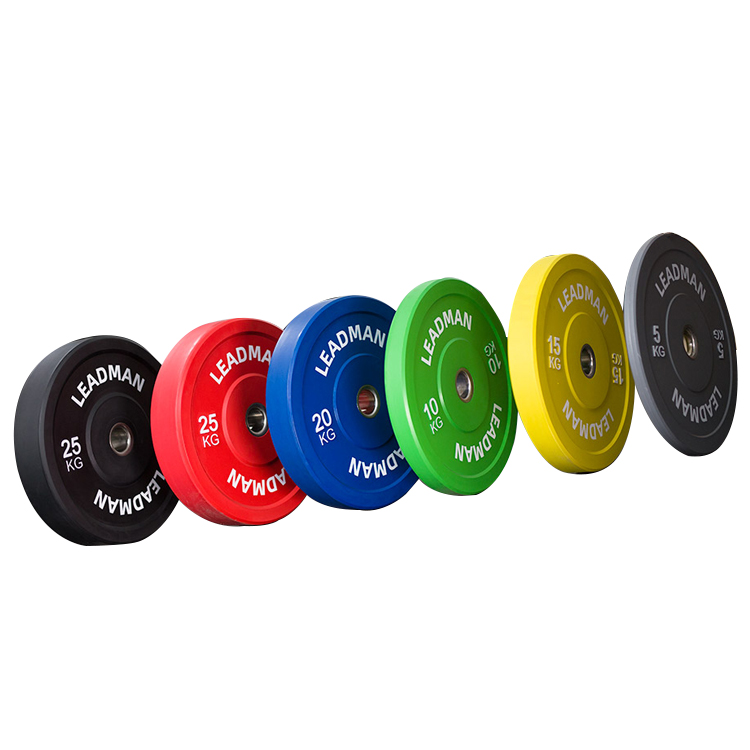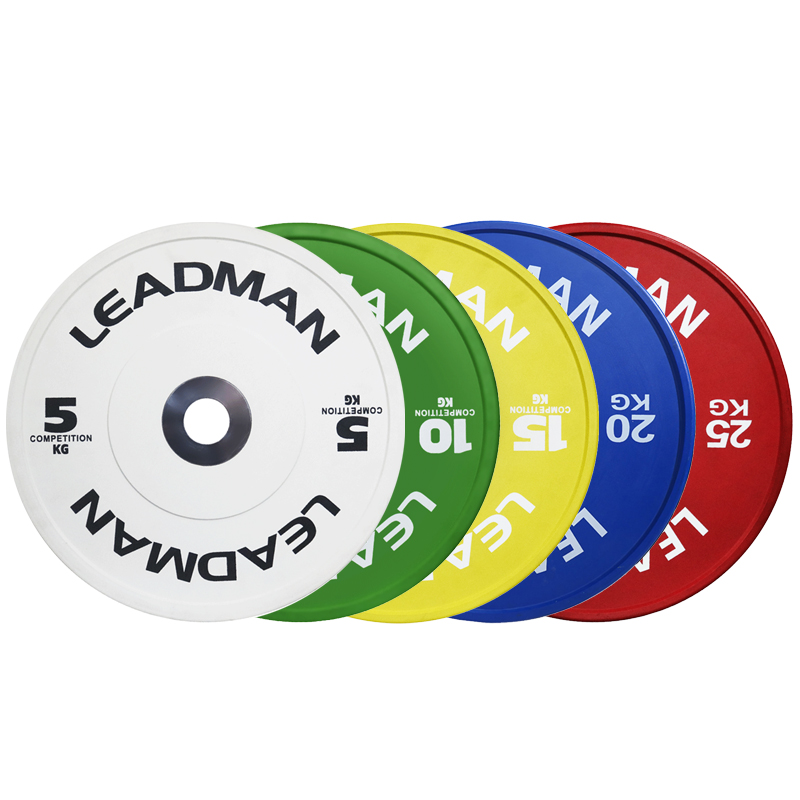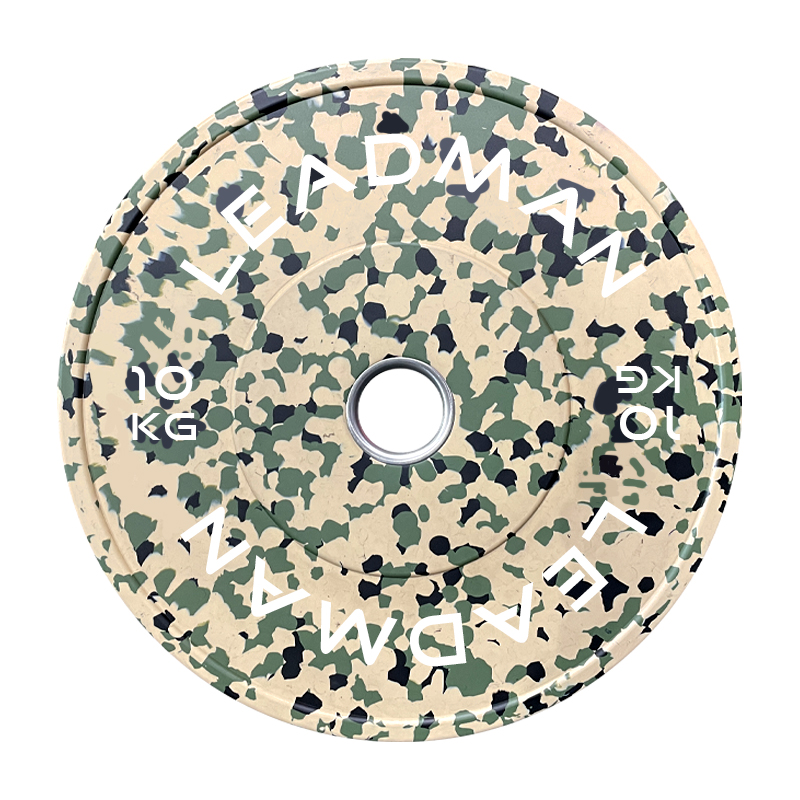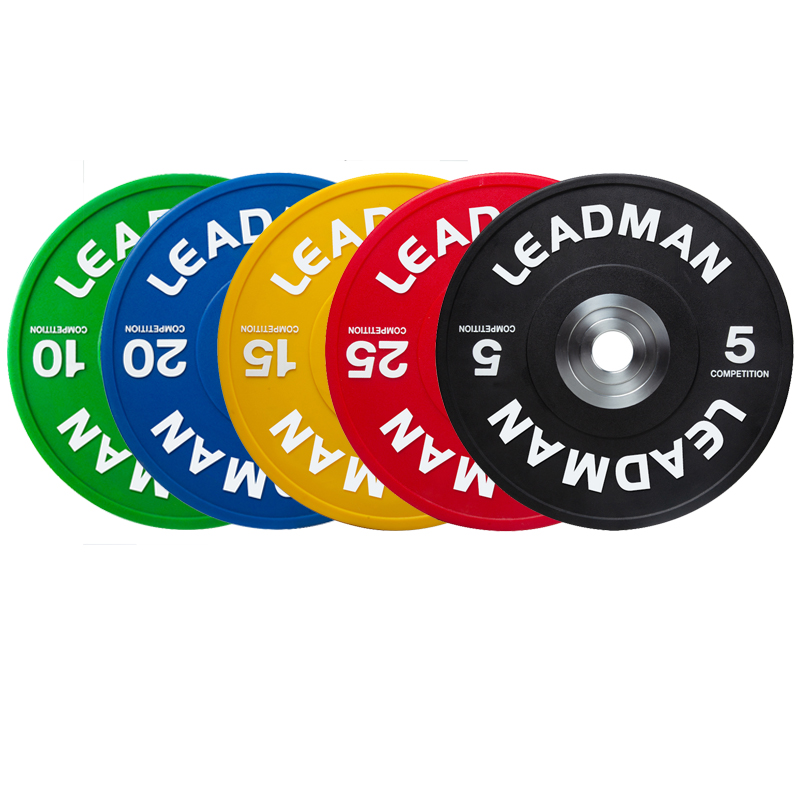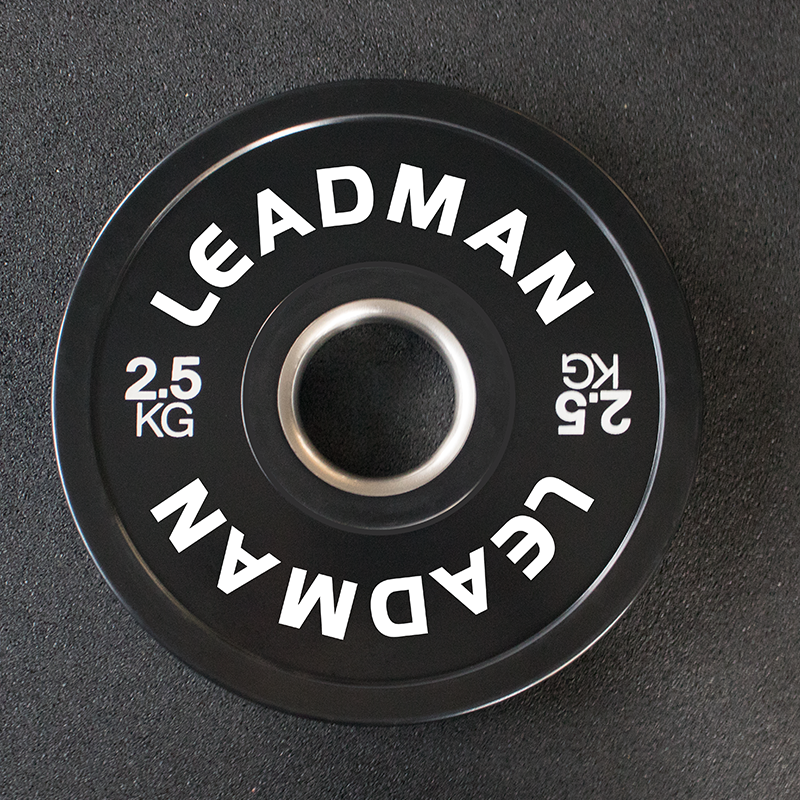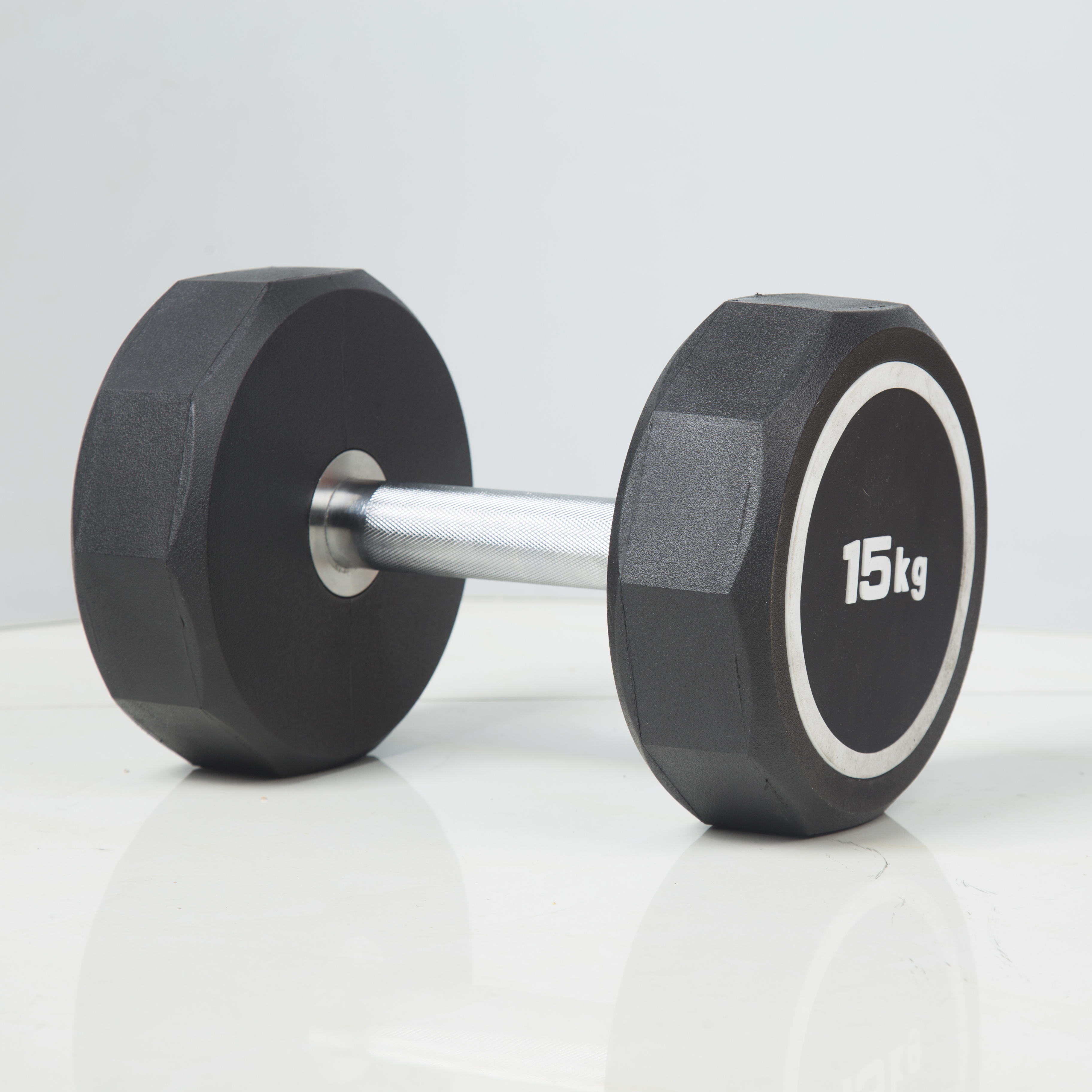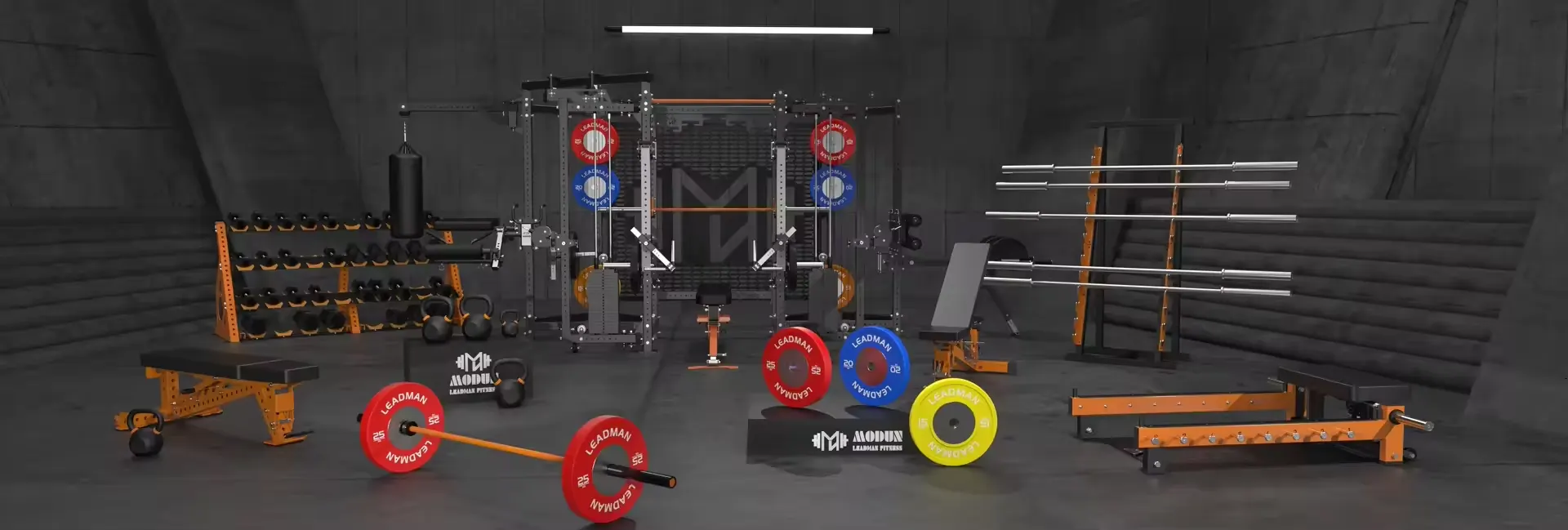
International weight plates refer to plates manufactured outside a buyer's domestic market, typically sourced from China, Taiwan, India, or Eastern Europe. These products dominate the global fitness supply chain due to competitive pricing, but buyers must navigate quality variance, certification requirements, and shipping logistics that differ significantly from domestic procurement.
The key differentiator among international weight plates is manufacturing standards and quality control consistency. Top-tier international factories operate ISO 9001-certified facilities with automated machining and robotic welding, producing plates with +/- 2% weight tolerance and consistent hole sizing (50.00mm +/- 0.25mm for Olympic plates). Lower-tier suppliers use manual casting and finishing, resulting in +/- 5% variance, off-center holes, or rough edges that damage barbell sleeves over time. A 2023 sourcing report indicated that buyers who conducted third-party inspections (e.g., SGS, Bureau Veritas) before shipping reduced defective rates from 15% to under 3%.
Industry data reveals significant regional specialization. Chinese manufacturers dominate rubber bumper and rubber-coated iron plates, producing 70%+ of global volume with lead times of 30-60 days. Indian foundries specialize in cost-effective cast iron plates, often at 15-20% below Chinese pricing but with higher weight variance. Eastern European suppliers (Czech Republic, Poland) produce premium competition-grade plates meeting IWF standards, with shorter EU shipping times but 2-3x higher pricing than Asian alternatives.
For buyers sourcing international weight plates, prioritize certification and shipping terms. Verify EN 20957 or ASTM certification documentation matches the specific production lot, not just factory-wide claims. Request sea freight quotes with Incoterms: FOB (Free On Board) shifts risk to buyer at origin port; CIF (Cost, Insurance, Freight) includes shipping but requires buyer customs clearance. Calculate total landed cost including tariffs—US Section 301 tariffs on Chinese fitness equipment range from 7.5% to 25% depending on product classification. Always order pre-production samples (5-10 plates) and test for hole tolerance, weight accuracy, and rubber odor before container loading.
Let our experts design the perfect gym solution for your business. Get a free consultation and quote today.